Picture this: you walk out to your driveway on a Monday morning, coffee in hand, only to find your prized vehicle sitting on cinder blocks. It’s a car owner’s nightmare that plays out thousands of times annually, often targeting high-performance wheels that can cost upwards of $2,000 per set. While comprehensive insurance might soften the financial blow, nothing erases that sinking feeling of violation and the weeks of hassle that follow.
Wheel locks represent one of the most cost-effective investments in automotive security, yet they’re frequently misunderstood, improperly installed, or chosen based on price alone rather than actual protection value. As a critical component of your car care regimen, understanding the nuances between different lock types, security features, and installation techniques can mean the difference between genuine theft deterrence and false peace of mind. This guide cuts through marketing hype to equip you with the knowledge to make an informed decision that aligns with your vehicle’s specific needs and your risk profile.
Top 10 Wheel Locks
Detailed Product Reviews
1. McGard 24216 Black Cone Seat Wheel Locks (M14X1.5 Thread Size) - Set of 4 w/Key

Overview: The McGard 24216 Black Cone Seat Wheel Locks deliver premium theft protection for vehicles requiring M14x1.5 thread size. This set includes four locks and a unique key tool, featuring a stealthy black finish that blends seamlessly with modern dark alloy wheels. Measuring 1.639 inches in length with dual hex compatibility (21mm and 22mm), these locks work with steel or aluminum wheels using 60-degree tapered cone seats. The package includes an ID card for convenient key replacement.
What Makes It Stand Out: McGard’s proprietary plating process employs multiple nickel layers topped with microporous chrome, creating exceptional corrosion resistance that outlasts standard finishes. Each lock is through-hardened and tempered, exceeding OEM standards for durability. The innovative steel collar on the key guides it precisely into the lock pattern, preventing stripping and ensuring smooth operation even in tight spaces. Manufactured entirely in the USA, these locks represent the pinnacle of automotive security engineering.
Value for Money: At $36.99, this set commands a premium price justified by superior American manufacturing and advanced materials. The dual hex versatility eliminates the need for special sockets, while the sophisticated plating prevents rust in harsh climates. Compared to cheap imports that may seize or fail, this investment delivers long-term reliability that budget-conscious buyers eventually appreciate.
Strengths and Weaknesses: Pros: Superior corrosion resistance; hardened steel construction; user-friendly key collar; dual hex versatility; made in USA; includes ID card Cons: Premium pricing; black finish may show wear over time; requires careful fitment verification
Bottom Line: For drivers prioritizing security and durability, the McGard 24216 locks deliver exceptional protection. The premium price reflects genuine quality that budget competitors cannot match.
2. McGard 24157 Chrome Wheel Lock Set, Cone Seat, M12x1.5 Thread, 13/16 Key Hex

Overview: The McGard 24157 Chrome Wheel Lock Set provides reliable wheel security for vehicles with M12x1.5 thread specifications. This economical kit includes four cone seat locks and a 13/16-inch key hex, delivering an OEM appearance that integrates seamlessly with factory lug nuts. The mirror-like chrome finish maintains its luster through harsh weather, making it suitable for most domestic and import vehicles using this common thread size.
What Makes It Stand Out: As a major OEM supplier to over 30 global car manufacturers, McGard brings factory-level quality to the aftermarket. These locks meet or exceed Original Equipment Manufacturer standards for safety and durability, ensuring performance identical to dealer-installed units. The precision engineering prevents false locking and ensures proper torque application, critical for maintaining wheel safety. This proven OEM pedigree distinguishes it from generic competitors.
Value for Money: Priced at just $23.99 ($6 per lock), this set represents exceptional value, undercutting dealership pricing by 50% or more while delivering identical quality. Competing brands at this price point often use inferior materials or lack OEM certification. For budget-conscious buyers unwilling to compromise safety, this set strikes an ideal balance between cost and professional-grade protection.
Strengths and Weaknesses: Pros: OEM-level quality; affordable pricing; proven OEM supplier; durable chrome finish; meets safety standards Cons: Single hex size limits versatility; basic packaging; no key collar feature; limited fitment details
Bottom Line: This is the smart choice for cost-conscious drivers seeking authentic OEM quality without dealership markup. The McGard 24157 provides proven security at an unbeatable price point.
3. M2DZ-1A043-A Wheel Lock Lug M12 x 1.50 Replacement for M2DZ1A043A Fit for Ford Bronco 2021-2024

Overview: The M2DZ-1A043-A Wheel Lock Set is a vehicle-specific solution engineered exclusively for Ford Bronco models from 2021-2024. This comprehensive kit includes five M12x1.5 locks and one key, covering all four wheels plus the spare tire—a critical feature for off-road enthusiasts. The tapered seat design and internal hexagonal drive ensure perfect compatibility with Bronco specifications, while the compact key stores easily in the vehicle.
What Makes It Stand Out: Purpose-built for the Ford Bronco ecosystem, this set addresses unique off-road needs. The Dacromet coating combined with advanced plating delivers exceptional resistance to rain, snow, and salt spray—essential for harsh terrain. Critically, these locks withstand high-frequency impact wrench operation and continuous vibration, preventing loosening during aggressive off-road use. The five-lock configuration including spare tire coverage demonstrates thoughtful engineering.
Value for Money: At $156.88, this premium set costs significantly more than universal alternatives. However, the five-lock configuration, vehicle-specific engineering, and extreme-duty construction justify the expense for Bronco owners. Universal sets may not fit the spare properly or withstand off-road stresses. For dedicated enthusiasts, the perfect fit and enhanced durability offset the steep price.
Strengths and Weaknesses: Pros: Vehicle-specific fitment; five locks including spare; impact-resistant design; superior corrosion protection; compact key storage Cons: Extremely expensive; limited to one vehicle model; no dual hex option; overkill for casual drivers
Bottom Line: Only worth considering for Ford Bronco owners who regularly venture off-road. The perfect fit and spare tire coverage justify the cost for serious enthusiasts, but casual drivers should opt for universal McGard sets.
4. MCGARD 24210 Chrome Cone Seat Wheel Locks (M14 x 1.5 Thread Size) - Set of 4
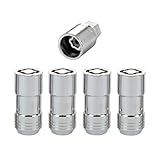
Overview: The MCGARD 24210 Chrome Cone Seat Wheel Locks offer premium protection for vehicles requiring M14x1.5 thread size. This set includes four locks and one key tool, featuring an extended 1.965-inch overall length for deeper wheel applications. The dual hex design (21mm and 22mm) provides installation versatility, while the brilliant chrome finish ensures lasting aesthetic appeal on both steel and aluminum wheels with 60-degree cone seats.
What Makes It Stand Out: McGard’s signature plating process—multiple nickel layers with microporous chrome—delivers exceptional rust protection that outperforms standard chrome locks. Each lock undergoes through-hardening and tempering, creating a robust barrier against theft attempts. The comprehensive fitment warnings demonstrate McGard’s commitment to proper installation, preventing costly mistakes. Manufactured in the USA to exceed OEM standards, these locks represent automotive security engineering excellence.
Value for Money: At $28.52, this set offers premium features at a mid-range price. The extended length accommodates a wider range of wheels than standard locks, while dual hex compatibility eliminates the need for special sockets. Compared to dealership pricing, this represents a 40-50% savings. The advanced corrosion protection ensures longevity, making it more economical over time than cheaper locks that may rust or seize.
Strengths and Weaknesses: Pros: Extended length for versatility; dual hex compatibility; superior corrosion resistance; hardened steel; made in USA Cons: Extended length may not fit all wheels; requires careful fitment verification; chrome less subtle than black
Bottom Line: An excellent choice for drivers needing M14x1.5 locks with extended reach. The quality and versatility make it a superior alternative to both cheap imports and overpriced dealership options.
5. McGard 24137 Chrome Cone Seat Wheel Locks (M12 x 1.5 Thread Size) - Set of 4 Locks and 1 Key

Overview: The McGard 24137 Chrome Cone Seat Wheel Locks provide essential security for vehicles with M12x1.5 thread size. This set includes four locks and one key, featuring a compact 1.46-inch overall length suitable for most passenger cars and SUVs. The dual hex design (19mm and 21mm) accommodates standard lug wrenches and impact sockets, making installation straightforward. The set includes an ID card for key replacement and detailed fitment instructions.
What Makes It Stand Out: McGard’s proven plating technology—multiple nickel layers topped with microporous chrome—ensures these locks resist corrosion far better than budget alternatives. The through-hardened and tempered steel construction meets or exceeds OEM standards, providing reliable theft deterrence. The dual hex feature is particularly valuable, allowing use with common 19mm and 21mm sockets found in most tool kits, eliminating the need to purchase additional tools.
Value for Money: At $24.81 ($4.96 per lock), this set delivers premium quality at a competitive price point. The cost per lock is lower than many inferior imports, yet the Made-in-USA construction and OEM certification ensure superior reliability. For drivers seeking a balance between affordability and proven security, this set undercuts dealership pricing while delivering identical or better quality.
Strengths and Weaknesses: Pros: Excellent value per lock; dual hex versatility; superior corrosion resistance; OEM quality; made in USA; includes ID card Cons: Compact length may not suit all wheels; chrome shows dirt more than black; requires fitment verification
Bottom Line: A top-tier choice for M12x1.5 applications that combines affordability with McGard’s legendary quality. The dual hex feature and corrosion resistance make it a practical, long-lasting investment.
6. Tevlaphee Universal Wheel Lock Heavy Duty Security Trailer Wheel Lock Anti Theft Wheel Locks for Cars SUV Camper Motorcycle Trailer Great Deterrent Bright Color with 3 Keys (Red-Yellow)

Overview: The Tevlaphee Universal Wheel Lock is a heavy-duty physical deterrent designed to immobilize vehicles by clamping onto the wheel. Constructed from high-strength steel plate with a soft PVC coating, this bright red and yellow device fits wheels ranging from 7 to 11 inches in width, making it compatible with cars, SUVs, trailers, motorcycles, and ATVs. The package includes three keys and promises straightforward installation that takes seconds.
What Makes It Stand Out: The crescent-shaped lock cylinder offers superior anti-theft performance compared to standard designs, while the high-visibility color scheme serves as a powerful psychological deterrent before thieves even approach. The soft coating protects wheel finishes from scratches—an important detail often overlooked in competing products. Its universal adjustability across a wide range of wheel widths adds remarkable versatility for owners of multiple vehicle types, from compact cars to small trailers.
Value for Money: At $38.99, this lock sits in the mid-range price bracket for clamp-style wheel locks. You’re getting robust steel construction, a more secure lock cylinder design, and three keys instead of the typical two. For those securing trailers or occasional-use vehicles, it costs significantly less than replacing stolen property and competes favorably with similar models from lesser-known brands. The visual deterrence alone provides value that passive systems cannot match.
Strengths and Weaknesses: Pros include excellent visibility, durable construction, universal fitment, protective coating, and three keys. Cons involve its bulkiness compared to lug nut locks, potential weight issues for frequent transport, and the fact that determined thieves with power tools could eventually defeat it. The 7-11 inch range may not accommodate some oversized off-road tires, requiring measurement before purchase.
Bottom Line: The Tevlaphee lock delivers solid security for trailers, campers, and motorcycles where portability isn’t paramount. Its visual deterrence and build quality justify the price for anyone seeking peace of mind without paying premium brand markups.
7. M12 x 1.5 Wheel Lock Lug Nuts Set 00276-00900 Fit for Toyota Camry Tacoma Corolla Highlander Avalon RAV4 Sienna Venza Celica Prius Matrix CHR Mirai Lexus RX350 IS250 ES350 NX200T
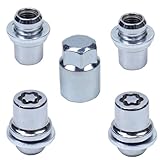
Overview: This M12 x 1.5 Wheel Lock Lug Nuts Set provides OEM-quality theft protection specifically engineered for Toyota and Lexus vehicles spanning two decades of models. The kit includes four chrome-finished wheel locks and a single matching key, replacing part numbers like 00276-00900 and PT27648100. With a 34mm height and 60-degree cone seat design, these locks integrate seamlessly with factory alloy wheels without aesthetic disruption.
What Makes It Stand Out: The exhaustive compatibility list covering everything from the Toyota Camry and Tacoma to Lexus RX and IS series makes this a go-to solution for owners of these popular vehicles. Unlike universal options, these locks guarantee proper fitment without guesswork. The corrosion-resistant construction ensures longevity in harsh weather conditions, while the precise engineering maintains the aesthetic continuity of your wheels and prevents damage during installation or removal.
Value for Money: At $22.99, this set dramatically undercuts dealership pricing for equivalent OEM wheel locks. Considering a single replacement wheel can cost hundreds of dollars, this investment represents exceptional value. The inclusion of a 13/16-inch hex key and robust material quality means you’re not sacrificing durability for affordability. It’s essentially dealership protection at one-third the cost.
Strengths and Weaknesses: Pros include perfect OEM fitment for listed vehicles, strong corrosion resistance, affordable pricing, and maintaining factory appearance. The major limitation is application specificity—this won’t work for non-Toyota/Lexus vehicles or those with different thread pitches. Having only one key requires careful storage; losing it complicates removal considerably and may necessitate professional assistance.
Bottom Line: For Toyota and Lexus owners, this lock set is a no-brainer. It delivers factory-spec security at a fraction of dealer cost, making it essential insurance against wheel theft for these commonly-targeted vehicles.
8. AV Steel 2pcs Universal Wheel Lock for Car, Clamp Heavy Duty Trailer Wheel Lock, Adjustable Car Theft Prevention Device Tire Lock with 6 Keys for Car, ATV, SUV, RV, Motorcycle, Golf Cart, and Boat

Overview: The AV Steel Universal Wheel Lock set provides two heavy-duty clamp locks for comprehensive vehicle security. Constructed from durable steel with PVC-coated clamps, these adjustable devices fit tires from 7.1 to 10.6 inches in diameter across nine locking positions. The $37.99 package includes six keys and a 12-month warranty, covering everything from cars and SUVs to golf carts and boat trailers with one convenient system.
What Makes It Stand Out: Getting two locks for nearly the price of one competitor’s single unit represents exceptional value. The six included keys provide spares for multiple users or locations, eliminating the common problem of lost keys rendering locks useless. The nine-hole adjustment system offers finer tuning than many rivals, while the 12-month warranty demonstrates manufacturer confidence rarely seen in this category. Its compact storage design means you can keep protection readily available in your trunk.
Value for Money: This set arguably offers the best cost-per-lock ratio in the clamp lock category. At effectively $19 per lock, you’re receiving heavy-duty construction, thoughtful protective coating, and comprehensive key coverage. The warranty adds peace of mind rarely found at this price point, making it ideal for securing multiple vehicles or providing layered protection on one trailer. Competitors typically charge $35-45 per single lock without these benefits.
Strengths and Weaknesses: Pros include outstanding value for two locks, six keys, protective PVC coating, universal fitment, and warranty protection. Cons feature a slightly smaller maximum width than some competitors (10.6" vs 11") and the bulk inherent to clamp-style locks. The bright finish may fade with prolonged sun exposure, and the nine positions, while precise, require careful alignment during installation.
Bottom Line: AV Steel’s two-pack delivers unmatched value for anyone needing to secure multiple wheels or vehicles. The combination of price, warranty, and generous key count makes this a top recommendation for trailer owners and fleet managers seeking practical security.
9. McGard 24220 Black Cone Seat Wheel Locks (1.5 x 7.5 x 6) inches Thread Size - Set of 4
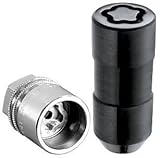
Overview: McGard’s 24220 Black Cone Seat Wheel Locks represent the gold standard in lug nut security for vehicles requiring M14 x 1.5 thread pitch. This set of four locks features a distinctive black finish achieved through multiple nickel layers and microporous chrome plating. Each lock is through-hardened and tempered, manufactured in the USA to exceed OEM standards. The kit includes a unique key and ID card for pattern registration.
What Makes It Stand Out: McGard’s reputation for quality is backed by superior metallurgy and finishing processes that resist corrosion and tampering far better than budget alternatives. The dual hex key (21mm and 22mm) adds versatility for different socket sets. The unique key patterns ensure your locks remain distinct from others, while the through-hardening process creates a lock that withstands removal attempts that would destroy lesser products, including chisel and drill attacks.
Value for Money: At $38.26, these command a premium price but deliver commensurate quality. For owners of high-end wheels or vehicles in theft-prone areas, this cost pales compared to replacing custom rims. The durability means these locks will likely outlast your vehicle ownership, amortizing the investment over years of reliable protection. Cheap locks fail when you need them most; McGard’s don’t.
Strengths and Weaknesses: Pros include exceptional build quality, superior corrosion resistance, American manufacturing, and proven security design tested by law enforcement. Cons involve the premium pricing, absolute necessity of verifying fitment before purchase, and the single key requirement. The unique pattern system means ordering multiple sets creates key management complexity, and replacement keys require the ID card.
Bottom Line: For those prioritizing maximum security and longevity, McGard locks are worth every penny. Invest in these if you own valuable wheels and refuse to compromise on protection quality. The black finish particularly suits dark or monochrome wheel designs.
10. McGard 24538 Chrome Cone Seat Wheel Lock (1/2"-20 Thread Size) - Set of 5

Overview: McGard’s 24538 Chrome Cone Seat Wheel Locks provide premium protection for vehicles with 1/2"-20 thread lug nuts. This set includes five locks and one key, featuring McGard’s signature multiple-layer nickel and chrome plating for superior rust prevention. The locks are through-hardened and tempered, meeting rigorous OEM standards in a classic chrome finish that complements most factory and aftermarket wheels without drawing unwanted attention.
What Makes It Stand Out: The inclusion of five locks rather than the standard four allows protection for all wheels plus a spare—crucial for trucks and SUVs where spare theft is common. McGard’s manufacturing precision ensures perfect seating and removal without marring wheel surfaces. The dual hex key compatibility and unique key pattern system provide the same security pedigree that made McGard an industry leader, all while maintaining a clean, OEM appearance that security-conscious drivers appreciate.
Value for Money: Priced at $28.03 for five locks, this set offers remarkable value for a premium brand. Costing less than $6 per lock, it approaches budget pricing while delivering McGard’s renowned quality and durability. For vehicles requiring 1/2"-20 threads, it eliminates the choice between affordability and trusted protection. Comparable sets from McGard typically cost $35-40 for just four locks.
Strengths and Weaknesses: Pros include trusted brand reputation, set of five locks, excellent corrosion resistance, and OEM-quality construction. Cons feature limited compatibility information in the listing, requiring buyer research to confirm fitment, and only one key despite five locks. The chrome finish, while attractive and corrosion-resistant, may not suit all wheel aesthetics and can show dirt more readily than black finishes.
Bottom Line: This five-lock McGard set is ideal for truck and SUV owners needing spare tire protection. It combines brand reliability with quantity and value, making it a smart choice for comprehensive wheel security without the premium price tag usually associated with top-tier brands.
Understanding Wheel Locks: Your First Line of Defense
Wheel locks function as specialized lug nuts or bolts that require a unique key tool for installation and removal. Unlike standard fasteners that any thief with a lug wrench can defeat in seconds, these devices introduce a critical time-delay factor that often proves the difference between a successful theft and a frustrated criminal moving to an easier target. However, their effectiveness hinges entirely on proper selection, installation, and realistic expectations about their capabilities.
The Psychology of Visual Deterrence
Professional wheel thieves typically scout targets quickly, looking for the path of least resistance. A visible set of wheel locks sends an immediate psychological signal that your vehicle will require additional time, specialized tools, and increased risk of detection. This visual cue often prompts thieves to bypass your car entirely in favor of one with standard lug nuts. The deterrent effect amplifies when combined with other visible security measures, creating a layered defense strategy that signals you’re a conscientious owner who has likely implemented additional protections.
How Wheel Locks Actually Work
At their core, wheel locks employ unique internal and external patterns that standard sockets cannot grip. The matching key tool interfaces with this pattern, allowing torque transfer for proper installation and removal. Premium designs incorporate rotating collars or free-spinning sleeves that prevent thieves from using hammer-on removal tools or locking pliers to grip the exterior. The most sophisticated versions utilize computer-generated key patterns with thousands of possible combinations, ensuring your specific key remains unique within your region and dramatically reducing the likelihood that a thief carries a matching tool.
Types of Wheel Locks Available Today
The market offers several distinct designs, each engineered for specific wheel types, vehicle applications, and security levels. Understanding these variations prevents costly compatibility mistakes and ensures you select a solution that integrates seamlessly with your wheels’ design.
Spline Drive Wheel Locks
Spline drive locks feature narrow grooves machined around the circumference, requiring a specialized splined socket for operation. These designs excel with aftermarket wheels that have smaller lug holes, as their reduced outer diameter fits where bulkier locks cannot. The increased number of contact points distributes torque more evenly, reducing the risk of stripping the pattern during high-torque applications. However, this design requires precise manufacturing tolerances—lower-quality spline locks can develop play over time, compromising both security and your ability to remove them when necessary.
Tuner Style Wheel Locks
Specifically engineered for performance and custom wheels with extremely narrow lug holes, tuner locks utilize a compact, often tapered design that maximizes clearance. These typically employ internal drive patterns rather than external splines, protecting the working surfaces from road debris and corrosion. The trade-off comes in key durability—smaller internal patterns can be more susceptible to wear if not maintained properly. For vehicles running aggressive fitments or wheels with minimal lug hole clearance, tuner style locks often represent the only viable option.
Cone Seat vs. Radius Seat Designs
Your wheel’s lug seat geometry dictates which lock type you must use. Cone seat locks feature a 60-degree tapered face that matches most OEM and many aftermarket wheels, centering the wheel on the studs as torque is applied. Radius seat locks use a rounded, ball-shaped seat found primarily on European vehicles from manufacturers like Audi, BMW, and Mercedes-Benz. Using the wrong seat type creates uneven pressure distribution, leading to wheel vibration, potential stud damage, and catastrophic failure under load. Always verify your wheel’s seat type before purchasing—this specification appears in your vehicle’s manual or can be measured directly from existing lug nuts.
Locking Lug Nuts vs. Locking Wheel Bolts
Most American and Asian vehicles use lug nuts that thread onto exposed wheel studs. European models, particularly Volkswagen, Audi, and BMW, often utilize wheel bolts that thread directly into the hub, leaving no exposed stud. These fundamentally different architectures require completely different lock designs. Bolt-style locks incorporate a threaded shaft with an integrated locking head, while nut-style locks are hollow and slide over existing studs. Attempting to use lug nuts on a bolt-application vehicle (or vice versa) results in immediate incompatibility and potential hub damage.
Key Security Features to Evaluate
Not all wheel locks provide equal protection. Discerning buyers must evaluate specific security characteristics that separate genuine theft deterrents from mere cosmetic upgrades that create false confidence.
Pattern Complexity and Uniqueness
The security of any wheel lock begins with its key pattern complexity. Entry-level locks might offer only a few dozen unique patterns, making it feasible for organized thieves to collect common variants. Premium options generate patterns through computer algorithms, creating thousands of unique combinations. The pattern’s complexity also matters—simple hex or star shapes are easier to replicate or defeat than multi-dimensional, irregular patterns that require precision machining to duplicate. Look for locks where the manufacturer can provide documentation about their pattern generation process and the statistical uniqueness of your specific key.
Material Hardness and Durability
A lock’s physical material determines its resistance to brute-force attacks. Quality locks use hardened steel alloys, typically chrome vanadium or chrome molybdenum, heat-treated to specific hardness ratings (measured on the Rockwell C scale). Locks that are too hard become brittle and can crack under impact; those too soft allow thieves to drill or cut them more easily. The sweet spot falls between HRC 38-45, providing a balance of toughness and machinability for legitimate removal. Additionally, examine the collar material—rotating sleeves should be manufactured from a different hardness than the core to prevent them from seizing together.
Rotating Collar Technology
The most effective modern locks incorporate a free-spinning collar around the lock body. When a thief attempts to use a removal tool that grips the exterior, the collar spins independently of the lock core, preventing torque transfer. This simple mechanical feature defeats the most common theft method: hammering a slightly oversized socket onto the lock and wrenching it off. However, collar quality varies significantly—cheap versions can become seized with corrosion or debris, while premium designs use sealed bearings and dissimilar metals to ensure long-term free rotation regardless of environmental exposure.
Manufacturing Quality Indicators
Beyond marketing claims, several tangible quality markers distinguish professional-grade wheel locks from budget options that might fail when you need them most.
Cold-Forged vs. Machined Construction
Cold-forged locks begin as a solid piece of steel that’s pressed into shape under extreme pressure, aligning the metal’s grain structure for superior strength and fatigue resistance. This process creates locks that withstand repeated torque cycles without cracking. Machined locks are cut from solid bar stock using CNC equipment, offering precise dimensions but potentially creating stress risers where cuts intersect. While both methods can produce excellent locks, cold-forged construction generally provides better impact resistance—critical when dealing with potholes and road debris that transmit shock through the wheel to the fasteners.
Coating and Corrosion Resistance
Your wheel locks face constant exposure to moisture, road salt, brake dust, and temperature extremes. Multi-layer plating systems—typically copper, nickel, and chrome—provide superior corrosion resistance compared to single-layer finishes. For winter climates or coastal regions, consider locks with additional polymer coatings or those manufactured from stainless steel alloys. Pay particular attention to the key’s coating as well; a corroded key that breaks during removal can leave you stranded with an immobilized wheel. Some premium manufacturers now offer keys manufactured from corrosion-resistant materials with protective storage cases to extend their lifespan.
Sizing and Compatibility Essentials
Incorrect sizing ranks among the most common wheel lock purchasing mistakes, leading to installation failures, wheel damage, or complete incompatibility. Precision matters when dealing with safety-critical fasteners.
Thread Pitch and Seat Type Matching
Two non-negotiable specifications govern lock compatibility: thread pitch and seat type. Thread pitch (expressed as a ratio like 1.5mm or as threads-per-inch like 1/2"-20) must match your vehicle’s wheel studs exactly. Using an incorrect pitch strips threads, potentially requiring costly hub replacement. Seat type—cone, radius, or flat—must mirror your wheel’s lug seat geometry. Mixing seat types creates point-loading rather than surface contact, leading to loosening, vibration, and stud fatigue. Always consult your vehicle’s specifications or remove an existing lug nut to measure these parameters directly before ordering.
Length and Diameter Considerations
Wheel locks must engage sufficient threads to maintain clamping force without bottoming out in the hub. For lug nut applications, the lock should thread onto at least 6-7 full turns, engaging a minimum of 10mm of stud length. For wheel bolts, the threaded portion should be slightly shorter than the OEM bolt to prevent hub damage but long enough to provide adequate engagement. Outer diameter presents another critical factor—many aftermarket wheels have tight lug holes that won’t accommodate bulky locks. Measure your wheel’s lug hole clearance with calipers, accounting for any taper or chamfer that further reduces available space.
OEM vs. Aftermarket Wheel Compatibility
Factory wheels typically accommodate standard-profile locks without issue. Aftermarket wheels, however, introduce variables like thicker center sections, smaller lug holes, and unique seat geometries. Many performance wheels require slim-profile tuner locks or even extended wheel bolts with integrated locks. Some forged wheels use mag seats (flat with a separate washer) that need specialized locks designed for that configuration. When running spacers or adapters, you may need longer locks or bolts to compensate for the additional thickness. Document all these variables before purchasing—photographing your existing setup with measurements can prevent costly returns.
Installation Best Practices
Proper installation determines whether your wheel locks provide meaningful security or become a liability that damages your wheels or leaves you stranded.
Torque Specifications and Proper Tools
Wheel locks require the same precise torque as standard lug nuts or bolts—never tighten them by feel alone. Over-torquing stretches studs or bolts beyond their elastic limit, compromising clamping force and creating failure risk. Under-torquing allows wheels to loosen, causing vibration and potential separation. Always use a calibrated torque wrench, following the vehicle manufacturer’s specifications, which typically range from 75-100 ft-lbs for most passenger vehicles. The lock key must seat fully and squarely before applying torque; angled engagement damages both the key and lock pattern, potentially rendering them unusable.
The Star Pattern Technique
When installing locks (or any lug hardware), use a star or cross pattern rather than tightening sequentially around the wheel. This method ensures even pressure distribution and proper wheel centering on the hub. Install all standard lug nuts or bolts first, hand-tightening them in the star pattern. Then replace one standard fastener with a lock, torque it to specification, and continue the pattern until all locks are installed. This approach prevents the wheel from seating unevenly, which can cause brake rotor warping and vibration issues. For vehicles using five locks per wheel, maintain the star pattern throughout the entire process.
Common Installation Mistakes to Avoid
Never lubricate wheel lock threads or seats with anti-seize compound unless specifically recommended by the lock manufacturer. While this seems counterintuitive for corrosion prevention, lubrication alters torque values significantly—an 85 ft-lb dry torque spec might effectively become 110 ft-lbs when lubricated, overloading fasteners. Avoid using impact wrenches for final tightening; the hammering action can damage lock mechanisms and keys. Never hammer the key onto the lock; if it doesn’t seat smoothly, clean both components and inspect for damage. Finally, install locks with the vehicle’s weight on the ground or with wheels properly supported—not suspended in the air—to ensure proper seating.
Removal and Emergency Access
Even with perfect maintenance, emergencies happen—lost keys, broken tools, or roadside flats require a clear action plan before you find yourself stranded.
What to Do If You Lose Your Key
Immediately contact the lock manufacturer with your key code, typically found on the key itself, the original packaging, or a registration card. Most companies maintain replacement key programs for registered owners, often at minimal cost. If you didn’t register your locks or record the code, removal becomes more complex. Professional locksmiths and tire shops carry specialized removal kits that can extract locks without damage, though this service costs significantly more than a replacement key. As a last resort, mobile wheel lock removal services exist in most metropolitan areas, though they charge premium rates for emergency calls.
Professional Removal Services
When locks seize due to corrosion or damage, professional removal becomes necessary. Reputable shops use pneumatic or hydraulic extraction tools that grip the lock interior without harming the wheel. Some employ left-hand drill bits that bite into the lock while rotating counterclockwise, backing it out naturally. Others use specialized sockets with internal carbide teeth that grip when turned in the removal direction. Before authorizing removal, verify the technician’s experience with your specific lock type—improper techniques can gouge wheels or damage hub threads, turning a simple extraction into an expensive repair.
Security Limitations and Realistic Expectations
Understanding what wheel locks cannot do proves as important as knowing their strengths. Proper expectations prevent overconfidence and encourage comprehensive security strategies.
What Wheel Locks Can and Cannot Prevent
Wheel locks excel at deterring opportunistic thieves and slowing down professionals. They cannot stop determined criminals with specialized removal tools and adequate time. Professional theft rings carry lock removal kits that can defeat most consumer-grade locks within 5-15 minutes per wheel. Locks also don’t prevent theft of entire vehicles (which are then stripped elsewhere) or protect against tow-away theft. They specifically target one scenario: on-street wheel and tire theft. Recognize this limitation and implement additional layers of security rather than relying solely on locks as a magic bullet solution.
Complementary Anti-Theft Measures
Integrate wheel locks into a broader security posture. Tilt or shock sensors on your car alarm detect jacks being positioned or wheels being removed. Parking in well-lit areas with security cameras adds surveillance deterrence. For high-value wheels, consider adding a secondary security device like a wheel clamp or boot that immobilizes the vehicle entirely. GPS trackers hidden within wheels provide recovery capability if theft occurs. Some enthusiasts even use multiple lock brands per wheel, forcing thieves to carry multiple key types and exponentially increasing removal time. The goal is making your vehicle sufficiently difficult that criminals select easier targets.
Maintenance and Long-Term Care
Wheel locks require ongoing attention as part of your regular car care routine. Neglect transforms them from security devices into liabilities that can strand you or damage your wheels.
Seasonal Inspection Protocols
Every season, inspect each lock for signs of corrosion, cracking, or collar seizure. In winter climates, road salt accelerates corrosion dramatically—consider removing locks during seasonal tire changes to clean and inspect them thoroughly. Check that rotating collars still spin freely; if seized, apply a penetrating lubricant specifically designed for locks (not general-purpose oil that attracts dirt) and work the collar until it moves freely. Examine keys for wear, particularly the pattern edges. Slight rounding indicates impending failure—replace keys proactively rather than waiting for them to strip completely during an emergency removal.
Cleaning and Lubrication Guidelines
Clean locks during every wheel cleaning session, using a soft brush to remove brake dust and road grime from the pattern crevices. Never use acid-based wheel cleaners on locks; these etch protective coatings and accelerate corrosion. For seized locks, apply a lock-specific graphite lubricant rather than oil-based products that gum up with debris. Store your lock key in a protected location—never loose in a glove box where it rattles against metal objects, dulling the pattern. Consider keeping a duplicate key in a separate location, registered with the manufacturer if possible, to prevent lockout situations.
Cost vs. Value Analysis
Wheel lock pricing spans from budget-friendly sets under $20 to premium options exceeding $150. Understanding what differentiates these tiers helps allocate your security budget effectively.
Budget, Mid-Range, and Premium Tiers
Budget locks ($15-30) typically offer basic pattern complexity and standard steel construction without rotating collars. They provide visual deterrence but limited resistance to professional tools. Mid-range options ($30-60) introduce features like free-spinning collars, improved materials, and better pattern uniqueness. Premium locks ($60+) offer computer-generated patterns, advanced materials like titanium alloys, replaceable key programs, and manufacturer support. For vehicles with wheels valued under $1,000, mid-range locks often provide optimal value. When protecting forged wheels or high-end performance setups exceeding $3,000, premium locks justify their cost through superior materials and pattern security.
Insurance Implications and Discounts
Some insurance companies offer premium discounts for vehicles equipped with wheel locks, typically 2-5% reductions in comprehensive coverage. Contact your provider before purchasing to understand their specific requirements—many demand professional installation documentation or specific security certifications. More importantly, locks demonstrate due diligence to insurers during claims, potentially simplifying the process if theft occurs. Document your installation with photos and keep receipts; this evidence proves you took reasonable precautions, which can influence claim outcomes and future premium calculations.
Legal Considerations
Few owners consider legal ramifications of wheel lock installation, yet certain situations create complications with warranties, leases, and liability.
Warranty and Liability Issues
Installing wheel locks generally doesn’t void vehicle warranties, but improper installation that damages hubs, wheels, or brake components falls outside warranty coverage. Some wheel manufacturers explicitly void warranties if non-approved fasteners cause damage. Always verify that your chosen locks meet or exceed OEM specifications for material grade and dimensional tolerances. If a wheel fails due to a lock-induced stress fracture, you may bear liability rather than the wheel manufacturer. Keep documentation proving your locks meet appropriate standards, and consider professional installation for high-value wheels to establish a liability trail.
Dealer and Lease Restrictions
Lease agreements sometimes prohibit modifications, including wheel locks, without prior approval. While locks technically aren’t modifications, some dealers argue they alter the vehicle from delivered condition. Before installing locks on a leased vehicle, review your contract and obtain written approval if ambiguity exists. For vehicles under dealer service contracts, some dealers refuse to perform tire rotations or brake service if non-OEM locks are installed, citing liability concerns. Clarify these policies beforehand to avoid service disruptions. Some manufacturers offer OEM-branded locks that satisfy both security needs and dealer requirements.
Troubleshooting Common Problems
Even quality wheel locks develop issues over time. Knowing how to address problems proactively prevents minor annoyances from becoming major expenses.
Seized or Frozen Locks
Corrosion causes most lock seizures, particularly in regions using road salt or near coastal areas. If a lock won’t turn, don’t force it with excessive torque—that risks snapping the key or stripping the pattern. Instead, apply a penetrating oil specifically formulated for locks, allowing it to soak for several hours. Gently tap the lock with a rubber mallet to help the lubricant penetrate. Apply heat carefully with a heat gun (never a torch, which can damage wheel finishes) to expand the metal and break corrosion bonds. If these methods fail, professional extraction becomes necessary to prevent wheel damage.
Stripped Key Patterns
Keys strip when forced onto locks with debris in the pattern or when used with improper torque application. If your key shows wear, stop using it immediately and order a replacement. Continuing to use a worn key risks leaving you with a lock that cannot be removed without professional help. Most manufacturers offer individual replacement keys if you have your key code. Without the code, you’ll need to provide proof of purchase and potentially the lock itself for pattern matching. Some premium brands maintain customer databases, allowing code retrieval through vehicle registration information.
Frequently Asked Questions
Are wheel locks really effective at preventing theft?
Wheel locks provide strong deterrence against opportunistic thieves and significantly slow professional criminals, but they aren’t foolproof. Their effectiveness depends on quality, proper installation, and integration with other security measures. Think of them as a time-delay device rather than an impenetrable barrier—most thieves bypass vehicles with locks in favor of easier targets.
Can wheel locks damage my wheels or studs?
Only when improperly installed or incompatible with your wheels. Using incorrect seat types, over-torquing, or installing locks that are too long can cause damage. Always verify specifications match your vehicle and wheels, use a torque wrench, and follow proper installation procedures. Quality locks designed for your specific application won’t damage components when used correctly.
How many wheel locks do I need per wheel?
Most vehicles require one lock per wheel, replacing a standard lug nut or bolt. However, vehicles with high-value wheels sometimes use two locks per wheel for added security. Never replace all fasteners with locks—this creates a single point of failure if you lose your key. Keep at least one standard fastener per wheel for emergency scenarios.
What should I do immediately if I lose my wheel lock key?
First, check if you recorded the key code—it’s often stamped on the key itself, the packaging, or a registration card. Contact the manufacturer with this code to order a replacement. If you lack the code, search your vehicle thoroughly (many owners store keys in glove boxes, center consoles, or with spare tire tools). As a last resort, contact a professional tire shop or mobile lock removal service before you have a flat tire emergency.
Are expensive wheel locks worth the investment?
For vehicles with wheels valued under $1,000, mid-range locks typically offer the best value. When protecting premium forged wheels or high-end performance setups exceeding $3,000, expensive locks with computer-generated patterns, rotating collars, and manufacturer support justify their cost through superior security and replacement key services. Match the lock tier to your wheel value and risk exposure.
Can wheel locks be installed on any vehicle?
No—wheel locks must match your vehicle’s thread pitch, seat type, and wheel clearance. European vehicles often require bolt-style locks rather than lug nuts. Aftermarket wheels frequently need slim-profile tuner locks due to reduced lug hole size. Always verify these three specifications before purchasing: thread pitch, seat type (cone, radius, or flat), and maximum outer diameter clearance.
Do wheel locks affect wheel balancing or cause vibration?
Properly installed quality locks won’t affect balancing or cause vibration. Vibration issues arise from improper torque, incorrect seat types, or locks that don’t seat fully. Always torque locks to manufacturer specifications using a star pattern, and verify the lock seat matches your wheel exactly. If vibration occurs after installation, recheck torque and seat compatibility immediately.
How often should I inspect and maintain my wheel locks?
Inspect locks seasonally and during every tire rotation. Check for corrosion, collar seizure, and key wear. Clean locks during regular wheel cleaning, and apply lock-specific lubricant if collars become stiff. In winter climates or coastal areas, consider removing locks during seasonal tire changes for thorough cleaning and inspection to prevent salt-induced corrosion.
Will installing wheel locks void my vehicle or wheel warranty?
Properly installed locks meeting OEM specifications won’t void warranties. However, damage caused by improper installation or incompatible locks isn’t covered. Some wheel manufacturers require specific fastener types to maintain warranty coverage. Keep documentation proving your locks meet appropriate standards, and verify compatibility with your wheel manufacturer for high-value wheels.
Can professional thieves still steal wheels with locks installed?
Yes, given enough time and the right tools. Professional theft rings carry universal removal kits that can defeat most consumer locks within 5-15 minutes per wheel. However, locks force thieves to make noise, spend more time at the vehicle, and carry specialized equipment—all of which increase their risk of detection. Locks work best as part of a layered security strategy rather than a standalone solution.