When it comes to achieving that flawless, showroom-quality finish on your vehicle, the tools you choose can make or break your results. Among professional detailers and serious enthusiasts, Flex polishers have earned a reputation as precision instruments that deliver consistent, high-quality paint correction without the steep learning curve of traditional rotary tools. Whether you’re battling stubborn swirl marks from automated car washes or refining your ceramic coating application technique, understanding what sets Flex apart from the crowd is essential for making an investment that will serve you for years.
This comprehensive guide dives deep into the world of Flex polishers, exploring the engineering principles, ergonomic considerations, and performance metrics that should influence your purchasing decision. We’ll cut through the marketing jargon and focus on the practical features that translate to better results in your garage or detailing studio. From understanding orbital mechanics to evaluating vibration dampening systems, you’ll gain the knowledge needed to select the perfect tool for your specific car care needs—whether you’re a weekend warrior or building a professional detailing business.
Top 10 Flex Polishers
Detailed Product Reviews
1. FLEX PXE 80 12.0-EC set USA 12V Cordless Multi-Polisher-Set, Includes Two 2.5Ah Batteries, One Charger & Soft Bag
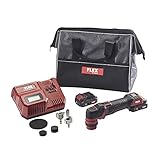
Overview: The FLEX PXE 80 12.0-EC is a versatile cordless multi-polisher designed for professional detailers and finishers who demand flexibility. This comprehensive kit includes two 2.5Ah batteries, a charger, and a soft bag, providing everything needed for mobile operations. The tool excels in spot repairs and finishing work, offering unprecedented adaptability in a compact package.
What Makes It Stand Out: The revolutionary tool-free quick-change system allows instant switching between rotary and random orbital drive types, accommodating both 3mm and 12mm stroke lengths. This dual-capability eliminates the need for multiple tools, saving space and investment. The continuous speed control trigger ensures gentle starts while the lock-on function enables sustained operation, crucial for achieving hologram-free finishes.
Value for Money: At $419, this kit delivers exceptional versatility that would typically require two separate machines. The included batteries and accessories make it road-ready for mobile detailers. While premium-priced, it replaces multiple tools and reduces equipment costs long-term, especially for professionals specializing in spot repairs and corrections.
Strengths and Weaknesses: Pros include unmatched versatility, cordless convenience, quick-change system, and professional-grade construction. The 12V platform may limit heavy-cutting power compared to 18V or corded alternatives, and battery life could be a concern during extended heavy polishing sessions. The initial investment is significant for hobbyists.
Bottom Line: Ideal for professional detailers and body shops focused on spot repairs and finishing work. The cordless design and quick-change functionality make it invaluable for mobile operations where versatility and portability are paramount.
2. FLEX Forced rotation Polisher-XC3401VRG120/US

Overview: The FLEX XC3401VRG120/US represents the brand’s traditional forced rotation orbital polisher, built for professional-grade paint correction. This corded workhorse delivers consistent power for removing defects and achieving high-gloss finishes, making it a staple in many detailing shops.
What Makes It Stand Out: As a forced rotation machine, it combines orbital motion with gear-driven rotation, preventing stalling and maintaining cutting power on curved surfaces. This design excels at leveling clear coat and tackling moderate to severe defects without the learning curve of rotary polishers.
Value for Money: Priced at $415, this polisher sits in the mid-range for professional forced rotation tools. However, the sparse feature listing raises concerns about included accessories and modern conveniences. Competing models often include backing plates or carry cases at similar price points.
Strengths and Weaknesses: Pros include reliable forced rotation action, consistent corded power, and proven FLEX durability. The gear-driven mechanism prevents pad stalling on contours. Cons include limited product information, absence of batteries or accessories, potentially outdated design compared to newer FLEX models, and the inherent mobility restrictions of a corded tool.
Bottom Line: While the XC3401VRG120/US likely performs adequately, the lack of detailed specifications and accessories makes it difficult to recommend over newer alternatives. Professionals should consider the FX3331-2C for cordless convenience or the XCE 10-8 for updated corded performance.
3. FLEX 24V Brushless Cordless Forced Random Orbital Polisher Kit with (2) 5.0Ah Lithium Battery and 160W Fast Charger - FX3331-2C

Overview: The FLEX FX3331-2C represents the pinnacle of cordless polishing technology, delivering professional-grade performance without the constraints of cords. This comprehensive kit includes the polisher, two 5.0Ah batteries, a 160W fast charger, and both 5-inch and 6-inch backing plates, providing a complete solution for serious detailers.
What Makes It Stand Out: The 24V brushless motor provides 20% more power than conventional 18V systems, while THERMA-TECH heat management extends runtime by 25%. The high-power dual-fan charger reduces downtime by charging 50% faster. Constant speed technology maintains RPMs under pressure, and the optimized gear head significantly reduces high-frequency noise and vibration.
Value for Money: At $581.70, this premium kit justifies its price through advanced battery technology, superior ergonomics, and included accessories. The dual backing plates offer immediate versatility, and the fast charging system minimizes workflow interruptions. For professionals, the productivity gains offset the higher initial cost.
Strengths and Weaknesses: Pros include exceptional power, extended runtime, rapid charging, reduced fatigue from vibration control, and cordless freedom. The constant speed technology ensures consistent results. Cons include the substantial investment, increased weight with batteries, and potential overkill for casual enthusiasts.
Bottom Line: The ultimate choice for professional detailers and serious enthusiasts demanding top-tier cordless performance. The advanced features and complete kit make it worth every penny for those who prioritize efficiency and results.
4. Flex XCE 10-8 125 Random Orbital Polisher - Corded - Low Heat Generation
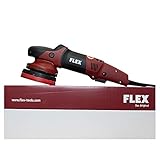
Overview: The Flex XCE 10-8 125 is a corded random orbital polisher engineered for professional use, emphasizing low heat generation and consistent performance. Designed for shop environments where uninterrupted power is essential, this tool focuses on delivering reliable results during extended polishing sessions.
What Makes It Stand Out: The low heat generation design prevents paint damage during intensive correction work, while the corded configuration ensures zero power fade. The “Signature Required” shipping indicates its professional-grade value and build quality. Its random orbital action provides safe, hologram-free finishing.
Value for Money: At $459, this corded polisher competes with premium cordless kits but offers infinite runtime and consistent power delivery. However, the lack of included accessories like backing plates or carrying cases reduces its out-of-the-box value compared to similarly priced alternatives.
Strengths and Weaknesses: Pros include consistent corded power, low heat generation preventing paint damage, reliable performance for extended use, and professional build quality. The corded design eliminates battery management concerns. Cons include restricted mobility, no included accessories, limited feature details, and reduced versatility compared to multi-function tools.
Bottom Line: Best suited for stationary shop use where continuous power trumps portability. Professional detailers with dedicated workspaces will appreciate its reliability, but mobile operators should consider cordless alternatives. Ensure budget for necessary accessories.
5. FLEX KOMPAKT 3 POLISHER

Overview: The FLEX KOMPAKT 3 is a compact, lightweight polisher designed for precision work on small surfaces and tight spaces. Weighing just 7 pounds, this tool excels at spot repairs, motorcycle detailing, and intricate areas where full-size polishers are unwieldy, making it an excellent complementary tool.
What Makes It Stand Out: The VR electronic control system with tachogenerator constant speed control ensures consistent performance, while the soft start and overload protection enhance user safety. The spindle lock facilitates quick pad changes, and the diminutive size allows access to challenging areas like door jambs, spoilers, and mirror housings.
Value for Money: At $169, this is the most accessible FLEX polisher, offering professional build quality at an entry-level price. It’s ideal for beginners, mobile detailers needing a spot repair tool, or professionals wanting a specialized compact unit without significant investment.
Strengths and Weaknesses: Pros include exceptional maneuverability, lightweight design, affordable price point, reliable electronic controls, and suitability for intricate work. The compact size reduces user fatigue during detail work. Cons include limited power for heavy correction, small throw unsuitable for large panels, lack of cordless convenience, and potential need for additional tools for complete jobs.
Bottom Line: Perfect for beginners, motorcycle detailers, or professionals seeking a specialized spot repair tool. The KOMPAKT 3 excels in tight spaces but should complement, not replace, a full-size polisher for comprehensive paint correction needs.
6. FLEX XC 3401 VRG Dual Action Gear Driven Orbital Polisher
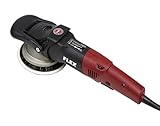
Overview: The FLEX XC 3401 VRG is a hybrid polisher that bridges the gap between rotary and dual-action machines. Its gear-driven orbital mechanism delivers rotary-like cutting power while maintaining DA safety, making it ideal for professional detailers tackling severe paint defects on modern ceramic clears.
What Makes It Stand Out: The ratchet and gear tooth design is revolutionary—unlike traditional free-spinning DA polishers, this system forces rotation even under pressure, preventing stall-out on curved panels. This translates to 30-40% faster correction on hard clears while virtually eliminating the risk of holograms or burn-through that rotary polishers pose for novices.
Value for Money: At $459, it sits between premium DA polishers ($300-400) and entry-level rotary machines. For professionals, the time saved on heavy corrections justifies the premium. Hobbyists may find it pricey, but it eliminates the need to buy separate rotary and DA units, effectively saving $200-300 in a multi-tool setup.
Strengths and Weaknesses: Pros: Forced rotation prevents stalling; excellent for severe defects; ergonomic design; cooler operation than rotary; safer for inexperienced users than rotary. Cons: Heavier than standard DAs; vibration more noticeable; not ideal for final finishing; premium price; requires technique adjustment from traditional DA users.
Bottom Line: The XC 3401 VRG is the ultimate problem-solver for serious detailers. If you regularly confront heavily swirled paint, this tool pays for itself in efficiency. For occasional users or those focused on maintenance polishing, a standard DA offers better value.
7. FLEX 24V Brushless Cordless Free Random Orbital Polisher Kit with (2) 5.0Ah Lithium Battery and 160W Fast Charger - FX3321-2C
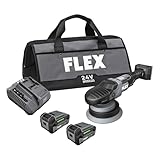
Overview: The FLEX 24V Cordless Orbital Polisher cuts the cord without sacrificing performance. This kit delivers professional-grade freedom of movement with two 5.0Ah batteries and a rapid 160W charger, making it ideal for mobile detailers and shop environments where outlets are scarce.
What Makes It Stand Out: FLEX’s THERMA-TECH battery management and constant speed technology maintain RPMs under load—a common failure point in cordless polishers. The inclusion of both 5" and 6" backing plates provides versatility for different panel sizes, while the dual-fan charger minimizes downtime between batteries.
Value for Money: At $575.65, this premium kit costs nearly double comparable corded units. However, mobile professionals save 15-20 minutes per vehicle without cord management, and the fast-charging system ensures continuous operation. For shop use, the value proposition is weaker unless outlet access is problematic.
Strengths and Weaknesses: Pros: True cordless freedom; constant speed under pressure; fast charging; reduced noise; vibration dampening; dual backing plates included. Cons: Premium pricing; battery life limitations on heavy cutting jobs; heavier than corded counterparts; long-term battery replacement costs.
Bottom Line: This is the best cordless orbital polisher available for professionals prioritizing mobility. The premium is justified for mobile operations but overkill for stationary shops. Hobbyists should stick with corded models unless budget is no concern.
8. FLEX 24V Brushless Cordless Rotary Polisher Kit with (2) 5.0Ah Lithium Battery and 160W Fast Charger - FX3311-2C
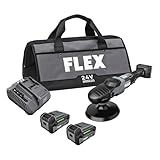
Overview: The FLEX 24V Cordless Rotary Polisher brings aggressive paint correction capabilities to cordless platforms. This kit targets experienced professionals who need rotary power without cord constraints, delivering sustained performance for heavy defect removal in mobile or crowded shop settings.
What Makes It Stand Out: Rotary polishers demand consistent RPMs to avoid holograms, and FLEX’s constant speed technology delivers precisely that under load. The THERMA-TECH system prevents battery overheating during extended heavy cutting sessions—a critical advantage over competitors that throttle power when hot.
Value for Money: At $615.01, it’s priced similarly to premium corded rotary polishers plus a generator setup for mobile use. For mobile professionals, eliminating generator fuel, noise, and maintenance costs provides ROI within 6-12 months. Stationary shops gain little value over a $400 corded rotary.
Strengths and Weaknesses: Pros: Sustained RPMs under pressure; excellent heat management; cordless convenience; reduced vibration; dual backing plates. Cons: Highest price in category; battery drain significant on heavy jobs; requires rotary experience; not suitable for beginners; battery longevity concerns.
Bottom Line: This tool excels for mobile professionals needing true rotary performance. The cordless freedom justifies the premium for that niche. However, stationary shops and novices should choose a corded rotary and invest the savings in training and pads.
9. The Clean Garage Flex PXE 80 Cordless Mini Nano Polisher Kit | Polish and 10 Pads

Overview: The FLEX PXE 80 Nano Polisher Kit is a specialized cordless system designed for intricate detailing work. This comprehensive package from The Clean Garage targets professionals needing precision on tight contours, edges, and complex body lines where full-size polishers cannot safely operate.
What Makes It Stand Out: The kit’s versatility is unmatched—three adapters and backing plates (1", 2", and 3") cover everything from A-pillars to door handles. Including premium RUPES pads and Sonax polish demonstrates exceptional curation, eliminating the guesswork of pad selection and saving $80-100 in separate purchases.
Value for Money: At $509, the PXE 80 commands a premium over basic mini polishers ($250-350). However, the complete package—including $150+ in quality pads/polish and two batteries—delivers immediate out-of-box functionality. For detailers offering high-end services, the ability to perfect intricate areas justifies the investment.
Strengths and Weaknesses: Pros: Comprehensive kit; cordless precision; multiple size options; premium pad inclusion; excellent for tight spots. Cons: Limited to spot work; battery life short on 1" pads; premium pricing; not a primary polisher; requires pad variety for full potential.
Bottom Line: This is the premier mini polisher system for professionals prioritizing perfection in hard-to-reach areas. The all-inclusive kit provides exceptional value for its target user. For general polishing needs, invest in a full-size unit first and add this later.
10. FLEX PE 14-2 150-Rotary Polisher
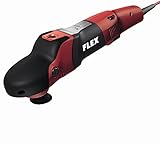
Overview: The FLEX PE 14-2 150 is a professional-grade corded rotary polisher built for aggressive paint correction. Its 1400-watt motor and advanced cooling system make it a workhorse for experienced detailers who demand consistent power for heavy defect removal on severely damaged finishes.
What Makes It Stand Out: The innovative gear combination reduces operational noise significantly compared to traditional rotary polishers—a major improvement for shop environments. The strategically placed spindle lock doesn’t interfere with grip, enhancing safety during pad changes. The efficient ventilator prevents overheating during extended cutting sessions.
Value for Money: At $459, it competes directly with premium rotary polishers from RUPES and Makita. The noise reduction and superior ergonomics justify the price over budget rotaries ($200-300) that lack durability. For professionals, the reduced fatigue and reliable performance deliver strong ROI.
Strengths and Weaknesses: Pros: Powerful 1400W motor; excellent heat management; quiet operation; ergonomic spindle lock; durable construction. Cons: Rotary requires experience; no variable speed on spec sheet (assumed but not stated); heavier than some competitors; premium price; not for beginners.
Bottom Line: The PE 14-2 150 is a top-tier rotary for seasoned professionals who prioritize durability and reduced noise. Its quality justifies the investment for heavy correction work. Novices should master dual-action polishers first before considering this powerful tool.
What Makes Flex Polishers Stand Out in the Car Care Industry
Flex has carved out a unique position in the detailing world by bridging the gap between aggressive cutting power and user-friendly operation. Unlike conventional polishers that force you to choose between performance and safety, Flex’s engineering philosophy centers on controlled paint removal that minimizes the risk of holograms, buffer trails, and burned edges.
The German-built tools incorporate forced rotation technology in many models, which prevents the pad from stalling on curved surfaces—a common frustration with free-spinning random orbital machines. This means when you’re working on complex body panels like rounded fenders or concave door sections, the tool maintains consistent motion and cutting ability without requiring excessive downward pressure that can lead to paint damage.
Understanding the Different Types of Flex Polishers
Before diving into specific features, it’s crucial to understand the three primary categories of Flex polishers available for automotive applications. Each type serves distinct purposes in the paint correction hierarchy, and many professional detailers eventually own multiple tools for different stages of the process.
Forced Rotation Dual Action Polishers
These represent Flex’s signature innovation, combining the safety of orbital motion with the power of forced rotation. The tool’s mechanism ensures the pad continues spinning even under load, making them ideal for moderate to heavy paint correction while maintaining a low risk profile. For car care enthusiasts tackling neglected daily drivers or preparing vehicles for ceramic coating, these machines offer the best balance of speed and safety.
Free-Spinning random orbital polishers
Flex’s traditional DA polishers operate like most consumer-grade orbital tools but with superior build quality and refined ergonomics. The pad spins freely based on friction and momentum, making them exceptionally safe for beginners working on thin or delicate clear coats. While they cut more slowly than forced rotation models, they excel at finishing work and applying protection products.
Rotary Polishers for Heavy Correction
For severe paint defects or experienced users, Flex’s rotary lineup provides direct-drive power without orbital movement. These tools demand respect and skill but can remove deep scratches and heavy oxidation that orbital machines simply cannot address. Modern Flex rotaries include enhanced safety features, but they still require proper training to avoid paint damage.
Key Features to Evaluate Before Investing
When comparing Flex polishers, several technical specifications directly impact your detailing results and user experience. Understanding these metrics helps you look beyond marketing claims and focus on what truly matters for your car care goals.
Motor Power and Torque Delivery
Don’t just look at amperage ratings—consider how the tool delivers power under load. A 10-amp motor that maintains consistent speed when polishing a horizontal roof panel demonstrates superior torque management compared to a higher-rated motor that bogs down. Flex’s premium models use electronic feedback systems that adjust power delivery in real-time, maintaining pad speed even when working on compound curves where pressure varies.
Electronic Speed Stabilization
This feature monitors and adjusts motor output hundreds of times per second, ensuring the pad speed you set is the speed you get, regardless of pressure or panel contour. For paint correction, consistency is everything—variable speed leads to uneven cutting, hazy finishes, and unpredictable results. When evaluating models, look for terms like “electronic management” or “constant speed control” in the specifications.
The Importance of Ergonomics in Professional Detailing
Professional detailers often spend 6-8 hours per day holding a polisher, making ergonomics more than just a comfort feature—it’s a career longevity consideration. Flex has invested heavily in human-centered design that reduces fatigue and improves control during extended polishing sessions.
Handle Configurations and Grip Options
Most Flex polishers offer multiple handle positions, including front grip, side handles, and even D-handle configurations. The ability to switch grip styles allows you to adapt to different panel angles and maintain neutral wrist positions. When test-fitting a tool, pay attention to how naturally your hand falls on the primary trigger and whether secondary handles align with your forearm angle when working on vertical panels like doors.
Weight Distribution and Balance
A well-balanced polisher feels lighter than its actual weight because the center of gravity sits directly over your hand. Flex models with rear-mounted motors and forward-positioned battery packs (on cordless versions) achieve this balance, reducing the strain on your wrist and shoulder during overhead work on hoods and roofs. Poor balance forces you to constantly fight the tool’s tendency to tilt or wander, leading to inconsistent pressure and premature fatigue.
Power and Performance Metrics That Matter
The numbers on the spec sheet tell only part of the story. Real-world performance depends on how Flex engineers translate electrical power into effective paint correction capability.
Amperage vs. Real-World Cutting Power
A 7.5-amp Flex polisher with optimized gear reduction and efficient motor design can outperform a generic 10-amp tool from another brand. The key lies in power transfer efficiency—how much electrical energy converts to actual pad rotation versus heat and vibration. Flex’s brushless motors in cordless models achieve efficiency ratings above 85%, meaning more of your battery’s charge goes into paint correction rather than wasted energy.
Overload Protection and Thermal Management
Quality polishers include thermal cutoffs that prevent motor damage during extended use, but the best implementations do so without abruptly stopping mid-pass. Flex’s advanced systems gradually reduce power while maintaining pad rotation, giving you a tactile warning to ease off before the tool shuts down completely. This prevents the jarring stops that can leave holograms or uneven spots in your finish.
Understanding Orbital Stroke Patterns
The stroke length—or throw—of an orbital polisher dramatically influences its cutting ability and finishing characteristics. Flex offers multiple stroke options across their lineup, each suited for different stages of paint correction.
Short Throw vs. Long Throw Mechanics
Short throw machines (typically 8mm or less) concentrate energy in a smaller area, making them aggressive cutters for their size. They excel at spot correction and working in tight areas around badges and trim. Long throw polishers (15mm to 21mm) spread the cutting action over a larger area, generating less heat per square inch and producing finer finishes. For full-vehicle corrections, many professionals use a long throw for compounding and a short throw for finishing.
The Physics of Paint Removal
Every orbital pass creates a series of microscopic scratches in the clear coat. Longer strokes overlap these scratches more frequently, creating a more uniform surface with less visible patterning. This is why a 21mm throw polisher can often achieve a more refined finish in fewer steps than its short-throw counterpart—though it requires more physical space to operate effectively.
Variable Speed Control: Why Precision Matters
Modern clear coats vary dramatically in hardness and thickness, requiring speed adjustments not just between vehicles, but sometimes between panels on the same car. Flex’s stepless speed dials and digital displays give you granular control that translates to better results.
Speed Range Sweet Spots for Different Tasks
While most polishers advertise 1,500-6,800 OPM (orbits per minute), the usable range is narrower. For applying waxes and sealants, 1,500-2,500 OPM prevents product sling and ensures even coverage. Compounding typically works best at 4,000-5,000 OPM on most clear coats, while finishing polishes perform optimally around 3,000-4,000 OPM. Flex’s precise control lets you hit these targets consistently rather than approximating with broad speed settings.
Digital vs. Analog Speed Selection
Digital displays provide exact speed readouts, which is invaluable when documenting processes for customer vehicles or replicating successful combinations on similar paint systems. Analog dials offer tactile feedback and simplicity, often preferred by veterans who set speed by feel and sound. Consider your workflow—if you take detailed notes on each job, digital helps; if you work intuitively, analog suffices.
The Role of Weight Distribution in User Fatigue
A polisher’s weight affects not just comfort but also the quality of your paint correction. Heavier tools can generate more cutting power through momentum, but only if you can control them precisely throughout a full day of detailing.
Battery Placement in Cordless Models
Flex’s cordless polishers position batteries low and rearward, counterbalancing the head’s weight and creating a pendulum effect that actually stabilizes the tool on horizontal surfaces. This design choice prevents the front-heavy feel that plagues many cordless tools, where the battery mounts above the motor. When evaluating cordless options, hold the tool at a 45-degree angle—this simulates working on a hood and reveals any balance issues.
Composite Materials and Weight Reduction
Premium Flex models use reinforced composites in non-critical areas to shave ounces without sacrificing durability. Every gram removed from the head assembly reduces the inertia you must control when lifting the tool or working on vertical panels. However, be wary of ultralight tools that achieve weight reduction through smaller motors—Flex’s engineering maintains power while optimizing weight, not compromising it.
Corded vs. Cordless Flex Polishers: Making the Right Choice
The cordless revolution has reached the detailing world, but both power sources offer distinct advantages depending on your working environment and preferences. Understanding the tradeoffs helps you invest wisely rather than following trends.
Runtime and Power Consistency in Cordless Models
Modern Flex cordless polishers using 18V battery platforms deliver 45-60 minutes of continuous runtime at moderate speeds—sufficient for a two-step correction on a sedan. More importantly, they maintain consistent power output throughout the discharge cycle, avoiding the gradual slowdown that plagued early cordless tools. For mobile detailers or those working in expansive shops where outlets are scarce, this freedom transforms workflow efficiency.
Cord Management and Work Area Safety
Corded models eliminate battery swap interruptions and provide unlimited runtime, but require careful cord management to prevent dragging the cable through dirt or creating tripping hazards. Flex’s corded polishers feature robust strain relief and swivel connections that prevent cord kinking, but you’ll still need to practice proper technique—looping the cord over your shoulder or using a ceiling-mounted retractor system to keep it off the ground and away from the vehicle’s surface.
Backing Plate Compatibility and Options
The backing plate is your direct connection to the polishing pad, and its design significantly influences vibration, heat transfer, and pad longevity. Flex polishers use standardized threading, but not all backing plates perform equally.
Weight and Vibration Dampening
High-quality backing plates feature integrated damping rings or composite construction that absorbs vibration before it reaches your hands. This becomes critical during all-day sessions where cumulative vibration exposure causes hand-arm vibration syndrome (HAVS) in professional detailers. Flex’s OEM backing plates are engineered to match specific model weights and balance points, while aftermarket options may shift the tool’s center of gravity unpredictably.
Thread Size and Attachment Security
All Flex polishers use 5/16"-24 threading, the industry standard for DA machines. However, thread engagement depth varies between models. When selecting aftermarket backing plates, ensure the threaded insert protrudes at least 3/8" into the tool’s spindle—shallower engagement risks cross-threading and can cause the plate to wobble or detach during operation. This is especially important with heavy foam pads that generate significant centrifugal force at high speeds.
Vibration Reduction Technology Explained
Excessive vibration doesn’t just cause discomfort—it reduces precision and can lead to uneven paint removal. Flex employs multiple engineering strategies to minimize vibration at its source rather than simply dampening it after the fact.
Counterbalance Systems and Precision Machining
Inside the tool, Flex uses dynamically balanced counterweights that offset the eccentric motion of the orbital mechanism. These weights are precisely matched to the tool’s stroke length and maximum operating speed, reducing vibration by up to 40% compared to unbalanced designs. The machining tolerances on the orbital bearing and offset weight are measured in microns, ensuring smooth operation that you’ll feel immediately when picking up the tool.
Isolation Mounts and Grip Design
The motor assembly in premium Flex models mounts to the housing via rubber isolation dampeners that absorb high-frequency vibrations before they reach your hands. Combined with overmolded grips featuring gel inserts, this creates a multi-stage vibration reduction system. When testing a polisher, run it at maximum speed without a pad—if you feel significant buzzing in your fingertips, the isolation system is inadequate for extended professional use.
Safety Features That Protect Your Paint and Yourself
Professional-grade tools include safeguards that prevent costly mistakes, whether you’re working on a $100,000 luxury vehicle or your own daily driver. Flex integrates several layers of protection that respond faster than human reflexes.
Soft-Start and Ramp-Up Control
Flex polishers feature soft-start electronics that prevent the tool from jumping to full speed the moment you pull the trigger. This eliminates the risk of sling-shotting compound across the vehicle or digging into the paint with a stationary pad. The ramp-up typically takes 1-2 seconds, giving you time to position the tool and apply appropriate pressure before full power engages. This feature also reduces initial current draw, preventing circuit breaker trips when using multiple tools on the same electrical circuit.
Overload and Thermal Protection
Should the tool bind or overheat, Flex’s protection systems cut power before permanent motor damage occurs. More importantly, they do so with a gradual power reduction rather than an abrupt stop, preventing the pad from leaving a stalled mark on the paint. The thermal protection monitors both motor windings and gearbox temperature, shutting down the tool if internal temperatures exceed safe operating limits—typically after 20-30 minutes of continuous heavy compounding.
Maintenance Tips for Longevity
A Flex polisher represents a significant investment, but proper maintenance can extend its service life to a decade or more of professional use. The sealed construction requires minimal upkeep, but attention to a few key areas prevents premature wear and maintains performance.
Gearbox Lubrication and Inspection
While Flex gearboxes are sealed and “lubricated for life,” the grease breaks down over time, especially in high-heat environments. Every 12-18 months, or after approximately 500 hours of use, have a qualified service center inspect and replace the gearbox grease. Signs of depleted lubrication include increased noise, vibration, or a slight grinding sensation during operation. Attempting to disassemble the gearbox yourself voids warranties and risks improper reassembly.
Carbon Brush Replacement in Corded Models
Brush motors require periodic brush replacement—typically every 200-300 hours of use. Flex designs their brushes with wear indicators: when the colored wear ring becomes visible through the inspection port, it’s time for replacement. Running a tool with worn brushes damages the commutator, leading to costly repairs. The replacement process takes 10 minutes with basic tools, but ensure you use genuine Flex brushes with the correct spring tension and carbon composition.
Common Mistakes to Avoid When Using Flex Polishers
Even the finest tool produces subpar results in untrained hands. Understanding these common pitfalls helps you maximize your Flex polisher’s capabilities while protecting your vehicle’s finish.
Excessive Pressure and Pad Stalling
The most frequent error involves applying too much downward force, believing it increases cutting speed. In reality, excessive pressure deforms the pad, reduces orbital action, and generates heat that can soften clear coat unevenly. With Flex’s forced rotation models, let the tool’s weight provide most of the pressure, supplementing with just 5-10 pounds of additional force. The pad should rotate smoothly and evenly—if you hear the motor laboring or see the pad slow significantly, you’re pressing too hard.
Incorrect Speed Selection for Paint Types
Modern automotive clear coats range from soft Japanese formulas that correct easily to hard German ceramic-infused finishes that resist abrasion. Using maximum speed on soft paint generates excessive heat and creates micromarring, while too-slow speeds on hard paint lead to ineffective correction and wasted time. Start with a test spot at moderate speed (4,000 OPM), inspect your results, then adjust speed in 500 OPM increments until you find the sweet spot where the compound breaks down properly without generating excessive heat.
Frequently Asked Questions
What’s the learning curve like when switching from a standard DA to a Flex forced rotation polisher?
Most users adapt within 2-3 vehicles. The forced rotation feels more aggressive initially, but the tool’s stability actually makes it easier to maintain consistent technique. Start with a finishing polish on a test panel to understand the tool’s feedback before progressing to compounding.
Can I use Flex polishers for applying ceramic coatings, or are they only for paint correction?
Flex polishers excel at ceramic coating application when used with a soft finishing pad at low speeds (1,500-2,000 OPM). The controlled motion ensures even product distribution without generating the heat that can cause some coatings to flash prematurely.
How do I know if my vehicle’s paint is too thin for a Flex rotary polisher?
Use a paint thickness gauge. If readings are below 80 microns on any panel, rotary correction carries high risk. For thin or compromised clear coats, stick with Flex’s forced rotation DA models using a 3mm finishing pad and light pressure.
What’s the difference between Flex’s 8mm and 15mm throw polishers in real-world use?
The 8mm throw cuts more aggressively in small areas, ideal for severe defects and tight body lines. The 15mm throw covers more ground with less heat buildup, making it better for large flat panels and softer clear coats. Many professionals own both for different correction stages.
Do cordless Flex polishers have enough power for heavy paint correction?
Modern 18V cordless models match corded performance for most applications, delivering 60+ minutes of runtime. They’re ideal for mobile detailers, but corded versions still hold an edge for all-day heavy compounding sessions where battery swaps would interrupt workflow.
How often should I replace the backing plate on my Flex polisher?
Inspect monthly for cracked rubber, loose threads, or excessive wobble. Replace immediately if the plate shows damage. With normal use, expect 12-18 months of professional service. Always use thread locker during installation and check tightness before each session.
What’s the ideal pad size for a Flex long-throw polisher?
Match the pad diameter to the throw length—use 6" pads on 15mm throw machines and 5" pads on 21mm models. Oversized pads reduce orbital effectiveness and increase vibration, while undersized pads wear unevenly and generate excessive heat at the edges.
Can Flex polishers remove deep scratches that catch your fingernail?
If you can feel the scratch with your fingernail, it extends into the base coat or deeper. No polisher can remove it completely without compromising clear coat thickness. Flex tools can minimize its appearance by leveling surrounding clear coat, but true removal requires touch-up paint or professional respraying.
Why does my Flex polisher seem to vibrate more with certain pads?
Vibration increases with unbalanced or worn pads, or when using aggressive cutting pads on high speeds. Ensure pads are centered perfectly on the backing plate and replace foam pads that have compressed unevenly. Also verify you’re using the correct backing plate weight for your specific model.
Is it worth buying a Flex polisher for personal use on just one or two vehicles?
For enthusiasts committed to maintaining their vehicles’ appearance long-term, a Flex polisher pays for itself after 3-4 detail sessions compared to professional detailing costs. The tool’s durability means it will last decades with hobbyist use, and the superior results versus consumer-grade polishers justify the initial investment for most car care fanatics.