That bottle of brake cleaner on your workbench? It can cause permanent corneal damage in under two seconds. The degreaser you use on your engine bay? Its mist can linger in the air long after you’ve sprayed, ready to wreak havoc on unprotected eyes. For car care enthusiasts and professional detailers alike, the garage represents a chemical battlefield where splash goggles aren’t just recommended—they’re as essential as your socket set. Yet most DIY mechanics still reach for safety glasses that offer about as much protection against chemical splashes as a screen door does against a hurricane.
The reality is simple: automotive chemicals are specifically formulated to break down stubborn grease, etch metal, and strip paint. Your eyes don’t stand a chance without proper protection. This comprehensive guide dives deep into what makes chemical splash goggles genuinely effective for car care applications, cutting through marketing fluff to focus on the features, certifications, and design elements that matter when you’re spraying carburetor cleaner or mixing two-stage paint.
Top 10 Chemical Splash Goggles
Detailed Product Reviews
1. 3M Goggle Chemical Splash, Impact-Resistant, Blocks 99.9% of UV, Scratch Resistant, Adjustable Strap, Indirect Ventilation, Flexible Frame Conforms To Face For Secure & Protective Fit (91252H1-DC-10)

Overview: The 3M 91252H1-DC-10 delivers fundamental eye protection against chemical splashes, impact hazards, and UV radiation at a budget-friendly price point. Its one-piece lens design eliminates potential failure points while the flexible frame conforms to various face shapes for a secure seal. The adjustable polyester/cotton/nylon strap and indirect ventilation system make it practical for light industrial work, DIY projects, and educational labs where cost-effective safety gear is essential. This model prioritizes core protection over advanced features, making it ideal for occasional users who need dependable coverage without complexity.
What Makes It Stand Out: The 3M brand reputation provides confidence in manufacturing quality and safety consistency. The indirect ventilation system is a premium feature uncommon in sub-$5 goggles, effectively reducing fog while blocking liquid entry. The flexible frame accommodates facial contours without creating pressure points during extended wear. The scratch-resistant coating maintains visual clarity longer than uncoated alternatives, reducing replacement frequency and ensuring consistent visibility throughout the product’s lifespan.
Value for Money: At $4.39, this goggle offers exceptional access to 3M’s quality control and engineering. While lacking explicit ANSI certification, the brand’s standards typically exceed generic alternatives at similar prices. For occasional users, schools outfitting classrooms, or businesses buying in bulk, it provides trustworthy protection without financial strain, making it a smart economical choice for non-regulated environments where brand reliability matters.
Strengths and Weaknesses: Strengths include trusted brand heritage, effective UV blocking, comfortable flexible fit, and smart ventilation design. Weaknesses involve unspecified safety rating, basic anti-fog performance, and blended strap material that may degrade faster than pure elastic. The minimalist design lacks the robustness needed for heavy industrial environments requiring certified protection and may not withstand harsh chemical exposure over time.
Bottom Line: Perfect for light-duty applications where brand reliability matters more than advanced certifications. Home users, students, and hobbyists will appreciate the balance of 3M quality and affordability. It’s a no-frills solution that covers essential eye protection needs effectively without unnecessary complexity, making it ideal for workshops and classroom labs.
2. Super More Anti-Fog Protective Safety Goggles Clear Lens Wide-Vision Adjustable Chemical Splash Eye Protection Soft Lightweight Eyewear

Overview: The Super More Anti-Fog goggles position themselves as a mid-tier solution emphasizing visual clarity and wearer comfort. The wide-vision polycarbonate lens protects against chemical splashes and impacts while blocking UV radiation. The soft PVC frame and adjustable headband target users who prioritize comfort during prolonged use in labs, workshops, or home environments. The anti-fog and anti-scratch coatings address common complaints about visibility and durability, making them suitable for detailed work requiring clear vision and extended wear without discomfort.
What Makes It Stand Out: The dual anti-fog/anti-scratch coating represents a significant upgrade over basic models, maintaining clear vision in humid conditions. The wide-vision design expands peripheral awareness, crucial for collaborative workspaces. The lightweight, bendable PVC frame delivers exceptional comfort without sacrificing protection. The polycarbonate lens material offers superior optical clarity compared to standard plastic, reducing eye strain during precision tasks and improving overall safety through better visual acuity.
Value for Money: At $9.99, these goggles sit in the middle price range, justifying cost through enhanced coatings and ergonomic design. While nearly double basic models, the anti-fog performance prevents costly work interruptions. For professionals wearing goggles daily, this premium eliminates frustration and improves productivity. The investment pays dividends in comfort and clarity, making it worthwhile over cheaper, fog-prone alternatives that require constant removal and cleaning during critical tasks.
Strengths and Weaknesses: Strengths include excellent anti-fog/anti-scratch coatings, comfortable soft frame, wide field of view, and effective UV protection. Weaknesses involve a lesser-known brand reputation, potentially shorter lifespan than industrial-grade options, and limited ventilation features. The PVC material may not withstand harsh chemical exposure as well as rubber alternatives, limiting suitability for heavy industrial use where chemical resistance is paramount.
Bottom Line: Recommended for users battling fogging issues and seeking comfortable extended wear. The optical clarity and comfort features make it perfect for detailed lab work, classroom instruction, and home projects where vision quality directly impacts results and safety. It’s a practical upgrade from basic goggles for those who value performance over brand name alone.
3. keebomed Chemical Splash/Impact Safety Goggle, Soft, Adjustable 1 -Pack. Anti-Fog Protection, Clear Lens, Wide-Vision, Adjustable Chemical Splash Eye Protection Soft Lightweight Eyewear

Overview: The keebomed chemical splash goggle delivers essential safety features in a no-frills package at an accessible price point. Designed for single users needing basic protection, this goggle combines anti-fog coating, UV protection, and impact resistance in a soft, flexible plastic frame. The adjustable strap ensures compatibility with various head sizes, making it suitable for light laboratory work, home DIY projects, and educational settings where straightforward protection is the primary requirement without complex adjustments or premium pricing.
What Makes It Stand Out: This model democratizes anti-fog technology, bringing it to the sub-$6 category where it’s often omitted. The soft, flexible plastic construction prioritizes immediate comfort without a break-in period. Its simplicity is its strength—no proprietary parts to replace. The clear lens maintains natural color perception, important for tasks requiring accurate visual assessment. The lightweight design reduces neck fatigue during extended sessions, making it practical for all-day wear in moderate environments.
Value for Money: At $5.99, the keebomed goggle competes directly with entry-level options while adding anti-fog and UV features typically reserved for pricier models. For individual users or small labs buying single units, it avoids bulk purchase requirements. However, the unknown brand longevity and absence of ANSI certification may give safety managers pause when compared to similarly priced 3M alternatives that offer brand recognition and implied quality standards for regulated environments.
Strengths and Weaknesses: Strengths include affordable anti-fog technology, comfortable soft material, UV protection, and lightweight design. Weaknesses encompass uncertain durability, lack of recognized safety certification, generic construction quality, and limited ventilation features. The plastic components may become brittle with age or chemical exposure, potentially compromising protection over time and requiring more frequent replacement than certified alternatives.
Bottom Line: A solid choice for budget-minded individuals prioritizing anti-fog performance. While not ideal for regulated industrial environments, it serves students, hobbyists, and home users well. Consider it a functional disposable option for moderate-use scenarios where certification isn’t mandatory but basic protection is needed for peace of mind.
4. OXG 6 Pack Protective Safety Goggles Anti-Fog, Adjustable Chemical Splash Eye Protection Science Lab Goggles for Women Men (clear)

Overview: The OXG 6-Pack delivers industrial-grade protection in a bulk format designed for families, classrooms, or worksite teams. Each pair features ANSI Z87 certified polycarbonate lenses with double-layer anti-fog coating and scratch resistance. The wraparound PVC frames provide comprehensive coverage while hidden vents block liquids and particulates. This package addresses the need for multiple sets of reliable eye protection without sacrificing individual pair quality, making it ideal for group settings where consistent safety standards are required across multiple users.
What Makes It Stand Out: The six-pair value proposition drops per-unit cost to approximately $3.20, making certified protection accessible at budget prices. ANSI Z87 compliance ensures legitimate impact resistance for true industrial applications. The double anti-fog coating performs better than single-layer alternatives in challenging environments. Compatibility with respirators and earmuffs demonstrates thoughtful design for integrated safety systems. The hidden vent system offers superior liquid protection compared to direct vent designs found on cheaper models.
Value for Money: At $19.19 total, this pack redefines value for groups. Purchasing six individual certified goggles would typically cost $30-60. The per-pair price rivals disposable options while delivering reusable durability. For schools, small contractors, or large families, the economics are compelling. The versatility across applications—from labs to landscaping—maximizes utility and reduces the need for specialized eyewear, making it a versatile investment that covers diverse safety needs.
Strengths and Weaknesses: Strengths include exceptional bulk pricing, ANSI certification, robust anti-fog system, wide compatibility, and comprehensive face coverage. Weaknesses involve potential quality variance across six units, PVC frame durability concerns, and over-purchase for solo users. The one-size approach may not fit all faces optimally, potentially leaving gaps on smaller or larger individuals and compromising protection for extreme head sizes.
Bottom Line: The smartest buy for anyone needing multiple pairs of certified goggles. Teachers, contractors, and safety coordinators get legitimate protection at unbeatable per-unit cost. Individual users should consider storage needs, but the value is undeniable for group settings where consistent, certified eye protection is required by safety protocols.
5. 3M Goggle Chemical Splash, Impact-Resistant Lens, Blocks 99.9% of UV, Comfortable Elastic Headband, Vents Designed To Help Reduce Fogging, Provides A Secure & Personalized Fit (93506P1-DC)

Overview: The 3M 93506P1-DC represents the brand’s upgraded single-pair offering, balancing enhanced features with moderate pricing. This goggle meets ANSI Z87.1-2003 standards while maintaining 99.9% UV blocking and impact resistance. The oversized lens thickness provides additional durability, and vented design reduces fogging. The comfortable elastic headband and plastic frame construction target users needing certified protection without the premium cost of 3M’s professional series, making it workplace-ready for compliance-driven environments.
What Makes It Stand Out: ANSI certification distinguishes this from 3M’s budget line, ensuring tested impact resistance for workplace compliance. The oversized lens thickness adds confidence in durability without excessive weight. Vents specifically engineered for fog reduction demonstrate attention to user experience. The 3M brand backing provides reliability assurance that generic certified products cannot match. The elastic headband material offers better longevity than fabric blends and maintains tension through repeated use and cleaning.
Value for Money: At $5.98, it costs only slightly more than the basic 3M model while adding ANSI certification—a critical requirement for many employers. This marginal price increase unlocks workplace acceptance and potential insurance compliance. Compared to other certified goggles at $8-15, it maintains 3M’s quality reputation at a competitive price. The durability reduces replacement frequency, improving long-term value for safety-conscious buyers who need both compliance and reliability.
Strengths and Weaknesses: Strengths include ANSI Z87.1-2003 compliance, trusted 3M manufacturing, effective ventilation, UV protection, and durable elastic strap. Weaknesses involve a rigid plastic frame that may seal less effectively than flexible alternatives, basic anti-fog performance, and minimal cushioning. The design prioritizes certification over comfort features, potentially causing pressure points during extended wear and limiting its appeal for all-day use.
Bottom Line: The optimal choice for safety managers and workers requiring certified protection at a reasonable price. It meets workplace standards while maintaining 3M’s reliability reputation. For compliance-driven environments, the ANSI rating justifies the small premium over non-certified options, making it a professional-grade solution for industrial and laboratory settings where regulations mandate certified equipment.
6. Honmein 2-Pack Safety Goggles, Anti-Fog Lab Goggles, Over Glasses Safety Glasses for Chemistry Lab, Mowing, Woodworking, Painting, Construction, Industrial Use

Overview: The Honmein 2-Pack Safety Goggles deliver essential eye protection at an unbeatable price point. These versatile goggles feature anti-fog and anti-splash polycarbonate lenses with a spacious design that comfortably fits over prescription eyewear, making them suitable for chemistry labs, woodworking, construction, and general DIY tasks.
What Makes It Stand Out: The two-pack configuration offers exceptional value, providing backup protection or allowing two users to work simultaneously. The specialized anti-fog coating maintains clarity in humid conditions, while the PVC soft frames and adjustable headband create a customizable, comfortable seal. Their multi-purpose design transitions seamlessly between laboratory settings and outdoor chores like mowing.
Value for Money: At under $10 for two pairs, these goggles represent one of the best budget options available. While premium brands charge $20-30 for similar features, Honmein provides ANSI-level protection (though certification isn’t explicitly stated) for less than $5 per unit, making them ideal for occasional users, students, or homeowners who need reliable protection without significant investment.
Strengths and Weaknesses: Strengths include the unbeatable price-for-quantity ratio, effective over-glasses compatibility, and versatile application range. The anti-fog coating performs adequately for light to moderate use. Weaknesses involve the PVC construction, which may degrade faster than premium TPR materials, and the lack of explicit ANSI certification documentation. The adjustable strap may also loosen during extended wear.
Bottom Line: These goggles excel for budget-conscious buyers needing occasional eye protection. While not built for daily professional use, they offer sufficient protection for DIY projects, lab work, and household tasks where prescription eyewear must be worn underneath.
7. NoCry Safety Goggles Over Glasses with Extreme Impact Resistance — ANSI Z87.1 Certified Eye Protection with Anti-Fog, Anti-Scratch and UV380 Lenses — Adjustable Strap — Ideal for the Chemistry Lab

Overview: The NoCry Safety Goggles represent premium eye protection designed specifically for glasses wearers who refuse to compromise on safety. These ANSI Z87.1 certified goggles provide extreme impact resistance up to 260 mph while delivering crystal-clear vision through advanced anti-fog and anti-scratch coatings.
What Makes It Stand Out: NoCry’s lifetime warranty demonstrates exceptional confidence in product durability. The unique angled ventilation system actively minimizes fogging by promoting airflow while maintaining splash protection. Compatibility with the NoCry 6X3F face shield creates a comprehensive full-face protection system for high-risk environments. The wraparound design ensures peripheral vision remains unobstructed.
Value for Money: At $25.99, these goggles command a premium price but justify it through professional-grade features and lifetime replacement guarantee. Competing brands with similar certifications and coatings typically range $20-35 without warranty coverage, making NoCry an intelligent long-term investment for regular users.
Strengths and Weaknesses: Strengths include certified impact resistance, triple-coating protection (anti-fog/anti-scratch/UV380), superior comfort for all-day wear, and the transferable lifetime warranty. The TPR seal effectively blocks dust and debris. Weaknesses center on the higher upfront cost and potential over-engineering for casual users. The bulkier design may feel excessive for simple household tasks.
Bottom Line: For professionals, serious DIY enthusiasts, or anyone requiring daily eye protection over prescription glasses, these goggles deliver unmatched value. The lifetime warranty eliminates replacement concerns, making them the most cost-effective choice for long-term, frequent use despite the initial investment.
8. UKNOW Safety Goggles Over Glasses - Anti-Fog Clear Lens - ANSI Z87.1 Certified Eye Protection for Lab Work, Industrial Use

Overview: UKNOW Safety Goggles bridge the gap between budget and premium options, offering ANSI Z87.1 certified protection with thoughtful design elements. These over-glasses goggles feature hydrophilic anti-fog technology that actively absorbs moisture, ensuring clear vision during demanding lab work, industrial tasks, or outdoor activities.
What Makes It Stand Out: The hydrophilic anti-fog coating represents advanced technology rarely found in this price range, eliminating fog more efficiently than standard coatings. Strategic ventilation ports promote airflow without compromising splash protection, addressing a common weakness in sealed goggles. The versatile design functions both as over-glasses protection and standalone safety glasses.
Value for Money: Priced at $14.98, these goggles offer certified protection and premium features at roughly half the cost of high-end alternatives. They deliver 80% of premium performance for 60% of the price, making them ideal for regular users who need reliable, certified protection without professional-grade overinvestment.
Strengths and Weaknesses: Strengths include legitimate ANSI certification, effective anti-fog performance, comfortable adjustable strap, and dual-mode wearability. The ventilation system successfully reduces moisture buildup. Weaknesses involve UKNOW’s lesser-known brand reputation compared to industry giants, potentially raising durability questions. The over-glasses fit may be tight for larger frames, and the warranty terms are less generous than premium competitors.
Bottom Line: These goggles excel as a mid-range sweet spot for students, hobbyists, and semi-professional users. They provide certified protection with advanced anti-fog technology at a reasonable price, making them a smart choice for anyone needing reliable eye safety several times per week.
9. Neiko Pro 53875B Clear Protective Lab Safety Goggles, Chemistry Lab Goggles, Scientific, Construction Goggles, Contractor, Woodworking, Anti-Fog and Splash, Includes Indirect Vent for Men and Women

Overview: The Neiko Pro 53875B delivers focused protection for chemistry labs and construction sites at an entry-level price point. These ANSI-approved goggles feature a dual-injected flexible rubber design that conforms to facial contours, providing reliable barrier protection against chemical splashes, dust, and flying debris in demanding work environments.
What Makes It Stand Out: The lightweight yet robust construction emphasizes extended wear comfort without sacrificing protection. The flexible rubber lining creates an effective seal while remaining gentle on skin during long sessions. Their explicit suitability for diverse fields—from medical settings to woodworking—demonstrates versatile engineering. The waterproof design adds utility for wet conditions.
Value for Money: At $9.88 for a single pair, Neiko positions itself as a budget-friendly certified option. While not the cheapest per-unit (some 2-packs cost similar), the build quality and ANSI approval provide professional credibility at a fraction of typical professional pricing, which often exceeds $20 for comparable specifications.
Strengths and Weaknesses: Strengths include genuine ANSI certification, superior comfort from dual-injected rubber, lightweight all-day wearability, and broad application versatility. The indirect vent design balances fog control with splash protection. Weaknesses include the single-unit packaging (unlike value multi-packs), basic anti-fog performance compared to premium coatings, and limited brand recognition in safety equipment. The styling is purely functional.
Bottom Line: These goggles serve as an excellent entry-level option for users needing certified protection for specific tasks. Ideal for chemistry students, occasional contractors, or workshop hobbyists, they deliver professional baseline safety without unnecessary frills or expense.
10. DEWALT DPG82-11 Concealer Clear Anti-Fog Dual Mold Safety Goggle, Clear Lens, 1 Pair
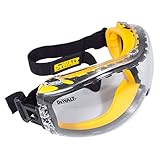
Overview: The DEWALT DPG82-11 Concealer Safety Goggle leverages the brand’s legendary job site credibility in a streamlined, effective design. These goggles feature DEWALT’s proprietary ToughCoat scratch-resistant layer paired with a robust anti-fog treatment, ensuring durable optical clarity in dusty, humid environments typical of construction and woodworking applications.
What Makes It Stand Out: DEWALT’s reputation for job site toughness translates into reliable, no-nonsense protection trusted by professionals. The dual-mold construction integrates soft rubber directly into the frame, creating a seamless, comfortable seal without separate components that can fail. Ventilation channels are engineered to maximize breathability while maintaining dust and debris protection.
Value for Money: At $11.95, these goggles occupy a sweet spot between budget unknowns and premium specialists. You’re paying primarily for DEWALT’s quality control and brand reliability rather than advanced features like UV protection or lifetime warranties, making them a prudent choice for users who trust established names.
Strengths and Weaknesses: Strengths include proven brand reliability, effective anti-fog/scratch coatings, comfortable dual-mold fit, and purpose-built job site design. The adjustable cloth strap provides secure positioning. Weaknesses include lack of explicit ANSI certification mention (though implied by DEWALT standards), no over-glasses specialization, and single-unit packaging. They lack premium features like UV protection or face shield compatibility.
Bottom Line: For construction workers, woodworkers, and DIYers who prioritize brand trustworthiness and proven job site performance, these goggles deliver reliable protection at a fair price. They represent a safe, middle-ground choice from a manufacturer with decades of professional equipment expertise.
Why Chemical Splash Goggles Are Non-Negotiable for Car Care Enthusiasts
Your garage houses a more diverse chemical arsenal than most industrial labs. From sulfuric acid in battery electrolyte to methylene chloride in paint stripper, these substances are engineered to attack organic matter—which includes the delicate tissues of your eyes. Unlike standard safety glasses that leave gaps around the perimeter, true chemical splash goggles create a sealed barrier that prevents liquids and vapors from reaching your eyes from any angle.
The Hidden Dangers Lurking in Your Garage
Consider the pressurized spray pattern of a brake cleaner can. That fine aerosolized mist doesn’t just go where you aim it—it billows, drifts, and settles in unpredictable ways. Battery maintenance presents another scenario where sulfuric acid can projectile-spray during disconnections. Even seemingly benign tasks like mixing car wash soap concentrates can expose you to surfactants that cause severe ocular irritation. The common denominator? These hazards approach your eyes from the sides, bottom, and top—vectors that standard safety glasses simply don’t protect against.
Real-World Consequences of Chemical Eye Injuries
Automotive chemical burns can cause immediate damage to the corneal epithelium, leading to scarring, vision loss, or complete blindness. Hydrofluoric acid from some wheel cleaners can penetrate deep into eye tissue, causing necrosis. Alkaline substances like sodium hydroxide in heavy-duty degreasers saponify cell membranes, creating catastrophic tissue destruction. The medical treatment isn’t just painful—it’s expensive, often requiring emergency irrigation, steroid treatments, and sometimes surgical intervention. A quality pair of chemical splash goggles costing less than a good torque wrench can prevent a lifetime of regret.
Understanding ANSI Z87.1: The Gold Standard for Eye Protection
The American National Standards Institute (ANSI) Z87.1 certification isn’t just another sticker on the packaging—it’s your guarantee that the eyewear has undergone rigorous testing for impact resistance, coverage area, and optical clarity. For automotive work, this certification is non-negotiable. It ensures the goggles can withstand a 6.35mm steel ball fired at 150 feet per second without penetration or shattering.
Decoding the Markings on Your Safety Goggles
Look for specific markings molded into the frame or lens. “Z87+” indicates high-impact protection, while “D3” marks splash protection specifically. The combination “Z87+ D3” is what you want for automotive chemical work. Some models also carry “D4” for dust protection—valuable when sanding or working in engine bays. The marking must be permanent; printed labels that can wear off don’t meet the standard.
Why Z87+ Is Your Minimum Benchmark
That plus sign matters enormously. Standard Z87 (without the plus) only protects against basic impact. The Z87+ rating means the lens survived high-mass and high-velocity impact tests. When you’re hammering near a brake fluid reservoir or grinding near a parts washer, that enhanced protection could be the difference between a close call and a trip to the ER. For car care applications, always demand Z87+ as your baseline.
Key Features That Separate Premium Goggles from Basic Protection
Beyond basic certification, advanced features transform goggles from simple barriers into sophisticated protective equipment that you’ll actually want to wear. The difference between $15 and $45 goggles often determines whether they end up on your face or collecting dust on a shelf.
Anti-Fog Technology: Clarity When It Matters Most
Working in a humid garage during summer detailing sessions creates a perfect storm for lens fogging. Premium goggles employ dual-pane thermal lenses or advanced hydrophilic coatings that absorb moisture before it can condense. Some use electric-powered ventilation systems for extreme conditions. Look for goggles that specify “anti-fog” rather than “fog-resistant”—the former meets specific ASTM standards for fog prevention, maintaining optical clarity for at least 8 seconds when exposed to moisture.
Ventilation Systems: Balancing Protection and Comfort
Direct vent goggles offer superior airflow but fail at chemical splash protection—they’re essentially safety glasses with side shields. For automotive chemicals, you need indirect venting: channels that allow air circulation while forcing any liquid to travel a tortuous path that prevents entry. Some high-end models feature adjustable venting you can open for comfort during low-risk tasks and close for maximum protection during chemical spraying.
UV Protection: Beyond Chemical Splashes
Many car care tasks happen outdoors—compounding paint, applying ceramic coatings, or using spray wax. Quality chemical splash goggles include 99.9% UV protection, blocking both UVA and UVB rays. This eliminates the temptation to switch to sunglasses for outdoor work, maintaining consistent protection regardless of location. The UV protection is embedded in the lens material, not a coating that can wear off.
Scratch-Resistant Coatings: Longevity in Harsh Environments
Your garage is an abrasive environment. Polishing compound dust, metal filings, and cleaning rag debris can quickly render uncoated lenses unusable. Premium hardcoat treatments increase surface hardness to 6H or higher on the pencil hardness scale, resisting scratches that would cloud vision and compromise safety. This treatment is particularly crucial when you store goggles loose in a toolbox rather than in a protective case.
Frame Design and Fit: The Anatomy of All-Day Comfort
A goggle that pinches your nose or presses against your temples won’t get worn, no matter how impressive its safety ratings. Modern designs borrow ergonomic principles from high-end sports eyewear, creating a secure seal without pressure points.
Over-the-Glass (OTG) Compatibility for Prescription Wearers
If you wear prescription glasses, OTG goggles are engineered with deeper chambers and wider frames to accommodate your eyewear without compromising the seal. The best designs position the goggle lens slightly forward of your glasses, preventing them from touching and ensuring both sets of lenses remain scratch-free. Look for models specifically marked “OTG” with at least 40mm of internal depth.
Adjustable Straps vs. Traditional Temples
While temple-style goggles resemble regular glasses, the strap system provides a more secure fit, especially when bending over an engine bay or working overhead. Wide, neoprene-coated straps distribute pressure better than narrow elastic bands. Quick-adjust buckles let you modify fit while wearing gloves—a crucial feature when your hands are coated in brake dust or oil.
Soft PVC Frames and Facial Sealing
The gasket material determines both comfort and seal quality. Medical-grade PVC remains pliable across temperature extremes, from a freezing garage in winter to a sweltering shop in summer. Some premium models use dual-density foam: firm foam for structure against the frame, soft foam for skin contact. The seal should contour to your facial structure without leaving gaps, particularly around the nose bridge where many designs fail.
Lens Materials: Polycarbonate vs. Acetate for Automotive Chemicals
Not all lens plastics resist automotive chemicals equally. Understanding material properties helps you choose goggles that maintain optical clarity after exposure to brake fluid, solvents, and acids.
Chemical Resistance Ratings You Need to Know
Polycarbonate offers superior impact resistance but can craze or haze when exposed to certain solvents like acetone or MEK—common in paint shops. Acetate lenses provide better chemical resistance but lower impact protection. For general DIY mechanics, polycarbonate with a chemical-resistant hardcoat offers the best compromise. Professional painters should consider acetate or specialized nylon lenses rated for chemical exposure.
Impact Resistance for High-Velocity Hazards
The nature of automotive work involves unexpected projectiles—flying spring retainers, shattered bolt heads, or exploding pressurized lines. Polycarbonate’s tensile strength of 9,000 psi makes it the material of choice for impact protection. It can withstand repeated hammer strikes that would shatter glass or acrylic. For grinding, cutting, or any work with tensioned components, polycarbonate isn’t optional—it’s mandatory.
Specialized Coatings and Treatments for Car Care Professionals
Professional detailers and mechanics face unique challenges that consumer-grade goggles don’t address. Specialized treatments transform basic protection into task-specific tools.
Anti-Static Properties in Dusty Environments
Polishing pads throw off enormous amounts of fine abrasive dust that clings to standard lenses through static electricity. Anti-static coatings dissipate electrical charges, keeping lenses clearer longer. This is particularly valuable during paint correction work where you need to see your work clearly and can’t stop every few minutes to clean your goggles. The coating typically lasts through hundreds of cleaning cycles.
Mirror Coatings for Outdoor Detailing Work
While primarily aesthetic, mirror coatings serve a functional purpose during outdoor work by reflecting infrared radiation and reducing heat buildup behind the lens. This prevents the “greenhouse effect” that can make goggles unbearable during summer paint correction sessions. The coatings also hide smudges and minor scratches, maintaining a professional appearance for mobile detailers.
Ventilation Strategies: Direct vs. Indirect Airflow
Breathing fog onto your lenses or trapping sweat against your face creates discomfort that leads to removing goggles “just for a second”—when most accidents happen. Understanding ventilation helps you select the right design for your typical tasks.
When to Choose Sealed Goggles Over Vented Ones
Sealed, non-vented goggles provide maximum protection against gases and vapors but fog rapidly and trap heat. Reserve these for tasks involving volatile solvents, spray painting, or working with battery acid where vapor exposure is the primary concern. For most mechanical work involving liquids rather than vapors, indirect venting offers better comfort with adequate protection.
Humidity Management in Hot Garages
Garages in summer can reach 100°F with 80% humidity. Look for goggles with forced ventilation options—battery-powered fans that circulate air across the lens interior. These systems draw moisture away from your face while maintaining positive pressure that prevents chemical entry. Some premium models integrate the fan into the strap, keeping the design sleek and balanced.
Prescription Solutions: Seeing Clearly While Staying Safe
Compromising vision for safety isn’t an option when you’re trying to read a torque spec or see a tiny vacuum line. Modern solutions eliminate the need to choose.
Built-In Rx Lenses vs. OTG Designs
Some manufacturers offer prescription lens inserts that mount behind the primary protective lens. This keeps your prescription optics safe from chemical damage while allowing you to replace the outer lens when scratched. The insert system also lets you swap between clear and tinted outer lenses without needing multiple prescriptions. While more expensive initially, this approach costs less than replacing prescription safety glasses repeatedly.
Working with Your Optometrist for Safety Eyewear
Many optometrists can now order ANSI Z87.1-rated prescription lenses directly from safety eyewear manufacturers. These lenses incorporate your exact prescription into impact-resistant polycarbonate with anti-fog and scratch-resistant treatments. The frames are specifically designed for industrial use, with reinforced hinges and chemical-resistant materials. This is the gold standard for daily professional use.
Maintenance and Care: Extending the Life of Your Investment
A $50 pair of goggles can last five years or five months depending on care. Proper maintenance preserves both optical clarity and protective properties.
Proper Cleaning Protocols for Chemical Resistance
Never use shop towels or your t-shirt to clean lenses—these materials trap abrasive particles that scratch surfaces. Instead, rinse goggles under lukewarm water to remove debris, then clean with a microfiber cloth and mild dish soap. Avoid ammonia-based cleaners (like Windex) which can degrade anti-fog coatings. For chemical residue, isopropyl alcohol on a cotton pad is safe for most lens treatments.
Storage Solutions That Prevent Damage
Throwing goggles in a toolbox guarantees scratched lenses. Use a rigid, ventilated case that allows moisture to evaporate while protecting against impacts. Some cases include desiccant packs to absorb humidity. Hang goggles by the strap rather than setting them lens-down on surfaces. Never store them in direct sunlight, which can degrade frame materials and UV protection over time.
Common Car Care Scenarios Requiring Splash Goggles
Understanding specific risk scenarios helps reinforce why full seal protection matters. Each task presents unique hazards that safety glasses can’t address.
Brake Fluid and Power Steering Service
Brake fluid is hygroscopic and corrosive—when it contacts eye tissue, it causes immediate dehydration and chemical burns. During brake bleeding, fluid can squirt from bleeder screws with surprising force. Power steering fluid under pressure can inject into tissues (though goggles prevent ocular injection). Both fluids approach from oblique angles when you’re reaching around calipers or steering components.
Battery Maintenance and Acid Exposure
Sulfuric acid electrolyte can projectile-spray during terminal removal, especially if the battery is overcharged and venting hydrogen gas. A spark can cause the gas to ignite, turning a routine battery swap into a mini-explosion. Goggles with indirect venting protect against both liquid splash and the pressure wave that could drive contaminants into your eyes.
Paint Correction and Coating Applications
ceramic coating applicators often flick product during the leveling process. Compounds and polishes contain fine abrasives that can cause corneal scratching. Isopropyl alcohol used for paint prep can splash when you squeeze the bottle. All these substances approach from the sides during the circular motions of polishing, making full seal protection critical.
Engine Degreasing and Undercarriage Cleaning
Pressure washers atomize degreasers into fine mists that remain suspended in air for minutes. When you’re under a car, this mist settles upward onto your face. Simple safety glasses leave your eyes exposed from below. Goggles with a complete perimeter seal and indirect vents prevent this rising mist from reaching your eyes while allowing you to see the work area clearly.
Regulatory Compliance and Insurance Considerations
Your personal garage might not have an OSHA inspector, but understanding regulations helps you make informed choices and could affect insurance claims after an accident.
OSHA Requirements for Home Garages
While OSHA doesn’t regulate residential garages, their standards provide the best available safety benchmarks. The General Duty Clause requires employers to provide a workplace free from recognized hazards—a principle that applies to your home workshop if you employ anyone, even part-time. Using certified PPE demonstrates due diligence and could protect you from liability if someone is injured while helping you work on your car.
How Proper PPE Affects Workshop Insurance
Professional detailers and mechanics carrying garage keeper’s liability insurance should know: many policies require documented use of ANSI-rated PPE. Failure to wear appropriate eye protection during a claim event could result in denial of coverage. Some insurers offer premium discounts of 5-10% for shops that implement formal safety programs including proper eyewear protocols. Document your safety equipment purchases and usage—it could save you thousands.
Budget vs. Premium: Making the Smart Investment
The $12 goggles at the hardware store might carry ANSI ratings, but they lack the features that ensure consistent use. Understanding the true cost helps justify professional-grade protection.
The True Cost of Replacing Cheap Goggles
A basic pair might last three months before scratches make them unusable. At $12 each, you’re spending $48 annually. A premium $45 pair with proper care lasts three to five years, costing $9-15 per year. The math favors quality, not to mention the comfort and clarity premium models provide. Factor in the cost of anti-fog spray you’ll need to buy for cheap goggles, and the price gap narrows further.
When Professional-Grade Protection Pays Off
If you earn income from car care—whether mobile detailing or full shop operations—your goggles are tax-deductible business equipment. The $100+ models with prescription inserts, powered ventilation, and replaceable lenses become justifiable business expenses that improve your work quality and safety. For the DIY enthusiast who spends every weekend in the garage, the same logic applies: your hobby deserves proper protection.
Emerging Technologies in Safety Eyewear
The safety eyewear industry hasn’t remained static. New technologies borrowed from military and medical applications are making their way into automotive PPE.
Photochromic Lenses for Variable Lighting
Working in a garage with doors open creates constant light changes—bright sunlight outside, dim shadows inside. Photochromic lenses that darken in UV light eliminate the need to switch between clear and tinted goggles. Modern transitions happen in 30-60 seconds, fast enough for most garage environments. The technology has improved to the point where activation behind automotive glass (which blocks UV) is minimal, preventing unwanted darkening indoors.
Anti-Microbial Frames for Hygiene
Professional detailers wear goggles for hours, creating warm, moist environments where bacteria thrive around the seal. Anti-microbial treatments integrated into frame materials inhibit bacterial growth, reducing skin irritation and odor. This is particularly valuable if multiple technicians share goggles (though personal issue is always preferred). The treatment lasts for the life of the frame and withstands repeated cleaning with harsh disinfectants.
Mistakes to Avoid When Selecting Chemical Splash Goggles
Even safety-conscious enthusiasts make critical errors when choosing eye protection. Recognizing these pitfalls ensures your investment actually protects you.
Assuming Regular Sunglasses Offer Protection
Your Oakleys might be impact-rated for sports, but they lack the splash seal and chemical resistance needed for automotive work. The stylish design leaves gaping holes around the perimeter. Worse, the premium lenses aren’t designed to resist brake fluid or carburetor cleaner, which can craze the surface and destroy your expensive sunglasses while leaving your eyes vulnerable.
Ignoring the Importance of a Proper Seal
A common mistake is choosing goggles based on brand reputation without testing the seal on your specific face shape. What seals perfectly on your friend might leave gaps on you. Perform a simple fit test: put the goggles on, then have someone wave a flashlight around the perimeter while you look for light leakage. Any gap is a potential entry point for chemical mist. Don’t compromise—try multiple models until you find one that seals completely.
Frequently Asked Questions
1. Can I just wear my regular safety glasses when spraying brake cleaner?
No. Safety glasses leave critical gaps around the top, bottom, and sides where atomized mist can enter. Brake cleaner specifically creates a fine aerosol that behaves like a gas, easily penetrating these openings. Only goggles with a complete perimeter seal and indirect venting provide adequate protection.
2. How often should I replace my chemical splash goggles?
Replace them immediately if the lens is scratched, the frame is cracked, or the seal no longer conforms to your face. With proper care, quality goggles last 3-5 years. However, if you use them daily in a professional setting, consider annual replacement as cheap insurance against degradation you can’t see.
3. Are anti-fog coatings worth the extra cost for garage use?
Absolutely. Garage environments are humidity nightmares—hot engines, pressure washers, and your own breathing create constant fogging challenges. A quality anti-fog coating that lasts the life of the lens pays for itself in frustration avoided and safety maintained. You’ll wear them more consistently when they stay clear.
4. Can I wear contact lenses under chemical splash goggles?
While goggles protect contacts from direct splash, vapors can become trapped between the lens and your eye, causing severe irritation. If you must wear contacts, use sealed, non-vented goggles for any chemical work, and remove them immediately if you experience burning or discomfort. Prescription inserts are a safer long-term solution.
5. What’s the difference between “chemical splash” and “chemical resistant” goggles?
“Chemical splash” refers to the design—indirect vents and a sealed perimeter that prevents liquid entry. “Chemical resistant” describes the lens material’s ability to withstand chemical exposure without degrading. You need both: a splash design with polycarbonate lenses that resist crazing from solvents.
6. Do I need different goggles for painting my car versus mechanical work?
For spray painting, use sealed, non-vented goggles to prevent vapor entry. For mechanical work, indirect venting provides better comfort and fog resistance. Some professionals maintain two pairs: sealed for painting, vented for wrenching. If you can only buy one, choose indirect vented—they’re the best compromise.
7. How do I prevent my goggles from scratching in my toolbox?
Store them in a rigid, ventilated case—not loose in a drawer. Hang them by the strap on a pegboard hook. If you must put them in a toolbox, wrap them in a microfiber cloth inside a hard container. Never set them lens-down on any surface, as invisible grit will cause immediate scratching.
8. Will chemical splash goggles protect against grinding sparks?
Yes, if they’re Z87+ rated. The high-impact polycarbonate lenses stop grinding sparks and metal fragments. However, ensure the vents are indirect—sparks can enter direct vents. For heavy grinding, consider a face shield over your goggles for complete protection against ricochet debris.
9. Can I use my chemical splash goggles for pressure washing my car?
Yes, and you should. Pressure washers create rebound spray and mist that approaches from below and sides. Standard safety glasses fail here. Goggles with indirect vents prevent water entry while managing fog from humidity. Just ensure you rinse them with fresh water afterward to remove any detergent residue that could degrade coatings.
10. Are there goggles designed specifically for automotive professionals?
While no goggles are marketed exclusively to automotive techs, models designed for industrial chemical handling are perfect for our needs. Look for brands that mention “automotive” in their product descriptions or target the industrial market. The key is selecting features relevant to our specific chemicals and working conditions rather than falling for “tactical” or “sport” designs that prioritize style over seal integrity.