The car care world has witnessed a revolution in recent years, and ceramic detail sprays sit at the epicenter of this transformation. Once relegated to professional detailing shops, ceramic technology has democratized paint protection, putting professional-grade results within reach of weekend warriors and daily drivers alike. But with this explosion of popularity comes confusion—walk down any automotive aisle and you’ll face a wall of spray bottles promising everything from mirror-like shine to multi-year protection.
What separates genuine innovation from marketing hype? How do you navigate the technical jargon about SiO2 concentrations, hydrophobic properties, and application methodologies? This comprehensive guide cuts through the noise, equipping you with the knowledge to make informed decisions about ceramic detail sprays. Whether you’re maintaining a existing ceramic coating or seeking convenient protection for your daily driver, understanding these products’ nuances will transform your detailing routine from guesswork into science.
Top 10 Ceramic Detail Spray
Detailed Product Reviews
1. TEC582 CERAMIC DETAIL SPRAY (1 Gallon)

Overview: The TEC582 Ceramic Detail Spray in a one-gallon container represents Technicians Choice’s bulk offering for serious automotive enthusiasts and professional detailers. This professional-grade formula provides effortless ceramic protection, delivering exceptional gloss and slickness while creating a durable hydrophobic barrier across all exterior surfaces.
What Makes It Stand Out: The gallon size offers unparalleled economy for frequent users, while the formula’s versatility eliminates the need for multiple products. It works effectively on paint, glass, plastic trim, chrome, and wheels. The simple application process—spraying and lightly wiping with a microfiber towel—makes professional-level results accessible to DIYers without specialized equipment or extensive experience.
Value for Money: At $30.99 for 128 ounces, the cost calculates to just $0.24 per fluid ounce—nearly five times cheaper than the 16-ounce version. This represents exceptional savings for anyone maintaining multiple vehicles or performing weekly details. While the upfront cost is higher, the per-ounce value justifies the investment for regular users, though casual detailers may find the volume excessive.
Strengths and Weaknesses: Strengths include outstanding per-ounce pricing, true multi-surface compatibility, impressive water beading, and high-gloss finish enhancement. The bulk quantity ensures uninterrupted workflow. Weaknesses include the requirement to purchase separate spray bottles, potential product degradation over time for infrequent users, and the need for adequate storage space.
Bottom Line: This gallon container is ideal for dedicated enthusiasts and professionals who detail regularly. If you maintain multiple cars or perform frequent details, the substantial per-ounce savings make this the smartest choice in the TEC582 lineup.
2. Technicians Choice TEC582 Ceramic Detail Spray (16 OZ)

Overview: The TEC582 Ceramic Detail Spray in a convenient 16-ounce bottle offers the same advanced ceramic protection as its bulk counterparts in a more manageable size. This ready-to-use format provides an accessible entry point for those wanting to experience Technicians Choice’s renowned hydrophobic technology without committing to a large volume.
What Makes It Stand Out: This bottle’s primary advantage lies in its immediate usability and portability. The formula maintains its impressive versatility, working on wet or dry vehicles across all exterior surfaces. Its highly substantive nature means it adheres strongly to surfaces, providing durable protection that lasts weeks rather than days. The compact size fits easily in storage compartments for on-the-go applications.
Value for Money: At $17.99 ($1.12 per ounce), this represents the premium single-bottle price point in the TEC582 range. While significantly more expensive per ounce than the gallon version, it eliminates the risk of product waste for occasional users. For those testing the product or detailing only a single vehicle periodically, the smaller investment makes financial sense despite the higher unit cost.
Strengths and Weaknesses: Strengths include convenient ready-to-use packaging, no upfront commitment, excellent surface protection, and true versatility across materials. The spray bottle is included and ready for action. Weaknesses include the high per-ounce cost compared to bulk options, limited quantity for multiple vehicles, and frequent repurchase requirements for regular users.
Bottom Line: This 16-ounce bottle serves as the perfect trial size or occasional-use solution. If you’re new to ceramic detailers or maintain just one vehicle, this offers a low-risk way to experience professional-grade protection.
3. Chemical Guys HydroSpeed Ceramic Quick Detailer - 16 oz Spray-On SiO2 Formula for Hydrophobic Protection, Intense Water Beading, Glossy Finish, and Fast Shine for Cars, Trucks, SUVs, RVs & More

Overview: Chemical Guys HydroSpeed positions itself as a premium ceramic quick detailer leveraging advanced SiO2 nanoparticle technology. This 16-ounce bottle promises professional-grade hydrophobic protection with intense water beading and a crystalline shine, catering to enthusiasts seeking cutting-edge chemistry from a recognized brand.
What Makes It Stand Out: HydroSpeed’s fusion of hydrophobic polymers and SiO2 nanoparticles delivers superior self-cleaning properties that actively repel contaminants. The formula’s versatility allows application on paint, wheels, glass, and lights, making it a true all-in-one solution. Chemical Guys’ marketing emphasizes its “mirror reflection” capabilities and all-weather durability, appealing to those wanting maximum visual impact.
Value for Money: At $24.97 ($1.56 per ounce), HydroSpeed commands a premium price reflecting its advanced formulation and brand positioning. It’s more expensive than TEC582’s equivalent size but offers sophisticated chemistry that may justify the cost for tech-focused users. The pricing aligns with other premium ceramic detailers, though budget-conscious buyers might find better value elsewhere.
Strengths and Weaknesses: Strengths include cutting-edge SiO2 technology, exceptional water beading performance, versatile multi-surface application, and strong brand reputation. The self-cleaning claim holds merit for repelling light dust. Weaknesses include the highest per-ounce cost in this comparison, marketing language that may oversell capabilities, and results that may not dramatically outperform less expensive competitors.
Bottom Line: Ideal for Chemical Guys loyalists and those prioritizing advanced ceramic chemistry. If you value brand recognition and cutting-edge formulations, HydroSpeed delivers, though comparable performance can be found at lower price points.
4. Technicians Choice TEC582 CERAMIC DETAIL SPRAY (5 Gallon)

Overview: The five-gallon TEC582 container represents the ultimate bulk solution for professional detailing operations. This massive volume provides the same trusted ceramic protection formula in a size designed for high-throughput commercial use, where efficiency and cost-per-vehicle are paramount considerations.
What Makes It Stand Out: Nothing matches the sheer economy of this professional format. The five-gallon container includes a dispensing spout for easy transfer to spray bottles, streamlining workflow in busy shops. The formula’s compatibility with wet or dry application methods provides flexibility during fast-paced detailing sessions, while its highly substantive nature ensures each application delivers maximum durability.
Value for Money: At $119.75 for 640 ounces, the cost drops to approximately $0.19 per ounce—the lowest unit price in this entire comparison. Professional detailers can treat dozens of vehicles while maintaining exceptional profit margins. For individual enthusiasts, the upfront investment is substantial, but the per-ounce savings are undeniable if storage and usage rates justify the purchase.
Strengths and Weaknesses: Strengths include unbeatable per-ounce pricing, professional-grade dispensing convenience, minimal packaging waste, and consistent product availability. The massive volume eliminates frequent reordering. Weaknesses include significant storage requirements, potential product expiration before use by casual detailers, and the highest total purchase price. This size only makes sense for commercial operations or large car collections.
Bottom Line: This five-gallon container is exclusively for professional detailers or the most dedicated enthusiasts with multiple vehicles. The economies of scale are exceptional, but the volume demands commitment and proper storage.
5. Meguiar’s Ultimate Quik Detailer - 24 Oz Spray Bottle

Overview: Meguiar’s Ultimate Quik Detailer offers a traditional polymer-based alternative to ceramic sprays, focusing on enhancing existing wax protection rather than providing standalone ceramic coating. This 24-ounce bottle leverages Meguiar’s established hydrophobic polymer technology for safe, effective between-wash maintenance.
What Makes It Stand Out: Meguiar’s new polymer chemistry provides an exceptionally slick finish with easier wipe-off than previous generations. The redesigned sprayer atomizes product to a perfect mist, ensuring even coverage without oversaturation. Unlike true ceramic detailers, this product specifically strengthens existing wax protection, making it ideal for those maintaining traditional waxed finishes rather than ceramic-coated vehicles.
Value for Money: At $7.99 for 24 ounces ($0.33 per ounce), this represents the most budget-friendly option in the comparison. While it doesn’t offer true ceramic protection, its price point makes it accessible for regular use. The value proposition centers on maintenance rather than standalone protection, making it a cost-effective complement to a proper wax regimen.
Strengths and Weaknesses: Strengths include excellent affordability, trusted brand heritage, superior spray nozzle design, safe removal of light contaminants, and genuine wax protection enhancement. The easier wipe-off reduces risk of micro-marring. Weaknesses include lack of true ceramic SiO2 technology, shorter durability than ceramic alternatives, and less intense water beading compared to true ceramic sprays.
Bottom Line: Perfect for budget-conscious users or those maintaining waxed vehicles. If you want affordable, effective between-wash cleaning with modest protection enhancement, this delivers exceptional value, though it won’t match true ceramic performance.
6. CERAKOTE® Platinum Rapid Ceramic Paint Sealant Spray - 14 oz Bottle - Maximum Gloss & Shine – Extremely Hydrophobic – Unmatched Slickness - Ceramic Spray Coating - 50 Wash Rating

Overview: Cerakote brings its renowned ceramic technology to automotive care with this Platinum Rapid Ceramic Paint Sealant. Designed for DIY enthusiasts seeking professional-grade results, this 14-ounce spray promises exceptional durability with its industry-leading 50-wash rating. The formulation aims to deliver mirror-like gloss and extreme water repellency without requiring specialized equipment or extensive experience.
What Makes It Stand Out: The 50-wash longevity claim sets this product apart from typical spray sealants that often last only 2-4 weeks. Cerakote’s true ceramic technology creates a molecular bond with paint surfaces, generating an incredibly slick finish that must be felt to be believed. The application process is remarkably straightforward—wash, dry, spray, and buff—eliminating the complexity of traditional ceramic coatings that require meticulous prep work and curing time.
Value for Money: At $19.69 for 14 ounces, Cerakote positions itself as a premium spray sealant. While more expensive than basic waxes, it costs significantly less than professional ceramic coating applications ($500-$2,000). Compared to competitors like Adam’s or GYEON detailers, the price per ounce is competitive, especially considering the claimed longevity. For users wanting ceramic benefits without professional costs, this represents solid mid-range value.
Strengths and Weaknesses: Strengths include exceptional hydrophobic properties, genuine ceramic durability, user-friendly application, and impressive gloss enhancement. The 50-wash rating exceeds most spray products. Weaknesses may include the need for proper surface preparation for optimal bonding, potential for streaking if over-applied in hot conditions, and limited availability compared to mainstream brands. The 14-ounce bottle may be insufficient for larger vehicles or multiple applications.
Bottom Line: Cerakote Platinum delivers on its promises for enthusiasts seeking durable ceramic protection without professional installation costs. It’s ideal for well-maintained vehicles where longevity matters. While not a replacement for professional-grade coatings, it bridges the gap between traditional waxes and expensive ceramic treatments, making it a worthwhile investment for serious DIY detailers.
7. Adam’s Polishes Graphene Detail Spray (16 Fl Oz) - Extend Protection of Waxes, Sealants, & Coatings | Waterless Detailer For Car Detailing | Clay Bar, Drying Aid, Add Ceramic Graphene Protection
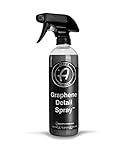
Overview: Adam’s Polishes leverages cutting-edge graphene technology in this versatile 16-ounce detail spray designed to extend and enhance existing protection. This multi-functional product serves as a clay luber, drying aid, waterless wash, and protection booster in one bottle. Formulated to work safely across all exterior surfaces, it promises to deliver a streak-free, high-gloss finish while reinforcing waxes, sealants, and ceramic coatings with advanced graphene infusion.
What Makes It Stand Out: The integration of graphene represents next-generation detailing chemistry, offering potentially superior heat dissipation and durability compared to traditional SiO2 ceramics. Its remarkable versatility eliminates the need for multiple products—functioning as five different detailing solutions. Adam’s 110% satisfaction guarantee and USA manufacturing demonstrate exceptional confidence and quality control. The formula contains no fillers or “hiders,” delivering genuine protection rather than temporary cosmetic enhancement.
Value for Money: At $13.59 for 16 ounces ($0.85/oz), this offers excellent value for a specialty graphene-infused product. It’s competitively priced against premium detail sprays while providing multi-functionality that could replace several separate products. Compared to dedicated graphene coatings costing $50-$100, this accessible entry point lets users experience the technology’s benefits without major investment. The concentration and effectiveness mean a little goes a long way, further enhancing its economic appeal.
Strengths and Weaknesses: Strengths include incredible versatility, genuine graphene technology, safe all-surface formulation, streak-free performance, and strong brand reputation with guarantee. It boosts hydrophobic properties of existing coatings effectively. Weaknesses may include limited standalone protection—it’s designed as a maintenance product, not a primary coating. Graphene benefits might be subtle compared to premium SiO2 sprays for some users. The scent may be strong for sensitive individuals, and overuse can leave residue if not buffed properly.
Bottom Line: Adam’s Graphene Detail Spray excels as a maintenance booster for enthusiasts already using protection products. Its versatility makes it a detailing kit essential, delivering noticeable gloss and hydrophobic enhancement. While not a replacement for dedicated coatings, its performance, price, and multi-functionality make it an intelligent purchase for regular upkeep and touch-ups between full details.
8. Meguiar’s Hybrid Ceramic Wax, Easy-to-Use Spray Wax for Car Detailing with the Superior Protective Power of Advanced SiO2 Hybrid Barrier Technology, 26 Oz Spray Bottle

Overview: Meguiar’s Hybrid Ceramic Wax revolutionizes ceramic protection with its innovative spray-on, rinse-off application method. This 26-ounce bottle delivers SiO2 hybrid technology without requiring extensive buffing or complicated procedures. Designed for convenience-focused users, it promises to provide durable hydrophobic protection and water beading action through a simple hose-and-towel process, making ceramic benefits accessible to casual car owners and detailing novices alike.
What Makes It Stand Out: The application method is genuinely revolutionary—spray onto wet paint, rinse off, and dry. This eliminates traditional waxing’s time-consuming buffing and curing steps while still delivering ceramic-level protection. Meguiar’s trusted brand heritage combined with advanced SiO2 hybrid chemistry creates a durable barrier against contaminants. The large 26-ounce size provides excellent coverage for multiple vehicles, and the “more than a wax” formulation offers protection that rivals traditional paste waxes with significantly less effort.
Value for Money: At $13.00 for 26 ounces, this represents exceptional value—just $0.50 per ounce. It’s one of the most cost-effective ceramic spray options available from a major brand. The generous size allows for 6-8 applications on a standard sedan, bringing per-application cost below $2. Compared to professional coatings or even premium spray sealants, this delivers impressive durability and hydrophobic performance at a budget-friendly price point that democratizes ceramic technology.
Strengths and Weaknesses: Strengths include unparalleled ease of use, trusted brand reliability, generous product volume, effective water beading, and minimal effort required. The spray-on/rinse-off method is foolproof for beginners. Weaknesses include less aggressive bonding than wipe-on ceramics, potential for uneven application if not rinsed properly, and durability that may not match premium wipe-on alternatives. It works best on well-maintained paint and may require more frequent reapplication in harsh environments.
Bottom Line: Meguiar’s Hybrid Ceramic Wax is the perfect entry point into ceramic protection for time-pressed owners or beginners. Its revolutionary application method removes all barriers to achieving decent hydrophobic protection. While serious enthusiasts may prefer more durable options, this product delivers remarkable convenience and value, making it ideal for regular maintenance and those prioritizing ease over ultimate longevity.
9. GYEON Ceramic Detailer SiO2 Spray Gloss Enhancer Hydrophobic Quick Detailer Paint Coating Maintenance Water Repellent Slick Finish Easy Spray-on protectant for car Motorcycle Exterior Surfaces

Overview: GYEON’s Ceramic Detailer is a premium SiO2-infused quick detailer engineered specifically for maintaining and enhancing ceramic-coated vehicles. This sophisticated spray delivers hydrophobic shielding and instant gloss enhancement while being fully compatible with existing SiO2 layers. Designed for both coated and non-coated surfaces, it provides professional-grade maintenance that preserves paint integrity and extends time between washes for discerning automotive enthusiasts.
What Makes It Stand Out: GYEON’s reputation for professional ceramic coatings translates into a maintenance product that respects and enhances existing protection rather than masking it. The formula creates a slick, water-repelling surface that actively resists dirt accumulation, making it genuinely self-cleaning. Its coating-safe chemistry ensures no degradation of underlying ceramic layers—a critical feature for vehicles with professional coatings. The multi-surface capability extends to glass, trim, and wheels, providing comprehensive exterior maintenance in one bottle.
Value for Money: At $22.90 for approximately 17 ounces ($1.36/oz), this is a premium-priced detailer. However, for owners of professional ceramic coatings ($1,000+ investments), it’s inexpensive insurance that maximizes coating lifespan. Compared to reapplying coating toppers, it offers cost-effective maintenance. While pricier than mainstream detail sprays, its specialized formulation justifies the cost for coated vehicle owners. The concentration and performance mean less product per application, offsetting the higher price point somewhat.
Strengths and Weaknesses: Strengths include professional-grade SiO2 formulation, genuine coating compatibility, exceptional hydrophobic performance, multi-surface versatility, and ability to reduce cleaning frequency. It enhances rather than replaces existing protection. Weaknesses include premium pricing that may deter casual users, limited availability in retail stores, and performance that’s optimized for coated vehicles—non-coated cars may see less dramatic results. The higher cost per ounce requires careful application to avoid waste.
Bottom Line: GYEON Ceramic Detailer is essential for anyone with a professional ceramic coating investment. It maintains and enhances protection while delivering impressive water repellency and gloss. For non-coated vehicles, the premium price is harder to justify against cheaper alternatives. However, its specialized chemistry and professional results make it the gold standard for coating maintenance, earning its place in serious enthusiasts’ arsenals.
10. Turtle Wax Hybrid Solutions Ceramic 3-in-1 Car Detailer, Waterless Car Wash, Long-lasting HydrophobicWax Protection and High Gloss Shine, Safe For All Exterior Surfaces, 32 oz (Pack of 1)

Overview: Turtle Wax’s Hybrid Solutions Ceramic 3-in-1 Detailer combines waterless washing, gloss enhancement, and ceramic protection in a single 32-ounce bottle. This innovative formula targets convenience-driven users seeking multiple benefits without multiple products. Designed to safely clean light dust and dirt while depositing hydrophobic ceramic polymers, it promises scratch-free performance across all exterior surfaces, making professional-level results accessible to everyday car owners.
What Makes It Stand Out: The genuine 3-in-1 functionality eliminates the need for separate waterless wash, detail spray, and protection products. Advanced polymer infusion creates a slick barrier that lifts dirt safely, preventing swirl marks—a common concern with waterless products. Turtle Wax’s ceramic technology delivers legitimate hydrophobic protection rather than superficial shine. The massive 32-ounce size provides exceptional value, and the formulation works on paint, glass, trim, and wheels, offering true all-in-one convenience for complete exterior care.
Value for Money: At $13.59 for 32 ounces, this is outstanding value at just $0.42 per ounce—among the lowest cost per ounce in the ceramic spray category. The 3-in-1 functionality means replacing three separate products, potentially saving $30-$50. For apartment dwellers or water-restricted areas, it eliminates car wash expenses. While durability may not match dedicated ceramic sealants, the convenience and volume make it an economical choice for regular maintenance and touch-ups between full washes.
Strengths and Weaknesses: Strengths include unbeatable convenience, excellent value per ounce, legitimate ceramic protection, safe scratch-free cleaning, and versatile multi-surface application. The waterless wash capability is perfect for quick maintenance. Weaknesses include limited cleaning power on heavily soiled vehicles, durability that may not satisfy enthusiasts seeking long-term protection, and potential for streaking if over-applied. It works best as a maintenance product rather than primary protection for neglected paint.
Bottom Line: Turtle Wax Hybrid Solutions 3-in-1 is the ultimate convenience product for busy car owners or those without wash facilities. It delivers impressive value and genuine ceramic benefits in an easy-to-use format. While serious detailers may want dedicated products for each step, this excels as a maintenance solution that keeps vehicles looking clean and protected between full details. It’s an intelligent, economical addition to any car care routine.
What Are Ceramic Detail Sprays and How Do They Work?
Ceramic detail sprays represent the bridge between traditional quick detailers and permanent ceramic coatings. These products infuse silica dioxide (SiO2)—the same compound found in quartz and glass—into a convenient sprayable formula that bonds temporarily to your vehicle’s surfaces. Unlike traditional spray waxes that sit atop the paint, ceramic detail sprays create a semi-permanent molecular bond that actually modifies the surface energy of your clear coat.
The Science Behind SiO2 Technology
The magic lies in silicon dioxide’s unique molecular structure. When applied to automotive surfaces, SiO2 forms a three-dimensional network of microscopic particles that fill the pores and imperfections in your clear coat. This creates a harder, more chemically resistant surface that measures between 7H-9H on the pencil hardness scale. The result isn’t just visual enhancement—it’s genuine physical protection measured in microns, albeit significantly thinner than professional ceramic coatings.
Difference Between Ceramic Coatings and Ceramic Detail Sprays
This distinction confuses many enthusiasts. Professional-grade ceramic coatings contain 70-90% SiO2 content, require meticulous surface preparation, cure for 24-48 hours, and last 2-7 years. Ceramic detail sprays typically contain 5-15% SiO2 concentration, apply in minutes, and provide protection lasting weeks to months. Think of detail sprays as maintenance boosters or entry-level protection, not replacements for professional coatings. They serve different purposes in a comprehensive protection strategy.
Understanding Spray-Wipe vs. Spray-Rinse Applications
Application methodology dramatically affects results and product selection. Spray-wipe formulas require direct application to the surface followed by immediate buffing—ideal for coated vehicles and light contamination. Spray-rinse products apply to wet vehicles after washing, then get rinsed off, leaving behind a protective layer. This method works better for uncoated vehicles or those seeking maximum convenience, though it typically sacrifices some bonding strength compared to direct application methods.
Key Benefits of Using Ceramic Detail Sprays
The advantages extend far beyond simple water beading. Modern formulations deliver a sophisticated suite of protective properties that address multiple environmental threats simultaneously. Understanding these benefits helps justify the investment and informs realistic expectations about performance.
Hydrophobic Properties and Water Behavior
True hydrophobicity manifests as tight water beading with contact angles exceeding 110 degrees. Quality ceramic detail sprays cause water to ball up rather than sheet, carrying away light dust and preventing water spots. This self-cleaning effect, known as the “lotus effect,” means your vehicle stays cleaner between washes and dries faster with fewer spots. The behavior difference between a waxed surface and a ceramic-treated one becomes immediately apparent during the first rainstorm.
UV Protection and Oxidation Prevention
Automotive clear coats face constant bombardment from UV radiation, which breaks down chemical bonds and causes oxidation. Ceramic detail sprays act as sacrificial barriers, absorbing UV rays before they reach your paint. While they can’t match the multi-year UV resistance of professional coatings, regular application creates a consistent shield that prevents the chalky, faded appearance plaguing vehicles in sunny climates. This benefit proves particularly valuable for daily drivers parked outdoors.
Enhanced Gloss and Depth of Shine
The optical clarity of SiO2 enhances paint reflectivity by creating a flatter, more uniform surface. Light reflects more directly rather than scattering through microscopic imperfections. This creates what detailers call “wet look” or “deep gloss”—a three-dimensional appearance where paint seems to have depth you could dive into. The effect proves most dramatic on dark colors, where traditional waxes often create a hazy appearance.
Contamination Resistance
Ceramic surfaces resist bonding with environmental contaminants like tree sap, bird droppings, industrial fallout, and road grime. These substances sit atop the coating rather than etching into clear coat, making removal easier and reducing the risk of permanent damage. This chemical resistance also extends to harsh wash chemicals, though pH-neutral products remain recommended for longevity.
Essential Features to Evaluate Before Buying
Not all ceramic detail sprays deliver on their promises. Discerning quality requires looking beyond marketing claims to understand formulation specifics and performance metrics that impact real-world results.
SiO2 Concentration Levels
Product labels rarely disclose exact percentages, but marketing language offers clues. “Ceramic-infused” or “ceramic enhanced” typically indicates minimal SiO2 content (under 5%). Products advertising “advanced ceramic technology” or “high-silica formula” usually contain 10-15% SiO2. Premium options might specify “SiO2 percentage” directly. Higher concentrations generally correlate with better durability and water behavior, though application difficulty increases proportionally.
Durability Expectations: Realistic Timeframes
Marketing claims of “6-month protection” rarely hold up in real-world conditions. Variables like climate, washing frequency, and storage environment dramatically impact longevity. Most quality sprays realistically provide 4-8 weeks of peak performance, with protection gradually diminishing thereafter. Products claiming 3+ months either contain alternative polymers or require perfect application conditions. Base your expectations on enthusiast forums and professional detailer reviews rather than manufacturer claims.
Application Temperature and Climate Considerations
Temperature windows critically affect application success. Most ceramic detail sprays apply best between 60-80°F (15-27°C) in low humidity. Hot surfaces cause premature flashing, leading to high spots and streaking. Cold temperatures prevent proper bonding. Some newer formulations offer extended ranges (50-90°F), but extreme conditions always compromise results. If you live in harsh climates, prioritize products specifically formulated for your temperature range.
Versatility Across Different Surfaces
The best ceramic detail sprays serve as multi-surface protectants. Check compatibility with paint, glass, plastic trim, wheels, and even interior surfaces like leather and dashboards. Single-surface products often deliver superior performance but require purchasing multiple specialized formulas. Multi-surface versatility provides better value for enthusiasts seeking simplicity, though performance trade-offs exist on challenging materials like matte finishes or raw carbon fiber.
Application Techniques for Professional Results
Even the finest product performs poorly without proper technique. Professional detailers achieve superior results not through secret products, but through meticulous application protocols that maximize bonding and minimize defects.
Surface Preparation: The Foundation of Success
Ceramic detail sprays bond to surfaces, not dirt. Wash thoroughly using the two-bucket method with grit guards. Decontaminate with a clay bar or synthetic clay mitt to remove embedded particles. For optimal results, perform an iron remover treatment and tar removal before application. Dry completely using plush microfiber towels or a forced-air dryer. Any remaining contamination creates barriers that reduce bonding and cause premature failure.
The Two-Towel Method Explained
Professional application relies on two distinct towel types. The first plush, high-pile microfiber (400+ GSM) applies the product using light pressure in straight-line motions, working panel by panel. A second short-pile, tight-weave towel (300-350 GSM) immediately buffs to a high gloss using minimal pressure. This prevents product buildup and ensures even distribution. Never use the same towel for both application and removal—this fundamental mistake causes 90% of streaking issues.
Common Application Mistakes to Avoid
Applying too much product ranks as the most frequent error. Ceramic detail sprays require minimal amounts—2-3 light mists per panel maximum. Over-application wastes product and creates difficult-to-remove high spots. Working in direct sunlight causes flash curing and uneven bonding. Using aggressive buffing motions induces micro-marring. Skipping panel wipe-downs with isopropyl alcohol on previously coated vehicles prevents proper adhesion. Work methodically in small sections, and never rush the process.
Surface Compatibility: Where Can You Use Them?
Understanding material interactions prevents costly mistakes. While marketed as universal, ceramic detail sprays behave differently across substrates, requiring adjusted expectations and techniques.
Painted Surfaces and Clear Coats
Standard clear coats represent the ideal substrate, offering perfect bonding and maximum gloss enhancement. Single-stage paints (common on classic cars) absorb more product, potentially darkening the finish permanently. Test on an inconspicuous area first. Matte and satin finishes require specialized matte-safe ceramic sprays—standard formulas add unwanted gloss and permanently alter the appearance. Always verify compatibility before broad application.
Glass, Trim, and Wheels
Glass benefits enormously from ceramic treatment, achieving incredible water repellency that improves visibility in storms. However, windshield wipers wear through the coating quickly, requiring reapplication every 2-3 weeks. Plastic trim darkens and gains water repellency, but some formulas leave white residue in textured surfaces—wipe thoroughly. Wheels see dramatic brake dust reduction, though high temperatures accelerate coating breakdown. Dedicated wheel ceramic sprays offer better heat resistance.
Interior Applications: Do’s and Don’ts
Some ceramic detail sprays safely treat leather, vinyl, and plastic interior surfaces, creating stain resistance and UV protection. However, overspray on glass creates dangerous hazing, and contact with fabrics causes staining. Never apply to steering wheels or pedals where slipperiness creates safety hazards. Interior-specific formulas contain lower SiO2 concentrations and additional conditioning agents. When in doubt, use dedicated interior protectants rather than risking damage with exterior-focused products.
Maintenance and Layering Strategies
Maximizing durability requires strategic maintenance protocols. Random reapplication wastes product and time, while systematic approaches build cumulative protection that extends intervals between major details.
How Often Should You Reapply?
Base reapplication frequency on water behavior rather than calendar dates. When water stops beading tightly and begins to sheet, protection has diminished. For daily drivers in moderate climates, this typically occurs every 4-6 weeks. Garage-kept vehicles might extend to 8-10 weeks. Vehicles facing harsh winters or constant sun need reapplication every 2-3 weeks. Over-applying doesn’t improve protection but increases risk of high spots and product buildup.
Layering with Existing Ceramic Coatings
Ceramic detail sprays serve as ideal maintenance toppers for professional coatings. They replenish the hydrophobic layer that washing degrades, extending coating life by 30-50%. Apply every 2-4 weeks for optimal results. The spray bonds to the existing ceramic layer rather than the clear coat, creating a sacrificial layer that takes environmental abuse while preserving the base coating. Never apply detail sprays within the initial curing period of a fresh professional coating—wait at least 7 days.
Synergy with Traditional Waxes and Sealants
Mixing protection types creates compatibility issues. Ceramic detail sprays don’t bond well to natural carnauba waxes, reducing durability to days rather than weeks. Synthetic polymer sealants offer better compatibility but still compromise ceramic performance. For best results, strip existing protection using a chemical decontamination wash before switching to ceramic sprays. If you must combine, apply ceramic spray first, let it cure 24 hours, then top with a thin layer of compatible sealant—not the reverse.
Troubleshooting Common Issues
Even experienced detailers encounter problems. Understanding root causes and solutions prevents panic and minimizes paint correction needs when things go wrong.
Streaking and Smearing Problems
Streaking typically indicates over-application, contaminated towels, or temperature issues. Remove streaks immediately using a clean, damp microfiber towel with quick detailer solution. If dried, spray a light mist of ceramic detail spray onto the affected area and buff immediately—this reactivates the coating and allows proper leveling. Persistent streaking across the entire vehicle suggests product incompatibility with existing protection or extremely high humidity preventing proper flash-off.
High Spot Removal Techniques
High spots appear as dark, oily patches where product concentrated and flashed too quickly. Remove within 24 hours by reapplying ceramic spray to the spot, letting it dwell 30 seconds, then buffing vigorously with a clean towel. After 24 hours, removal requires machine polishing with a light finishing polish and foam pad. Prevention beats cure—work in smaller sections and use adequate lighting to spot issues immediately. LED inspection lights reveal high spots during application that natural light misses.
Dealing with Environmental Contamination
Bird droppings and tree sap etch ceramic sprays faster than professional coatings due to thinner protection. Remove contaminants within hours using pH-neutral quick detailer and a soft towel. For stubborn spots, use a dedicated contaminant remover safe for ceramics—never use aggressive solvents. After removal, reapply ceramic spray to the affected panel. In areas with heavy pollen or industrial fallout, increase application frequency to maintain adequate protection density.
Cost vs. Value Analysis
Price tags rarely reflect true value. Calculating cost-per-application and protection duration reveals which products offer genuine economy versus false savings.
Price Per Application Calculations
A $30 bottle containing 16 ounces might seem expensive compared to a $15 alternative. However, if the premium product requires only 1 ounce per application versus 3 ounces for the budget option, the math shifts dramatically. The $30 bottle provides 16 applications ($1.88 each) while the $15 bottle offers just 5 applications ($3 each). Factor in durability—if the premium lasts 6 weeks versus 3 weeks for the budget brand, annual costs become $16 vs. $52. Always calculate based on usage rates, not just bottle price.
Professional Detailer vs. DIY Economics
Professional ceramic detail spray application typically costs $50-100 per service, including wash prep. DIY requires $30-50 initial product investment plus $20-30 in quality microfiber towels. After two applications, DIY becomes cheaper. However, factor in your time value and learning curve. Professionals deliver consistent results and spot potential paint issues. For enthusiasts who enjoy detailing, DIY offers satisfaction and customization. For time-strapped individuals, professional application every 2-3 months provides convenience worth the premium.
Environmental and Safety Considerations
Modern car care balances performance with responsibility. Understanding environmental impact and safety protocols protects both you and the ecosystem.
VOC Content and Eco-Friendly Formulations
Volatile Organic Compounds (VOCs) in ceramic detail sprays contribute to air pollution and pose health risks during application. Water-based formulas with low VOC content (under 50 g/L) offer safer alternatives with minimal performance compromise. Some states like California enforce strict VOC limits, making compliant products necessary. Look for “VOC compliant” labeling and consider waterless wash-compatible ceramic sprays that reduce water usage—particularly valuable in drought-prone regions.
Proper Disposal and Storage Guidelines
Never pour excess product down drains. SiO2 particles don’t biodegrade and can contaminate water systems. Absorb small amounts with paper towels and dispose in regular trash. For larger quantities, take to household hazardous waste facilities. Store in climate-controlled environments (50-75°F) away from direct sunlight. Extreme temperatures degrade SiO2 suspension, causing separation that’s often irreversible. Always keep bottles tightly sealed—exposure to air begins premature curing inside the container, ruining remaining product.
The Future of Ceramic Detail Spray Technology
The category evolves rapidly, with manufacturers pushing boundaries of convenience and performance. Staying informed about emerging trends positions you to adopt beneficial innovations early.
Emerging Innovations in the Market
Hybrid formulas now incorporate graphene oxide alongside SiO2, claiming enhanced heat dissipation and anti-static properties. spray-and-rinse ceramic coatings with 20%+ SiO2 concentrations challenge traditional application methods. Color-specific formulations with embedded pigments promise to mask minor swirls while adding protection. pH-sensitive polymers that release cleaning agents during alkaline washes extend protection duration. While many claims await independent verification, the innovation pace suggests today’s limitations won’t persist.
What to Expect Next
The industry trends toward “ceramic everything”—interior fabrics, convertible tops, and even brake components. Concentrated ceramic additives for wash buckets promise easier maintenance application. Machine-learning algorithms may soon recommend application intervals based on local weather data and driving patterns. As competition intensifies, expect more transparent labeling with actual SiO2 percentages and standardized durability testing. The line between consumer and professional products continues blurring, putting unprecedented protection capabilities in amateur hands.
Frequently Asked Questions
How do ceramic detail sprays differ from traditional spray waxes?
Ceramic detail sprays use SiO2 technology to create a semi-permanent chemical bond with surfaces, modifying surface energy at the molecular level. Traditional spray waxes deposit hydrocarbon-based polymers that sit atop the paint without true bonding. This fundamental difference means ceramics last 4-8 weeks versus 1-2 weeks for waxes, resist higher temperatures, provide superior chemical resistance, and create more intense water beading. Wax might feel slicker initially, but ceramics offer genuine protection rather than superficial gloss.
Can I apply ceramic detail spray in direct sunlight?
Avoid direct sunlight application whenever possible. Hot surfaces cause immediate product flashing, preventing proper leveling and creating high spots that require machine polishing to remove. If shade isn’t available, work early morning or late evening when surfaces cool. Some newer formulations tolerate temperatures up to 85°F, but results always suffer compared to ideal 65-75°F conditions. When desperate, cool panels with water, dry thoroughly, and work in tiny sections—no larger than 2’x2’—to apply and remove before flashing occurs.
Will ceramic detail sprays hide swirl marks and scratches?
Ceramic detail sprays fill microscopic imperfections, which can temporarily mask ultra-fine swirls and improve overall appearance. However, they don’t remove or permanently correct paint defects. The filling effect lasts until the coating degrades, typically 2-4 weeks. For true swirl removal, machine polishing with abrasives is necessary before applying protection. Think of ceramic sprays as concealers, not correctors—they enhance appearance but don’t fix underlying issues. Always polish first, protect second.
How long should I wait before applying ceramic detail spray after washing?
Wait until the vehicle is completely dry—water trapped in panel gaps, emblems, and crevices can drip onto freshly applied ceramic, causing spots and streaks. In moderate humidity, this means 30-45 minutes after towel drying. Using a forced-air dryer cuts this to 10-15 minutes. Never apply to a wet surface unless using a dedicated spray-rinse formula. Even morning dew compromises bonding. When in doubt, wait longer. Rushing the process wastes product and creates more work correcting issues.
Can I use ceramic detail spray on a brand new car?
New cars benefit enormously from ceramic detail spray application, but timing matters. Factory paint cures during shipping and dealer prep, but chemical residues from rail dust inhibitors, transport coatings, and dealer “prep” products remain. Wash thoroughly, clay if necessary, and apply ceramic spray immediately—new paint bonds exceptionally well. However, if the dealer applied a “paint sealant” (typically a silicone-based polymer), strip it first using a chemical decontamination wash, as it prevents ceramic bonding.
Do ceramic detail sprays work on matte finishes?
Standard ceramic detail sprays add unwanted gloss and can permanently alter matte finishes. However, specialized matte-specific ceramic sprays exist that maintain the flat appearance while adding protection. These formulas contain lower SiO2 concentrations and matting agents that preserve the factory look. Always verify “matte safe” labeling and test in an inconspicuous area. When in doubt, contact the manufacturer directly—many will provide samples for testing. Using regular ceramic spray on matte paint voids warranties and creates irreversible aesthetic damage.
How do I know when it’s time to reapply?
Monitor water behavior rather than following arbitrary schedules. When clean water stops beading tightly and begins to sheet or flatten, protection has diminished. The “sheeting test”—pouring water on the hood and observing how it behaves—provides objective data. Also note when contaminants start sticking more readily or when the surface loses its slick feel during washing. Set calendar reminders based on your climate and usage patterns, but let water behavior be the final arbiter of reapplication timing.
Can I layer different brands of ceramic detail sprays?
Layering different brands creates unpredictable chemistry. Formulations vary in SiO2 particle size, carrier solvents, and bonding mechanisms. Mixing brands often reduces durability of both layers or causes bonding failures leading to premature peeling. If switching brands, strip the existing coating using an IPA wipe-down or light polishing. For optimal results, commit to one brand’s ecosystem—many offer complementary products like ceramic boosters and maintenance washes designed to work synergistically. Consistency beats experimentation when it comes to protection chemistry.
Are ceramic detail sprays safe for vinyl wraps and PPF?
Most ceramic detail sprays work excellently on paint protection film and vinyl wraps, often extending their life by 30-40%. The SiO2 layer protects against staining and makes cleaning easier. However, avoid products containing petroleum distillates or harsh solvents that can degrade vinyl and PPF adhesives. Look for “wrap-safe” or “PPF-compatible” labeling. Matte wraps require matte-specific formulas, just like matte paint. Always test on a small wrap edge first, and avoid heavy buildup along seams where lifting could occur.
What’s the shelf life of an unopened ceramic detail spray?
Unopened ceramic detail sprays typically last 2-3 years when stored properly in climate-controlled conditions. Extreme temperatures accelerate SiO2 particle agglomeration, causing separation that can’t be remedied by shaking. Once opened, use within 12-18 months as exposure to air begins slow curing inside the bottle. Write the opening date on the bottle with a permanent marker. If the liquid appears clumpy, discolored, or smells sour, discard it—degraded product damages paint and creates application nightmares. When in doubt, replace rather than risk expensive paint correction.