Nothing ruins the look of a freshly detailed car quite like brake dust-caked wheels. That stubborn, metallic grime seems to bond to every surface, turning your shiny alloys into dull, grayish-brown eyesores. Whether you’re a weekend warrior chasing perfection or simply someone who takes pride in their daily driver, understanding how to effectively combat brake dust is essential knowledge. The right wheel cleaner doesn’t just make your wheels look better—it protects your investment by preventing permanent damage and corrosion.
But here’s the challenge: walk down any auto care aisle or browse online, and you’ll be bombarded with countless options promising miraculous results. Acidic or pH-neutral? Spray-on or gel? Iron fallout removers or all-purpose cleaners? The choices can be overwhelming. This guide cuts through the marketing noise to arm you with the expert knowledge needed to select the perfect wheel cleaner for your specific situation, wheel type, and maintenance style.
Top 10 Wheel Cleaners
Detailed Product Reviews
1. Adam’s Polishes Wheel & Tire Cleaner Gallon - Professional All in One Tire & Wheel Car Wash Wheel Well Cleaning Spray for Car Detailing | Safe On Most Rim Finishes

Overview: Adam’s Polishes delivers a professional-grade, gallon-sized wheel and tire cleaner designed for serious enthusiasts and detailers. This all-in-one solution tackles the toughest brake dust, road grime, and tire browning in a single application. Formulated to restore wheels and tires to a like-new condition, it’s the go-to choice for those who demand premium results across multiple vehicles or frequent detailing sessions.
What Makes It Stand Out: The gallon volume immediately sets this apart, offering substantial savings for high-volume users. Its alkaline-concentrated formula creates a high-foaming action that actively dissolves metallic contamination and silicones, making it uniquely effective at prepping tires for dressings. The 110% satisfaction guarantee demonstrates exceptional confidence in the product’s performance, a rare commitment in the car care industry.
Value for Money: At approximately $0.27 per ounce, this gallon represents significant savings compared to the 16oz version. For multi-car households or professional detailers, the lower cost-per-use quickly offsets the higher initial investment. When compared to purchasing multiple smaller bottles, the gallon delivers professional-tier results while reducing plastic waste and reordering frequency, making it economically and environmentally sensible.
Strengths and Weaknesses: Strengths include exceptional cleaning power on heavy brake dust, safety across most wheel finishes, high foaming action, and the industry-leading satisfaction guarantee. The large volume reduces per-ounce cost significantly. Weaknesses include the substantial upfront price and storage requirements. Casual users may find the gallon expires before full use, and the alkaline formula requires careful handling.
Bottom Line: This gallon-sized powerhouse is ideal for dedicated enthusiasts and professionals seeking maximum value and performance. For frequent use, it’s unmatched in cost-effectiveness and cleaning capability.
2. Adam’s Polishes Wheel & Tire Cleaner 16oz - Professional All in One Car Wash Wheel Well Cleaning Spray for Car Detailing | Safe On Most Rim Finishes

Overview: This 16oz bottle offers the same professional-grade formula as its gallon counterpart in a more manageable size for casual detailers. Designed to eliminate brake dust, tire browning, and road grime, it delivers Adam’s Polishes signature performance for those who detail less frequently or have limited storage space. It’s the perfect entry point into professional wheel care without overwhelming commitment.
What Makes It Stand Out: You get the identical alkaline-concentrated, high-foaming formula trusted by professionals without committing to a bulk purchase. The compact size allows for easier handling and precise application, while still providing the same tire-restoring capabilities that prep surfaces for dressings. The 110% satisfaction guarantee remains intact, offering risk-free testing of this premium product’s capabilities.
Value for Money: At $0.75 per ounce, this smaller bottle costs nearly three times more than the gallon version but requires significantly less initial investment. For users who clean wheels monthly or less, this size prevents product waste from expiration. While not the most economical long-term choice, it delivers professional results without the professional-grade commitment, making it sensible for occasional use and first-time premium buyers.
Strengths and Weaknesses: Strengths include professional-level cleaning power, safety on multiple finishes, manageable size, and the same satisfaction guarantee. It effectively removes stubborn brake dust and tire browning with minimal effort. Weaknesses include the high per-ounce cost and small volume that depletes quickly on heavily soiled wheels. Frequent users will find themselves repurchasing often, diminishing overall value compared to the gallon.
Bottom Line: Perfect for occasional detailers wanting premium results without bulk commitment. Buy the gallon if you detail monthly or own multiple vehicles.
3. Armor All Extreme Wheel and Tire Cleaner , Car Wheel Cleaner Spray, 24 Fl Oz

Overview: Armor All offers a budget-friendly wheel and tire cleaner that promises safe, effective cleaning across all wheel types. This 24oz spray targets brake dust, road grime, and grease with a straightforward formula. As a household name in car care, it provides an accessible entry point for drivers seeking basic wheel maintenance without specialized knowledge or premium pricing.
What Makes It Stand Out: The exceptional price point at just $0.21 per ounce makes this the most economical option among major brands. Its universal safety claim for all wheels eliminates guesswork for consumers unsure of their wheel finish. The simplicity of its formulation appeals to those overwhelmed by complex detailing products, offering a grab-and-go solution available at most retail locations.
Value for Money: This represents outstanding value for casual car owners. The low cost per ounce combined with widespread availability makes it an easy choice for budget-conscious shoppers. While it may require more product or elbow grease than premium competitors, the price difference more than compensates. For vehicles with light to moderate soiling, it performs adequately, making it a practical choice for routine maintenance rather than heavy-duty restoration.
Strengths and Weaknesses: Strengths include unbeatable price, universal wheel safety, brand recognition, and adequate performance on light contamination. It’s readily available and simple to use. Weaknesses include less specialized formulation for severe brake dust, potentially requiring more scrubbing, and no specific tire cleaning claims. The formula lacks the high-foaming action and satisfaction guarantees of premium competitors.
Bottom Line: An excellent value for everyday drivers seeking basic wheel cleaning. Choose premium options for heavy brake dust or show-car results.
4. Chemical Guys Diablo Wheel Cleaner Spray - 2 Pack 16 oz Bottles, Safe on All Wheel & Rim Finishes, Sprayable Formula Removes Brake Dust, Dirt & Grime, Great for Cars, Trucks, SUVs, Motorcycles & RVs

Overview: Chemical Guys Diablo Wheel Cleaner comes as a convenient two-pack, offering pH-balanced cleaning power for all wheel types. This 32oz total package safely tackles brake dust and road grime across vehicles from cars to RVs. The sprayable formula clings to surfaces for maximum effectiveness, representing the brand’s commitment to professional-grade results for enthusiasts.
What Makes It Stand Out: The pH-balanced formulation distinguishes Diablo from alkaline-heavy competitors, providing safer long-term use on delicate finishes. Receiving two 16oz bottles offers flexibility—keep one at home and one in your mobile detailing kit. The advanced cling technology maximizes contact time, lifting contamination with minimal agitation while remaining safe for frequent maintenance washes.
Value for Money: At $0.75 per ounce, pricing aligns with Adam’s 16oz bottle but delivers double the product in more convenient packaging. The two-bottle system prevents waste if one is lost or damaged. For enthusiasts who detail regularly, this mid-range pricing offers professional performance without premium cost. While more expensive than budget options, the pH balance and brand reputation justify the investment for those prioritizing wheel finish longevity.
Strengths and Weaknesses: Strengths include the gentle pH-balanced formula, two-bottle convenience, excellent cling action, and versatility across vehicle types. It’s safe for regular use and reduces scrubbing. Weaknesses include lack of specific tire cleaning claims and smaller individual bottle size. The formula may struggle with extreme, caked-on brake dust compared to stronger alkaline cleaners, requiring repeat applications.
Bottom Line: A smart choice for enthusiasts prioritizing wheel safety and convenience. The two-pack offers excellent flexibility for regular maintenance routines.
5. Black Magic 120228 Intense Foam Wheel & Tire Cleaner, High-Foaming Formula for Deep Cleaning, Removes Dirt, Grime & Brake Dust – Safe on All Wheels, 22 Fl Oz

Overview: Black Magic’s Intense Foam Wheel & Tire Cleaner delivers a visually satisfying cleaning experience through its high-foaming, color-changing formula. This 22oz spray transforms from white to brown as it dissolves contaminants, providing clear feedback on cleaning progress. Designed for deep cleaning without scrubbing, it targets dirt, grime, and brake dust across all wheel and tire surfaces.
What Makes It Stand Out: The color-changing foam provides immediate visual confirmation that the product is working, a unique feature among competitors. The high-foaming action lifts contamination away from surfaces rather than just loosening it. Adding a fresh cherry scent transforms a typically chemical-heavy task into a more pleasant experience, demonstrating attention to user comfort beyond basic functionality.
Value for Money: At approximately $0.41 per ounce, this mid-range option balances cost with specialized features. The visual feedback and foam action may reduce product waste by showing exactly where cleaning occurs and when rinsing is needed. While pricier than budget alternatives, the unique user experience and tire-specific formulation justify the modest premium for those who appreciate innovative design in their car care routine.
Strengths and Weaknesses: Strengths include the innovative color-changing formula, high-foaming deep clean, pleasant cherry scent, and explicit tire cleaning claims. The visual indicator helps prevent overuse. Weaknesses include lesser brand prestige compared to Adam’s or Chemical Guys, and the foam may obscure heavily soiled areas requiring inspection. Some users might find the scent unnecessary or overpowering.
Bottom Line: An engaging option for those who appreciate visual cleaning feedback. The foam and color change make wheel cleaning more interactive and effective.
6. Black Magic BM41023 No No Scrub Wheel Cleaner, 23 Fluid Ounces, 1 Pack
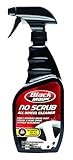
Overview: Black Magic’s No No Scrub Wheel Cleaner delivers a straightforward spray-and-rinse solution for budget-conscious car owners. This 23-ounce bottle promises universal compatibility across all wheel types through its pH-balanced formulation, targeting brake dust, road grime, oil, and dirt without requiring elbow grease. The product positions itself as an accessible entry point into wheel maintenance for casual enthusiasts and daily drivers seeking convenience.
What Makes It Stand Out: The “no-scrub” claim defines this product’s identity—simply spray on and rinse off for satisfactory results. Its pH-balanced chemistry prevents hazing, pitting, and mineral buildup that can degrade wheel finishes over time. The universal fit designation ensures compatibility with factory and aftermarket wheels alike, eliminating guesswork for consumers. At just $5.49, it undercuts most competitors while covering the essential cleaning needs of mainstream vehicles.
Value for Money: At $0.24 per ounce, this represents exceptional affordability in the wheel cleaner category. Casual users can maintain all four wheels for months on a single bottle, making it ideal for bi-weekly washes. While professional detailers might find it underpowered for heavy contamination, the price-to-performance ratio suits maintenance cleaning perfectly. It eliminates the need for multiple specialized products for households with varied vehicle types.
Strengths and Weaknesses: Strengths: Extremely affordable; genuinely simple application; pH-balanced safety; versatile across wheel materials; widely available. Weaknesses: Less effective on heavily caked brake dust; multiple applications may be necessary for neglected wheels; no protective coating left behind; lacks foaming action for visual feedback.
Bottom Line: Black Magic No No Scrub excels as a maintenance-grade cleaner for drivers prioritizing convenience and cost savings. It’s not a miracle worker for show-car preparation, but delivers reliable results for routine upkeep without risking wheel damage or draining your wallet.
7. P & S Professional Detail Products Brake Buster Wheel Cleaner - Non-Acid Formula, Removes Brake Dust, Dirt, & Corrosion

Overview: P & S Brake Buster represents professional-grade performance in the Renny Doyle Double Black Collection, engineered for serious enthusiasts and detailing professionals. This non-acidic wheel cleaner tackles embedded iron particles, stubborn brake dust, and road corrosion across all wheel finishes. Its advanced formulation cleans while depositing a protective layer, bridging the gap between maintenance and preservation in a single step.
What Makes It Stand Out: The dual-action cleaning and protection system sets this apart—most cleaners simply remove contaminants, but Brake Buster leaves a hydrophobic coating that repels future grime. Its foam sprayer compatibility creates thick, clinging foam that penetrates intricate wheel designs and brake components. The professional pedigree ensures consistency and safety for chrome, aluminum, painted, powder-coated, and steel wheels without risk of etching or discoloration.
Value for Money: At $34.94 ($0.27 per fluid ounce), the initial investment appears steep but proves economical for serious users. The concentrated formula dilutes up to 1:4 for maintenance washes, stretching one bottle across dozens of detailing sessions. Compared to buying separate cleaners and wheel sealants, the two-in-one functionality justifies the premium. For professionals, the time saved and results delivered easily offset the cost.
Strengths and Weaknesses: Strengths: Professional-grade power; non-acid safety; protective coating extends cleaning intervals; excellent foaming capability; versatile dilution ratios; trusted by industry experts. Weaknesses: Overkill for casual car owners; requires foam sprayer for optimal performance; higher upfront cost; protective layer may interfere with subsequent coating applications.
Bottom Line: Brake Buster is a powerhouse for enthusiasts and pros who demand more than basic cleaning. If you view wheel care as an investment rather than a chore, this product’s protective properties and professional performance justify every penny, significantly reducing long-term maintenance frequency.
8. Turtle Wax 53759 Hybrid Solutions All Wheel Cleaner and Iron Remover, Rapid Removal of Surface Contaminants, Brake Dust and Rust, Safe for All Vehicle Paint, Low Odor Formula, 23 Oz. (Pack of 1)

Overview: turtle wax hybrid solutions merges traditional wheel cleaning with advanced iron removal technology in a single pH-neutral formula. This 23-ounce spray tackles embedded iron particles, brake dust, and surface contaminants that ordinary cleaners miss, while remaining safe enough for use on paint, glass, and polished metal. The color-changing chemistry provides visual confirmation of contaminant removal, revolutionizing the user experience.
What Makes It Stand Out: The industry-first low-odor iron remover eliminates the harsh sulfur smell plaguing similar products, making indoor or garage use tolerable. The rapid-response color transformation—from clear to purple—offers immediate visual feedback, ensuring you know exactly when the chemistry is working. Unlike dedicated iron removers that require separate wheel cleaners, this hybrid approach simplifies decontamination across entire vehicle exteriors without risking damage to sensitive surfaces.
Value for Money: At $0.65 per ounce, this mid-priced product delivers premium iron removal typically found in $30+ dedicated decontamination sprays. The dual-functionality eliminates buying two separate products, creating substantial savings. For enthusiasts performing quarterly deep cleans, one bottle handles wheels and paint, offering exceptional versatility. The formulation concentration means less product waste compared to thinner, watery alternatives.
Strengths and Weaknesses: Strengths: pH-neutral and acid-free; color-changing indicator; low-odor innovation; multi-surface safe; effective iron dissolution; rapid 2-4 minute dwell time. Weaknesses: Higher cost per ounce than basic cleaners; requires thorough rinsing; may need agitation for severe contamination; not as economical for routine washes as dedicated maintenance cleaners.
Bottom Line: Turtle Wax Hybrid Solutions excels for detailers seeking chemical decontamination without harsh acids or offensive fumes. It’s the perfect quarterly deep-clean companion, offering professional-grade iron removal with user-friendly characteristics that make it accessible to passionate hobbyists and seasoned pros alike.
9. oesee Professional 4 Pack Long Handle Wheel Brush Kit for Cleaning Wheel and Tire- 2X Soft Wheel Cleaning Brush, Detailing Brush and Stiff Tire Brush, Bendable& Durable Wheel Rim Cleaner Brush Set

Overview: The oesee Professional 4-Pack provides a complete physical cleaning solution for wheels and tires, complementing chemical cleaners or serving as a standalone option for hands-on enthusiasts. This comprehensive set includes two synthetic woolies for wheel surfaces and barrels, a lug nut detailing brush, and a stiff-bristled tire brush. The metal-free design and ergonomic silicone grips prioritize scratch prevention and user comfort during extended cleaning sessions.
What Makes It Stand Out: The 360-degree bendable woolies brushes access notoriously difficult barrel areas and behind spokes without forcing awkward hand positions. The metal-free construction eliminates the primary cause of wheel scratching found in cheaper brush sets. Including a dedicated stiff tire brush completes the package—most competitors sell tire brushes separately. The synthetic fibers hold substantial cleaning solution, creating a rich lather that lifts grime efficiently while remaining gentle on delicate finishes.
Value for Money: At $16.99 for four specialized brushes, this kit costs less than purchasing quality brushes individually. Comparable woolies alone retail for $10-15 each, making this set an exceptional bargain. The durable construction withstands repeated use and harsh chemicals, ensuring a multi-year service life. For detailers already invested in quality soaps, this eliminates ongoing chemical costs while delivering superior agitation power.
Strengths and Weaknesses: Strengths: Complete four-brush system; genuinely scratch-free design; exceptional barrel access; ergonomic non-slip grips; easy rinse-and-dry maintenance; durable synthetic fibers. Weaknesses: Requires manual labor; not a chemical cleaner; woolies may be too large for some sports car brake calipers; initial learning curve for optimal technique; bristles can mat if not cleaned properly.
Bottom Line: This oesee kit is essential for anyone serious about wheel detailing. Whether paired with your favorite wheel cleaner or used with simple car shampoo, these brushes deliver professional results through mechanical action that chemicals alone cannot achieve. The value and quality make it a no-brainer addition to any detailing arsenal.
10. Meguiar’s Hot Rims Aluminum Wheel Cleaner, Deep Foaming Rim Cleaner Spray Formulated to Effectively Clean Uncoated Polished Aluminum, Anodized, and Powder-Coated Wheels, 24 Oz

Overview: Meguiar’s Hot Rims Aluminum Wheel Cleaner addresses a critical gap in the market: safe, effective cleaning for sensitive uncoated polished aluminum, anodized, and powder-coated wheels. This 24-ounce foaming gel spray penetrates intricate wheel designs without attacking vulnerable finishes. Traditional wheel cleaners often contain ingredients that oxidize or stain raw aluminum, but this specialized formula balances aggressive cleaning power with finish-specific safety.
What Makes It Stand Out: The clinging gel foam extends dwell time dramatically compared to liquid sprays, allowing the active ingredients to break down stubborn brake dust without premature drying. This characteristic proves invaluable for complex wheel designs where solution runoff wastes product and reduces effectiveness. Meguiar’s specifically engineered this for the most finicky aftermarket wheel finishes, where a single mistake can cause irreversible damage, giving owners confidence during maintenance.
Value for Money: At $6.97 per bottle, this specialized cleaner costs only slightly more than basic formulas while offering critical protection for expensive wheel investments. Powder-coated and anodized wheels cost hundreds per wheel to refinish, making this preventative product invaluable. The 24-ounce size provides adequate coverage for multiple cleaning sessions, and the concentrated gel means less overspray waste compared to thin liquid alternatives.
Strengths and Weaknesses: Strengths: Safe for uncoated polished aluminum; clinging foam maximizes contact time; prevents oxidation and staining; effective on powder-coated finishes; affordable specialty product; trusted Meguiar’s brand reputation. Weaknesses: Not formulated for chrome or steel wheels; limited versatility; may be insufficient for heavy iron contamination; requires thorough rinsing; smaller size than some competitors.
Bottom Line: Meguiar’s Hot Rims Aluminum is mandatory equipment for owners of sensitive aftermarket wheels. While not a universal cleaner, its specialized protection for high-end finishes justifies keeping a dedicated bottle in your garage. Pair it with a quality brush set for the safest, most effective cleaning of your investment-grade wheels.
Understanding the Brake Dust Problem
What Is Brake Dust and Why Does It Matter?
Brake dust is more than just road grime—it’s a complex cocktail of metallic particles created every time you press the brake pedal. When your brake pads clamp down on the rotors, friction wears away both surfaces, releasing microscopic shards of iron, carbon fiber, and adhesive resins. These particles become superheated and embed themselves into your wheel’s finish, where they mix with road salts, tar, and other contaminants. The result is a corrosive layer that, if left unchecked, will etch into clear coats and pit metal surfaces permanently.
How Brake Dust Damages Your Wheels Over Time
The damage happens gradually and invisibly. Iron particles in brake dust oxidize (rust) when exposed to moisture, expanding in size and creating tiny fissures in protective coatings. These openings allow water and salts to reach bare metal, accelerating corrosion. On painted wheels, this manifests as tiny orange rust spots that bleed through the finish. On polished aluminum, it creates a cloudy, pitted appearance that no amount of polishing can fix. The real kicker? This process begins within days of cleaning, which is why regular, effective cleaning is crucial for long-term wheel health.
Types of Wheel Cleaners: Finding Your Formula
Acid-Based Cleaners: The Heavy-Duty Option
Acidic wheel cleaners typically use hydrofluoric, sulfuric, or oxalic acid to dissolve brake dust chemically. These formulas work by breaking down iron oxide at the molecular level, often creating a dramatic color-change reaction that shows the product working. While incredibly effective on severe buildup, they require extreme caution. The same aggressive chemistry that melts away brake dust can also strip clear coats, etch polished metals, and damage rubber components if misused. They’re best reserved for professional detailers dealing with heavily neglected wheels, and even then, only with proper dilution and timed application.
pH-Neutral Cleaners: The Safe Daily Driver
pH-neutral cleaners represent the sweet spot for most enthusiasts and daily drivers. Formulated to be gentle on wheel finishes while still effective against typical brake dust accumulation, these cleaners typically use surfactants and mild chelating agents to lift contaminants without harsh chemical reactions. They won’t produce the satisfying purple “bleeding” effect of iron removers, but they’ll safely clean painted, powder-coated, and clear-coated wheels week after week without degrading the finish. Look for biodegradable surfactants and lubricating agents that help prevent micro-marring during agitation.
Fallout Removers: The Iron Particle Specialists
Fallout removers, often called iron decontaminators, contain thioglycolic acid or similar compounds that specifically target ferrous metals. When these products contact iron particles, they undergo a chemical reduction reaction, turning purple or red as they convert iron oxide into a water-soluble form. This makes them exceptionally effective at removing embedded brake dust that regular cleaners can’t touch. However, they’re single-purpose tools—excellent for deep decontamination but overkill for weekly maintenance, and they can be harsh on some sensitive finishes if left to dwell too long.
Eco-Friendly and Biodegradable Options
The green revolution has reached wheel care with plant-based cleaners that use citrus extracts, soy derivatives, and microbial enzymes to break down brake dust. These formulas appeal to environmentally conscious users and those cleaning cars near storm drains or landscaping. While historically less powerful than chemical alternatives, modern eco-friendly cleaners have closed the gap considerably. They often require longer dwell times and more mechanical agitation, but they deliver peace of mind and increasingly impressive results. The key is finding formulas with certified biodegradability and zero VOCs.
Key Features to Consider When Choosing a Wheel Cleaner
Wheel Material Compatibility
Your wheel’s material should dictate your cleaner choice. Painted and clear-coated wheels offer the most flexibility, tolerating everything from pH-neutral to moderately acidic cleaners. Raw aluminum and magnesium wheels demand pH-neutral or specialized aluminum-safe formulas—anything acidic will cause oxidation and white hazing. Chrome wheels can handle mild acidity but thrive with pH-neutral cleaners and dedicated metal polishes. Carbon fiber and specialty composite wheels require the gentlest touch, typically just pH-neutral cleaners with no harsh solvents.
Cleaning Power and Reaction Time
Consider your brake dust severity. If you’re dealing with heavy buildup after track days or long periods between cleaning, you’ll want a cleaner with visible reaction indicators and strong chelating agents. For weekly maintenance washes, a milder formula with a 2-3 minute dwell time is more appropriate. The best cleaners balance effectiveness with safety, providing enough power to dissolve dust without requiring you to work at breakneck speed to prevent damage. Look for products that maintain their effectiveness when diluted for maintenance cleaning.
Ease of Application and Rinsing
A quality wheel cleaner should make your life easier, not harder. Gel formulas cling to vertical surfaces and prevent runoff, ideal for intricate wheel designs. Foaming aerosols provide visual coverage indicators and extended dwell times. Thin, watery formulas might be economical but require constant reapplication on complex wheels. Consider rinsing characteristics too—some cleaners rinse freely while others leave stubborn residues that require pressure washing. The sweet spot is a product that goes on easily, stays where you spray it, and rinses clean without filming.
Wheel Types and Their Cleaning Requirements
Painted and Clear-Coated Wheels
These are the most common and forgiving wheel types. The factory clear coat protects the underlying metal, allowing you to use a broader range of cleaners. However, that clear coat is thin—typically only 1-2 mils thick. Aggressive cleaners can strip it over time, leading to peeling and discoloration. Stick with pH-neutral cleaners for regular maintenance, reserving stronger fallout removers for quarterly deep cleans. Always test any new product on the back of a spoke first to ensure compatibility.
Polished and Bare Aluminum Wheels
Raw metal wheels demand respect. Without protective clear coat, they’re vulnerable to water spotting, oxidation, and chemical etching. pH-neutral cleaners are mandatory here—anything acidic will cause immediate dulling and white oxidation. Many enthusiasts follow cleaning with a dedicated aluminum polish to maintain shine and add a protective layer. The key is working in small sections, never letting the cleaner dry, and drying the wheels immediately after rinsing to prevent water spots.
Chrome Wheels
Chrome plating is durable but not invincible. While it resists most chemicals better than aluminum, harsh acids can eventually pit the surface and cause micro-blistering. pH-neutral cleaners work beautifully on chrome, often restoring mirror-like shine without risk. For heavily neglected chrome, a mild acidic cleaner used sparingly can cut through years of buildup, but this should be a once-a-year treatment at most. Always follow chrome cleaning with a quality metal sealant to prevent future tarnishing.
Powder-Coated and Anodized Wheels
Powder coating is thick and durable, making it relatively cleaner-tolerant, while anodizing is a much thinner surface treatment that can be compromised by strong chemicals. For powder-coated wheels, pH-neutral to mildly acidic cleaners work well, but avoid anything that requires heavy scrubbing that could scratch the finish. Anodized wheels need the gentlest pH-neutral formulas—test thoroughly in an inconspicuous area, as some anodized finishes can be stripped by aggressive cleaners.
Carbon Fiber and Specialty Wheels
Exotic materials require exotic care. Carbon fiber wheels combine composite structure with clear-coated surfaces, meaning you need a cleaner that’s safe on both. pH-neutral formulas with no petroleum distillates are essential. The same applies to magnesium wheels, which are extremely reactive to acids and even some alkaline cleaners. When in doubt, contact the wheel manufacturer for specific cleaner recommendations—using the wrong product on a $5,000 set of carbon wheels could be a costly mistake.
Application Techniques for Maximum Effectiveness
Pre-Rinse: The Critical First Step
Never apply wheel cleaner to dry, hot wheels. Always start with a thorough pre-rinse using a pressure washer or strong stream of water. This removes loose dirt and cools the surface, preventing premature drying. For best results, clean wheels when they’re cool to the touch—early morning or evening is ideal. Hot wheels cause cleaners to evaporate before they can work, leading to streaking and potential damage. A good pre-rinse also helps identify areas with heavy buildup that need extra attention.
Proper Spraying and Dwell Time
Apply cleaner systematically, working from the bottom up to ensure complete coverage. The bottom of the wheel typically has the heaviest brake dust accumulation. Spray with a overlapping pattern, ensuring the product reaches behind spokes and into lug nut holes. Allow the recommended dwell time—usually 3-5 minutes for maintenance cleaners, up to 10 minutes for decontaminators. Don’t let the product dry on the surface; if it’s drying, mist it with water to reactivate. The cleaner needs time to break the bond between the dust and wheel surface.
Agitation: Brushes vs. Touchless
While many modern cleaners claim “touchless” cleaning, mechanical agitation always yields better results. Use soft-bristled brushes for painted and coated wheels—boar’s hair or synthetic wool brushes are ideal. For intricate patterns, use detailing swabs and smaller brushes to reach tight areas. Avoid stiff brushes on any wheel finish; they create micro-scratches that accumulate over time. If you’re adamant about touchless cleaning, choose a gel formula with extended dwell time and use a strong pressure washer at close range, but accept that some stubborn spots will remain.
Post-Cleaning Protection
Cleaning is only half the battle. Apply a wheel sealant or ceramic coating after cleaning to make future maintenance easier. These products create a sacrificial barrier that prevents brake dust from bonding directly to the wheel surface. A quality wheel sealant can reduce cleaning frequency by 50% and make brake dust rinse off with just water. Reapply protection every 2-3 months for sealants, or annually for ceramic coatings. This step transforms wheel cleaning from a chore into a quick rinse-and-wipe task.
Safety and Environmental Considerations
Protecting Yourself During Application
Even “safe” wheel cleaners contain chemicals that demand respect. Always wear chemical-resistant gloves—nitrile gloves rated for solvents are ideal. Eye protection is non-negotiable; overspray and splatter are inevitable. Work in a well-ventilated area, especially with aerosol formulas or strong fallout removers. Consider a respirator if you’re sensitive to chemical fumes. Keep a bucket of clean water nearby for rinsing skin contact immediately. Never smoke or work near open flames, as many cleaners contain flammable solvents.
Environmental Impact and Disposal
Wheel cleaners enter storm drains and groundwater systems, making environmental responsibility crucial. Look for biodegradable formulas with EPA Safer Choice or similar certifications. Never clean wheels on grass or near waterways. Use a wash mat or divert runoff to a gravel area where soil can filter contaminants. For professional shops, invest in a water reclamation system. Even eco-friendly products should be used sparingly—more product doesn’t equal better cleaning, just more environmental load. Dispose of empty containers according to local hazardous waste guidelines.
Cost vs. Value: Making a Smart Investment
Premium wheel cleaners range from $15 to $40 per bottle, while budget options might cost half that. The price difference often reflects concentration—professional-grade products can be diluted 3:1 or 4:1 for maintenance cleaning, making them more economical long-term. A $30 bottle that makes four bottles of usable solution costs less per use than a $10 ready-to-use formula. Consider the cost of your wheels too—a $2,000 wheel set justifies a $30 cleaner if it prevents damage. Factor in time savings as well; a more effective cleaner that cuts your cleaning time in half has real value.
Common Mistakes to Avoid
The biggest mistake is using the wrong cleaner for your wheel type—acid on raw aluminum is a classic disaster. Second is insufficient dwell time; rushing the process means scrubbing harder, which damages finishes. Third is cleaning hot wheels, which causes streaking and product waste. Fourth is using dirty brushes that grind previous brake dust into the wheel surface. Fifth is neglecting protection—cleaning without sealing is like showering without deodorant; you’ll be back at it sooner than necessary. Finally, don’t mix products; combining acidic and alkaline cleaners can create toxic fumes or neutralize both products.
Maintaining Clean Wheels: A Proactive Approach
The best wheel cleaner is the one you use least frequently. Install low-dust brake pads—ceramic formulations produce up to 90% less dust than semi-metallic pads. Consider brake dust shields that mount behind wheels to deflect particles. Wash wheels weekly with just soap and water to prevent buildup from hardening. Apply wheel sealant religiously. For daily drivers, keep a quick detailer and microfiber cloth in the trunk for spot-cleaning after particularly dusty drives. This proactive approach means you’ll only need heavy-duty cleaners for seasonal deep cleans, not weekly maintenance.
Frequently Asked Questions
How often should I clean brake dust from my wheels?
For daily drivers, a thorough cleaning every two weeks prevents buildup from becoming bonded. If you drive performance vehicles with aggressive brake pads or live in areas with harsh winters, weekly cleaning is better. The key is consistency—light, frequent cleaning is far easier and safer than infrequent, aggressive scrubbing.
Can I use household cleaners like dish soap or vinegar on brake dust?
Dish soap is too mild and will leave behind a film that actually attracts more brake dust. Vinegar is acidic and can damage wheel finishes, especially on aluminum. Dedicated wheel cleaners contain specific chelating agents and surfactants designed to break the iron-particle bond without harming coatings. Household alternatives might seem economical but risk costly wheel damage.
What’s the purple reaction I see with some cleaners?
That color-change indicates a chemical reaction between iron particles and thioglycolic acid (or similar compounds). The purple or red color shows the cleaner is converting iron oxide into a water-soluble form that can be rinsed away. It’s satisfying to watch but doesn’t necessarily mean the product is better—it’s just a visual indicator of one specific chemical process.
Are touchless wheel cleaners truly effective?
For light to moderate brake dust, quality touchless cleaners can work well, especially when combined with strong water pressure. However, they struggle with heavy buildup and embedded particles. Mechanical agitation with proper brushes always yields superior results and reduces the need for harsh chemicals. Think of touchless cleaners as maintenance tools, not deep-cleaning solutions.
How do I know if my wheels are clear-coated or raw metal?
Check the wheel’s backside or inner barrel—manufacturers rarely coat these areas. If the back looks dull and metallic while the face is shiny, you likely have clear-coated wheels. You can also perform a small test in an inconspicuous area with a mild polish—if color transfers to your cloth, it’s likely raw metal. When in doubt, treat wheels as clear-coated and use pH-neutral cleaners.
Can wheel cleaners damage my brake components?
Yes, which is why you should never spray cleaner directly onto brake calipers or rotors. While modern cleaners are safer than old-school acids, they can still degrade rubber seals, brake pad material, and anti-corrosion coatings on calipers. Cover brakes with a damp towel or plastic bag when cleaning, or spray cleaner onto your brush first rather than directly on the wheel.
What’s the difference between wheel cleaner and iron fallout remover?
Wheel cleaners are general-purpose formulas designed to remove brake dust, road grime, and tar. Iron fallout removers are specialized products that specifically target ferrous metal particles through chemical reduction. Many modern wheel cleaners contain fallout remover ingredients, but dedicated fallout removers are stronger and used less frequently for deep decontamination.
Should I clean my wheels before or after washing the car?
Always clean wheels first. They’re the dirtiest part of the vehicle, and cleaning them last risks splattering brake dust and grime onto your freshly washed paint. Starting with wheels also lets you use stronger chemicals and more water pressure without worrying about contaminating clean body panels. Just be sure to rinse the surrounding areas thoroughly when finished.
How can I make wheel cleaning easier in the future?
Apply a quality wheel sealant or ceramic coating immediately after cleaning. These products create a slick, heat-resistant barrier that prevents brake dust from bonding. Switch to low-dust ceramic brake pads. Consider installing a water softener if you have hard water—mineral deposits make cleaning harder. Finally, clean wheels regularly while they’re cool; letting dust bake on makes removal exponentially more difficult.
Is it safe to use wheel cleaners on painted brake calipers?
Most painted calipers use high-temperature powder coating that’s quite durable, but it’s still best to avoid direct contact with strong cleaners. pH-neutral wheel cleaners are generally safe if rinsed promptly, but acidic or strong alkaline cleaners can degrade caliper paint over time. If you’ve upgraded to aftermarket painted calipers, check with the manufacturer for specific cleaner recommendations to avoid voiding warranties.