When it comes to achieving that mirror-like finish that makes car enthusiasts weak in the knees, the name Rupes consistently rises to the top of professional detailers’ toolboxes. These Italian-engineered polishers have revolutionized paint correction, transforming what was once an intimidating, high-skill task into something far more approachable without sacrificing professional-grade results. Whether you’re a weekend warrior looking to elevate your car care game or a seasoned pro seeking to understand the nuances behind the brand’s cult following, understanding what makes rupes polishers special is your first step toward flawless paint.
But here’s the thing: not all Rupes polishers are created equal, and the “best” model depends entirely on your specific needs, experience level, and the types of vehicles you’re working on. The Rupes ecosystem is rich with options—different orbital throws, power configurations, and ergonomic designs that can make or break your polishing experience. This comprehensive guide will walk you through the critical features, technologies, and considerations that separate a good polisher from the perfect one for your detailing arsenal.
Top 10 Rupes Polishers
Detailed Product Reviews
1. Rupes LHR 15ES Big Foot Random Orbital Polisher
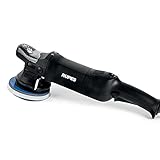
Overview: The Rupes LHR 15ES represents Italian engineering excellence in a compact random orbital polisher designed for serious automotive enthusiasts and professional detailers. This 500-watt machine delivers robust power through its 15mm orbit path, making it ideal for paint correction on medium to large panels. The tool’s construction reflects premium craftsmanship with attention to detail that justifies its professional-grade designation.
What Makes It Stand Out: The standout feature is the strategically placed variable speed dial that remains accessible during operation, allowing real-time adjustments without interrupting your workflow. This practical design element, combined with remarkably silent operation and minimal vibration, creates a user experience that cheaper competitors simply cannot match. The 500-watt motor provides ample power for moderate to heavy defect removal while maintaining smooth, consistent performance.
Value for Money: At $315, the LHR 15ES sits in the sweet spot between budget-friendly entry-level polishers and ultra-premium models. While significantly more expensive than basic alternatives, its durability and performance make it a wise long-term investment. Professional detailers will recoup the cost quickly through improved efficiency and results.
Strengths and Weaknesses: Strengths include exceptional build quality, intuitive speed control, quiet operation, and powerful 500W motor. The Italian craftsmanship ensures longevity. Weaknesses are the lack of included accessories (no pads or polishes), potentially intimidating learning curve for absolute beginners, and absence of advanced features found in newer Mark V models. The single-year warranty feels limited at this price point.
Bottom Line: The LHR 15ES is an excellent choice for committed hobbyists and professionals seeking reliable, high-performance paint correction without paying for the latest generation technology. If you value craftsmanship and practical functionality over cutting-edge features, this polisher deserves serious consideration.
2. Rupes LHR75E#120/H6/US/STD Random Orbital Polisher

Overview: The Rupes LHR75E distinguishes itself through ergonomic innovation, prioritizing user comfort during extended detailing sessions. This 400-watt random orbital polisher features a compact design optimized for maneuverability and control, particularly on complex curves and vertical panels. The non-slip rubber inserts and thoughtfully shaped body demonstrate Rupes’ commitment to reducing operator fatigue.
What Makes It Stand Out: The ergonomic architecture sets this model apart, with strategically placed rubber inserts providing secure grip even with wet hands. The soft-start mechanism ensures gradual acceleration, preventing product sling and giving operators complete control from the moment of engagement. Critically, the electronic speed control allows adjustment without stopping work—a feature that significantly boosts productivity.
Value for Money: Priced at $315, it competes directly with the more powerful LHR 15ES, trading wattage for ergonomic superiority. For professionals spending hours daily behind a polisher, this comfort premium justifies the equal pricing. However, budget-conscious buyers might find better power-to-price ratios elsewhere.
Strengths and Weaknesses: Strengths include outstanding ergonomics, excellent control mechanisms, soft-start functionality, and superior grip design. The Made-in-Italy quality ensures reliability. Weaknesses center on the 400-watt motor, which may struggle with heavy correction work compared to 500W alternatives. The one-year warranty is disappointingly short for a professional tool, and the model lacks the advanced gear technology of newer iterations.
Bottom Line: Choose the LHR75E if comfort and control are your top priorities. It’s ideal for detailers who prioritize ergonomics over raw power, particularly those working on intricate body panels. For heavy defect removal, consider more powerful options.
3. Rupes LHR21ES Big Foot Random Orbital Polisher

Overview: The Rupes LHR21ES extends the Big Foot line with a larger 21mm orbit designed for maximum efficiency on expansive panels. This 500-watt polisher tackles large surfaces like hoods and roofs with fewer passes, significantly reducing work time. The tool maintains Rupes’ signature Italian craftsmanship while introducing intelligent safety features that protect both operator and vehicle finish.
What Makes It Stand Out: The anti-spinning feature represents a significant safety innovation, preventing the pad from reaching dangerous rotational speeds that could cause holograms or burns. Combined with the soft-start acceleration ramp, this creates a foolproof system that minimizes beginner mistakes. The larger orbit covers more territory per pass, making it exceptionally efficient for professional workflows.
Value for Money: At $335, the modest price increase over the LHR 15ES reflects the larger orbit and enhanced safety systems. For professionals working primarily on trucks, SUVs, or large sedans, the time savings justify the premium. Hobbyists with smaller vehicles may find the standard 15mm orbit more versatile.
Strengths and Weaknesses: Strengths include powerful 500W motor, innovative anti-spinning protection, efficient 21mm orbit, and quality construction. The soft-start prevents product waste. Weaknesses include reduced maneuverability on tight curves and complex body lines, slightly higher cost, and the absence of a complete kit. The tool’s size may prove cumbersome for novices.
Bottom Line: The LHR21ES excels for experienced users focused on large vehicles. Its safety features provide peace of mind, while the expanded orbit boosts productivity. If you frequently detail trucks or large SUVs, this polisher is worth the investment. For smaller cars or beginners, the LHR 15ES remains more practical.
4. RUPES LHR15V Complete Kit for BigFoot Mark V Random Orbital Polisher - Additional Accessories Included - BigFoot Silver Tools Bag Included - Reduced Noise & Vibrations - Provides Optimal Balance
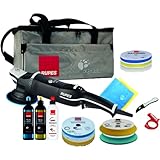
Overview: The LHR15V Complete Kit represents Rupes’ latest Mark V generation, delivering a comprehensive solution for professional-grade paint correction. This all-inclusive package bundles the revolutionary LHR15V polisher with premium accessories, eliminating guesswork for users building their detailing arsenal. The kit centers on a 5-inch backing pad with a precise 0.5-inch orbit, optimized for modern clear coats.
What Makes It Stand Out: The 47% reduction in noise and vibration compared to previous generations transforms the user experience, allowing hours of comfortable operation. POLYSYNTHEC composite gears require minimal lubrication while maximizing efficiency, representing genuine engineering advancement. PrecisionPro backing pads with protective rubber edges enable safe work on the most delicate surfaces and complex curves.
Value for Money: At $724, the kit commands a premium but delivers substantial savings versus purchasing components separately. The included BigFoot Silver Tools Bag, multiple polishing compounds, pads, and microfiber cloths provide immediate professional capability. For newcomers to professional detailing, this single purchase eliminates compatibility concerns and accessory hunting.
Strengths and Weaknesses: Strengths include cutting-edge vibration reduction, durable composite gears, complete accessory package, optimal balance, and protective pad design. The tool performs exceptionally on curves. Weaknesses include the high initial investment and potential redundancy for users owning compatible accessories. The kit’s comprehensiveness may overwhelm absolute beginners.
Bottom Line: This complete kit is the ultimate turnkey solution for serious enthusiasts and professionals entering the Rupes ecosystem. While expensive, the included accessories and technological advances justify the cost. If you’re starting fresh or upgrading from outdated equipment, this kit provides everything needed for superior results. Existing Rupes users should consider the standalone tool instead.
5. RUPES LHR15V Single BigFoot Mark V Random Orbital Polisher - Reduced Noise & Vibrations - Enhanced Motor Efficiency - Gears Require Minimal Lubrication - Provides Optimal Balance - Stable Grip

Overview: The standalone LHR15V Mark V polisher brings next-generation technology to professionals who already own compatible accessories. This 5-inch tool incorporates the same revolutionary engineering as the complete kit but without bundled extras. The Mark V series focuses on reducing operator fatigue while maximizing correction efficiency through improved motor and gear design.
What Makes It Stand Out: The 47% decrease in noise and vibration represents a massive leap forward, enabling extended sessions without the physical toll of traditional polishers. POLYSYNTHEC composite gears enhance durability while requiring minimal maintenance, translating to lower long-term ownership costs. The PrecisionPro backing pad system delivers exceptional balance and includes a protective rubber edge for working close to trim and edges.
Value for Money: Priced at $525, this tool-only option targets experienced users with existing pad and polish inventories. While expensive compared to previous generations, the technological improvements justify the premium for professionals. Hobbyists may struggle to justify the cost without bundled accessories, making the complete kit more economical for newcomers.
Strengths and Weaknesses: Strengths include revolutionary vibration reduction, efficient composite gear system, enhanced precision, stable grip, and durable construction. The reduced fatigue factor is genuinely transformative. Weaknesses include the high price for tool-only configuration and lack of included accessories. Users must ensure compatibility with existing pads and polishes.
Bottom Line: The LHR15V Single is the smart upgrade path for seasoned detailers invested in the Rupes ecosystem. Its technological advances significantly improve user comfort and efficiency. If you already own quality pads and compounds, this tool-only option provides Mark V benefits without redundant accessories. For first-time buyers, the complete kit offers better overall value.
6. RUPES LHR21 Mark III BigFoot Random Orbital Polisher | Perfect for Working Large Surface Areas | Improved Efficiency | Electronic Speed Control Dial | Progressive Trigger

Overview: The RUPES LHR21 Mark III BigFoot is a professional-grade random orbital polisher designed for large surface areas. Its 21mm orbit delivers exceptional paint correction power while maintaining safety through innovative anti-spinning technology. This corded machine targets serious detailers who demand efficiency without compromising paint integrity.
What Makes It Stand Out: The massive 21mm throw dramatically increases cutting efficiency, covering more area per pass than standard polishers. The anti-spinning feature prevents pad rotation when lifted, eliminating hologram risks. Its lightweight design and ergonomic side handle reduce fatigue during extended sessions, while the electronic speed control dial ensures consistent performance under varying pressure.
Value for Money: At $490, this premium tool justifies its cost through superior engineering and protective features. Budget alternatives may save money initially but risk expensive paint damage and lack the durability for professional use. For regular users, the time saved and consistent results deliver strong return on investment.
Strengths and Weaknesses: Strengths include exceptional efficiency on large panels, robust safety features, comfortable ergonomics, and reliable electronic speed maintenance. The switch lock design enables continuous operation without thumb strain. Weaknesses include corded limitations on mobility, significant upfront investment, and a learning curve for managing the aggressive throw on complex curves.
Bottom Line: The LHR21 Mark III is an excellent choice for serious enthusiasts and professionals seeking maximum efficiency with built-in safety margins. Its performance justifies the premium price for those committed to achieving flawless finishes.
7. RUPES HLR21 BigFoot iBrid Random Orbital Polisher Basic Kit - Includes Dual Charger, 2 Batteries, D-A Series High Performance Polishing Pads & Compounds

Overview: The RUPES HLR21 BigFoot iBrid kit revolutionizes paint correction with cordless freedom and professional-grade power. This comprehensive package includes the innovative iBrid polisher, dual batteries, charger, and premium D-A series pads and compounds. Designed for demanding detailers, it eliminates cord management while delivering 350W of brushless performance.
What Makes It Stand Out: The groundbreaking iBrid technology combines cordless convenience with professional power output, while the new gear design significantly reduces noise and vibration for enhanced precision. The included D-A COARSE and FINE compounds with matching foam and wool pads provide a complete system solution. Each pad’s UV-resistant packaging ensures optimal condition upon first use.
Value for Money: At $799, this kit represents significant value despite the premium price. Individual components purchased separately would cost substantially more, and the cordless versatility saves time while preventing cord-related paint damage. For mobile detailers or shop professionals, the efficiency gains and included consumables justify the investment over buying a bare tool and accessories separately.
Strengths and Weaknesses: Pros include exceptional cordless freedom, reduced vibration for better control, anti-spinning ring for heat reduction, and the comprehensive kit contents. The brushless motor delivers consistent power with superior ventilation. Cons include premium pricing, battery life limitations on extensive jobs, and the weight increase from battery power compared to corded models.
Bottom Line: This iBrid kit is ideal for professionals seeking cordless flexibility without sacrificing performance. The complete package and innovative features make it worth the premium for mobile operations and high-end detailing businesses.
8. RUPES HLR15 BigFoot iBrid Random Orbital Polisher Basic Kit - Includes Dual Charger, 2 Batteries, D-A Series High Performance Polishing Pads & Compounds
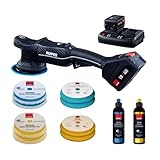
Overview: The RUPES HLR15 BigFoot iBrid kit offers a slightly more compact alternative to its 21mm sibling, featuring a 15mm orbit that balances cutting power with maneuverability. This cordless system includes dual 18V batteries, a smart dual charger, and professional-grade D-A series pads and compounds for complete paint correction capability.
What Makes It Stand Out: The 15mm throw provides excellent correction speed while remaining more forgiving on complex curves than larger orbits. The intelligent dual charger prioritizes the highest-voltage battery, ensuring you always have a full charge ready. The 5 Ah battery capacity delivers prolonged operation, while the reduced vibration gear technology maintains precision control throughout extended sessions.
Value for Money: Priced at $772, this kit offers nearly identical value to the HLR21 version with enhanced versatility for varied surfaces. The included consumables alone represent significant savings over separate purchases. For detailers working on modern vehicles with more contours, the 15mm orbit’s balance of power and control provides better overall utility than the more aggressive 21mm option.
Strengths and Weaknesses: Strengths include optimal orbit size for versatility, smart charging system, reduced vibration design, and comprehensive kit contents. The Li-ion battery provides reliable power delivery. Weaknesses include premium cost, battery weight, and slightly slower correction on large flat panels compared to the 21mm version.
Bottom Line: The HLR15 iBrid kit excels as the most versatile cordless option, perfect for detailers needing flexibility across varied vehicle designs. Its balanced performance and intelligent features justify the investment for professional-grade mobile correction.
9. RUPES Nano Long Neck Box Kit

Overview: The RUPES Nano Long Neck Box Kit addresses the challenge of polishing intricate areas and electronic surfaces with a specialized design that extends reach and enhances precision. This versatile system tackles swirls and defects on painted surfaces while including compounds and pads specifically selected for detailed work.
What Makes It Stand Out: The elongated neck design provides unprecedented access to tight engine bays, door jambs, and complex body lines where standard polishers cannot reach. The anti-spinning feature prevents high-speed rotations that could damage sensitive electronics or delicate trim. Its compact, lightweight construction makes it exceptionally portable for mobile detailers.
Value for Money: At $505, this specialized kit offers targeted value for detailers facing unique access challenges. While general-purpose polishers struggle in confined spaces, the Nano Long Neck’s dedicated design prevents costly damage and achieves results impossible with standard tools. For shops regularly handling high-end vehicles or restoration projects, this investment eliminates the need for risky hand polishing in critical areas.
Strengths and Weaknesses: Pros include exceptional reach for intricate areas, lightweight portability, versatile speed control, and included protection pads. The coarse compound effectively restores neglected surfaces. Cons include limited use for large panel work, premium price for a niche tool, and potential durability concerns with the extended neck design under heavy stress.
Bottom Line: This kit is essential for professional detailers requiring precision access to difficult areas. While not a primary polisher, its specialized capability justifies the cost for those regularly tackling intricate detailing challenges.
10. RUPES iBRID MINI polisher STB 1-HLR75 1-Charger 2-Battery Pack

Overview: The RUPES iBrid Mini HLR75 represents the pinnacle of compact polishing technology, designed specifically for challenging shapes and intricate areas where full-sized tools prove ineffective. With its 12mm orbit and 75mm backing plate, this dual-power polisher excels on modern complex vehicle designs, offering both battery and corded operation.
What Makes It Stand Out: The innovative iBrid technology provides unmatched flexibility, switching between corded reliability and cordless freedom in seconds. The diminutive size and 12mm stroke maximize effectiveness on curved surfaces, tight body lines, and compact areas. Ergonomic research results in exceptional comfort, while the 35-minute full charge time minimizes downtime during critical detailing sessions.
Value for Money: At $447, the Mini iBrid delivers specialized capability at a price point below many full-sized premium polishers. Its dual-power versatility eliminates the need for separate corded and cordless tools, while the compact design prevents paint damage in high-risk areas. For detailers investing in a comprehensive tool arsenal, this offers excellent specialized value.
Strengths and Weaknesses: Strengths include revolutionary dual-power flexibility, exceptional ergonomics, rapid charging, and precision control in tight spaces. The small form factor prevents accidental contact damage. Weaknesses include limited cutting power for heavy correction, premium pricing for a secondary tool, and battery life constraints during extended cordless use.
Bottom Line: The iBrid Mini is a must-have complement to any professional detailing setup, offering unparalleled access and flexibility. Its innovative design and dual-power capability justify the investment for detailers committed to perfection in every surface.
Why Rupes Polishers Dominate the Professional Detailing World
Walk into any high-end detailing studio and you’ll likely hear the distinctive hum of a rupes polisher. The brand’s dominance isn’t accidental—it’s built on decades of industrial tool manufacturing expertise combined with obsessive attention to the specific demands of paint correction. Unlike mass-market brands that adapt generic power tools for detailing, Rupes engineered their polishers from the ground up exclusively for automotive paintwork. This singular focus shows in every detail, from the vibration dampening that saves your hands during eight-hour correction sessions to the precise electronic controls that prevent paint damage. Professional detailers aren’t just buying a tool; they’re investing in a system designed to deliver consistent, repeatable results while protecting their most valuable asset—their reputation.
Understanding the Rupes Philosophy: Innovation Meets Ergonomics
Rupes operates on a simple but powerful principle: the best results come when technology serves the user, not the other way around. This philosophy manifests in their relentless pursuit of balance—literally and figuratively. Every component, from motor placement to handle geometry, is engineered to reduce user fatigue because a tired detailer makes mistakes. The brand’s commitment to ergonomics isn’t about comfort for comfort’s sake; it’s about enabling precision. When your hand doesn’t vibrate and your arm doesn’t ache, you maintain better control, work more efficiently, and achieve more uniform paint correction. This user-centric approach extends to their BigFoot system, which reimagined how pad, polish, and machine work together as a unified solution rather than separate components.
Key Features That Define Rupes Polishers
The BigFoot System Explained
The BigFoot system represents Rupes’ holistic approach to paint correction. Instead of treating the polisher as an isolated tool, BigFoot integrates machine, backing plate, pads, and compounds into a harmonized ecosystem. The magic lies in the engineering synergy: the polisher’s throw, speed range, and power delivery are specifically calibrated to work with designated pad sizes and foam compositions. This isn’t marketing fluff—it’s physics. The counterweights are precisely matched to the recommended pad weight, reducing vibration dramatically. The orbit speed complements the foam’s cutting ability, maximizing efficiency while minimizing heat buildup. When you commit to the BigFoot system, you’re not just buying compatibility; you’re unlocking a workflow optimized by engineers who understand that every variable in paint correction affects the final result.
Counterweight Technology and Vibration Reduction
Vibration is the silent killer of good paint correction. It causes micro-movements that create holograms, fatigues your hands, and reduces your ability to feel the paint’s response. Rupes’ proprietary counterweight system is a game-changer. Unlike traditional polishers that use generic counterweights, Rupes machines feature precision-machined, multi-plane balancing systems that account for not just the backing plate’s weight, but the entire rotating assembly including the pad and even the estimated polish weight. This attention to dynamic balance means you can run a Rupes at full speed without the bone-jarring vibration common in lesser machines. For professional detailers, this translates to hours of comfortable operation and the tactile feedback necessary to detect paint defects and monitor correction progress in real-time.
Electronic Speed Control Modules
Modern paint correction demands precision beyond simple on/off switches. Rupes’ electronic speed control modules deliver consistent RPM and OPM (orbits per minute) regardless of pressure, pad wear, or battery level in cordless models. This load-sensing technology prevents the dreaded “bog down” that can overheat paint or create uneven cutting. More importantly, these modules provide soft-start functionality, eliminating the dangerous torque kick when you pull the trigger. Progressive acceleration protects both the user and the vehicle from accidental marring. The finest Rupes controllers also include torque limiting features that automatically reduce power if the machine detects excessive resistance, preventing pad stalling and potential paint damage—an invaluable safety net for those new to paint correction.
Orbital vs. Rotary: Which Rupes Technology Suits Your Needs?
The orbital versus rotary debate is fundamental to choosing the right Rupes polisher. Rotary machines spin the pad on a single axis, delivering maximum cutting power but requiring significant skill to prevent holograms and paint burn-through. Rupes’ rotary polishers are favored for severe defect removal and hard paint systems but demand respect and experience. Orbital polishers—Rupes’ specialty—move the pad in an overlapping circular motion (like the Earth orbiting the sun while rotating). This dual-action movement drastically reduces the risk of paint damage while still delivering exceptional correction ability. For 95% of users, a Rupes orbital polisher is the smart choice, offering a safety margin that protects against costly mistakes while achieving results that rival rotary machines when paired with the right pad and compound combination.
The Importance of Throw: Long-Throw vs. Standard Orbit
“Throw” refers to the diameter of the polisher’s orbit—the distance the pad travels from its center point. Standard throw machines typically offer 8mm or 15mm orbits, while Rupes revolutionized the industry with their 21mm long-throw polishers. The longer throw covers more surface area per pass, increasing efficiency and reducing the number of required passes. This sounds universally better, but there’s nuance. Long-throw machines require more power, generate more heat, and can be slightly more challenging to control on complex curves and tight body lines. They excel on large, flat panels like hoods and doors. Standard throw machines offer more precise control in confined areas and work better on smaller panels or vehicles with intricate bodywork. Many professional detailers own both, using long-throw for efficiency on large jobs and standard throw for detail work and motorcycles.
Power Sources: Corded vs. Cordless Rupes Models
The cordless revolution has reached paint correction, and Rupes’ battery-powered models deliver performance that rivals their corded counterparts. Modern lithium-ion technology provides consistent power output throughout the charge cycle, eliminating the voltage drop that plagued early cordless tools. Cordless polishers offer unparalleled freedom of movement—no cord management, no risk of dragging a cord across freshly polished paint, and the ability to work anywhere. They’re ideal for mobile detailers, auction preparation, and working in tight garages. However, corded models still hold advantages: unlimited runtime, slightly lighter weight without batteries, and maximum consistent power for heavy correction sessions. The choice often comes down to workflow. If you work in a fixed location with readily available power, corded models offer simplicity. If mobility defines your business, cordless flexibility is worth the premium price and occasional battery swap.
Ergonomics and User Comfort: A Deep Dive
Weight Distribution and Balance
A polisher’s stated weight means little if it’s poorly distributed. Rupes engineers obsess over center of gravity, positioning motors, gearboxes, and electronic components to create a neutral balance point near the trigger hand. This design means the machine feels lighter than it actually is because you’re not constantly fighting torque or supporting a nose-heavy tool. When evaluating balance, consider how the polisher feels when you lift it, when you place it on a panel, and when you work vertically on doors. A well-balanced Rupes should feel like a natural extension of your arm, allowing you to focus on technique rather than wrestling the machine. This becomes critically important during multi-day correction projects where cumulative fatigue directly impacts result quality.
Handle Configurations
Rupes offers multiple handle styles—traditional pistol grip, side handles, and even harness systems for their largest machines. The pistol grip design on many orbital models allows ambidextrous use and natural wrist positioning, reducing strain during extended sessions. Side handles provide additional control for vertical surfaces and one-handed operation but can interfere with access to tight areas. Some models feature soft-grip overmolding that absorbs vibration and provides secure grip even with sweaty hands. When choosing, consider your typical working positions. Do you often sit while polishing lower panels? A side handle might be essential. Do you prefer maximum maneuverability? A streamlined pistol grip could be ideal. The best configuration is the one that disappears in your hand, letting you forget about the tool and focus entirely on the paint.
Backing Plate Sizes and Their Applications
Backing plate diameter directly impacts your polishing efficiency and ability to access tight areas. Rupes polishers are typically designed around specific backing plate sizes—5-inch (125mm) and 6-inch (150mm) being most common. The 6-inch configuration covers large areas quickly, making it ideal for SUVs, trucks, and flat panels. However, larger plates struggle on complex curves, around badges, and in tight spots like door handles. The 5-inch setup offers superior versatility, conforming better to body lines and providing more focused pressure for deeper defect removal. Some Rupes models accommodate smaller 3-inch or 4-inch plates for intricate work on mirrors, spoilers, and motorcycles. Professional detailers often use a two-machine approach: a 6-inch for broad correction and a 3-inch for detail work. If you’re starting with one machine, a 5-inch configuration offers the best compromise between coverage and precision.
Speed Variables: Understanding RPM, OPM, and Real-World Impact
Polisher specifications often highlight maximum speeds, but the usable range and control granularity matter more. Rupes machines typically offer speed dials with 5-6 distinct settings, each representing a practical working range rather than arbitrary numbers. Low speeds (1-2) are for spreading polish and working delicate areas; medium speeds (3-4) handle most correction work; high speeds (5-6) provide maximum cutting for severe defects. The relationship between RPM (rotations per minute) and OPM (orbits per minute) reveals machine character. A high OPM with moderate RPM indicates a fast-cutting, finish-refining machine. Conversely, lower OPM with higher RPM suggests a more aggressive correction tool. Understanding this balance helps you select the right machine for your primary use case—heavy cutting, general correction, or finish polishing.
Noise and Vibration Levels: What to Expect
Professional detailing environments amplify every sound, and polisher noise directly affects user fatigue and communication with clients. Rupes polishers operate remarkably quietly for their power class, typically generating 70-80 decibels under load—comparable to a vacuum cleaner rather than a screaming power tool. This acoustic control comes from precision gearing, balanced rotating assemblies, and sound-dampening motor mounts. Vibration levels are equally impressive. While no orbital polisher is vibration-free, Rupes machines transmit minimal feedback to the user, especially when used with the recommended BigFoot pad system. This matters because excessive vibration causes hand-arm vibration syndrome (HAVS) over time, reduces tactile feedback, and makes it harder to detect pad stalling or paint heating. When testing a polisher, run it at full speed with no pad. If your hand feels numb after 30 seconds, keep looking. A quality Rupes should feel smooth and controlled.
Price Tiers and What Justifies the Investment
Rupes polishers command premium prices, and understanding the value proposition helps justify the investment. Entry-level Rupes models (relatively speaking) focus on core orbital technology without advanced electronic features. They deliver exceptional correction ability and ergonomics but may lack the refinement of higher-tier options. Mid-range models introduce enhanced electronics, better counterweight systems, and improved power delivery—features that matter for daily professional use. Top-tier Rupes polishers boast brushless motors, advanced torque management, and the latest battery technology in cordless versions. The price jump between tiers reflects not just features, but durability under commercial use. For hobbyists correcting a few cars annually, an entry-level Rupes provides lifetime performance. For professionals billing 40+ hours weekly, the premium models’ reliability and features pay for themselves through increased efficiency and reduced downtime. Consider your usage frequency and revenue per job when determining which tier makes financial sense.
Matching Your Polisher to Your Paint Correction Goals
Beginner-Friendly Options
If you’re new to machine polishing, certain Rupes characteristics will accelerate your learning curve while protecting paint. Look for machines with generous orbit diameters (15mm or 21mm) that resist creating holograms, soft-start electronics that prevent jerky movements, and intuitive speed controls that don’t overwhelm with options. The learning curve with a quality orbital polisher is measured in hours, not weeks, but beginner-friendly features reduce the anxiety of your first few jobs. Machines that pair with a wide range of pad aggressions give you room to grow—start with finishing pads and light polish, then gradually step up to cutting pads as your confidence builds. The goal is a polisher that forgives your mistakes while teaching you proper technique through responsive feedback.
Professional-Grade Performance
For seasoned detailers, performance metrics shift from forgiveness to efficiency and durability. Professional-grade Rupes polishers offer higher torque reserves that maintain speed under pressure, critical for heavy cutting on hard clear coats. They feature more robust gearboxes rated for thousands of hours of continuous use and electronics that provide granular feedback about load and performance. Battery life becomes crucial—professional models offer swappable battery systems that keep you working through large jobs. Weight matters less than power delivery consistency; a slightly heavier machine that maintains perfect orbit under load outperforms a lightweight unit that bogs down. Professionals should also consider serviceability—machines with replaceable brushes, easily accessible bearings, and robust warranty support minimize expensive downtime when the tool is your livelihood.
Essential Accessories and Ecosystem Compatibility
Investing in a Rupes polisher means committing to an ecosystem. The backing plate thread size, pad diameter, and weight specifications are optimized for BigFoot pads. While adapters exist to use third-party pads, doing so sacrifices the precision balancing that defines the Rupes experience. Factor accessory costs into your budget: quality backing plates, multiple pad types (coarse, medium, fine, ultra-fine), dedicated polishes, and pad cleaning tools. Rupes’ color-coded system simplifies selection—yellow for cutting, green for medium, blue for finishing, white for ultra-fine. This systematic approach eliminates guesswork and ensures predictable results. Don’t overlook maintenance accessories like bearing lubricant and brush replacements. A complete setup might cost 50% more than the machine alone, but this investment unlocks the full potential of your polisher and protects your warranty.
Maintenance Tips for Longevity
A Rupes polisher is a precision instrument that rewards proper care with decades of service. After each use, wipe down the machine body with a microfiber cloth to remove polish splatter before it hardens. Weekly, blow out the motor vents with compressed air to prevent dust buildup that causes overheating. Monthly, inspect the backing plate threads for damage and ensure the plate spins true without wobble. Annually, professional users should have the machine serviced—brushes replaced, bearings inspected, and gearbox lubricated. For cordless models, battery care is critical: store batteries at 50% charge in cool, dry conditions, and avoid running them completely dead. Never submerge your polisher in water or use harsh solvents on plastic components. With proper maintenance, a Rupes polisher becomes a lifetime tool that outlasts multiple vehicles.
Frequently Asked Questions
What’s the difference between a dual-action and random orbital polisher from Rupes?
These terms are often used interchangeably, but Rupes’ dual-action polishers feature a forced rotation where the pad both orbits and rotates simultaneously. This ensures the pad keeps spinning even under pressure, preventing stalling and maintaining consistent cutting. Random orbital machines rely solely on orbital movement with free rotation, which can stop under pressure. Rupes’ forced rotation design provides better defect removal while maintaining safety.
Can I use non-Rupes pads with my Rupes polisher?
Technically yes, but it’s not recommended. Rupes machines are precision-balanced for specific pad weights and dimensions. Third-party pads can introduce vibration, reduce efficiency, and potentially void warranty claims if damage occurs. The BigFoot ecosystem is designed as an integrated system where each component optimizes the others’ performance.
How long should a Rupes polisher last with regular use?
With proper maintenance, a corded Rupes polisher can easily exceed 10-15 years of weekend hobbyist use. Professional detailers using machines 40+ hours weekly typically see 3-5 years of reliable service before requiring major rebuilds. The brushless motor models have fewer wear items and can last even longer. Regular cleaning and annual servicing dramatically extend lifespan.
Is a long-throw polisher better for beginners?
Surprisingly, yes. The 21mm throw’s larger orbit makes the machine more resistant to creating holograms and buffer trails. The wider movement distributes heat better and reduces the risk of concentrated pressure spots. While long-throw machines feel more powerful, they’re actually more forgiving, making them excellent learning tools despite their aggressive appearance.
What’s the learning curve like for someone new to machine polishing?
Most users achieve competent, safe results within 2-3 practice sessions on a test panel. Mastering advanced techniques and understanding paint response takes months, but the basics—spreading polish, maintaining pad contact, and monitoring paint temperature—are quickly learned with a quality orbital machine. Rupes’ smooth operation and safety features flatten the learning curve significantly compared to rotary polishers.
Do I need different polishers for different vehicles?
One quality orbital polisher with multiple pad and polish combinations can handle 90% of correction needs. However, professionals often add a 3-inch polisher for motorcycles, tight body lines, and detail work. If you specialize in large trucks or commercial vehicles, a dedicated 6-inch long-throw machine speeds up big jobs. For most enthusiasts, a single 5-inch orbital is the perfect starting point.
How do I know if I’m ready to step up from a consumer-grade polisher to Rupes?
If you find yourself limited by machine power, battling excessive vibration, or wanting more consistent results, you’re ready. Other signs include: your current polisher bogs down under light pressure, you can’t maintain consistent speed, or you’re polishing more than 6-8 cars annually. The investment makes sense when tool limitations are holding back your results or causing physical fatigue.
Are cordless Rupes polishers as powerful as corded models?
Modern cordless Rupes machines with brushless motors deliver 90-95% of corded performance in real-world use. The difference is negligible for most correction work. Battery voltage sag under heavy load is minimal thanks to advanced electronics. The primary trade-off is runtime and slightly higher weight. For intensive cutting sessions, corded models maintain absolute peak performance longer, but cordless flexibility often outweighs this minor power advantage.
What maintenance can I perform myself vs. what requires professional service?
Users can handle external cleaning, backing plate changes, brush replacements (on brushed motors), and basic inspections. Professional service should handle gearbox rebuilds, bearing replacements, electronic diagnostics, and internal lubrication. Attempting internal repairs without proper training can damage precision components and void warranties. Think of it like a high-end car: you can change the oil, but leave the engine rebuild to certified technicians.
Why are Rupes polishers significantly more expensive than other brands?
The price reflects Italian manufacturing quality, precision engineering, specialized components, and extensive R&D focused exclusively on paint correction. Rupes machines use custom-wound motors, precision-machined gears, and advanced electronics not found in consumer-grade tools. You’re paying for durability under commercial use, ergonomic excellence that reduces fatigue, and a support network that understands professional detailing. When amortized over years of daily use, the cost-per-job difference is pennies, while the results and reliability difference is substantial.