Your car’s rubber seals are the silent guardians standing between you and the elements. Every time you slam a door, close a trunk, or enjoy a quiet drive in the rain, these unassuming strips of rubber work overtime to keep water, wind, and noise where they belong—outside. Yet they’re also one of the most neglected components in vehicle maintenance, often left to crack, shrink, and fail while owners focus on shinier, more obvious parts of their ride.
The truth is, caring for your car’s rubber seals isn’t just about preventing that annoying drip on your shoulder during a downpour. It’s about preserving your vehicle’s structural integrity, maintaining cabin quietness, and protecting against costly water damage that can lead to mold, electrical issues, and rust. Whether you’re restoring a classic beauty or maintaining a modern daily driver, understanding how to properly care for these vital components will pay dividends for years to come.
Top 10 Rubber Care Products
Detailed Product Reviews
1. 303 Products Rubber Seal Protectant – Protects & Conditions Seals on Doors, Windows, Hoods, Trunks Rejuvenates Color & Flexibility of Old & Dry Seals Weatherproofing & UV Protection, 3.4 fl.oz
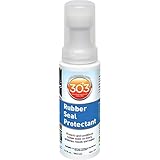
Overview: The 303 Products Rubber Seal Protectant is a specialized treatment designed to breathe new life into aging rubber seals throughout your vehicle. This 3.4-ounce bottle targets doors, windows, hoods, and trunks where rubber deterioration causes leaks, noise, and premature failure. The water-based formula penetrates deeply to restore flexibility and original color without the slick residue common with silicone-based alternatives.
What Makes It Stand Out: This protectant’s UV-blocking technology sets it apart from basic dressings, providing genuine long-term protection rather than temporary cosmetic improvement. The non-greasy finish is a game-changer—surfaces feel dry to the touch within minutes, eliminating dust attraction and messy transfer onto clothing. Its versatility extends beyond seals to vinyl and plastic trim, making it a multi-surface solution for comprehensive vehicle care. The simple wipe-on application requires no special tools or preparation.
Value for Money: At $8.79 for 3.4 ounces ($2.59 per fluid ounce), this sits in the mid-range for specialized seal treatments. While pricier than generic dressings, its concentrated formula means a little goes far. For vehicles with moderate seal degradation, one bottle handles multiple applications across all doors and windows. Compared to dealership seal treatments costing $50+, this DIY solution delivers professional results at a fraction of the price.
Strengths and Weaknesses: Strengths include superior UV protection, non-greasy application, quick drying time, and genuine restorative properties beyond mere surface coating. The precision applicator tip allows targeted application without waste. Weaknesses are the small bottle size for larger vehicles or fleets, and the initial chemical odor that dissipates quickly. Results last 4-6 weeks, requiring seasonal reapplication.
Bottom Line: For car owners battling brittle, faded seals, this protectant offers an excellent balance of performance and convenience. It’s particularly valuable for vehicles parked outdoors where UV damage accelerates rubber aging. The non-greasy formula alone justifies the modest premium over bargain alternatives.
2. nextzett Gummi Pflege Rubber Care Stick – Car Weatherstrip & Seal Conditioner – Prevents Freezing, Cracking, Fading – 3.4 fl oz

Overview: The nextzett Gummi Pflege Rubber Care Stick is a precision-engineered German solution for maintaining vehicle weatherstripping. This 3.4-ounce stick format delivers professional-grade conditioning specifically formulated to combat the dual threats of winter freezing and summer UV degradation. Unlike spray-on dressings, this targeted applicator focuses on door, window, and trunk seals where flexibility is critical for proper closure and noise isolation.
What Makes It Stand Out: The built-in sponge-tip applicator provides unmatched precision, eliminating overspray and waste while ensuring even coverage on vertical surfaces. Its most distinctive feature is freeze protection—treated seals remain pliable in sub-zero temperatures, preventing doors from freezing shut. The German-developed formula restores a natural satin finish without greasy residue, maintaining the OEM appearance. This isn’t just a cosmetic dressing; it actively maintains the rubber’s molecular elasticity through advanced polymer chemistry.
Value for Money: Priced at $12.95 ($3.81 per fluid ounce), this commands a premium over domestic alternatives. However, for northern climate drivers, the freeze-prevention capability alone justifies the cost. The no-waste applicator design stretches the product further than spray equivalents, and professional detailers’ endorsement adds credibility. When compared to the cost of replacing damaged weatherstripping ($200+ per door), this preventive care represents exceptional long-term value.
Strengths and Weaknesses: Strengths include the innovative applicator design, proven cold-weather performance, non-greasy satin finish, and concentrated German formula that lasts 3-4 months per application. It effectively eliminates seal squeaking and sticking. Weaknesses are the higher price point, limited versatility (primarily for rubber seals), and the need for multiple passes on heavily oxidized rubber. The sponge tip requires cleaning to prevent hardening between uses.
Bottom Line: For drivers in harsh winter regions, this is the gold standard in seal maintenance. The premium price delivers tangible benefits that generic products cannot match. It’s a specialized tool worth owning, particularly for German vehicle owners seeking OEM-compatible care.
3. Tire Dressing, Tire Protectant, No Tire Shine, No Dirt Attracting Residue 32oz Natural Satin/Matte Finish, Aircraft Grade Rubber Tire Care Conditioner, Better Than Automotive Products
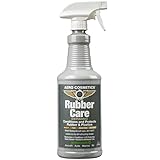
Overview: This aircraft-grade rubber conditioner transcends automotive standards with its massive 32-ounce size and professional formulation. Meeting Boeing aircraft specification D6-17487T, it treats tires, weatherstripping, and plastic trim with a triple nano-ceramic polymer formula. The product delivers a natural satin/matte finish that remains dry to the touch, eliminating the primary complaint with traditional tire shines—dirt attraction and sling onto body panels.
What Makes It Stand Out: The aircraft certification isn’t marketing fluff; it guarantees compatibility with high-performance rubber compounds under extreme conditions. The triple nano-ceramic polymer technology provides UV protection that automotive products simply cannot match, blocking degradation at the molecular level. Unlike water-based dressings that wash away quickly, this creates a durable, flexible barrier lasting months rather than weeks. The 32-ounce quantity transforms it from a consumer product into a professional shop staple.
Value for Money: At $19.95 for 32 ounces (roughly $0.62 per ounce), this offers the best cost-per-ounce ratio in its class. One bottle treats dozens of tires and multiple vehicles for over a year. For detailing enthusiasts or multi-car families, the savings versus buying 3-4 small bottles of premium dressings is substantial. The aircraft-grade performance at consumer pricing represents exceptional value.
Strengths and Weaknesses: Strengths include unmatched UV protection, zero dirt attraction, professional-grade durability, massive volume, and versatility across all rubber and plastic surfaces. The matte finish appeals to enthusiasts seeking OEM+ appearance. Weaknesses are the initial learning curve for proper application, potential overkill for casual users, and the larger upfront investment. Storage space may be an issue for some.
Bottom Line: For serious car care enthusiasts or those maintaining multiple vehicles, this is the definitive rubber care solution. The aircraft-grade formulation and economy size make it a wise long-term investment that outperforms and outlasts conventional automotive products.
4. 303 Products Rubber Seal Protectant – Windows, Hoods, Trunks, Rejuvenates Color & Flexibility of Old & Dry Seals, Weatherproofing & UV Protection, 3.4 fl.oz (Pack of 2)
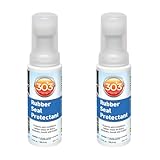
Overview: This twin-pack of 303 Rubber Seal Protectant delivers the same proven formula as the single bottle but doubles the value for multi-vehicle households or comprehensive restoration projects. Each 3.4-ounce bottle treats all rubber seals on a typical sedan, making the two-pack ideal for SUVs, trucks, or maintaining both daily driver and classic car collections. The package maintains identical performance characteristics—UV defense, non-greasy finish, and deep penetration for flexibility restoration.
What Makes It Stand Out: The bulk packaging addresses the primary limitation of the single bottle—insufficient quantity for larger jobs. Having two bottles allows simultaneous treatment of primary and secondary vehicles without rationing product. The consistent formulation ensures predictable results across all applications, and the second bottle remains sealed for maximum shelf life. This is essentially a “buy one, get one discounted” approach from a trusted American brand.
Value for Money: At $17.99 for 6.8 total ounces ($2.65 per ounce), the two-pack saves approximately $1.60 versus purchasing separately. More importantly, it eliminates reorder delays when you discover additional seals needing treatment. For vehicles with extensive rubber trim—convertibles, station wagons, or off-road trucks—the second bottle proves essential. The value compounds when treating garage door seals, window air conditioning units, or other household rubber components.
Strengths and Weaknesses: Strengths include cost savings over single bottles, adequate supply for large vehicles, sealed freshness for the second unit, and the same trusted UV protection and non-greasy benefits. The two-pack is perfect for seasonal reapplication routines. Weaknesses remain the small individual bottle size for commercial use, and the 2-year shelf life means the second bottle must be used reasonably promptly. The applicator design is unchanged from the single version.
Bottom Line: For anyone with more than one vehicle or a single vehicle with extensive rubber components, this two-pack is the smart purchase. The modest savings and convenience of having backup product make it superior to buying individually. It’s the same great formula with better economics.
5. Mothers VLR Vinyl-Leather-Rubber Care, 24 oz. — Cleans, Conditions & Protects In One Step – pH Balanced Formula with Neatsfoot Oil & Lanolin To Protect Against Drying, Fading & Cracking (06524)

Overview: Mothers VLR breaks from single-purpose seal protectants by offering a triple-action formula that cleans, conditions, and protects vinyl, leather, and rubber surfaces simultaneously. This substantial 24-ounce bottle delivers pH-balanced care infused with natural neatsfoot oil and lanolin, targeting the root causes of material degradation. While not exclusively for weatherstripping, its rubber conditioning capabilities make it a versatile addition to any detailing arsenal, particularly for interior and exterior trim maintenance.
What Makes It Stand Out: The all-in-one approach eliminates separate cleaning and conditioning steps, saving significant time during detailing sessions. The pH-balanced formula safely removes ground-in dirt without damaging sensitive surfaces—a critical advantage over harsh all-purpose cleaners. Neatsfoot oil and lanolin provide deep nourishment that synthetic dressings cannot match, restoring suppleness to dried-out seals and trim. Mothers’ reputation for quality automotive chemicals ensures consistent batch performance.
Value for Money: At $10.99 for 24 ounces ($0.46 per ounce), this is the most economical option per volume. The multi-surface capability means one product replaces three separate purchases. For budget-conscious enthusiasts or those maintaining older vehicles with varied materials, this represents exceptional value. The large size provides dozens of applications across multiple vehicles, making it ideal for club meets or neighborhood detailing sessions.
Strengths and Weaknesses: Strengths include outstanding cost efficiency, true cleaning ability, natural conditioning agents, pH-balanced safety, and versatility across interior and exterior surfaces. It effectively removes oxidation while protecting. Weaknesses are its lack of specialized UV blockers compared to dedicated seal protectants, potential for slight residue if over-applied, and the cleaning agents may strip existing protectants. Not ideal for freeze prevention.
Bottom Line: For general maintenance of mixed-material interiors and exterior trim, Mothers VLR is unbeatable value. It’s a workhorse product that delivers competent performance across multiple surfaces. Choose this for overall vehicle care rather than specialized seal restoration.
6. 3D Trim Care Restorer of Faded & Dull Plastic, Rubber, Trim & Bumpers - Renews Surface to Original Appearance - Long Lasting Shine & Protection 16oz.

Overview: 3D Trim Care Restorer targets faded automotive plastic, rubber, and trim, promising to revive surfaces to their original luster. This 16-ounce gel formula addresses the common problem of sun-bleached bumpers and trim pieces, offering a straightforward solution for aging vehicle exteriors.
What Makes It Stand Out: The non-greasy gel formulation penetrates deep into porous surfaces rather than sitting on top, creating more durable results. Unlike spray-on alternatives that wash away quickly, this product boasts impressive longevity that survives multiple car washes. The American-made quality backed by 25 years of research provides confidence in its chemical engineering.
Value for Money: At $19.99 ($1.25 per ounce), it sits in the mid-range tier. While cheaper than professional detailing services, it’s pricier than basic protectants. However, the concentrated gel means less product per application, and the long-lasting formula reduces reapplication frequency, ultimately delivering solid value for serious car enthusiasts.
Strengths and Weaknesses: Strengths include genuine restoration capability, non-greasy finish, impressive durability, and domestic manufacturing. The gel consistency allows precise application without overspray. Weaknesses involve limited versatility—it’s specialized for trim rather than multi-surface use. The price may deter casual users, and results depend heavily on proper surface preparation.
Bottom Line: For those specifically targeting faded trim and bumpers, 3D Trim Care delivers professional-grade results that justify its cost. It’s ideal for older vehicles showing their age, though multi-surface users may want a more versatile alternative.
7. 303 Products (30308CSR) UV Protectant Spray for Vinyl, Plastic, Rubber, Fiberglass, Leather & More – Dust and Dirt Repellant - Non-Toxic, Matte Finish, 16 Fl. oz., White
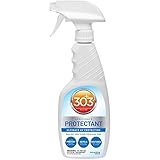
Overview: 303 UV Protectant Spray serves as a comprehensive shield for various automotive surfaces against sun damage. This versatile 16-ounce solution protects vinyl, plastic, rubber, fiberglass, and leather from UV rays, dust, and saltwater, making it ideal for both interior and exterior applications.
What Makes It Stand Out: The matte finish distinguishes it from glossy competitors, appealing to those preferring a factory-fresh appearance over artificial shine. Its non-toxic formula safely treats everything from dashboard vinyl to boat gel coat. The dust and dirt repellent properties actively keep surfaces cleaner between applications, reducing maintenance frequency.
Value for Money: Priced at $16.99 ($1.06 per ounce), it offers excellent value for a multi-surface protectant. The broad application range eliminates need for separate products, and the expiration guidance ensures you’re using effective formula. Compared to specialized single-use products, this versatility provides significant cost savings.
Strengths and Weaknesses: Major strengths include broad surface compatibility, UV protection, non-greasy matte finish, and safety for various materials. The spray application ensures even coverage. However, the recommended 3-5 week reapplication schedule demands commitment. The matte finish may disappoint those seeking high-gloss results, and the water-based formula lacks the deep penetration of gel alternatives.
Bottom Line: 303 UV Protectant excels as a versatile, safe maintenance product for diverse surfaces. It’s perfect for regular upkeep of daily drivers and marine equipment, though restoration projects may require more specialized treatments.
8. Smilyeez Listing for Wurth Rubber Care Silicone Free, Vehicle Rubber and Plastic Cleaner Article 8857000012 12 fl. oz. (1 Can) & Pocket Screwdriver

Overview: Wurth Rubber Care offers a silicone-free solution for treating vehicle rubber and plastic components. This 12-ounce cleaner and protectant prevents rubber degradation while enhancing appearance, packaged with a bonus pocket screwdriver for convenient application.
What Makes It Stand Out: The silicone-free composition ensures compatibility with surfaces where silicone could cause issues, particularly in body shops or paint environments. It prevents rubber from granulating and stops sticking or icing-up problems in weather seals. The formula is explicitly safe for adjacent paint and chrome, allowing worry-free application.
Value for Money: At $28.95 for 12 ounces, this is a premium-priced product. The cost per ounce is significantly higher than mainstream alternatives, though the specialized silicone-free formula justifies the price for professional users. The included screwdriver adds minimal value but demonstrates attention to user convenience.
Strengths and Weaknesses: Key strengths include the professional-grade silicone-free formula, versatility across rubber, vinyl, plastic, and leather, and safety for painted surfaces. It effectively refreshes color and provides soft luster. The main weakness is the high price point for casual consumers. The 12-ounce quantity is modest, and the product lacks UV protection claims found in competitors.
Bottom Line: Wurth Rubber Care suits professional detailers and enthusiasts working in silicone-sensitive environments. For average consumers, more affordable options exist, but the specialized formula delivers unmatched safety and performance where silicone contamination is a concern.
9. nextzett 91480815 Gummi Pflege Stift ‘Rubber Care Stick’, 3.4 fl. oz, 2 Pack
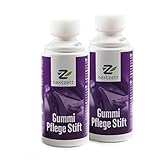
Overview: Nextzett Gummi Pflege Stift is a specialized rubber care stick designed specifically for automotive weather seals. This German-engineered treatment prevents drying and cracking in door, hood, and trunk seals, with each stick containing 3.4 ounces of product in a convenient applicator format.
What Makes It Stand Out: The built-in foam applicator provides precise, mess-free application directly to rubber seals without overspray or waste. Its temperature-resistant formula maintains flexibility in extreme conditions, crucial for vehicles experiencing varied climates. The focused purpose delivers superior results compared to multi-surface products used on seals.
Value for Money: At $30 for a two-pack ($15 per stick), the price seems high for the volume, but the specialized nature and effectiveness justify the cost for targeted use. Each stick treats multiple vehicles, and the precision application eliminates waste. For seal maintenance, it’s more economical than replacing degraded weather stripping.
Strengths and Weaknesses: Strengths include the precise applicator design, temperature resistance, genuine German manufacturing quality, and focused effectiveness on seals. It prevents freezing and sticking while maintaining pliability. Weaknesses are the limited scope—it’s unsuitable for exterior trim or plastic—and high cost per ounce. The small size may surprise buyers expecting a larger quantity.
Bottom Line: For dedicated seal maintenance, this product is unmatched in convenience and effectiveness. It’s essential for older vehicles or those in harsh climates, though general trim restoration requires additional products.
10. Meguiar’s G220216 Ultimate Insane Shine Protectant, Car Cleaning Spray That Creates a Lasting and Glossy Shine, Auto Care Product Safe for Exterior and Interior Surfaces, 16 Oz

Overview: Meguiar’s Ultimate Insane Shine Protectant delivers an intense glossy finish to vinyl, plastic, and rubber surfaces. This 16-ounce spray combines cleaning, shining, and protecting functions while offering UV protection for both interior and exterior applications.
What Makes It Stand Out: The extreme high-gloss finish creates a wet-look appearance that dramatically enhances surface appearance. Its all-in-one formulation simplifies maintenance by cleaning while protecting, reducing application time. The UV absorbers prevent fading, while the non-greasy formula avoids attracting dust common with oily protectants.
Value for Money: At $12.49 ($0.78 per ounce), this represents exceptional value among premium protectants. Meguiar’s brand reputation, combined with multi-function capability and large volume, makes it budget-friendly without sacrificing quality. It’s significantly cheaper than most competitors while delivering comparable or superior shine.
Strengths and Weaknesses: Strengths include outstanding gloss level, affordable pricing, UV protection, versatility across surfaces, and non-greasy finish. The spray format ensures easy application. Weaknesses involve the intense shine that may appear unnatural to some enthusiasts. The cleaning agents might not tackle heavy grime, requiring pre-cleaning for best results. The glossy finish can highlight imperfections.
Bottom Line: For those seeking maximum shine at minimum cost, this product delivers exceptional results. It’s ideal for show cars and enthusiasts wanting dramatic appearance enhancement, though subtlety seekers should look elsewhere.
Why Rubber Seal Maintenance Matters More Than You Think
The Hidden Cost of Neglected Seals
When rubber seals begin to deteriorate, the consequences cascade far beyond a slightly noisier cabin. Failed seals allow water infiltration that can destroy carpeting, corrode wiring harnesses, and create breeding grounds for toxic mold. Insurance claims for water damage frequently exceed $5,000, and that’s before considering the hit your vehicle’s resale value takes when a buyer spots cracked, brittle seals. The molecular structure of automotive rubber breaks down through oxidation, losing elasticity and compression memory—the very properties that create an effective barrier.
How Weather and UV Exposure Degrade Rubber
Automotive rubber compounds face a perfect storm of destructive forces. Ultraviolet radiation breaks down polymer chains through photo-oxidation, causing surface cracking and color fading. Ozone, present in higher concentrations in urban areas and near electrical equipment, attacks the carbon-carbon double bonds in rubber molecules. Temperature fluctuations cause repeated expansion and contraction, accelerating fatigue. In cold climates, rubber becomes stiff and loses its ability to conform to microscopic gaps. In hot climates, heat accelerates chemical degradation and can cause seals to become tacky or gooey.
Understanding Different Types of Car Rubber Seals
Door and Window Seals
These primary weatherstrips experience the most mechanical stress and environmental exposure. Door seals must compress and rebound thousands of times, often while coated in road grime and subjected to constant flexing. Window seals guide glass while maintaining a watertight barrier, dealing with friction and contamination from dust and debris. The material composition typically includes EPDM rubber with added plasticizers that migrate to the surface over time, which is why they often feel chalky when neglected.
Hood and Trunk Seals
Engine bay seals face extreme temperature cycling, from sub-zero starts to 200+ degree operating conditions. They must resist hot oil vapor, coolant mist, and atmospheric contaminants. Trunk seals protect your cargo area from water intrusion and exhaust fumes, often sitting in stagnant water when seals begin to fail. These seals typically use denser compounds that can withstand compression without taking a permanent set.
Sunroof and Convertible Top Seals
These seals operate in dynamic applications where they must seal while moving. Sunroof seals experience shear forces as the glass slides and must maintain flexibility in narrow channels. Convertible top seals must handle complex three-dimensional shapes and withstand folding and unfolding without cracking. The rubber here is often softer and more expensive, making proper care even more critical.
Key Ingredients That Make or Break a Rubber Care Product
Silicone vs. Water-Based Formulations
Silicone-based products create a hydrophobic barrier that repels water and provides UV protection, but they can attract dust and may interfere with paint adhesion if oversprayed. Water-based formulations penetrate deeper into rubber pores and are generally safer for surrounding surfaces, though they may require more frequent application. The choice depends on your climate and application precision. High-end products often use hybrid technologies that combine deep penetration with surface protection.
UV Inhibitors and Their Role
Quality rubber care products contain UV absorbers like benzophenone derivatives or hindered amine light stabilizers (HALS). These compounds work by absorbing harmful radiation and dissipating it as heat, preventing the breakdown of rubber polymer chains. Without these inhibitors, even conditioned rubber will continue to degrade when exposed to sunlight. The concentration and type of UV inhibitor separate premium products from basic dressings.
Petroleum Distillates: The Controversial Component
Many cheap rubber “conditioners” contain petroleum distillates that provide immediate softening but accelerate long-term degradation. These solvents swell rubber temporarily but leach out essential plasticizers, leaving seals brittle and prone to cracking. Premium products avoid these ingredients, instead using synthetic esters or natural oils that are chemically compatible with EPDM and neoprene compounds.
Application Methods: Getting It Right the First Time
Spray, Wipe, or Brush: Which Technique Works Best?
Spray application offers speed but risks overspray on glass and paint. Wipe-on products with applicator pads provide precision but may not reach deep into seal crevices. Brush application excels for textured seals and complex geometries, working product into every crevice. The professional approach often involves multiple methods: brush for deep conditioning, followed by a wipe to remove excess from adjacent surfaces.
The Critical Prep Work Most People Skip
Applying product to dirty seals is like waxing over mud. Proper preparation involves gentle cleaning with a pH-neutral rubber cleaner or diluted all-purpose cleaner to remove silicones, waxes, and contaminants. Use a soft brush to agitate without scratching, then dry thoroughly. For severely neglected seals, a clay bar can pull embedded contamination. This prep work ensures the conditioning agents penetrate rather than sit on top of grime.
Common Mistakes That Destroy Your Seals Faster
Over-Application Problems
More isn’t better when conditioning rubber seals. Excess product doesn’t absorb and instead attracts abrasive dirt, creating a grinding paste that wears seals prematurely. It can also migrate onto glass, causing smearing and wiper chatter. Over-saturation can soften seals excessively, reducing their compression strength and causing leaks. The key is multiple thin applications rather than one heavy coat.
Using Household Products as Substitutes
That bottle of olive oil or petroleum jelly in your kitchen might seem like a quick fix, but these substances oxidize and turn rancid, becoming acidic and attacking rubber. Dish soap strips away protective oils. Armor All and similar dashboard dressings often contain gloss agents that dry out rubber over time. Automotive rubber requires formulations designed for its specific chemistry and operating environment.
How to Choose the Right Product for Your Climate
Hot and Sunny Regions
In desert and tropical climates, prioritize products with maximum UV protection and heat resistance. Look for formulations specifically tested for high-temperature stability that won’t evaporate or become tacky in 120-degree cabin temperatures. Water-based products may dry too quickly in low humidity, requiring different application techniques.
Cold and Wet Environments
Northern climates demand products that remain flexible at sub-zero temperatures. Silicone-based formulations excel here, as they don’t freeze and maintain water-repelling properties. Anti-static additives become important to prevent seals from sticking to door frames in freezing conditions. Products should resist wash-off from road salt and slush.
Coastal Areas with Salt Air
Salt accelerates rubber degradation through chemical attack. Products for coastal use should include corrosion inhibitors and form a robust barrier against salt crystallization. Water-based formulas that penetrate deeply work well, but require more frequent reapplication. Consider products with anti-static properties to repel salt-laden air.
The Science Behind Rubber Conditioning
How Penetrating Oils Work
Quality rubber conditioners contain molecules small enough to migrate into the polymer matrix, replenishing plasticizers that have volatilized over time. These oils must have the right polarity to be compatible with EPDM rubber without causing swelling. They work by lubricating the molecular chains, restoring flexibility without weakening the structure. The best products use a blend of fast-penetrating and slow-release oils for both immediate and long-term benefits.
The Difference Between Cleaning and Conditioning
Cleaning removes contaminants and old dressings, resetting the rubber surface. Conditioning replenishes lost oils and provides protective chemistry. These are distinct processes requiring different products. Attempting to combine them results in compromised performance—cleaners can’t contain enough conditioning agents, and conditioners can’t clean effectively. Professional detailers always separate these steps for maximum efficacy.
Frequency: How Often Should You Treat Your Seals?
New Car Maintenance Schedules
For vehicles less than three years old with healthy seals, a quarterly treatment schedule prevents degradation before it starts. Apply in spring before heat and UV intensity peak, in fall before cold weather arrives, and twice during winter in harsh climates. This proactive approach uses minimal product and keeps seals in factory-fresh condition.
Restoring Older, Neglected Seals
Seals showing early signs of cracking or stiffness benefit from monthly treatments for the first three months, then transition to a quarterly schedule. Severely degraded seals may require bi-weekly applications for six weeks to slowly restore flexibility without causing delamination. The key is patience—forcing too much conditioner too quickly can cause the surface layers to separate from the base material.
Warning Signs Your Seals Are Crying for Help
Visual Indicators of Degradation
Look for surface crazing—fine spiderweb cracks that indicate UV damage. A chalky white residue means plasticizers have migrated out, leaving behind a degraded surface. Permanent compression set appears as flat spots where seals no longer spring back. Color changes from black to gray or brown signal oxidation. Shiny, sticky surfaces indicate chemical breakdown from contamination or inappropriate products.
Performance Issues You’ll Notice First
Wind noise increases as seals lose their compression memory. Water trails inside door jambs after rain point to seal failure. Doors that feel harder to close indicate seals have shrunk or hardened. Musty odors in the cabin suggest water is penetrating and mold is growing. In convertibles, fabric tops that flap more at highway speeds often have failing perimeter seals.
Professional vs. DIY: When to Call in the Experts
What Professional Detailers Do Differently
Pros use steam cleaners to open rubber pores before conditioning, allowing deeper penetration. They employ infrared thermometers to ensure seals are at optimal temperature for product absorption (typically 70-80°F). Many use compressed air to blow out drainage channels while treating sunroof seals. They also have access to professional-grade products with higher active ingredient concentrations not available to consumers.
Cost-Benefit Analysis
Professional seal treatment typically costs $75-150 as part of a detail package. DIY costs $10-30 in products but requires 1-2 hours of careful work. For new cars, DIY is economical. For classics or vehicles with severely degraded seals, professional restoration prevents costly mistakes. Consider professional service every other year with DIY maintenance in between for optimal cost-effectiveness.
Environmental and Health Considerations
VOC Regulations and What They Mean for You
Volatile Organic Compounds (VOCs) in rubber care products contribute to air pollution and can cause health issues. California and several states enforce strict VOC limits, forcing reformulation of many products. Low-VOC products often have less odor and are safer for enclosed garage use, though they may require longer drying times. Always check local regulations if you’re a professional or run a detailing business.
Biodegradable Options Worth Considering
Plant-based rubber conditioners using ingredients like lanolin, jojoba oil, or citrus extracts offer effective performance with minimal environmental impact. These products break down naturally and are safer for use near waterways. While historically less durable than synthetic formulas, modern biodegradable products can last 6-8 weeks, making them viable for environmentally conscious enthusiasts.
Storage and Handling Best Practices
Shelf Life Expectations
Unopened rubber care products typically last 2-3 years when stored properly. Once opened, oxygen begins degrading active ingredients, reducing effectiveness after 12-18 months. Products containing natural oils have shorter shelf lives than pure synthetics. Write the opening date on the bottle and discard if the product changes color, separates permanently, or develops an off odor.
Temperature Storage Requirements
Extreme temperatures destroy product chemistry. Store rubber conditioners between 50-80°F—never in uninsulated garages where freeze-thaw cycles cause separation. Heat accelerates oxidation and can cause pressurized spray cans to leak or burst. Keep products in their original containers with caps tightly sealed to prevent solvent evaporation and contamination.
Compatibility Concerns with Modern Vehicles
Painted Surface Safety
Modern waterborne paints are more sensitive to solvents than older lacquers and enamels. Some rubber conditioners can soften fresh paint or cause adhesion issues for subsequent wax applications. Always test products on an inconspicuous painted surface first. Water-based formulas are generally safer, while silicone-based products require careful masking of adjacent panels.
Interaction with Window Tinting
Rubber conditioners can wick under window film edges, causing delamination or discoloration. This is especially problematic with dyed films. Avoid spraying directly onto seals near tinted windows; instead, apply product to an applicator and carefully wipe only the rubber. If product contacts film, immediately clean with a tint-safe glass cleaner to prevent creeping.
The Long-Term ROI of Proper Seal Care
Preventing Expensive Water Damage
A $15 bottle of quality rubber conditioner used quarterly costs about $60 over five years. Replacing a single door seal can cost $200-400 in parts and labor. Water damage to a vehicle’s interior electronics, carpet, and insulation often exceeds $2,000. The math is clear: prevention is dramatically cheaper than repair, not to mention avoiding the inconvenience of a waterlogged vehicle.
Maintaining Resale Value
Buyers notice details, and cracked, deteriorated seals signal neglect. A vehicle with pristine seals appears well-maintained, supporting higher asking prices. Dealers often deduct $500-1,000 for seal issues during trade-in appraisals. Documenting regular seal maintenance with photos and receipts provides tangible proof of care that translates directly to dollars when it’s time to sell.
Frequently Asked Questions
How long does rubber conditioner take to dry before I can close my doors?
Most products require 15-30 minutes of dwell time for initial penetration, but full curing takes 2-4 hours. In humid conditions, extend drying time. For best results, apply conditioner with doors open on a dry day, and avoid closing them fully for at least an hour. If you must drive sooner, close doors gently and avoid high speeds for the first few hours to prevent seal deformation.
Can I use the same product on all my car’s rubber seals?
Generally yes, but with caveats. A quality all-purpose rubber conditioner works for door, trunk, and hood seals. However, convertible top seals and sunroof seals often benefit from specialized formulas designed for dynamic applications. These premium seals may require products with different viscosity and friction modifiers. Always check your vehicle’s manual for specific recommendations on specialty seals.
Why do my seals squeak after applying conditioner?
Squeaking indicates over-application or incompatibility. Excess product creates a lubricating film that allows rubber to slip against metal. Wipe seals thoroughly with a clean microfiber towel to remove surplus conditioner. If squeaking persists, the product may contain incompatible ingredients—switch to a water-based formula. In some cases, a light dusting of talc-free baby powder on the contact surface eliminates noise.
Is it possible to restore seals that are already cracked?
Minor surface cracking can be improved, but deep cracks indicate irreversible polymer breakdown. Conditioners can restore flexibility to the remaining intact rubber, preventing further cracking and slowing deterioration. However, they cannot “heal” or fill cracks. Severely cracked seals should be replaced, as they no longer provide reliable water or air barriers. Think of conditioner as preventative medicine, not a miracle cure.
How do I know if a product is safe for my car’s paint?
Test in an inconspicuous area like the inside of a door jamb. Apply a small amount, let it sit for 5 minutes, then wipe off. Check for any softening, dulling, or discoloration over 24 hours. Water-based products are inherently safer. Look for “paint-safe” or “body shop safe” labeling. When in doubt, mask adjacent painted surfaces with painter’s tape during application.
Can rubber conditioning prevent ice from freezing my doors shut in winter?
While conditioners reduce the likelihood of doors freezing, they’re not de-icers. Silicone-based products provide some anti-stick properties, but dedicated rubber treatments work best as preventatives applied before cold weather hits. For existing ice, use a commercial de-icer spray on the door edge, never hot water. To prevent freezing, apply conditioner in fall and consider a light coating of silicone spray on door striker plates and mating surfaces.
What’s the difference between rubber conditioner and rubber protectant?
Conditioners penetrate and replenish oils within the rubber matrix, restoring flexibility from the inside out. Protectants form a surface barrier against UV and environmental damage. The best products do both, but prioritize conditioning for older seals and protection for newer ones. Some two-step systems clean and condition first, then apply a separate protectant—overkill for most daily drivers but worthwhile for show cars.
Should I treat seals before or after washing my car?
Always treat seals after washing and drying your vehicle. Washing removes old product and contamination, while drying ensures the conditioner isn’t diluted. However, clean seals separately before the main wash to avoid getting soap residue trapped in rubber pores. The ideal sequence: clean seals with dedicated brush, wash entire car, dry thoroughly, then apply conditioner to seals as a final step.
Can I apply rubber conditioner in direct sunlight?
Avoid direct sunlight if possible. Hot rubber expands and becomes porous, causing product to absorb too quickly and unevenly. The heat also accelerates evaporation of carrier solvents before proper penetration occurs. Work in shade or a garage between 65-75°F. If you must work outside, do so in early morning or evening, and cool seals with a damp cloth before application.
How do I remove old, built-up product from previous treatments?
Built-up layers create a gummy residue that attracts dirt. Remove them using a dedicated rubber cleaner or a diluted degreaser (10:1 water to product ratio). Agitate with a stiff nylon brush, working in small sections. For severe buildup, a clay bar designed for rubber can pull contamination without abrasion. Rinse thoroughly and dry before applying fresh conditioner. This deep clean should be done annually, even with regular maintenance.