Your chassis lives a hard life. While you’re polishing the paint and detailing the interior, the underside of your vehicle is constantly battling road salt, moisture, stones, and chemical de-icers. This hidden battlefield is where structural integrity is truly tested, and where a quality chassis paint kit becomes not just an aesthetic choice, but a critical investment in your vehicle’s longevity. Unlike standard automotive paints that prioritize gloss and color matching, chassis coatings are engineered for maximum adhesion to bare metal, flexibility to withstand frame flex, and chemical resistance to repel everything from magnesium chloride to hydraulic fluid.
Choosing the right chassis paint kit requires more than grabbing the first rust-proofing product you see at the auto parts store. The market has evolved dramatically, with modern formulations offering everything from self-healing properties to ceramic-infused durability. Whether you’re restoring a classic muscle car, maintaining a daily driver, or building an off-road rig, understanding what separates exceptional kits from mediocre ones will save you countless hours of rework and potentially thousands in future rust repair costs.
Top 10 chassis paint kits
Detailed Product Reviews
1. KBS Coatings 5750201 Satin Black/Gloss Black All-In-One Chassis Paint Kit, Preps and Coats Entire Car or Truck Frame Complete Kit
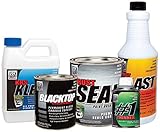
Overview: The KBS Coatings All-In-One Chassis Paint Kit positions itself as a comprehensive solution for DIY automotive restorers seeking professional results without the complexity of multi-component systems. This kit promises to prep and coat an entire car or truck frame with a UV-stable, highly durable finish that adheres tenaciously to properly prepared surfaces.
What Makes It Stand Out: True to its name, this kit eliminates guesswork by including everything needed for the job. Its versatility shines through multiple application methods—brush, roll, or spray—accommodating different skill levels and equipment availability. The formulation’s resistance to cracking, flaking, and peeling addresses common failure points in chassis coatings, while UV stability ensures the finish won’t fade under exposure to sun and elements.
Value for Money: At $96.95, this kit hits a sweet spot for enthusiasts. While not the cheapest option, it consolidates purchasing decisions and potentially saves money compared to buying primers, paints, and additives separately. The ability to apply it with basic tools further reduces upfront investment for hobbyists who don’t own spray equipment.
Strengths and Weaknesses: Strengths include the all-inclusive convenience, flexible application methods, and robust durability claims. The single-stage simplicity appeals to DIYers. However, the kit’s unspecified coverage area may leave buyers uncertain about quantity needs, and brush/rolled applications may not achieve the glass-smooth finish that professional spray systems deliver. The satin/gloss option description is also somewhat ambiguous.
Bottom Line: This kit excels for home mechanics undertaking their first chassis restoration or those wanting a straightforward, reliable solution without investing in expensive equipment. It’s a solid mid-range choice that prioritizes convenience and versatility over absolute professional-grade perfection.
2. Restoration Shop - Chassis Black (Gloss) Acrylic Enamel Auto Paint - Complete Gallon Paint Kit - Professional Single Stage High Gloss Automotive, Car, Truck, Equipment Coating, 8:1 Mix Ratio, 2.8 VOC
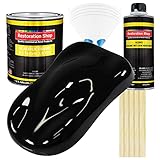
Overview: This Restoration Shop offering targets serious automotive restorers with a professional-grade acrylic enamel system designed for comprehensive chassis refinishing. The complete gallon kit provides over one gallon of sprayable material, making it suitable for entire frames, suspension components, and underbody areas requiring a high-gloss, durable finish.
What Makes It Stand Out: The kit’s professional pedigree is evident in its 8:1 mix ratio and inclusion of quality accessories: Wet Look Acrylic Hardener, nylon strainers, and mixing sticks. The single-stage high-gloss system delivers a show-quality finish while remaining approachable for skilled DIYers. Its fast-drying formulation resists chipping, chemical attack, and UV degradation—critical properties for underbody components facing harsh conditions.
Value for Money: At $174.99, this represents a premium investment, but the math favors buyers with large projects. The gallon-plus coverage容积 translates to approximately $0.14 per ounce—highly competitive for a professional coating system. When factoring in the included hardener and accessories, the kit eliminates separate purchases that could easily add $30-50 to competitor base prices.
Strengths and Weaknesses: Major strengths include professional-grade durability, excellent coverage, complete accessory package, and high-gloss aesthetic appeal. The 2.8 VOC formulation balances performance with environmental compliance. However, the 8:1 mixing ratio requires careful measurement, and acrylic enamel, while durable, may not match the ultimate longevity of urethane systems. The price may deter casual users with smaller projects.
Bottom Line: Ideal for restoration shops and dedicated enthusiasts tackling complete frame-off restorations. If you need maximum coverage with professional results and already own spray equipment, this gallon kit delivers exceptional value and performance that justifies its premium price point.
3. Restoration Shop - Chassis Black (Gloss) Acrylic Urethane Auto Paint - Complete Quart Paint Kit - Professional Single Stage High Gloss Automotive, Car, Truck Coating, 4:1 Mix Ratio, 2.8 VOC

Overview: This quart-sized kit from Restoration Shop brings professional acrylic urethane technology to DIYers and smaller-scale projects. Formulated as a high-performance single-stage coating, it delivers exceptional durability for automotive chassis, fleet vehicles, and industrial equipment where long-term protection is paramount.
What Makes It Stand Out: The acrylic urethane chemistry represents a significant upgrade over traditional enamels, offering superior chemical resistance and flexibility. The simpler 4:1 mix ratio reduces measurement errors, while the Made-in-USA manufacturing ensures quality control. Despite the smaller size, it maintains the professional standards of its gallon counterpart with included hardener and strainers.
Value for Money: Priced at $89.99, this kit offers remarkable access to urethane technology at a DIY-friendly price point. While providing roughly one quart of sprayable material, the cost-per-ounce remains competitive with lesser-quality enamels. It’s perfectly sized for motorcycle frames, axle housings, or partial chassis work, eliminating waste from purchasing larger quantities.
Strengths and Weaknesses: Strengths include premium urethane durability, user-friendly 4:1 mixing, quality accessories, and domestic manufacturing. The coating’s resistance to chipping and UV fading exceeds most single-component paints. The primary limitation is coverage—large truck frames will require multiple kits. Additionally, urethane application demands better ventilation and safety precautions than basic enamels.
Bottom Line: This quart kit is the smart choice for quality-conscious DIYers working on smaller projects or those wanting to test urethane performance before committing to a gallon. It bridges the gap between consumer and professional coatings, offering superior durability that justifies its moderate premium over basic paints.
4. Magnet Paint & Shellac UCP99-01 Chassis Saver Paint Gloss Black, 1 Gallon Can

Overview: Magnet Paint’s Chassis Saver takes a streamlined approach with a single-component, high-solids formula designed for maximum convenience. This gallon-sized offering targets users who want professional-level coverage without the complexity of mixing hardeners or dealing with multi-stage applications on underbody surfaces.
What Makes It Stand Out: The single-component nature eliminates mixing ratios and pot-life concerns entirely—simply stir and apply. High solids content ensures good coverage and build in fewer coats, while VOC compliance addresses environmental regulations. The gloss black finish provides traditional underbody aesthetics without sacrificing protection.
Value for Money: At $120.36 for a full gallon, this product sits in the mid-to-upper pricing tier. The value proposition centers on convenience and time savings: no hardener to purchase, no mixing mistakes to rectify, and simplified cleanup. For shops or individuals prioritizing workflow efficiency, these benefits offset the slightly higher initial cost compared to basic enamels.
Strengths and Weaknesses: Key strengths include foolproof application, excellent coverage from high solids, and immediate readiness. The single-component design reduces waste from expired mixed paint. However, this convenience likely comes at the expense of maximum durability—two-component urethane or epoxy systems generally outperform single-component coatings in extreme chemical exposure and abrasion resistance. The minimal marketing details also raise questions about specific performance metrics.
Bottom Line: Best suited for professionals and DIYers who value speed and simplicity over ultimate longevity. If you’re coating daily drivers or fleet vehicles where application efficiency matters more than show-car durability, this gallon delivers solid performance with minimal hassle.
5. Eastwood Extreme Chassis Black Satin Aerosol Spray Paint | Car and Truck Chassis Frame Paint | Black 14oz Aerosol | 4 Pack

Overview: Eastwood’s Extreme Chassis Black offers the ultimate in application convenience through aerosol delivery. This four-pack provides 56 ounces of satin-finish coating specifically engineered for chassis and frame components, eliminating the need for spray guns, compressors, or thinning calculations that liquid paints require.
What Makes It Stand Out: The aerosol format democratizes chassis painting for those without equipment, while the satin finish (25-35% gloss) replicates OEM factory appearances. Its rust-sealing capabilities allow direct application over properly prepared oxidized surfaces, and the non-lifting formulation permits multiple coats without recoat window anxiety. The four-pack quantity provides adequate coverage for most passenger car frames.
Value for Money: At $99.99, the per-ounce cost exceeds liquid paints significantly, but this comparison misses the point. The value lies in eliminating equipment costs ($200+ for entry-level spray gear) and reducing preparation complexity. For touch-ups, small projects, or one-time restorations, the premium is justified by zero equipment investment and professional-looking results.
Strengths and Weaknesses: Strengths include unmatched convenience, controlled satin finish, rust-sealing properties, and predictable results without skill-intensive spray technique. The four-can quantity is thoughtfully packaged for typical projects. Weaknesses are cost-prohibitive for large-scale use, limited coverage per can, and aerosol environmental considerations. Overspray control also requires careful masking.
Bottom Line: The perfect solution for hobbyists, spot repairs, or complete frames on budget builds where equipment costs can’t be justified. If you need professional appearance without professional setup, this four-pack delivers exceptional results with minimal investment and learning curve.
6. Magnet Paint Co Chassis Saver - Gloss Black - MPC-UCP99-04 (Quarts)
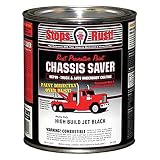
Overview: The Magnet Paint Co Chassis Saver is a professional-grade rust preventative coating engineered specifically for vintage truck and automobile underbodies. This gloss black formula creates a rock-hard, non-porous barrier that permanently halts corrosion on frames, floorboards, engine compartments, and other vulnerable areas. Designed for direct application over tightly adhered rust with minimal surface preparation, it eliminates the need for primers, hardeners, or topcoats.
What Makes It Stand Out: This product’s “Active Guarding” technology sets it apart by proactively shielding metal surfaces from oxygen and moisture—the two primary catalysts for rust. Its exceptional chemical resistance is remarkable; the coating remains unchanged when exposed to diesel fuel, gasoline, road salt, oils, solvents, battery acids, and hydraulic fluids. The application process is refreshingly simple: just wire-brush loose scale and apply directly to rusted areas.
Value for Money: At $42.99 per quart ($1.34/fl oz), Chassis Saver sits in the premium category but delivers professional results that rival shop-quality coatings costing significantly more. A single quart provides substantial coverage for most underbody sections, making it economical for restoration projects. When compared to multi-step systems requiring separate primers and topcoats, the all-in-one formula saves both material costs and labor time.
Strengths and Weaknesses: Strengths include superior chemical resistance, minimal prep requirements, and exceptional durability once cured. The single-component formula means no mixing or measuring errors. Weaknesses include a longer cure time compared to aerosol alternatives, the need for brush or roller application (no spray option), and the premium price point. The gloss finish may not suit those preferring a factory-original matte appearance.
Bottom Line: For serious automotive restorers seeking long-term corrosion protection, Chassis Saver delivers unmatched durability and chemical resistance. The higher upfront cost pays dividends in longevity and protection, making it ideal for vintage vehicles worth preserving.
7. VHT SP670 Roll Bar and Chassis Paint – Gloss Black Spray Paint – 11 oz Aerosol Can
Overview: VHT SP670 offers a convenient aerosol solution for chassis and roll bar coating, delivering a one-step epoxy finish that mimics professional baked-on results. This 11-ounce can provides a fast-drying, durable coating resistant to chemicals, corrosion, rust, and road salt. Engineered for intermittent heat exposure up to 250°F, it’s suitable for most underbody applications without requiring primer or complex preparation.
What Makes It Stand Out: The spray-and-go convenience is this product’s primary advantage. With a dry-to-touch time of just 30 minutes and full overnight curing, it dramatically accelerates project completion. The epoxy formulation creates a tough, resilient finish without the need for hardeners or activators. Its precision spray nozzle ensures even coverage on complex geometries like roll bars and frame sections, making it accessible for DIY enthusiasts without spray equipment.
Value for Money: At $14.99 per can ($1.36/ounce), the per-ounce cost is competitive with brush-on alternatives. However, the 11-ounce capacity limits coverage to small-to-medium areas, making it best for touch-ups or specific components rather than entire chassis. For spot repairs or coating roll cages, the convenience justifies the price. Multiple cans become cost-prohibitive for large-scale projects compared to quart containers.
Strengths and Weaknesses: Strengths include rapid drying, excellent chemical resistance, and user-friendly aerosol application. The no-cure-required formula is ready for service overnight. Weaknesses include limited coverage per can, potential for uneven application on large flat surfaces, and higher cost-per-square-foot than bulk options. Overspray can be problematic in windy conditions, and achieving adequate film build may require multiple coats.
Bottom Line: VHT SP670 excels for quick touch-ups, roll bar coating, and small chassis sections. Its convenience and fast drying make it perfect for DIYers, but budget-conscious restorers with large areas should consider brush-on alternatives for better economy.
8. Magnet Paint Co. UCP970-04 Chassis Saver 1 Quart Can Rust Preventive Truck and Auto Underbody Coating - Antique Satin Black

Overview: This quart-sized Chassis Saver variant delivers the same professional rust-stopping technology as its gloss counterpart but with an antique satin black finish. Formulated for direct application over tightly adhered rust, it provides permanent corrosion protection for truck and auto underbodies without requiring primers, hardeners, or topcoats. The satin sheen offers a more subdued, factory-original appearance compared to high-gloss alternatives.
What Makes It Stand Out: The antique satin finish distinguishes this product for restorers seeking authenticity over flash. While sharing the same robust chemical resistance as the gloss version—withstanding fuels, salts, oils, and solvents—it provides a 30-degree sheen that better matches original equipment specifications on many vintage vehicles. The moisture-cure urethane technology bonds directly to rusty metal, creating a flexible, rock-hard glaze that won’t crack, chip, or peel.
Value for Money: Priced identically to the gloss version at $42.99 per quart ($1.34/fl oz), the value proposition remains strong for those preferring a satin aesthetic. The single-component formula eliminates costs associated with hardeners and activators, while minimal prep requirements save labor hours. Coverage is generous, typically coating an entire passenger car underbody with proper application.
Strengths and Weaknesses: Strengths include authentic satin finish, exceptional chemical resistance, and straightforward brush/roller application. The coating’s flexibility accommodates metal expansion and contraction. Weaknesses mirror the gloss version: longer cure times than aerosols, no spray-ready formulation, and premium pricing. The satin finish may be slightly less stain-resistant than gloss, requiring more frequent cleaning in high-exposure areas.
Bottom Line: Choose this satin version when authenticity matters. It delivers the same professional-grade protection as the gloss formula with a more traditional appearance, making it ideal for period-correct restorations where OEM aesthetics are paramount.
9. Magnet Paint UCP970-01 Chassis Saver Rust Preventative Paint, Satin Black, 1 Gallon

Overview: This gallon-sized Chassis Saver provides the ultimate value for extensive rust prevention projects. The high-solids, VOC-compliant formula permanently stops automotive and truck corrosion through a single-component coating that requires no primers or topcoats. Designed for direct application over tightly adhered rust after minimal wire brushing or sandblasting, it forms a rock-hard yet flexible, non-porous finish that isolates metal from oxygen and moisture.
What Makes It Stand Out: The bulk packaging delivers significant cost savings while maintaining the same professional-grade performance as quart sizes. The moisture-cure urethane technology creates a catalyzed-finish appearance without hardeners or activators, bonding tenaciously to both blasted and rusty metal. Its exceptional durability resists cracking, chipping, flaking, and peeling even under severe underbody conditions. The satin black finish provides an authentic OEM appearance.
Value for Money: At $125.48 per gallon ($0.98/fl oz), this represents a 27% savings compared to quart pricing, making it exceptionally economical for large projects. Professional shops and serious restorers tackling multiple vehicles benefit from the reduced per-ounce cost. The high-solids formulation maximizes coverage area, further stretching your investment. When compared to multi-component systems requiring separate purchases, the all-inclusive single-component approach saves hundreds in materials.
Strengths and Weaknesses: Strengths include unbeatable bulk pricing, professional-grade durability, VOC compliance, and versatile application on frames, floorboards, and compartments. The single-component design eliminates mixing errors. Weaknesses include high upfront cost that may deter small-project DIYers, substantial storage requirements, and potential waste if not used within shelf life. The satin finish may not suit all aesthetic preferences.
Bottom Line: For restoration shops or enthusiasts undertaking complete vehicle underbody protection, this gallon container offers professional results at the best possible price. The substantial savings justify the investment for large-scale applications.
10. Custom Shop - Chassis Black (Satin) - Hot Rod Flatz Flat Matte Satin Urethane Auto Paint - Complete Quart Paint Kit - Professional Low Sheen Automotive, Car Truck Coating, 4:1 Mix Ratio

Overview: This complete quart kit from Custom Shop delivers professional-grade satin urethane coating for automotive chassis and underbodies. The Hot Rod Flatz system includes everything needed: one quart of acrylic urethane paint, half-pint of hardener, automotive strainers, and mixing sticks. The 4:1 mix ratio produces over one quart of sprayable material, creating a durable, chemical-resistant finish with UV inhibitors to prevent fading and chalking.
What Makes It Stand Out: The comprehensive kit approach eliminates guesswork, providing precisely matched components for optimal results. Unlike single-component coatings, this two-part urethane system delivers a catalyzed finish with superior hardness and chemical resistance. The pre-flattened satin sheen achieves a consistent 30-degree gloss without requiring additional flattening agents. The acrylic urethane formulation resists chipping, cracking, and environmental degradation far better than conventional chassis paints.
Value for Money: At $79.99, the kit represents solid value for professional-quality results. While more expensive than single-component alternatives, it includes $15-20 worth of accessories (hardener, strainers, sticks) that would be purchased separately with other systems. The two-part urethane typically outlasts single-component coatings, reducing long-term refinishing costs. For show-quality builds, the premium finish justifies the investment.
Strengths and Weaknesses: Strengths include professional-grade durability, complete kit convenience, UV protection, and superior chemical resistance. The satin finish offers excellent aesthetics. Weaknesses include more complex mixing requirements, need for spray equipment, shorter pot life after mixing, and higher cost than direct-to-rust alternatives. Surface preparation must be more thorough than rust-converting products.
Bottom Line: For builders seeking show-quality, long-lasting satin finishes, this kit delivers professional results that justify its premium price. It’s ideal for high-end restorations where finish appearance and durability are equally critical.
Why Your Chassis Demands Specialized Protection
Standard automotive paint simply cannot withstand the unique punishment your chassis endures. The undercarriage experiences constant vibration, extreme temperature fluctuations, direct impact from debris, and prolonged exposure to corrosive substances. Chassis-specific formulations contain flexible polymers that move with the metal as it heats and cools, preventing the cracking and delamination common with conventional paints. These products also incorporate rust inhibitors that chemically bond with ferrous metals, creating a barrier that actively prevents oxidation rather than just covering it up.
What Exactly Is a Chassis Paint Kit?
A comprehensive chassis paint kit is more than just a can of paint. It’s a complete system designed to address every stage of undercarriage protection. At minimum, these kits should include a rust converter or primer, the protective topcoat, specialized application tools, and surface preparation materials. Premium kits often add etching solutions, seam sealers, and detailed instruction guides that account for different climate conditions and application environments. The best kits approach chassis protection as a multi-layer system rather than a single-product solution.
Key Components Every Quality Kit Should Include
The Primary Coating
The main protective layer should be a high-solids formula that builds thickness quickly. Look for products with at least 40% solids content by volume, which means less solvent evaporates away, leaving more actual protective material on your chassis. This coating needs to be specifically labeled for “direct to metal” (DTM) application, indicating it can adhere properly to properly prepared bare steel without requiring an epoxy primer.
Rust Converter or Encapsulator
Top-tier kits include a rust conversion product that chemically transforms iron oxide into a stable, paintable surface. These typically contain tannic acid or phosphoric acid that reacts with rust to create an inert iron tannate or phosphate layer. This is crucial for restoration projects where you can’t achieve perfectly clean metal in every crevice.
Application-Specific Tools
Professional results demand professional tools. Quality kits provide applicators designed for the product’s viscosity—whether that’s a textured roller for thick undercoatings, a specialized brush for reaching inside frame rails, or a spray gun with the correct tip size. Cheap foam brushes and standard paint rollers will leave you with an uneven finish and wasted product.
Types of Chassis Paints: Solvent-Based vs. Water-Based
Solvent-Based Formulations
Traditional solvent-based chassis paints use mineral spirits or xylene as carriers, offering superior penetration into rust pits and seams. They cure through solvent evaporation, creating a hard, dense film that’s highly resistant to chemicals and abrasion. However, they contain high VOC levels, require extensive ventilation, and present flammability concerns. Their environmental impact has led to stricter regulations in many states.
Water-Based Technologies
Modern water-based chassis paints have closed the performance gap significantly. They use water as the primary carrier but incorporate advanced resin systems that provide excellent flexibility and rust prevention. These products offer easier cleanup, lower odor, and compliance with stringent VOC regulations. The trade-off is typically longer cure times and potential sensitivity to application conditions—humidity above 70% can cause curing issues.
The Science Behind Rust Inhibition
Understanding how rust inhibitors work helps you evaluate product claims. The most effective chassis paints use multiple mechanisms: barrier protection (physically blocking moisture), cathodic protection (using zinc particles to sacrifice themselves instead of the steel), and chemical inhibition (using phosphates that passivate the metal surface). Look for products that specify “active corrosion inhibition” rather than just “rust resistant.” The former indicates ongoing protection, while the latter merely suggests the coating itself won’t rust.
VOC Regulations: What DIYers Must Know
Volatile Organic Compound regulations vary dramatically by location and can make certain products illegal to purchase or apply in your area. California’s CARB standards are the most restrictive, limiting VOCs to 420 grams per liter for undercoatings. Many high-performance solvent-based chassis paints exceed this limit. Before investing in a kit, check your local air quality management district rules. Some manufacturers produce “compliant” versions of their products for restricted areas, but these often sacrifice performance. Water-based kits typically offer the safest regulatory bet.
Surface Preparation: The Foundation of Success
Degreasing and Cleaning
Even new metal arrives coated in manufacturing oils and handling residues. Use a wax and grease remover specifically formulated for automotive applications—household degreasers often leave silicone residues that cause fisheyes and adhesion failure. For existing chassis, pressure washing followed by steam cleaning provides the best starting point.
Rust Removal Realities
Media blasting remains the gold standard for removing rust and old coatings, but it’s not always practical for DIYers. Chemical rust removers containing phosphoric acid work well for light to moderate rust, while mechanical methods like wire wheels and sanding discs are effective for accessible areas. The key is creating a consistent surface profile—too smooth and the coating can’t mechanically bond; too rough and you’ll need excessive product to achieve proper thickness.
The Importance of Dry Time
After cleaning, your chassis must be completely dry before coating application. Water trapped in seams and inside frame rails will vaporize under the coating, causing blistering and delamination. Use compressed air to blow out cavities, and consider a low-temperature bake cycle (under 120°F) or extended air drying in low humidity conditions.
Application Methods: Spraying, Brushing, or Dipping?
Spray Application
Spraying provides the most uniform thickness and best appearance but requires equipment and skill. Airless sprayers work well for thick undercoatings, while HVLP (High Volume Low Pressure) guns are better for smoother finishes. The critical factor is tip size—too small and you’ll struggle with clogging; too large and you’ll waste product through excessive overspray. Most chassis paints require a 1.8mm to 2.2mm tip.
Brush and Roller Methods
Brushing excels for reaching inside frame rails and complex geometries where spray equipment can’t reach. Use natural bristle brushes for oil-based products and synthetic brushes for water-based coatings. Textured rollers designed for thick coatings can apply underbody sealant quickly, though they leave an orange-peel texture that some find undesirable on visible components.
Dipping and Pouring Techniques
For removable components like control arms and brackets, dipping ensures complete coverage. Some restorers pour coating directly into frame rails, then rotate the chassis to distribute it evenly. These methods waste product but guarantee coverage in impossible-to-reach areas.
Understanding Coating Thickness and Coverage
Chassis protection is one application where thicker is genuinely better—up to a point. Most manufacturers recommend 4-6 mils dry film thickness per coat, with two coats being standard. This is significantly thicker than the 1-2 mils typical of automotive topcoats. To calculate coverage, divide the theoretical coverage (usually listed as square feet per gallon at 1 mil thickness) by your target thickness. A product covering 400 sq ft/gallon at 1 mil will only cover 67-100 sq ft at the recommended chassis thickness. Always buy 20% more than your calculations suggest to account for waste and touch-ups.
Curing Times and Temperature Considerations
Initial Dry vs. Full Cure
Most chassis paints become tack-free within 2-4 hours, but this is not the same as cured. “Dry to handle” typically means 24 hours, while full chemical cure can take 7-14 days depending on formulation. Applying a second coat too early can cause solvent entrapment, leading to soft, under-cured film that fails prematurely.
Temperature Sweet Spots
Application temperature critically affects results. Most products specify a range of 50-85°F with relative humidity below 70%. Too cold and the coating won’t flow properly; too hot and solvents flash off before the film can level, leaving a rough texture. Some modern formulations allow application down to 35°F, making them suitable for garage work in winter months.
Durability Factors: What Makes a Coating Last
Flexibility and Impact Resistance
Your chassis flexes during normal driving—especially on trucks and unibody vehicles. Quality chassis paints maintain flexibility after curing, typically measured by elongation percentage. Look for products with at least 15% elongation at break. Impact resistance is equally important; the coating should absorb stone impacts without chipping or cracking.
Chemical Resistance Testing
A durable chassis coating must withstand brake fluid, gear oil, gasoline, and road salts. Premium formulations undergo ASTM testing for specific chemical exposures. While manufacturers rarely publish these results for consumer products, technical data sheets for commercial-grade coatings often include this information. The best indicator is specifying “resistant to automotive fluids” rather than just “chemical resistant.”
Color Options and Finish Types
While black dominates the chassis paint market for its heat absorption properties and traditional appearance, modern formulations offer grays, chassis blues, and even colors matched to OEM specifications. Finish options range from matte (best for hiding imperfections) to satin (easier to clean) to textured (provides additional stone-chip resistance). Textured finishes use added rubber or plastic particles that create a sacrificial layer, absorbing impact before it reaches the primary coating.
Safety Protocols and Equipment
Respiratory Protection
Even water-based products contain fine particles that shouldn’t enter your lungs. For solvent-based kits, organic vapor cartridges are mandatory. A supplied-air respirator is ideal for extended spray sessions in enclosed spaces. Don’t rely on dust masks—they provide zero protection against solvent vapors.
Skin and Eye Protection
Many rust converters contain phosphoric acid that causes chemical burns. Nitrile gloves (not latex) are essential, as are safety goggles with indirect ventilation to prevent splash entry. Coveralls treated to repel solvents prevent skin absorption through clothing.
Fire and Explosion Hazards
Solvent-based products release vapors heavier than air that can travel along floors to ignition sources. Your work area needs explosion-proof ventilation fans and all electrical equipment should be rated for hazardous locations. Keep fire extinguishers rated for Class B fires (flammable liquids) readily accessible.
Common Mistakes That Ruin Chassis Paint Jobs
Inadequate Surface Prep
The number one failure mode is applying coating over contaminated surfaces. Even invisible moisture from morning dew can cause catastrophic adhesion failure. Always perform a “water break test”—spray the surface with water; if it beads up, you have contamination. If it sheets off evenly, you’re ready to coat.
Wrong Environmental Conditions
Applying coating when temperatures are dropping causes solvent entrapment as the surface skins over before deeper solvents can escape. This creates a permanently soft film that never achieves full hardness. Check the forecast—not just for rain, but for temperature trends over the next 48 hours.
Insufficient Film Build
Applying coating too thin to save money or time is false economy. The protective additives—zinc, ceramic particles, rust inhibitors—only work when present in adequate concentration. A thin film also allows moisture vapor transmission, essentially making the coating a decorative rather than protective layer.
Cost vs. Value: Investing Wisely
Budget chassis paint kits exist for under $50, while professional-grade systems can exceed $300. The difference lies in solids content, active inhibitor concentration, and included accessories. A cheap kit requiring three coats to achieve proper thickness often costs more per protected square foot than a premium single-coat system. Factor in your time value—re-doing a failed coating costs far more than doing it right once. For restoration projects where the chassis will be visible, the aesthetic difference between economy and premium products is immediately apparent.
Professional Application vs. DIY: Making the Right Choice
When to DIY
If you have a garage space with adequate ventilation, can commit 2-3 full days to the project, and own or can rent proper spray equipment, DIY application makes economic sense. The learning curve is manageable, and the satisfaction of protecting your own vehicle is significant. This approach works best for maintenance applications on solid, relatively rust-free chassis.
When to Hire Professionals
Professional shops offer media blasting, bake booths for accelerated curing, and access to commercial-grade coatings not available to consumers. If your chassis has extensive rust requiring structural repair, or you’re working with a rare vehicle where mistakes are costly, professional application is justified. Shops also provide warranties, which DIY applications cannot match. The cost typically ranges from $800-$2,500 depending on chassis condition and coating system chosen.
Frequently Asked Questions
How long does a properly applied chassis paint coating actually last?
In moderate climates without heavy road salt use, a quality two-coat system can provide 7-10 years of protection. In salt-belt states, expect 4-6 years before maintenance coats become necessary. The key is annual inspection and touch-up of any chips or scratches before they become rust spots. Professional applications with epoxy primers can extend these timeframes by 30-50%.
Can I apply chassis paint over existing rust, or must I remove every speck?
You don’t need perfectly bare metal everywhere, but you must eliminate loose, flaky rust. Stable, pitted rust can be treated with a rust converter that chemically stabilizes the surface. However, heavy scale rust holds moisture and will continue expanding underneath the coating, eventually causing failure. The standard is: if you can scrape it off with a wire brush, it needs to go. If it’s dark, stable pitted metal, conversion is acceptable.
What’s the difference between chassis paint and rubberized undercoating?
Chassis paint forms a hard, durable film that bonds directly to metal, providing long-term protection while allowing for future inspection. Rubberized undercoating remains soft and flexible, primarily deadening sound and providing impact resistance. The downside is that rubberized coatings can trap moisture against the metal if they develop cracks, and they make future rust inspection impossible. Many enthusiasts use chassis paint for primary protection, then apply rubberized coating only in wheel wells for sound deadening.
Is it necessary to paint the inside of frame rails?
Absolutely. The interior of frame rails is where rust often starts and progresses undetected until structural failure occurs. Use a wand attachment for your spray gun, or pour thinned coating into the rail and rotate the chassis. Some restorers swear by the “candle method”—lighting a small candle inside the rail to create an updraft that pulls coating into every crevice as it cures. However you do it, interior protection is non-negotiable for long-term preservation.
Can chassis paint be used on other surfaces like suspension components or brake parts?
Chassis paint works excellently on control arms, leaf springs, and most suspension components. However, never apply it to brake rotors, pads, caliper piston surfaces, or any friction area. For brake calipers, use dedicated high-temperature brake caliper paint. Exhaust components require header paint rated for 1200°F+ temperatures. Chassis paints typically top out around 300-400°F, making them unsuitable for high-heat applications.
How do I handle chassis paint application in winter when I can’t work outside?
Create a temporary heated enclosure using plastic sheeting and a torpedo heater, maintaining 60-70°F. Critical considerations include ventilation (propane heaters produce moisture) and dust control. Many DIYers rent portable paint booths that provide filtered air intake. Alternatively, disassemble components and coat them individually in a basement or garage, reassembling after full cure. Some modern water-based products allow application at temperatures as low as 35°F, though cure times extend dramatically.
What causes chassis paint to peel or flake off, and how can I prevent it?
Peeling almost always traces back to contamination or improper surface prep. Oil, wax, silicone, or moisture prevent proper adhesion. Another common cause is applying incompatible products—some rust converters leave a residue that interferes with certain topcoats. Always test compatibility on a small area first. Prevent peeling by performing the water break test, using the correct prep solvents, and allowing adequate flash time between coats.
Are there any chassis paint kits safe for use on vintage vehicles with factory undercoating?
Vintage undercoating often contains asbestos and requires professional removal. Once safely removed, the factory “slop gray” or chassis black can be replicated with modern coatings. For preservation of original undercoating (if intact and asbestos-free), use a compatible encapsulating product rather than stripping. Test any coating in an inconspicuous area first, as vintage metal preparation and modern coatings can react unpredictably.
How do I calculate how much chassis paint I’ll need for my project?
Measure your chassis length and width, then multiply by four to account for sides and complexity. A mid-size car chassis typically requires 1-1.5 gallons for two coats; trucks and SUVs need 2-3 gallons. Always add 20% for waste and touch-ups. Remember that coverage rates listed on cans are for 1 mil thickness—chassis applications need 4-6 times that amount. Buying a slightly larger kit is cheaper than running out mid-project.
Can I wax or apply a ceramic coating over chassis paint for extra protection?
While possible, it’s generally unnecessary and can cause issues. Chassis paints are designed as sacrificial barriers that can be easily touched up. Adding a ceramic coating on top creates a maintenance headache—when you get a chip, you must remove the ceramic layer before touching up the chassis paint. Instead, invest in a higher-grade chassis paint with ceramic particles already formulated into it. For show vehicles, a light coat of spray wax can enhance appearance for events, but remove it before any serious driving.