That pristine, just-washed shine never seems to last long, does it? By morning, a fine layer of dust has already settled on your hood, transforming your glossy finish into a dull, pollen-covered canvas. While reaching for the hose and bucket again might be your first instinct, there’s a smarter, more efficient way to maintain that showroom sparkle between full washes. Enter the exterior car duster—a deceptively simple tool that, when chosen and used correctly, can become your most valued ally in the battle against dust, pollen, and light debris.
But here’s the catch: not all car dusters are created equal. Grab the wrong one, or use the right one incorrectly, and you’re not removing dust—you’re grinding it into your clear coat. This comprehensive guide will equip you with the expert knowledge to navigate the world of exterior car dusters, understand the science behind their performance, and integrate them seamlessly into your car care routine without compromising your paint’s integrity.
Top 10 Car Duster
Detailed Product Reviews
1. The Original California Car Duster Detailing Kit with Plastic Handle, Model Number: 62445 , Red

Overview: The Original California Car Duster Detailing Kit bundles two wax-treated cotton dusters for comprehensive vehicle maintenance. This twin-pack includes a full-size standard duster for exterior surfaces and a compact mini version for interior detailing, motorcycles, and household applications. The signature wax-treated cotton fibers lift light dust without water, making it ideal for maintaining that freshly-washed appearance between full washes.
What Makes It Stand Out: The proprietary wax treatment is the key differentiator here—it’s not just moving dust around but actually capturing and removing it. Having two specialized sizes in one kit provides exceptional versatility; the 25-inch standard duster tackles cars, trucks, and SUVs efficiently, while the mini duster excels at dashboard crevices, motorcycle components, and home surfaces. The plastic handles offer lightweight maneuverability, and the red cotton mops are instantly recognizable as the iconic California Car Duster brand.
Value for Money: At $29.34, this kit positions itself as a premium option. While nearly double the cost of the standard single duster, you’re getting two purpose-built tools. For enthusiasts who regularly maintain both interior and exterior surfaces, the convenience justifies the price. However, budget-conscious buyers might find better value in microfiber alternatives that offer similar performance at lower price points.
Strengths and Weaknesses: Strengths: Dual-size kit covers all surfaces; proven wax treatment technology; scratch-free performance; extends time between washes; versatile for vehicles and home use Weaknesses: Higher price point; cotton fibers may shed initially; wax treatment can leave residue if overused; not washable—requires replacement when soiled
Bottom Line: Perfect for car enthusiasts seeking a professional-grade, versatile dusting solution. The two-in-one kit delivers excellent results but commands a premium price that casual cleaners may not justify.
2. IPELY 3 Pack Large Microfiber Car Duster Exterior Scratch Free with Extendable, Car Duster Interior Multipurpose dust Cleaning

Overview: The IPELY 3 Pack delivers exceptional value with three large microfiber dusters designed for both automotive and household use. Each duster features an extendable handle and a generous microfiber head that captures dust without scratching surfaces. At 30cm (approximately 12 inches), these tools strike an ideal balance between reach and control, making them suitable for exterior paint, interior dashboards, and various home applications.
What Makes It Stand Out: The three-pack configuration is the obvious highlight—you’re getting multiple tools for the price competitors charge for one. The extendable handles provide adaptability for different tasks, while the fuller microfiber heads cover more surface area per swipe. The non-slip grip enhances comfort during extended cleaning sessions, and the lightweight design reduces fatigue. These dusters work effectively on dry surfaces across an impressive range: vehicles, computers, appliances, patio furniture, boats, and RVs.
Value for Money: At $14.99 for three dusters, this represents outstanding value—roughly $5 per unit. This pricing undercuts most competitors while delivering comparable or superior performance. The washable microfiber construction ensures long-term use, multiplying the savings. For families with multiple vehicles or those wanting dedicated dusters for different zones (car interior, exterior, home), this pack eliminates sharing and cross-contamination concerns.
Strengths and Weaknesses: Strengths: Unbeatable price-per-unit; extendable handles; versatile multipurpose use; washable and reusable; scratch-free microfiber; comfortable grip Weaknesses: Microfiber may not have the “grab” of wax-treated cotton; handles may feel less sturdy than premium brands; shorter than some full-size dusters; limited color options
Bottom Line: An unbeatable value proposition for practical buyers. The IPELY 3 Pack delivers reliable performance across multiple applications at a price that’s hard to ignore, making it ideal for budget-conscious multi-vehicle households.
3. 3 Pack Microfiber Duster Brush, Small Cleaning Tool with Soft Fibers for Computers, Keyboards, Car Interior, Digital Devices, Photo Frames
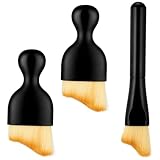
Overview: This 3 Pack Microfiber Duster Brush set focuses on precision cleaning for delicate electronics and tight automotive spaces. Each compact brush features ultra-soft microfiber fibers specifically engineered for scratch-sensitive surfaces like computer screens, keyboards, digital devices, and intricate car interior components. The ergonomic plastic handles provide comfortable control for detailed work, making these tools essential for tech enthusiasts and detail-oriented cleaners.
What Makes It Stand Out: The compact size is this set’s superpower—reaching into keyboard crevices, air vents, instrument clusters, and between console components where larger dusters simply cannot access. The ultra-soft microfiber construction ensures zero scratch risk on sensitive displays and piano-black trim. The washable, reusable design aligns with environmentally conscious consumption, while the three-pack allows dedicated brushes for different zones (office, car, home). At just $5.49, it’s an impulse-buy price point for a genuinely useful tool set.
Value for Money: This is perhaps the best bang-for-buck in the duster category. At under $2 per brush, you’re getting specialized cleaning tools that protect expensive electronics and vehicle interiors from damage. The reusability factor extends value indefinitely with proper care. While not suitable for large exterior panels, the targeted application justifies every penny for those battling dust in tight spaces.
Strengths and Weaknesses: Strengths: Incredible affordability; perfect for tight spaces; ultra-soft scratch-free fibers; ergonomic handles; washable and reusable; ideal for electronics and car interiors Weaknesses: Too small for exterior vehicle use; limited dust-holding capacity; requires frequent cleaning; not extendable; basic build quality
Bottom Line: A must-have supplemental tool for anyone who values pristine electronics and detailed car interiors. The absurdly low price and specialized design make it a no-brainer addition to any cleaning arsenal, though it won’t replace your main vehicle duster.
4. California Car Duster California Car Duster Standard Model with Plastic Handle and Red Wax Treated Cotton Mop 62443
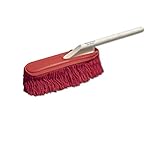
Overview: The California Car Duster Standard Model 62443 is the iconic single duster that built the brand’s reputation. Featuring the signature wax-treated cotton mop and easy-grip plastic handle, this 25-inch tool is purpose-built for maintaining passenger cars, SUVs, and light trucks between washes. The wax treatment lifts and locks dust rather than redistributing it, preserving that just-washed look with minimal effort.
What Makes It Stand Out: The proprietary wax formula remains the gold standard for dust removal technology, creating an electrostatic-like attraction that captures particles effectively. This standard model includes a convenient carrying case for storage and transport—protecting the mop and keeping your trunk clean. The 25-inch length hits the sweet spot for vehicle exteriors, providing enough reach for roofs while maintaining control for precise work. As the original product, it carries decades of proven performance and brand trust.
Value for Money: At $15.88, this positions as a mid-range option—cheaper than the twin-kit but pricier than budget microfiber alternatives. For buyers wanting authentic California Car Duster performance without the kit’s premium, this offers excellent value. The included storage bag adds practical value, and the durable construction ensures years of service. However, microfiber options at lower prices deliver similar scratch-free results with washable convenience.
Strengths and Weaknesses: Strengths: Proven wax treatment technology; ideal length for vehicles; includes storage bag; lightweight handle; extends time between washes; trusted brand heritage Weaknesses: Cotton fibers not washable; wax can transfer to surfaces; initial shedding possible; single-tool limitation; premium price over generic options
Bottom Line: The classic choice for traditionalists who trust the original wax-treated formula. It performs excellently on vehicle exteriors and justifies its price with proven results, though washability concerns may steer eco-conscious buyers toward microfiber.
5. Armor All Car Interior Duster, Scratch-Free Microfiber Car Duster with Handle, , 1 Pack
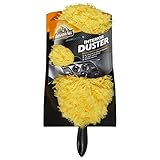
Overview: The Armor All Car Interior Duster is a specialized microfiber tool designed exclusively for vehicle interiors. This single-pack duster features soft, gentle microfibers that attract and lift dust from dashboards, consoles, and trim without scratching. As a brand synonymous with automotive care, Armor All delivers a focused solution for interior maintenance at an accessible price point.
What Makes It Stand Out: The microfiber construction is specifically optimized for dry interior surfaces, creating a scratch-free experience on delicate plastics, screens, and piano-black finishes. Armor All’s brand recognition provides confidence in quality and compatibility with other interior detailing products. The compact design stores easily in glove compartments or door pockets for quick touch-ups. At just $6.52, it’s an entry-level price that encourages impulse purchases for dedicated interior care.
Value for Money: This duster offers solid value for interior-focused buyers. While not the cheapest option, the Armor All brand backing and specialized interior design justify the modest premium over generic alternatives. The washable feature extends lifespan, improving long-term value. However, its single-purpose nature and lack of extendability limit versatility compared to multi-pack options at similar prices.
Strengths and Weaknesses: Strengths: Trusted brand name; optimized for interior surfaces; scratch-free microfiber; washable and reusable; compact storage size; very affordable Weaknesses: Limited to interior use; not extendable; smaller head size; single pack only; microfiber may lack dust-grabbing power of wax treatments
Bottom Line: A reliable, brand-name option for drivers prioritizing interior cleanliness. It’s affordable, effective, and backed by Armor All’s reputation, making it perfect for quick dashboard dusting, though exterior capability is absent.
6. Car Duster Exterior Scratch Free,Soft Car Brush Kit for Truck,SUV,RV and Motorcycle,Wax Cotton Hair,Dusters with Extendable Handle,Duster for Cleaning,Dust Pollen Removing,No Lint

Overview: This exterior car duster targets owners of large vehicles seeking a waterless cleaning solution. Designed for trucks, SUVs, RVs, and motorcycles, it features an extendable handle and swiveling head to access hard-to-reach areas without ladders or strain, making it particularly practical for regular maintenance.
What Makes It Stand Out: The telescoping pole extends to 2X length, accommodating users of any height while reaching roofs and windshields effortlessly. The mop head swivels and locks at multiple angles, providing 3X flexibility for contoured surfaces. Its paraffin-treated cotton threads offer 4X dust removal capability, particularly valuable for desert or West Coast residents conserving water. The 100% natural cotton fiber guarantees 5X scratch-free performance on all exterior surfaces including paint, glass, and chrome.
Value for Money: At $30.99, this duster sits in the mid-range category. While basic microfiber dusters cost less, the telescoping handle, articulating head, and wax-treated cotton justify the premium for large vehicle owners. The included storage cover adds portability value that cheaper alternatives lack.
Strengths and Weaknesses: Strengths include exceptional reach, versatile positioning, effective dust capture without water, genuine scratch-free performance, and convenient trunk storage. Weaknesses involve the need to occasionally retreat cotton with paraffin, bulkier storage than compact dusters, and cotton’s inferiority to microfiber for some users. The handle’s durability under frequent extension/retraction remains unproven.
Bottom Line: Ideal for owners of large vehicles in dusty climates who prioritize water conservation and scratch-free cleaning. The ergonomic design eliminates stretching and straining, making regular maintenance effortless and sustainable.
7. LFHHT Cordless Handheld Vacuum Cleaner, 16000Pa Portable Car Vacuum with Brushless Motor, 3-Speed Mini Vacuum with Multiple Nozzles for Car, Home, Office & Pet Hair
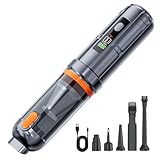
Overview: The LFHHT Cordless Handheld Vacuum delivers serious power in a compact package, generating 16000Pa suction via its brushless motor. This 3-speed mini vacuum transitions seamlessly between car, home, and office use, with a 6000mAh battery providing cordless freedom for quick cleanups anywhere.
What Makes It Stand Out: The 2-in-1 vacuum and air duster functionality sets it apart, allowing users to blow debris from tight spaces before suctioning. Fast charging (3 hours) via multiple power sources—including car chargers and power banks—ensures minimal downtime. The brushless motor promises durability and efficiency beyond conventional brushed motors, while washable HEPA filtration maintains performance and reduces waste.
Value for Money: At $49.99, this vacuum undercuts many name-brand competitors while offering superior specs. Comparable models from established brands often cost $70+ for similar suction and battery capacity. The included multiple nozzles and dual-function capability make it a cost-effective all-in-one solution.
Strengths and Weaknesses: Strengths include impressive suction power, versatile nozzle selection, rapid charging, ergonomic design, and reusable filtration. Weaknesses concern the unknown brand’s long-term reliability, potentially shorter battery life at maximum power, and noise levels that brushless motors don’t necessarily reduce. The 6000mAh battery may limit runtime during intensive cleaning sessions.
Bottom Line: An excellent value proposition for those needing powerful, portable cleaning across multiple environments. The feature set rivals premium brands at a mid-range price, making it a smart choice for budget-conscious buyers prioritizing performance over brand recognition.
8. Interior Car Cleaner Duster Brush – Car Accessories for Women, Stocking Stuffers for Men - Lint & Scratch Free
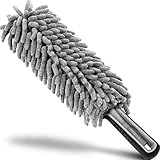
Overview: This compact interior duster brush prioritizes convenience and scratch-free performance for car interiors. Measuring just 10 inches, it stores easily in a glovebox while delivering electrostatic microfiber cleaning power for dashboards and panels. Marketed toward women but suitable for any driver seeking quick touch-ups between detailed cleaning sessions.
What Makes It Stand Out: The premium microfiber chenille head attracts dust electrostatically without chemicals, while its compact design enables cleaning tight spaces traditional dusters miss. The lint-free, scratch-free guarantee protects delicate interior surfaces like touchscreens and piano-black trim. Its portability is unmatched—always accessible for impromptu cleaning before passengers or important events.
Value for Money: At $9.97, this duster offers exceptional affordability. Competing interior dusters range from $8-15, but few combine this quality microfiber head with true glovebox portability. It’s a low-risk investment that pays dividends in maintained vehicle appearance and reduced detailing frequency.
Strengths and Weaknesses: Strengths include ultra-portable size, genuine scratch-free performance, electrostatic dust attraction, multi-surface versatility, and budget-friendly pricing. Weaknesses involve limited reach for larger vehicles, requiring more strokes to cover dashboards, and marketing that needlessly genders a universal tool. The small head size makes it inefficient for heavy dust accumulation.
Bottom Line: Perfect for drivers wanting immediate access to a quality duster for daily touch-ups. While the gendered marketing is questionable, the product’s performance and portability make it an essential glovebox companion for maintaining pristine interiors between deep cleans.
9. Swiffer Dusters Starter Kit, Kit Includes 1 Handle and 5 Dusters

Overview: The Swiffer Dusters Starter Kit brings trusted brand recognition to car interior cleaning, though designed for general household use. The kit includes five disposable dusters that trap and lock dust, preventing redistribution into the air—a common problem with traditional dusters that merely push particles around.
What Makes It Stand Out: Specially coated fibers reach deep into nooks and crannies, capturing dust rather than spreading it. The brand claims up to 95% allergen removal from pet dander and dust mite matter, appealing to allergy sufferers. Its compact, lightweight design stores easily in door pockets or under seats, remaining ready for spontaneous cleaning before important occasions.
Value for Money: At $9.98, the starter kit is priced competitively with Swiffer’s household offerings. However, the hidden cost lies in refill packs, which add ongoing expense. Compared to reusable microfiber alternatives, the long-term value diminishes for frequent users. For occasional touch-ups, the initial investment is reasonable.
Strengths and Weaknesses: Strengths include superior dust trapping technology, brand reliability, allergen reduction, and grab-and-go convenience. Weaknesses encompass disposable refills’ environmental impact and cumulative cost, less specialized design for automotive surfaces, and potential residue from coating fibers. The handle feels flimsy compared to dedicated car dusters.
Bottom Line: Best suited for allergy-prone drivers wanting occasional quick cleanups without washing reusable pads. For regular use, invest in a washable microfiber duster. Swiffer’s convenience is undeniable, but long-term costs and environmental considerations make it a secondary tool rather than primary solution.
10. Fitosy Car Interior Duster Detail Brush Cleaning Gel Kit, Soft Dash Vent Dusting Slime Putty Detailing Brushes Accessories Essentials Supplies Tools for Auto,Truck,SUV,RV

Overview: Fitosy’s comprehensive kit addresses interior detailing with multiple specialized tools rather than a single solution. The set includes soft bristle brushes, microfiber and cosmetic-grade detailing brushes, a vent brush, and cleaning gel—covering every interior surface from air vents to leather seats with precision.
What Makes It Stand Out: The variety of tools specifically tailored for automotive interiors distinguishes this kit. The grey microfiber duster handles large areas quickly, while the white cosmetic-grade brush safely cleans delicate surfaces. The yellow vent brush features super-soft bristles for narrow gaps, and the cleaning gel tackles deep crevices. All tools are metal-free, ensuring scratch-free operation throughout.
Value for Money: At $8.99, this kit represents remarkable value. Purchasing these tools individually would cost $25-40 from premium brands. While build quality may not match professional-grade tools, the comprehensive selection allows users to experiment and discover their preferred techniques without significant financial commitment.
Strengths and Weaknesses: Strengths include impressive tool variety, specialized designs for specific tasks, scratch-free materials, cleaning gel inclusion, and unbeatable price. Weaknesses involve uncertain durability at this price point, potential quality control inconsistencies, lack of storage case, and brushes that may shed bristles over time. The tools require more effort than single-solution products.
Bottom Line: An outstanding starter kit for aspiring detailers or budget-conscious owners wanting professional-level tool variety. While individual tools may eventually need upgrading, the kit’s comprehensiveness and scratch-free guarantee make it an excellent entry point into proper interior car care.
Why Your Car Needs a Dedicated Exterior Duster
Your vehicle’s paintwork faces a constant assault from airborne contaminants. Dust, industrial fallout, pollen, and brake dust settle continuously, creating a microscopic abrasive layer. While a full wash remains the gold standard for removing bonded contaminants, over-washing introduces its own risks—water spots, swirl marks from improper technique, and environmental waste. A high-quality exterior duster offers a dry, waterless solution for lifting loose particles safely, extending the interval between washes while preserving your paint’s health.
Think of it as preventative maintenance for your car’s appearance. By gently removing light dust before it accumulates and bonds to the surface, you’re reducing the need for aggressive washing techniques that introduce micro-scratches. The key lies in understanding that a duster is not a replacement for washing but a strategic complement to your overall car care regimen.
Understanding Different Duster Types
The market offers several distinct categories of exterior car dusters, each engineered with specific philosophies about how to capture and remove particles. Recognizing these differences is your first step toward making an informed decision.
The Classic California Duster
The iconic California Duster pioneered the wax-treated cotton fiber approach decades ago. These dusters feature hundreds of soft, paraffin-wax-coated cotton strands that create static attraction while providing lubrication. The wax treatment helps encapsulate particles, preventing them from scratching the surface as they’re lifted away. Traditionalists swear by their ability to grab dust quickly, though the wax residue can be controversial among modern detailers who prefer chemical-free contact.
Microfiber Madness: Modern Alternatives
Microfiber dusters represent the evolution of particle removal technology. Constructed from ultra-fine synthetic fibers (typically polyester and polyamide blends), these dusters leverage mechanical and electrostatic principles. The fibers are split during manufacturing, creating millions of tiny hooks that trap dust deep within their structure rather than just pushing it around. Premium options feature varied fiber lengths and densities optimized for different contamination levels, offering a residue-free experience that appeals to paint protection film and ceramic coating enthusiasts.
Specialty Dusters for Unique Needs
Beyond the mainstream categories, niche dusters address specific scenarios. Extendable-handle dusters with pivoting heads help reach rooflines and SUVs without ladders. Compressed air dusters (electric-powered blowers) provide completely touch-free dust removal for the most risk-averse owners. Some manufacturers offer dual-sided designs with different fiber types for varying dust conditions—shorter, denser fibers for heavy pollen days and longer, fluffier fibers for light dust.
Key Materials and Their Performance Characteristics
The material composition of your duster directly impacts its effectiveness, safety, and longevity. Understanding the properties of each fiber type reveals why some dusters command premium prices while others remain budget-friendly.
Cotton Fibers: The Traditional Choice
Untreated cotton fibers offer decent dust attraction through natural static buildup but lack the encapsulating properties of their wax-treated counterparts. The fiber diameter is relatively large (compared to microfiber), meaning fewer contact points per square inch. While soft when new, cotton can mat down over time and may retain grit if not cleaned properly. However, high-quality, long-strand cotton with proper wax treatment can still perform admirably for daily dust removal on well-maintained finishes.
Microfiber Technology: A Scientific Approach
True microfiber measures less than one denier (a unit of fiber thickness), making it finer than human hair. This extreme thinness allows manufacturers to create complex weaves with enormous surface area. Split microfiber fibers develop a natural negative charge that attracts positively charged dust particles. The best exterior dusters use 80/20 polyester/polyamide blends with a split ratio optimized for dust attraction rather than liquid absorption (unlike microfiber towels). Look for fibers with a “star” or “asterisk” cross-section for maximum particle capture.
Wax-Treated Options: Do They Really Work?
The paraffin wax coating on traditional dusters serves multiple functions: it increases static attraction, provides lubricity as the fibers glide across paint, and helps bind particles to the fibers. However, the wax can transfer to your paint, potentially interfering with waxes or sealants you’ve already applied. For cars with ceramic coatings, wax-treated dusters may reduce the coating’s hydrophobic properties temporarily. The effectiveness depends entirely on the quality and evenness of the wax application—cheap versions can leave streaky residues or uneven clumps.
Essential Features to Evaluate Before Buying
Beyond material type, several design elements determine how well a duster will serve your specific needs. Evaluating these features prevents buyer’s remorse and ensures the tool fits your vehicle and usage patterns.
Handle Design and Ergonomics
A duster’s handle is your primary point of control, yet it’s often overlooked. Look for ergonomic grips with non-slip textures, especially if you’ll use it frequently. Telescoping handles should lock securely at multiple lengths without wobbling—vibration transfers to the duster head and can cause paint contact issues. The handle material matters too: lightweight aluminum reduces fatigue during extended use, while reinforced plastic offers corrosion resistance. Some premium models feature angled handles that keep your hand away from the vehicle surface, reducing accidental contact.
Fiber Density and Length
Fiber density (measured in fibers per square inch) determines how many particles the duster can hold before becoming saturated. A dense duster lifts more dust per pass but requires more frequent cleaning. Fiber length affects reach into crevices and around emblems—longer fibers (3-4 inches) excel at navigating complex body lines but may feel unwieldy on flat panels. The optimal combination depends on your vehicle’s design; a MINI Cooper benefits from shorter, more controlled fibers, while a Ford F-150 might need longer fibers to reach across broad hoods.
Size and Weight Considerations
A duster that’s too large becomes difficult to maneuver in tight spaces and can tire your arm quickly. Conversely, an undersized duster means more passes and increased potential for missed spots. The ideal size covers your vehicle’s largest panel in 4-6 swipes. Weight becomes critical during vertical surface work—roof pillars, windows, and door panels. A duster heavier than 12 ounces can cause arm fatigue that leads to sloppy technique, increasing scratch risk.
The Science Behind Static Attraction and Dust Removal
Understanding the physics at play helps you maximize your duster’s effectiveness while minimizing risks. Dust particles carry a natural electrostatic charge, especially in dry, low-humidity environments. When you draw a duster across your paint, friction generates additional static electricity—like shuffling across carpet in socks.
Microfiber dusters are engineered with a high dielectric constant, meaning they hold an electrostatic charge exceptionally well. The fibers’ split structure creates millions of tiny capacitors that store this charge, pulling particles away from the paint surface and trapping them in the fiber matrix. This is why a dry microfiber duster often outperforms a damp one for dust removal—the water molecules discharge the static field.
Wax-treated cotton works differently. The wax acts as a dielectric barrier while also creating a micro-layer of lubrication. As fibers bend and flex, they generate triboelectric charge (static from friction) that attracts particles, which then adhere to the sticky wax coating. This dual-action approach explains why properly maintained wax dusters can be so effective, though they rely more on mechanical adhesion than pure electrostatic attraction.
Proper Technique: How to Duster Your Car Like a Pro
Technique separates the professionals from the enthusiasts who inadvertently install swirl marks. The fundamental rule is always to let the duster’s weight do the work—never apply downward pressure.
Start at the vehicle’s highest point (roof) and work downward, following gravity’s logic. This prevents dust from resettling on cleaned areas. Use long, straight passes in the direction of airflow over the vehicle (typically front to back). Overlap each pass by 50% to ensure complete coverage. For horizontal surfaces like hoods and trunks, use a gentle figure-8 pattern that maintains constant fiber contact without creating circular scratches.
On vertical panels, hold the duster at a slight angle (about 15 degrees) so the fibers trail across the surface rather than pushing directly into it. This shearing motion lifts particles more effectively. Pause frequently to tap the duster against your shoe or a clean surface to release collected dust—don’t wait until it’s saturated. For emblems and grilles, use the duster’s edge with a light flicking motion rather than scrubbing.
Critical Mistakes That Can Ruin Your Paint
Even the finest duster becomes a paint correction nightmare when misused. The most egregious error is using a duster on anything but the lightest dust. A duster is not for removing mud, bird droppings, tree sap, or water spots. These require washing; attempting to dust them away grinds abrasive particles into your clear coat.
Never duster a hot surface. Heat makes paint softer and more susceptible to marring. Wait until your vehicle has cooled in the shade, especially dark-colored cars that absorb solar radiation. Another common mistake is using the same duster on wheels and paint. Brake dust contains metallic particles that will embed in the fibers and scratch your finish. Dedicate separate dusters for different vehicle zones.
Perhaps the most overlooked error is failing to clean the duster itself. A duster loaded with yesterday’s dust is essentially a sandpaper pad. The particles trapped in the fibers create a grinding paste that causes micro-scratches visible in direct sunlight. Clean your duster after every use, even if it looks clean—microscopic grit is the real enemy.
Maintenance and Care: Extending Your Duster’s Lifespan
A premium duster represents an investment that pays dividends when properly maintained. Neglect turns even the best duster into a liability within weeks.
Cleaning Your Duster: When and How
Clean your duster immediately after each use. For microfiber dusters, hand-wash in a bucket of warm water with a dedicated microfiber detergent (never regular laundry detergent, which contains fabric softeners that clog fibers). Gently agitate the fibers and let it soak for 10 minutes. Rinse thoroughly until water runs clear, then air-dry completely before storage. Machine washing is acceptable on delicate cycle in a mesh bag, but avoid heat drying at all costs.
For wax-treated cotton dusters, cleaning is controversial. Manufacturers often recommend simply shaking them out vigorously, as washing removes the wax treatment. However, if the duster becomes visibly soiled, hand-wash in cool water with a mild soap, then re-treat with a spray-on duster treatment (available from car care suppliers). Never use hot water or wring the fibers, which can damage the wax coating permanently.
Storage Best Practices
Store your duster in a breathable bag or container—not airtight plastic, which can trap moisture and lead to mildew. Hang it by the handle in a clean, dry area away from direct sunlight, which degrades both microfiber and cotton over time. Never store a duster in your trunk where it can collect road grit and vibration damage. For wax-treated dusters, store them in the original packaging or a dedicated duster bag to prevent the wax from attracting airborne contaminants while idle.
When NOT to Use an Exterior Car Duster
Knowing the limitations of your duster is as important as knowing its strengths. Never use a duster when the contamination level exceeds a light film. After rainstorms, vehicles collect water spots and mineral deposits that require chemical removal. During pollen season, a heavy yellow coating may seem like dust, but pollen grains are surprisingly abrasive and numerous—better to rinse them away than grind them in.
Avoid dusters on freshly waxed or sealed surfaces for at least 24 hours. The solvents in these products need time to cure and harden; disturbing them prematurely can cause streaking or reduce durability. Similarly, if you’ve applied a ceramic coating within the past week, skip the duster entirely—most coatings require a 7-day “no-touch” curing period.
If your vehicle has sat near a construction site, railway, or industrial area, assume the dust contains silica, metal shavings, or other aggressive abrasives. These scenarios demand a thorough pre-rinse before any contact. When in doubt, wash it out—using a duster on questionable contamination is a gamble with your paint’s integrity.
Environmental Factors and Seasonal Considerations
Your local climate dramatically influences duster effectiveness and safety. In arid, desert regions, dust is fine and pervasive but often low in abrasive content—a duster’s ideal scenario. However, the extreme dryness generates massive static charges; ensure your duster has excellent grounding properties to avoid shocking yourself.
Coastal areas present salt-laden moisture that can make dust sticky and more abrasive. Here, dusters with slightly stiffer fibers that can lift bonded particles work better, but you must clean them more frequently to prevent salt crystallization in the fibers. Humid climates reduce static attraction, making microfiber less effective—wax-treated cotton often outperforms in these conditions.
Seasonal pollen varies dramatically by region. Pine pollen is large and relatively soft, while oak pollen is smaller and more abrasive. During heavy pollen seasons, consider using a duster daily but cleaning it after every single use. Winter road salt and sand mean your duster should be retired until spring—no dry tool safely removes these corrosive, gritty contaminants.
Cost vs. Value: Investing Wisely in Your Car Care Arsenal
Price points for quality exterior dusters range from $15 to $80, with premium models commanding even higher prices. The initial sticker shock often leads buyers toward budget options, but the true cost includes potential paint damage and replacement frequency.
A $20 microfiber duster might last six months with weekly use before fibers begin matting and losing effectiveness. A $60 premium duster with reinforced stitching, high-density split microfiber, and an ergonomic aluminum handle can last three years with proper care. When you factor in the cost of paint correction to remove swirls from a cheap, scratchy duster (easily $500+ for professional correction), the premium option becomes an insurance policy.
Consider your vehicle’s value too. A $100,000 luxury sedan deserves a $70 duster; a daily-driven commuter might be well-served by a mid-range option. The sweet spot for most enthusiasts lies in the $35-50 range, where you get professional-grade materials without unnecessary branding premiums.
The Environmental Impact of Your Duster Choice
Sustainability matters in modern car care. Traditional cotton dusters are biodegradable but often treated with petroleum-based waxes. Microfiber, while synthetic, lasts significantly longer and reduces water consumption by extending wash intervals. A single microfiber duster can save hundreds of gallons of water annually compared to frequent washing.
However, microfiber pollution is a legitimate concern. Every wash releases microplastics into wastewater. Mitigate this by using a microfiber-catching laundry bag (like the Guppyfriend) when machine washing. Some innovative brands now offer recycled microfiber options, reducing virgin plastic consumption. Wax-treated cotton dusters, when disposed of, contribute less to microplastic pollution but more to landfill bulk due to shorter lifespans.
Consider the manufacturing footprint too. Locally-produced dusters reduce transportation emissions, while mass-produced imports may carry a heavier carbon cost. The most environmentally responsible choice is a high-quality, long-lasting duster that you maintain meticulously, regardless of material.
Integrating Dusters Into Your Complete Car Care Routine
A duster shouldn’t exist in isolation—it’s one movement in the symphony of proper car care. Use it as part of a tiered approach: daily dusting for loose particles, weekly waterless wash for light grime, and monthly traditional wash for bonded contaminants.
Time your dusting strategically. Early morning or late evening when temperatures are moderate and humidity is higher reduces static issues. Always dust before applying any spray detailers or quick waxes—trapping dust under these products creates a grinding paste. After dusting, inspect the surface with a flashlight at a low angle; any remaining particles indicate it’s time for a waterless wash instead.
Store your duster alongside your other tools in a clean cabinet, not tossed in a garage corner where it can collect overspray from lubricants or cleaning chemicals. Consider color-coding: one duster for paint, another for glass, a third for wheels (if you must). This prevents cross-contamination and maintains each surface’s integrity.
Debunking Common Myths About Car Dusters
Myth #1: “Any soft cloth can work as a duster.” False. Regular towels lack the fiber structure to lift and hold dust, simply redistributing it. The static generation and particle retention of purpose-built dusters are scientifically engineered.
Myth #2: “Dusters cause scratches.” Only when misused or dirty. A clean, high-quality duster used with proper technique on appropriate contamination is safer than a water wash with poor technique.
Myth #3: “Wax-treated dusters eliminate the need for waxing.” The wax transfer is minimal and uneven, providing no meaningful protection. Think of it as a side effect, not a feature.
Myth #4: “More expensive means scratch-proof.” Price correlates with quality and longevity, not magic. Even the most expensive duster will scratch if used on heavy grime.
Myth #5: “You can’t over-use a duster.” Using a duster multiple times daily can generate excessive static and potentially mar paint from sheer repetition. Once daily is sufficient for most scenarios.
Safety Considerations and Paint Protection
Your duster interacts directly with your vehicle’s most vulnerable surfaces. Before first use, test the duster on a small, inconspicuous area like the lower rocker panel. Apply your intended technique and inspect under bright light for any marring.
For vehicles with paint protection film (PPF), microfiber is mandatory. Wax-treated cotton can leave residues that cloud the film’s self-healing topcoat. The same applies to vinyl wraps—stick to residue-free microfiber. Ceramic coatings are more forgiving but benefit from microfiber’s non-interfering nature.
Consider wearing a clean cotton glove on your duster hand. This prevents skin oils from transferring to the handle and eventually the paint. It also provides better grip and reduces hand fatigue. If you drop your duster on the ground, consider it contaminated—thoroughly clean it before it touches your paint again, as a single grain of sand can cause a deep scratch.
Frequently Asked Questions
Will using a car duster scratch my paint?
A clean, high-quality duster used with proper technique on light dust will not scratch your paint. The risk comes from using a dirty duster, applying too much pressure, or attempting to remove heavy grime. Always inspect your duster before use and let its weight do the work.
How often should I clean my exterior car duster?
Clean it after every use, even if it appears clean. Microscopic particles trapped in the fibers are invisible but abrasive. For microfiber dusters, hand-wash with dedicated microfiber detergent. For wax-treated cotton, shake vigorously after each use and deep clean only when visibly soiled.
Can I use my interior microfiber duster on the exterior?
Absolutely not. Interior dusters are designed for different contamination types and often use shorter, less dense fibers. More importantly, cross-contamination risks are extreme—interior dusters may contain body oils, food particles, or plastic off-gassing residues that will wreak havoc on your paint.
What’s the difference between wax-treated and untreated dusters?
Wax-treated dusters use paraffin-coated cotton fibers that create lubrication and enhanced particle adhesion. Untreated microfiber relies purely on electrostatic attraction and mechanical fiber structure. Wax dusters can leave residue but work well in humid conditions; microfiber is residue-free but performs best in dry environments.
How long should a quality car duster last?
With proper maintenance, a premium microfiber duster should last 2-3 years of regular use. Wax-treated cotton dusters typically last 1-2 years before fibers mat and wax depletes. Budget dusters may need replacement every 6-12 months. The duster’s lifespan ends when fibers no longer feel fluffy or show visible matting.
Are expensive car dusters really worth the investment?
For vehicles with quality paint jobs, ceramic coatings, or PPF, yes. The cost of paint correction ($500-$2,000) far exceeds the price difference between budget and premium dusters. Premium options offer better fiber quality, ergonomic design, and longevity that justify their cost over time.
Can I use a duster on a wet or damp car?
Never. Moisture causes dust particles to clump and become abrasive, while also reducing the duster’s static attraction. A duster on a wet surface is essentially creating mud and grinding it into your paint. Always wait for your vehicle to be completely dry.
What’s the best duster type for black or dark-colored cars?
Black paint shows every imperfection, so residue-free microfiber is the safest choice. Dark colors also heat up faster, making them more susceptible to marring—use extra-light pressure and ensure the surface is cool. Some detailers prefer ultra-plush microfiber with longer fibers to minimize contact pressure.
How do I know when it’s time to replace my duster?
Replace your duster when fibers become matted, feel crusty, or no longer fluff up after cleaning. If you notice increased dust left behind after use, or if the duster has been dropped on a gritty surface and cleaning seems insufficient, err on the side of caution and replace it.
Can I make my own effective car duster at home?
While DIY solutions exist, they rarely match engineered performance. A microfiber mop head from the cleaning aisle might seem similar, but these fibers aren’t split to automotive-grade standards and can scratch. Proper car dusters use specific fiber deniers and weaves that are difficult to replicate. The $20-$30 savings isn’t worth the paint risk.