Your wheels work harder than almost any other part of your vehicle. They endure constant exposure to brake dust—a corrosive mixture of carbon fibers and metal shavings—road salt, tar, and industrial fallout that can etch into finishes and cause permanent damage. While most enthusiasts focus on paint protection, wheels often receive a quick spray-down at best, leaving them vulnerable to deterioration that costs hundreds to repair. The right wheel cleaner isn’t just about making your wheels shine; it’s about preserving their structural integrity and maintaining your vehicle’s overall aesthetic value. Understanding what separates an effective, safe formula from a damaging chemical cocktail is essential knowledge for anyone serious about car care.
Why Wheel Cleaners Matter More Than You Think
Top 10 Wheel Cleaners
Detailed Product Reviews
1. Armor All Extreme Wheel and Tire Cleaner , Car Wheel Cleaner Spray, 24 Fl Oz

Overview: Armor All’s Extreme Wheel and Tire Cleaner delivers a straightforward solution for drivers seeking a no-fuss approach to wheel maintenance. This 24-ounce spray bottle promises universal compatibility and safe dissolution of brake dust, road grime, and grease on contact. As one of the most recognizable names in automotive care, Armor All targets casual enthusiasts and daily drivers who prioritize convenience and affordability over professional-grade detailing.
What Makes It Stand Out: The product’s universal safety claim stands as its primary differentiator, eliminating guesswork about wheel finishes. Its ready-to-use formula requires no dilution or special equipment, making it accessible for garage novices. The spray-and-rinse application fits seamlessly into regular car wash routines without adding significant time or effort.
Value for Money: At $4.97 ($0.21 per fluid ounce), this represents exceptional entry-level value. The sub-$5 price point removes financial barriers for those hesitant about dedicated wheel cleaners. While smaller than bulk professional options, it’s ideal for occasional users who don’t want chemicals aging on their shelves.
Strengths and Weaknesses: Strengths include unbeatable price, brand trustworthiness, genuine safety across wheel types, and widespread retail availability. The compact size suits limited storage spaces. Weaknesses involve less aggressive cleaning power compared to premium brands, limited volume for multiple vehicles, and absence of advanced features like color-changing indicators or protective coatings.
Bottom Line: Perfect for budget-conscious drivers wanting reliable, safe wheel cleaning without commitment. It won’t replace professional-grade products for hardcore enthusiasts but delivers solid performance for routine maintenance.
2. Adam’s Polishes Wheel & Tire Cleaner Gallon - Professional All in One Tire & Wheel Car Wash Wheel Well Cleaning Spray for Car Detailing | Safe On Most Rim Finishes

Overview: Adam’s Polishes Wheel & Tire Cleaner Gallon positions itself as the professional’s choice for tackling the most neglected parts of any vehicle. This bulk-size solution addresses heavy brake dust accumulation and tire browning with a specifically formulated alkaline-concentrated blend. Designed for serious enthusiasts and detailing professionals, the gallon container ensures you’re equipped for numerous intensive cleaning sessions.
What Makes It Stand Out: The 110% satisfaction guarantee demonstrates exceptional confidence in product performance. Its ability to strip away old dressings, silicones, and wax buildup while preparing surfaces for new applications makes it a true all-in-one solution. The high-sudsing formula clings to vertical surfaces, maximizing dwell time and cleaning efficacy.
Value for Money: At $49.99 for 128 ounces ($0.39 per ounce), the per-unit cost actually undercuts many mid-tier competitors despite the premium branding. The concentrated nature means less product per wash, stretching the gallon even further. For professional detailers or multi-car households, the bulk pricing eliminates frequent repurchasing.
Strengths and Weaknesses: Strengths include professional-grade cleaning power, generous volume, iron contamination removal, satisfaction guarantee, and surface preparation capabilities. The high initial investment and alkaline formula requiring careful handling count as weaknesses. Casual users may find the gallon size excessive and storage cumbersome.
Bottom Line: A powerhouse investment for dedicated detailers. The cost-per-ounce value combined with performance justifies the price for anyone regularly maintaining multiple vehicles or requiring professional results.
3. Chemical Guys Diablo Wheel Cleaner Spray - 2 Pack 16 oz Bottles, Safe on All Wheel & Rim Finishes, Sprayable Formula Removes Brake Dust, Dirt & Grime, Great for Cars, Trucks, SUVs, Motorcycles & RVs

Overview: Chemical Guys Diablo Wheel Cleaner represents the enthusiast-grade middle ground, offering a twin-pack of 16-ounce bottles for comprehensive wheel maintenance. The pH-balanced formula caters to car lovers who regularly detail their vehicles and demand safe, effective cleaning across diverse wheel finishes. This two-pack configuration provides backup for larger vehicle collections or extended cleaning sessions without committing to bulk containers.
What Makes It Stand Out: The pH-neutral chemistry sets it apart from aggressive alkaline or acidic cleaners, ensuring long-term wheel finish preservation. Its sprayable, clingy formula maximizes surface contact while minimizing scrubbing effort. Chemical Guys’ global recognition among detailing communities adds credibility to its performance claims and provides extensive user-generated guidance.
Value for Money: At $23.94 for 32 total ounces ($0.75 per ounce), the price point sits higher than budget options but reflects its specialized formulation. The two-pack convenience eliminates mid-project runs to the store, though the per-ounce premium may deter ultra-budget-conscious buyers who prioritize price over chemistry.
Strengths and Weaknesses: Strengths include genuinely safe pH-balanced formula, reduced risk of wheel damage, minimal scrubbing requirement, versatile application across vehicle types, and concentrated effectiveness. Weaknesses involve higher cost-per-ounce, smaller total volume than bulk options, and potential need for agitation on heavily soiled wheels.
Bottom Line: Ideal for regular detailers prioritizing wheel finish safety. The premium over budget brands buys peace of mind and reduced long-term wear on expensive wheels, making it a smart maintenance investment.
4. Black Magic 120228 Intense Foam Wheel & Tire Cleaner, High-Foaming Formula for Deep Cleaning, Removes Dirt, Grime & Brake Dust – Safe on All Wheels, 22 Fl Oz

Overview: Black Magic Intense Foam Wheel & Tire Cleaner brings visual satisfaction to the mundane task of wheel cleaning through its innovative color-changing formula. This 22-ounce aerosol transforms from white foam to brown as it dissolves contaminants, providing immediate feedback on cleaning progress. The high-foaming action targets drivers who want effectiveness without tedious scrubbing across all wheel types.
What Makes It Stand Out: The color-transition technology serves as both a performance indicator and user engagement tool, making it uniquely satisfying to use. Its foam-based delivery system penetrates intricate wheel designs and tire treads, reaching areas liquid sprays might miss. The unexpected cherry scent transforms a typically chemical-laden chore into a more pleasant experience for garage tinkerers.
Value for Money: Priced at $8.99 ($0.41 per ounce), it occupies the budget-friendly mid-tier sweet spot. The visual feedback mechanism adds experiential value beyond pure cleaning metrics, justifying the slight premium over basic sprays. For users who appreciate gamified cleaning processes, this delivers tangible satisfaction without breaking the bank.
Strengths and Weaknesses: Strengths include engaging color-change indicator, excellent foam coverage, universal wheel safety, pleasant fragrance, and minimal elbow grease requirement. Weaknesses involve potential overuse due to foam application, need for thorough rinsing to prevent residue, and scent that may not suit all preferences. The foam mechanism could clog if not properly maintained between uses.
Bottom Line: A fun, effective option for casual detailers who appreciate visual cleaning confirmation. It performs reliably while making wheel maintenance more engaging, though serious enthusiasts might prefer more concentrated formulas for heavy contamination.
5. P & S Professional Detail Products Brake Buster Wheel Cleaner - Non-Acid Formula, Removes Brake Dust, Dirt, & Corrosion

Overview: P & S Brake Buster Wheel Cleaner from the Renny Doyle Double Black Collection brings professional-grade performance to serious enthusiasts. This non-acid formula attacks brake dust, dirt, and corrosion while depositing a protective coating that repels future contaminants. Designed for professionals but accessible to dedicated hobbyists, it bridges the gap between commercial and consumer products with proven results.
What Makes It Stand Out: The proprietary protective coating sets it apart from cleaners that simply strip surfaces bare. This leave-behind barrier actively reduces future grime adhesion, extending intervals between deep cleans. Its dilutable nature offers flexibility—from ready-to-use potency to economical foam sprayer dilution—adapting to various soil levels and user preferences while maintaining effectiveness.
Value for Money: At $34.94 for approximately 128 ounces ($0.27 per ounce), it delivers exceptional professional-tier value. The per-ounce cost rivals budget brands while offering advanced protective chemistry. When diluted for foam cannon use, the effective cost per wash drops dramatically, making it economical for frequent detailers who maintain multiple vehicles.
Strengths and Weaknesses: Strengths include protective coating technology, professional-grade cleaning power, safe non-acid formula, dilution flexibility, and excellent per-ounce pricing. Weaknesses involve requiring additional equipment (foam sprayer) for optimal use, professional branding that may intimidate novices, and potential over-application if protective coating builds up over time with repeated use.
Bottom Line: The smart choice for serious enthusiasts wanting professional results with built-in protection. The protective coating feature justifies choosing this over basic cleaners, offering long-term wheel preservation beyond mere cleaning.
6. Turtle Wax 53759 Hybrid Solutions All Wheel Cleaner and Iron Remover, Rapid Removal of Surface Contaminants, Brake Dust and Rust, Safe for All Vehicle Paint, Low Odor Formula, 23 Oz. (Pack of 1)

Overview: turtle wax hybrid solutions All Wheel Cleaner transcends traditional wheel cleaners by incorporating iron removal technology typically found in dedicated decontamination sprays. This dual-action formula targets the iron particles and brake dust that embed themselves in your vehicle’s surfaces, extending beyond what standard car washes can achieve. The 23-ounce bottle delivers a pH-neutral, acid-free solution safe for virtually any exterior surface including paint, clear coat, polished metal, chrome, and glass.
What Makes It Stand Out: The color-changing chemistry sets this product apart, turning from clear to purple as it reacts with and dissolves iron contaminants, providing visual confirmation that the product is working. As the industry’s first iron remover with odor-blocking technology, it addresses the notoriously unpleasant smell associated with iron removers, making the cleaning experience more enjoyable. This innovation makes professional-grade decontamination accessible to DIY enthusiasts.
Value for Money: At $14.99 ($0.65 per ounce), this product sits in the mid-to-premium range. However, it effectively combines two products—a wheel cleaner and iron remover—into one bottle. Dedicated iron removers often cost $15-20 alone, making this hybrid formula a cost-effective solution for those needing deep decontamination rather than just surface cleaning.
Strengths and Weaknesses: Strengths include its dual-action formula, visual color-changing feedback, low odor innovation, and exceptional surface safety. The pH-neutral composition works on all wheel types and exterior surfaces without risk of damage. Weaknesses include a higher price point than basic wheel cleaners and the requirement for a 2-4 minute dwell time. Heavily contaminated surfaces need agitation, adding extra effort. The 23-ounce size may deplete quickly for larger vehicles or frequent use.
Bottom Line: This is an excellent choice for enthusiasts seeking professional-level iron decontamination without buying separate specialized products. It’s particularly valuable for vehicles exposed to heavy brake dust or industrial fallout.
7. Black Magic BM41023 No No Scrub Wheel Cleaner, 23 Fluid Ounces, 1 Pack
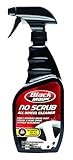
Overview: Black Magic’s No No Scrub Wheel Cleaner delivers a straightforward, budget-friendly solution for maintaining clean wheels without intensive labor. The 23-fluid-ounce spray bottle contains a fast-acting formula designed to dissolve brake dust, dirt, road grime, and oil on contact. Marketed as a universal fit product, it promises convenience for virtually any vehicle owner seeking a quick, effective cleaning solution without breaking the bank.
What Makes It Stand Out: The product’s primary differentiator is its aggressive pricing combined with genuine effectiveness. At just $5.48, it costs significantly less than premium competitors while still delivering pH-balanced cleaning power. The “no scrub” promise appeals to time-pressed users who want results without elbow grease. Its universal safety claim for all wheel types eliminates guesswork for consumers unsure about their wheel finish compatibility.
Value for Money: Exceptional value defines this product. At $0.24 per ounce, it’s among the most affordable wheel cleaners available from a recognized brand. While premium cleaners offer specialized features like iron removal or color-changing indicators, this product focuses on essential cleaning performance at a fraction of the cost, making regular wheel maintenance economically sustainable.
Strengths and Weaknesses: Strengths include unbeatable affordability, fast-acting formula, pH-balanced composition that prevents wheel damage, and broad compatibility across all wheel types. The spray-and-rinse application is genuinely simple. Weaknesses include less potency against heavy, caked-on brake dust compared to premium formulas. It lacks advanced features like iron removal technology or visual cleaning indicators. The cleaning power, while adequate for maintenance, may disappoint those tackling severely neglected wheels.
Bottom Line: This is the ideal maintenance cleaner for budget-conscious drivers. It won’t replace heavy-duty decontaminators but excels at keeping reasonably clean wheels spotless with minimal effort and expense.
8. Meguiar’s Hot Rims Aluminum Wheel Cleaner, Deep Foaming Rim Cleaner Spray Formulated to Effectively Clean Uncoated Polished Aluminum, Anodized, and Powder-Coated Wheels, 24 Oz

Overview: Meguiar’s Hot Rims Aluminum Wheel Cleaner addresses a specific challenge: safely cleaning sensitive aluminum wheel finishes. This 24-ounce foaming gel formula penetrates deep into wheel crevices to remove brake dust and road grime without damaging uncoated polished aluminum, anodized, or powder-coated surfaces. It recognizes that many aftermarket wheels require specialized care that standard acidic cleaners can destroy.
What Makes It Stand Out: The clinging gel formula provides extended dwell time, allowing the active ingredients to break down contaminants rather than simply running off the surface. This adhesion maximizes cleaning efficiency, especially on intricate wheel designs. Meguiar’s reputation for finish-safe chemistry gives owners of expensive aftermarket wheels confidence they won’t cause etching or hazing on their investment. The product specifically targets a niche that many all-purpose cleaners ignore.
Value for Money: Priced at $6.97 for 24 ounces, this product offers solid mid-range value. While more expensive than basic cleaners like Black Magic, it’s significantly cheaper than premium decontaminators. For owners of sensitive wheel finishes, the specialized formulation prevents costly damage, making it a wise insurance policy. The slightly higher cost is justified by its targeted safety profile and professional brand backing.
Strengths and Weaknesses: Strengths include exceptional safety for delicate aluminum finishes, deep-penetrating foam action, excellent cling time for thorough cleaning, and Meguiar’s trusted brand reputation. The formula effectively balances power and gentleness. Weaknesses include limited versatility—it’s designed specifically for aluminum wheels and may not be optimal for chrome or steel. It requires manual agitation for best results on heavy buildup. The foaming action, while effective, means the product dispenses quickly, potentially reducing the number of applications per bottle.
Bottom Line: Essential for anyone with uncoated aluminum or powder-coated aftermarket wheels. It provides peace of mind through specialized, safe cleaning that general-purpose products cannot guarantee.
9. Chemical Guys Signature Series Wheel Cleaner - Safe for Gloss Finishes, Chrome, Painted, Powder-Coated, and Clear-Coated Wheels - Removes Brake Dust and Road Grime - 16 oz

Overview: Chemical Guys Signature Series Wheel Cleaner positions itself as a professional-grade solution for enthusiasts who demand versatility and performance. This 16-ounce spray targets heavy brake dust, road grime, and oxidation across multiple wheel surfaces including chrome, painted, powder-coated, anodized, and clear-coated finishes. The fast-acting foaming formula clings to surfaces, breaking down contaminants for easy rinsing.
What Makes It Stand Out: The product’s universal compatibility with gloss finishes makes it a versatile choice for multi-vehicle households or detailing professionals. Chemical Guys’ professional detailing heritage ensures the formula works on not just wheel faces but also barrels, center caps, lug nuts, and suspension components. The foaming action provides visual feedback and extended dwell time without the harshness of acid-based cleaners.
Value for Money: At $10.99 ($0.69 per ounce), this is a premium-priced product. While significantly more expensive than budget options, it’s competitively priced within the professional-grade segment. The concentrated formula and effective cleaning power mean less product is needed per application. For those seeking a single product that safely handles multiple premium wheel types, the cost is justified by eliminating the need for multiple specialized cleaners.
Strengths and Weaknesses: Strengths include exceptional versatility across all gloss finishes, professional-grade cleaning power, safe application on multiple components, fast-acting foam that clings effectively, and strong brand reputation in the detailing community. The formula removes oxidation in addition to brake dust. Weaknesses include the highest per-ounce cost in this comparison and a smaller 16-ounce bottle size. It may be overkill for basic cleaning needs or standard factory wheels. The premium positioning means budget-conscious buyers have cheaper alternatives.
Bottom Line: Ideal for car enthusiasts, collectors, and professional detailers who need a reliable, versatile wheel cleaner that performs across premium finishes without compromise. It’s a specialist tool for those who take wheel care seriously.
10. oesee Professional 4 Pack Long Handle Wheel Brush Kit for Cleaning Wheel and Tire- 2X Soft Wheel Cleaning Brush, Detailing Brush and Stiff Tire Brush, Bendable& Durable Wheel Rim Cleaner Brush Set

Overview: The oesee Professional 4 Pack Brush Kit provides a complete physical cleaning solution for wheels and tires, complementing chemical cleaners. This set includes two ultra-soft synthetic woolies brushes for wheel surfaces and crevices, one soft detailing brush for lug nut cavities, and one stiff brush for tires. The metal-free, scratch-free design ensures safe cleaning across all wheel types while the flexible shafts reach difficult areas.
What Makes It Stand Out: This kit’s comprehensive approach eliminates the need to purchase brushes separately, offering four specialized tools at a bundle price. The 360-degree bendable woolies brushes adapt to intricate wheel designs, reaching behind spokes and into narrow barrels that rigid brushes cannot access. The silicone hand grips prevent slippage during use, and the metal-free construction eliminates scratching risks common with inferior brush designs.
Value for Money: At $16.99 for four professional-grade brushes, this kit represents excellent value. Individual quality brushes often cost $8-12 each, making this bundle significantly more economical. The durable synthetic fibers withstand repeated use and chemical exposure, providing long-term value. For those already purchasing wheel cleaners, this set completes the cleaning system without major additional investment.
Strengths and Weaknesses: Strengths include a complete four-brush set for all wheel and tire surfaces, genuinely scratch-free materials, flexible reach into difficult areas, comfortable non-slip grips, and easy maintenance with quick-drying fibers. The variety covers all cleaning scenarios. Weaknesses include requiring manual effort unlike spray-and-rinse chemical cleaners. The brushes need a separate cleaning solution to be effective. Storage can be cumbersome with four tools, and the initial learning curve involves determining which brush works best for specific tasks.
Bottom Line: An essential companion to any wheel cleaning regimen. This kit provides the mechanical agitation necessary to remove stubborn contaminants that chemicals alone cannot dissolve, making it indispensable for thorough wheel detailing.
Brake dust doesn’t just sit on the surface—it bonds through heat and friction, embedding itself into microscopic pores in your wheel’s finish. This isn’t ordinary dirt; it’s actively corrosive. Left unchecked, it initiates a chemical reaction that eats through clear coats, oxidizes raw aluminum, and pits chrome surfaces. Professional detailers know that wheel deterioration is progressive and often irreversible. A quality wheel cleaner works at the molecular level, dissolving these bonded contaminants before they can cause permanent etching. Think of it as preventative maintenance that protects a component costing anywhere from $500 to $5,000 per wheel to replace.
Understanding Different Wheel Finishes
Painted and Powder-Coated Wheels
These are your most common finishes, offering good durability but requiring pH-neutral or slightly alkaline cleaners. The clear coat is thinner than automotive paint, making it susceptible to harsh chemicals. Aggressive acidic formulas can strip this protective layer, leading to fading and chalking within months.
Polished Aluminum and Chrome
Raw metal finishes lack protective clear coats, making them extremely vulnerable. Chrome plating is particularly sensitive—once the surface is compromised, oxidation spreads underneath the plating, causing unsightly bubbling and peeling. These surfaces demand the gentlest pH-neutral formulations with strong chelating agents rather than harsh acids.
Anodized and Specialty Finishes
Anodizing creates a hard, porous surface that can be stained by strong alkalis. Matte and satin finishes are easily marred by abrasive cleaning methods. These specialty wheels require targeted products designed specifically for their unique chemistry, often labeled as “coated wheel safe.”
The Science Behind pH Levels in Wheel Cleaners
The pH scale ranges from 0 (highly acidic) to 14 (highly alkaline), with 7 being neutral. Your wheel’s finish has a specific pH tolerance window. When you apply a cleaner with a pH far outside this window, you’re not just cleaning—you’re chemically reacting with the wheel itself. This is why understanding pH is non-negotiable. A pH of 2-3 (strong acid) will dissolve brake dust rapidly but can etch clear coats in under 30 seconds. A pH of 12-13 (strong alkaline) breaks down organic compounds but can dull polished surfaces. The sweet spot for regular maintenance typically lies between pH 6 and 8.
Acidic vs. Alkaline vs. pH-Neutral Formulas
Acid-Based Cleaners (pH 1-4)
These are the heavy hitters, often containing oxalic, phosphoric, or hydrofluoric acid variants. They excel at dissolving metallic brake dust and iron deposits through chemical reduction. However, they’re essentially controlled corrosion—effective but dangerous. Use them only on bare, uncoated steel wheels or for severe restoration projects, never on daily drivers with coated wheels.
Alkaline-Based Cleaners (pH 10-14)
These use sodium metasilicate or potassium hydroxide to saponify and lift grease, oil, and organic brake pad material. They’re excellent for heavily soiled wheels but can cause whitening on polished aluminum and degrade rubber valve stems over time. Always limit dwell time to manufacturer recommendations.
pH-Neutral Formulas (pH 6-8)
The daily driver’s best friend. These rely on advanced surfactants and chelating agents rather than brute-force chemistry. They work more slowly but safely on all finishes. Modern neutral formulas with iron remover technology can achieve 90% of the cleaning power of acidic cleaners without the risk profile.
Key Ingredients That Actually Work
Look beyond marketing claims and examine the chemistry. Chelating agents like EDTA or gluconic acid bind to metal ions, lifting brake dust without attacking the substrate. Surfactants reduce surface tension, allowing the cleaner to penetrate tight spaces. Solvents target tar and rubber residue. Iron removers (thiolactic acid derivatives) create that dramatic purple reaction, specifically targeting ferrous particles. Avoid products with high concentrations of butyl cellosolve or nonylphenol ethoxylates—these are effective but environmentally persistent and harsh on your skin.
Spray, Gel, or Foam: Which Format Works Best?
Liquid Sprays
The most common format, offering quick application and good coverage. They excel on complex spoke patterns but can run off vertical surfaces before achieving full dwell time. Look for spray patterns that create a fine mist rather than a stream for even distribution.
Gel Formulas
Gels cling to surfaces, extending dwell time on vertical sections and heavily soiled areas. They’re ideal for intricate multi-piece wheels or when cleaning upside-down (the barrel). The trade-off is slower application and potential residue if not rinsed thoroughly.
Foaming Sprays
Foams increase surface area contact and provide visual feedback on coverage. They work well for maintenance cleaning but may not penetrate thick, caked-on deposits as effectively as liquid sprays. The foam structure helps suspend contaminants, reducing the risk of scratching during agitation.
The Color-Changing Technology Explained
That satisfying purple or red reaction isn’t just theater—it’s chemistry in action. Iron remover technology uses compounds that react specifically with ferrous metals (iron) through a redox reaction. When the cleaner contacts iron particles, it oxidizes them and changes color, indicating it’s actively binding and lifting the contaminant. This visual feedback is invaluable: if you don’t see color change, either your wheels are clean, or the product has exhausted its active ingredients. The reaction typically completes in 3-5 minutes; after that, the product is spent and should be rinsed.
Safety First: Protecting Yourself and Your Vehicle
Personal Protective Equipment
Always wear chemical-resistant nitrile gloves (minimum 6 mil thickness) and eye protection. Even “eco-friendly” cleaners can cause dermatitis with repeated exposure. Work in well-ventilated areas—many active ingredients are respiratory irritants in concentrated aerosol form.
Vehicle Protection
Mask off brake calipers and rotors with a damp microfiber towel to prevent overspray from contaminating braking surfaces. Avoid applying any wheel cleaner to hot wheels; heat accelerates chemical reactions exponentially, increasing the risk of damage. Never clean wheels immediately after driving—wait at least 30 minutes.
Environmental Considerations and Eco-Friendly Options
Traditional wheel cleaners contain phosphates that cause algal blooms and solvents that persist in groundwater. Modern regulations have pushed reformulation, but not all “green” products are equal. Look for biodegradable surfactants (plant-derived), phosphate-free formulations, and VOC-compliant labels. Collect runoff when possible, especially when using stronger formulas. Many professional detailers now use containment mats and water reclamation systems. For home users, cleaning on gravel or grass rather than concrete allows soil microbes to break down chemicals before they reach storm drains.
Application Techniques for Professional Results
Start with a cool, dry wheel in the shade. Pre-rinse to remove loose dirt, reducing the risk of scratching. Apply cleaner generously from the bottom up to prevent streaking. Allow 3-5 minutes dwell time but never let it dry on the surface. Agitate with a soft-bristled brush—use a dedicated barrel brush for the inner wheel, a lug nut brush for tight areas, and a face brush for spokes. Work in small sections, keeping the surface wet. Rinse thoroughly from top down with a pressure washer or strong stream. Dry immediately with a microfiber towel to prevent water spots.
Common Mistakes That Damage Your Wheels
Mistake #1: Using the same cleaner for all wheels. A product safe for your winter steelies can destroy your summer forged wheels.
Mistake #2: Over-application. More isn’t better. Excess product increases runoff onto tires and brake components and wastes money.
Mistake #3: Scrubbing without proper lubrication. Always ensure the wheel remains wet with cleaner while agitating. Dry brushing grinds particles into the finish.
Mistake #4: Ignoring the barrel. 70% of brake dust accumulates on the inner barrel. Neglecting this area leads to permanent staining and corrosion.
Mistake #5: Mixing chemicals. Never combine wheel cleaners—especially acid and alkaline types. The chemical reaction can release toxic gases and generate heat.
Building a Complete Wheel Cleaning Routine
Weekly maintenance should involve pH-neutral cleaners and minimal agitation. Monthly deep cleans can use stronger formulas if needed, followed by decontamination with an iron remover. Quarterly, apply a wheel sealant or ceramic coating to make future cleaning easier. This layered approach reduces the need for aggressive chemicals over time. Think of it like skincare: gentle daily care prevents the need for harsh treatments later. Always adjust frequency based on driving conditions—track days or winter roads demand more attention.
Professional-Grade vs. Consumer-Grade Products
Professional concentrates often cost more upfront but dilute 4:1 or 10:1, dramatically reducing cost-per-use. They typically contain higher concentrations of active ingredients and fewer fragrances or dyes. Consumer products are pre-diluted for safety and convenience, making them foolproof but more expensive long-term. The real difference lies in flexibility—professionals can adjust dilution based on soil level, while consumers get a one-size-fits-all solution. For enthusiasts, a professional concentrate with proper education offers better value and performance.
Seasonal Wheel Care Strategies
Winter Preparation
Apply a durable wheel coating before the first freeze. This creates a sacrificial layer against magnesium chloride and calcium brines. Clean wheels weekly during winter, even if the car appears clean. Road salt is hygroscopic, pulling moisture from the air and accelerating corrosion even when dry.
Summer Performance Driving
High-performance brake pads create more metallic dust. Increase cleaning frequency to every 3-4 days during track season. Carry a quick detailer and microfiber cloth for post-track wipe-downs before dust bakes on during the drive home.
Storage Considerations
Before long-term storage, deep clean wheels and apply a corrosion inhibitor. Wrap wheels in cotton bags, not plastic, which traps moisture. Store off the ground on tire racks to prevent flat spots and allow air circulation.
Storage, Shelf Life, and Product Longevity
Most wheel cleaners remain effective for 18-24 months when stored properly. Heat and UV exposure degrade active ingredients, reducing performance by up to 40% within six months. Store products in a cool, dark place—ideally between 50-70°F. Transparent bottles indicate light-sensitive formulas that should be transferred to opaque containers or stored in darkness. Once opened, use within 12 months as oxidation begins affecting surfactants. If a product separates and won’t remix after shaking, it’s lost efficacy. Never store acidic and alkaline products together; leaks can cause dangerous reactions.
Troubleshooting: When Things Go Wrong
White residue after rinsing: Usually alkaline cleaner reacting with hard water minerals. Re-treat with a pH-neutral cleaner and rinse with distilled water.
Purple stains that won’t rinse: Iron remover left too long, allowing the reaction product to re-bond. Spray with a 50/50 mix of water and isopropyl alcohol, agitate, and rinse immediately.
Dull, hazy finish: Clear coat etching from overly aggressive cleaner. May require professional polishing or refinishing. Prevention is the only real cure.
Persistent brake dust after cleaning: You’ve likely got baked-on ferrous particles that require a dedicated iron remover, not just a general wheel cleaner. Apply to a dry wheel for maximum penetration.
Frequently Asked Questions
Can I use dish soap to clean my wheels in a pinch? Dish soap strips wax and leaves residue, but won’t damage finishes. It’s ineffective against bonded brake dust and iron particles, essentially moving dirt around without dissolving it. Use only for emergency cleaning, never as a regular solution.
How often should I actually clean my wheels? Daily drivers need weekly cleaning to prevent brake dust bonding. Performance cars with aggressive pads require cleaning every 3-4 days. Vehicles in storage should be cleaned before parking and again before driving. The key is consistency—it’s easier to maintain than restore.
What’s the difference between wheel cleaner and iron remover? Wheel cleaners are generalists, removing dirt, grease, and some brake dust. Iron removers are specialists, chemically reacting only with ferrous metal particles. Modern wheel cleaners often include iron remover technology, but dedicated iron removers are stronger and necessary for severe contamination.
Will wheel cleaner damage my brake calipers or rotors? Yes, if applied carelessly. Strong acids and alkalis can etch caliper paint and cause surface rust on rotors. Always mask these areas with a damp towel and avoid direct spray. If overspray occurs, rinse immediately with water. Never spray cleaner directly into brake vents.
Can I make an effective DIY wheel cleaner? Vinegar (acetic acid) can dissolve light brake dust but risks etching clear coats. Baking soda pastes are too abrasive. Commercial products contain chelating agents and surfactants that DIY mixtures lack. The risk of permanent damage far outweighs the minimal cost savings.
Why do my wheels get dirtier faster after using certain cleaners? You’ve likely stripped the factory protective coating or wheel wax, leaving a bare surface that contaminants bond to more easily. Always follow cleaning with a wheel sealant application. Some cheap cleaners leave a sticky residue that attracts dirt.
Is it safe to clean wheels when they’re hot? Absolutely not. Heat accelerates chemical reactions 2-3 times faster, giving you zero control over dwell time. It also causes cleaners to dry almost instantly, guaranteeing streaking and potential etching. Wait at least 30 minutes after driving, or clean before your drive.
Do I need different cleaners for my winter and summer wheels? Typically yes. Winter wheels face salt and road grime, benefiting from alkaline cleaners that cut through organic compounds. Summer performance wheels see more metallic brake dust, requiring iron remover technology. Using the same product year-round means compromising effectiveness somewhere.
How do I clean wheels with delicate carbon ceramic brakes? Carbon ceramic brakes generate less ferrous dust but are extremely sensitive to chemicals. Use only pH-neutral, non-acidic cleaners. Avoid any product containing hydrofluoric acid derivatives. Mask the calipers completely and use minimal product, rinsing immediately after gentle agitation.
What’s the environmental impact of washing wheel cleaner down the drain? Most municipal systems aren’t designed to filter brake dust metals and chemical surfactants. These compounds can harm aquatic ecosystems and contaminate groundwater. Use biodegradable products, clean on permeable surfaces when possible, and consider a simple containment system for runoff collection.