When you’re standing in your garage staring at bare metal—whether it’s a freshly stripped fender, a patch panel you’ve just welded in, or the entire shell of a restoration project—you’re looking at a surface that’s practically begging for corrosion to begin. That pristine shine is deceiving; within hours, oxidation starts its silent attack, compromising every layer of paint you plan to spray over it. This is where metal etching sprays transform from a “nice-to-have” into the absolute cornerstone of your automotive prep work. Unlike generic primers that simply sit on the surface, a quality etching spray chemically bites into the metal, creating a microscopic landscape of peaks and valleys that modern paint systems can mechanically and chemically bond to.
But here’s the reality most product guides won’t tell you: not all etching sprays are created equal, and choosing the wrong formulation for your specific project can lead to adhesion failure, fisheyes, or worse—complete paint delamination down the road. The automotive world has evolved far beyond the simple “wipe-on, wipe-off” phosphoric acid solutions your grandfather used. Today’s formulations range from sophisticated conversion coatings that actively fight rust to VOC-compliant aerosols designed for spot repairs in professional booths. Understanding these nuances isn’t just about achieving a show-car finish; it’s about ensuring the hundreds of hours and thousands of dollars you’ve invested in your build don’t literally peel away with the first seasonal temperature swing.
Top 10 Metal Etching Spray
Detailed Product Reviews
1. Rust-Oleum 249322 Automotive Self Etching Primer Spray, 12 oz, Matte Dark Green

Overview: This 12-ounce aerosol primer from Rust-Oleum delivers a self-etching formula designed specifically for automotive applications on bare metal, aluminum, and fiberglass surfaces. The oil-based Stops Rust formula creates a durable, rust-resistant foundation covering up to 12 square feet per can. With a rapid 10-minute drying time and readiness for topcoating in just 30 minutes, this product streamlines the priming process for DIY enthusiasts and professional auto body technicians working on cars, trucks, and other vehicles.
What Makes It Stand Out: The 2-in-1 formula combines etching and priming in a single step, saving significant time compared to traditional two-stage systems. The matte dark green finish provides excellent adhesion properties while promoting a smooth final topcoat. This primer’s ability to chemically bond with bare metal surfaces ensures superior longevity, while the quick-dry formulation accelerates project timelines dramatically.
Value for Money: At $7.47 per can ($0.62 per ounce), this represents exceptional value in the automotive primer category. Comparable self-etching primers typically cost $10-15 per can, making this an economical choice for budget-conscious restorers. The 12-square-foot coverage and fast application mean less product waste and reduced labor costs, further enhancing its cost-effectiveness for both small touch-ups and larger panel work.
Strengths and Weaknesses: Strengths include rapid drying time, excellent rust prevention, strong adhesion to multiple substrates, and budget-friendly pricing. The 2-in-1 formula eliminates extra steps. Weaknesses include limited color options (only dark green), potential for inconsistent spray patterns if not shaken properly, and unsuitability for plastic components. The oil-based formula requires proper ventilation during application.
Bottom Line: This primer offers outstanding performance and value for automotive metal preparation. Ideal for restorers and DIY mechanics seeking professional results without premium pricing, it delivers reliable adhesion and corrosion protection with impressive efficiency.
2. OMTech Laser Marking Spray, Metal Laser Marking Fluid for CO2 Laser Engravers, 13oz Aerosol High Contrast Black Spray for Laser Engraving Metal, Laser Ink Agent for Aluminum Stainless Steel Brass More

Overview: This 13-ounce aerosol from OMTech enables CO2 laser engravers (25W and above) to create permanent, high-contrast black markings on bare metal surfaces. The innovative formula works on aluminum, stainless steel, brass, and most other metals, transforming from white to black after laser exposure. Designed for jewelry personalization, tumbler customization, tool serialization, and small-scale production, this marking spray opens new creative possibilities for laser enthusiasts and small business owners.
What Makes It Stand Out: The clog-proof nozzle ensures consistent, even coating application without frustrating interruptions. Its rapid drying time—under five minutes at room temperature or just two minutes with a hot air blower—supports efficient batch production. The cadmium-free composition addresses health concerns while delivering professional-grade results. Most impressively, the unmarked residue washes off effortlessly with a simple rinse, eliminating tedious cleanup.
Value for Money: At $35.99 for 13 ounces, this specialized product commands a premium price but delivers unique capabilities unavailable through traditional methods. Alternative metal marking solutions like Cermark or TherMark cost $40-60 for similar quantities. For small business owners producing custom metal products, the efficiency gains and professional results justify the investment. The ability to use existing CO2 laser equipment avoids costly fiber laser upgrades.
Strengths and Weaknesses: Strengths include excellent contrast, fast drying, easy cleanup, wide metal compatibility, and batch production efficiency. The clog-proof nozzle is reliable. Weaknesses include the high price per ounce, requirement for 25W+ CO2 lasers limiting some hobbyists, and initial white coating making coverage visualization difficult. Proper ventilation is essential during application.
Bottom Line: An excellent investment for serious laser engraving businesses and advanced hobbyists. The quality results and time savings outweigh the premium price, making it a smart choice for those regularly marking metal surfaces.
3. POR-15 Metal Prep, Metal Etching Rust Neutralizer, Non-flammable and Water-based, 32 Fluid Ounces, 1-quart

Overview: This 32-ounce (1-quart) water-based metal prep solution from POR-15 serves as a critical first step in rust prevention systems. Formulated to gently etch metal surfaces while depositing a protective zinc phosphate coating, it prepares bare metal and neutralizes existing rust for optimal paint adhesion. The non-flammable, water-based composition makes it safer than acid-based alternatives for treating car frames, fences, outdoor furniture, and other metal structures before applying protective coatings.
What Makes It Stand Out: The dual-action formula simultaneously etches and coats, creating an ideal anchor pattern for superior paint bonding. Its water-based, non-toxic, non-corrosive formulation eliminates hazardous fumes and simplifies disposal compared to traditional phosphoric acid treatments. The product improves welding conductivity and provides exceptional edge corrosion resistance, making it particularly valuable for automotive restoration where long-term durability is paramount.
Value for Money: At $23.35 per quart ($0.73 per fluid ounce), this prep solution offers excellent value for serious restoration projects. While more expensive than generic phosphoric acid converters ($8-15 per quart), the zinc phosphate coating and optimized formulation for POR-15’s coating system justify the premium. For professional results on high-value restorations, this specialized prep pays dividends in coating longevity, potentially saving hundreds in premature failure costs.
Strengths and Weaknesses: Strengths include water-based safety, dual etching/coating action, excellent adhesion promotion, and non-toxic formula. It works with various application methods. Weaknesses include higher cost than basic converters, requirement for thorough degreasing first, and slower performance below 70°F. It’s specifically optimized for POR-15 coatings, potentially limiting flexibility with other paint systems.
Bottom Line: Essential for POR-15 system users and highly recommended for serious automotive restorers. The safety benefits and superior adhesion make it worth the modest premium over generic alternatives for critical rust prevention projects.
4. U-POL Etching Primer, Strong-Hold, Premium Quality Primer Spray For Bare Metals With Anti-Rust Technology, Gray, 10 oz

Overview: This 10-ounce aerosol etching primer from U-POL delivers premium-grade metal preparation for bare surfaces including galvanized steel, aluminum, and fiberglass. The gray primer features anti-corrosive technology that prevents rust while ensuring maximum adhesion for subsequent paint layers. Part of U-POL’s professional automotive refinishing line, this fast-drying spray is designed for body shops and discerning DIY enthusiasts seeking showroom-quality results on vehicle restoration and customization projects.
What Makes It Stand Out: The anti-clog spray nozzle technology provides consistent, steady application without interruption—a common frustration with cheaper aerosols. The premium formulation offers superior adhesion specifically engineered for challenging substrates like galvanized steel. U-POL’s reputation as a world leader in automotive refinishing ensures rigorous quality control and performance standards. The product delivers a smooth, professional finish that promotes exceptional topcoat appearance.
Value for Money: At $13.99 per can ($1.40 per ounce), this positions itself as a premium option. While significantly more expensive than Rust-Oleum’s offering, it costs less than professional shop-grade primers from brands like SEM or 3M ($15-20 per can). For enthusiasts seeking professional results without commercial shop prices, it strikes an excellent balance. The reliable nozzle and consistent quality reduce waste from application errors, offsetting some cost difference.
Strengths and Weaknesses: Strengths include premium anti-corrosive protection, excellent adhesion on galvanized metals, anti-clog nozzle reliability, fast drying, and professional-grade finish quality. Weaknesses include higher price point, smaller 10-ounce can size, and unsuitability for plastics. The gray color may require additional coverage with light topcoats compared to lighter primers.
Bottom Line: A top-tier choice for serious automotive enthusiasts and semi-professional work. The superior quality and reliable performance justify the premium over budget options, making it ideal for high-visibility restoration projects.
5. OMTech Laser Marking Spray, Metal Laser Marking Fluid for CO2 Laser Engravers, 8oz Aerosol High Contrast Black Spray for Laser Engraving Metal, Laser Ink Agent for Aluminum Stainless Steel Brass More

Overview: This 8-ounce version of OMTech’s laser marking spray provides the same innovative formula as its larger counterpart, enabling CO2 laser engravers (25W+) to create permanent black markings on bare metals. Designed for aluminum, stainless steel, brass, and other metals, the spray transforms from white to black under laser exposure. This smaller can size suits hobbyists and small business owners with occasional marking needs, offering the same professional results for jewelry, tumblers, tools, and custom metal products without committing to a larger inventory.
What Makes It Stand Out: The compact size reduces upfront investment while maintaining the clog-proof nozzle design that ensures smooth, even application. The cadmium-free formula dries in under five minutes (two minutes with heat) and washes off effortlessly, preserving the efficiency benefits of the larger version. This size is perfect for testing new designs or handling small batch projects without product waste or shelf-life concerns.
Value for Money: At $28.99 for 8 ounces ($3.62 per ounce), the unit cost is higher than the 13-ounce version ($2.77 per ounce), reflecting typical volume pricing. However, for users marking fewer items, the lower total investment makes economic sense. Compared to alternatives like Cermark, it’s still competitively priced for the quality delivered. The smaller size minimizes waste if usage is infrequent, making it cost-effective for sporadic needs.
Strengths and Weaknesses: Strengths include lower initial cost, same high-quality results, clog-proof nozzle, fast drying, and easy cleanup. The smaller size reduces storage requirements and waste for occasional users. Weaknesses include higher per-ounce cost, limited capacity for large production runs, and the same 25W+ laser requirement that excludes entry-level engravers. Visualization of coverage remains challenging with the initial white coating.
Bottom Line: Perfect for hobbyists and small-scale producers with intermittent marking needs. The smaller size offers an accessible entry point to professional metal marking without the inventory commitment of larger cans.
6. Rust-Oleum 249331 Automotive Rusty Metal Primer Spray Paint, 12 oz., Light Gray
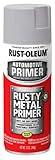
Overview: The Rust-Oleum 249331 Automotive Rusty Metal Primer is a specialized solution for tackling heavily corroded automotive surfaces. This 12-ounce light gray spray paint delivers an oil-based foundation specifically engineered for vehicles with significant rust damage. Designed as the first line of defense, it transforms compromised metal into a paintable surface while actively preventing further oxidation.
What Makes It Stand Out: The proprietary Stops Rust formula sets this primer apart, providing more than double the rust protection of standard enamel primers. Its rapid 15-minute drying time allows for quick project progression, while the flat finish ensures superior adhesion for any topcoat. The oil-based composition penetrates deep into rusted surfaces, creating a chemical bond that seals out moisture and air.
Value for Money: At $0.52 per ounce, this represents exceptional value for budget-conscious DIYers and automotive enthusiasts. The accessible price point makes professional-grade rust prevention available without professional costs. For small to medium rust repair projects, the 12-ounce can offers sufficient coverage at a fraction of the cost of premium alternatives.
Strengths and Weaknesses: Strengths include unbeatable price, proven rust-inhibiting technology, fast curing time, and universal topcoat compatibility. The oil-based formula provides excellent penetration on pitted surfaces. Weaknesses include limited suitability for bare metal applications where etching primers excel, modest 12 square foot coverage requiring multiple cans for larger projects, and strong fumes necessitating proper ventilation.
Bottom Line: This primer is the go-to choice for cost-effective rust remediation on automotive projects. While specialized etching primers outperform it on clean metal, nothing beats its value for restoring rust-damaged vehicles.
7. Raptor Acid Etch Primer 1K Aerosol, Protective Automotive Etching Primer, Durable Spray Paint For Bare Metals, Gray, 13.2 oz

Overview: Raptor Acid Etch Primer 1K Aerosol represents professional-grade automotive refinishing technology in a convenient spray format. This 13.2-ounce gray primer employs a phosphoric acid ester formula designed specifically for challenging bare metal surfaces like galvanized steel and aluminum. It streamlines the traditionally multi-step metal preparation process into a single application.
What Makes It Stand Out: The one-step etching and priming capability eliminates labor-intensive surface preparation, saving both time and effort. The phosphoric acid component chemically micro-etches the metal surface while simultaneously depositing a corrosion-resistant barrier. The specialized flat fan high atomization nozzle delivers a professional-quality spray pattern that ensures even coverage without requiring subsequent sanding.
Value for Money: At $1.70 per ounce, this premium product commands a higher price point but delivers proportional value through time savings and superior results. For professionals billing hourly, the eliminated sanding step justifies the cost immediately. DIYers benefit from factory-quality adhesion that prevents costly paint failure.
Strengths and Weaknesses: Strengths include exceptional adhesion on difficult metals, robust anti-corrosion protection, effortless application, and the trusted Raptor brand reputation. The no-sand requirement is a game-changer for productivity. Weaknesses include premium pricing that may deter casual users, limited effectiveness on heavily rusted surfaces (where rust-specific primers excel), and the need for careful surface cleaning before application.
Bottom Line: This is the premium choice for professional results on bare metal automotive panels. The price reflects its professional-grade performance and time-saving benefits, making it ideal for serious enthusiasts and professionals.
8. Custom Shop Self Etching Primer Spray - 12.9oz Gray Acid Etch Primer for Metal, Aluminum & Stainless Steel - Fast Drying Automotive Etching Primers, Pre Truck Bed Liner Primers for Bare Metal
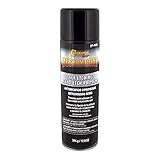
Overview: Custom Shop Self Etching Primer Spray delivers professional metal preparation performance with broad compatibility across automotive coating systems. This 12.9-ounce gray primer uses phosphoric acid technology to bond aggressively to bare steel, aluminum, and stainless steel surfaces. Positioned as a versatile solution, it particularly targets users of truck bed liner systems.
What Makes It Stand Out: The primer’s universal compatibility with major brands, including UPOL Raptor, makes it exceptionally versatile for multi-product projects. Its no-sand application process produces a super-smooth finish ready for immediate topcoating, while the high-atomization nozzle ensures consistent professional coverage. The fast-drying formula accelerates project timelines without sacrificing protection.
Value for Money: Priced at $1.67 per ounce, it competes directly with premium etching primers while offering enhanced versatility. For users investing in truck bed liner applications, this specialized compatibility prevents costly adhesion failures. The time saved through its no-sand formula adds significant value for both professionals and dedicated DIYers.
Strengths and Weaknesses: Strengths include excellent multi-metal adhesion, Raptor liner system compatibility, rapid drying, and professional spray nozzle quality. The versatile substrate range covers most automotive applications. Weaknesses include a lesser-known brand name compared to Raptor or Rust-Oleum, premium pricing that exceeds budget options, and potential over-specialization for general automotive touch-ups.
Bottom Line: This primer excels for users seeking a Raptor-compatible etching primer with professional performance. Its specialized nature makes it ideal for truck bed projects, though general users may find more value in established alternatives.
9. Rust-Oleum 249331-6PK Automotive Rusty Metal Primer Spray Paint, 12 oz, Light Gray, 6 Pack

Overview: The Rust-Oleum 249331-6PK offers the same trusted rusty metal primer formula in a convenient six-pack bundle. Each 12-ounce can contains the identical oil-based Stops Rust formulation designed for heavily corroded automotive surfaces. This bulk packaging targets serious restorers and professionals tackling extensive rust remediation projects.
What Makes It Stand Out: The six-pack configuration delivers the most economical per-ounce pricing in the Rust-Oleum lineup while ensuring batch consistency across large projects. The familiar quick-drying, flat-finish formula maintains its reputation for superior topcoat adhesion. Bulk purchasing eliminates mid-project supply runs that can compromise timing and finish quality.
Value for Money: At $0.46 per ounce, this represents the absolute best value for rust-prevention primers. The 27% savings compared to single-can purchases adds up substantially on large restoration jobs. For body shops and dedicated hobbyists, the upfront investment pays dividends through both direct savings and operational efficiency.
Strengths and Weaknesses: Strengths include unbeatable bulk pricing, proven rust-inhibiting performance, consistent batch quality, and the convenience of on-hand supply. The 15-minute dry time remains a productivity advantage. Weaknesses include the higher initial investment, storage space requirements for six cans, and the same limitations as the single unit—not optimized for bare metal applications and modest individual can coverage.
Bottom Line: For extensive rust restoration projects, this six-pack delivers unparalleled economy without compromising the reliable Rust-Oleum performance. It’s the smart choice for high-volume users.
10. JENOLITE Universal Etch Primer | GREY | High Performance Self Etch Primer For Difficult Surfaces Including Aluminum Galvanised Steel Stainless GRP Plastic | 13.5 fl oz (400ml)

Overview: JENOLITE Universal Etch Primer positions itself as the versatile solution for challenging substrates beyond standard metals. This 13.5-ounce gray primer tackles aluminum, galvanized steel, stainless steel, GRP plastic, and even cured painted surfaces. It addresses the common problem of painting difficult-to-coat materials with a single product.
What Makes It Stand Out: Exceptional substrate versatility distinguishes this primer from metal-only alternatives. The ability to adhere to rigid plastics and fiberglass composites (GRP) expands its utility to marine, automotive, and industrial applications. The quick, simple spray application delivers a smooth, even finish that creates an ideal foundation for subsequent topcoats.
Value for Money: At $1.11 per ounce, it occupies a middle ground between budget rust primers and premium etching formulas. This pricing reflects its specialized multi-surface capability, offering savings over purchasing separate primers for different materials. For users with diverse project requirements, the convenience factor adds substantial value.
Strengths and Weaknesses: Strengths include remarkable surface versatility, quick application, topcoat-ready finish, and suitability for both metal and plastic substrates. The broad compatibility reduces inventory needs. Weaknesses include potentially compromised performance compared to dedicated metal etching primers, limited brand recognition in the automotive sector, and uncertainty about long-term durability on plastic surfaces.
Bottom Line: This primer is ideal for users needing one product for multiple substrates. While specialized primers may outperform it on specific metals, its versatility makes it invaluable for mixed-material projects.
What is Metal Etching and Why Does It Matter for Automotive Prep?
Metal etching is a chemical process that microscopically roughens a metal surface while simultaneously depositing a protective conversion coating. In automotive applications, this dual-action process serves two critical functions: it removes the invisible layer of oxidation that forms within minutes of exposing bare steel or aluminum to air, and it creates a chemically active surface that forms covalent bonds with subsequent primer and paint layers. Think of it as giving your paint something to grab onto beyond just mechanical adhesion.
The stakes couldn’t be higher in car care. Modern urethane and epoxy paint systems are incredibly durable once cured, but they’re only as strong as their bond to the substrate. A properly etched surface can improve paint adhesion by up to 300% compared to simply scuffing and priming. This is particularly crucial on vertical panels, edges, and areas subject to stone chips where flex and impact stress can exploit any weakness in the paint-to-metal interface. For restoration projects, it’s the difference between a finish that lasts five years and one that survives decades.
How Metal Etching Sprays Work
When you spray an etching solution onto bare metal, you’re initiating a controlled chemical reaction. Most formulations contain phosphoric acid or a proprietary blend of acid salts that react with iron oxides (rust) and the metal itself. This reaction converts iron oxide into iron phosphate—a stable, non-reactive compound that becomes part of the surface profile. Simultaneously, the acid creates a uniform micro-etch pattern, typically 0.5 to 2 microns deep, that provides mechanical “tooth” for primers to flow into and lock onto.
The magic happens at the molecular level. As the carrier solvents evaporate, the conversion coating forms a crystalline structure that acts as a bridge between the metallic substrate and the organic polymer chains in your primer. This chemical bonding is far superior to the purely mechanical grip of sanding alone. Quality formulations also contain wetting agents that ensure the solution spreads evenly across the surface, preventing “holidays” or missed spots that become weak points in your paint film.
Key Benefits of Using Etching Sprays in Car Restoration
Beyond the fundamental adhesion improvement, metal etching sprays deliver several restoration-specific advantages. First, they neutralize microscopic rust that sanding can’t reach. Even after meticulous media blasting, rust spores can remain in pits and seams. An etching spray seeks out and chemically converts these hidden threats before they metastasize under your perfect paint job.
Second, they create a uniform surface energy across the panel. Bare metal has inconsistent surface tension due to contamination, oil residue, and varying oxidation levels. This causes primers to flow unevenly, leading to dry spray areas and sags. Etching sprays normalize the surface, ensuring your primer lays down with consistent thickness and appearance—critical when you’re blocking for a mirror-straight finish.
Third, they provide a crucial window of protection. On a humid day, you might have only 30 minutes before flash rust appears on bare steel. A quality etching spray extends this working window to 24-48 hours, giving you breathing room to address bodywork issues or wait for optimal painting conditions without starting over.
When to Use Metal Etching Spray vs. Other Prep Methods
The decision tree for metal prep isn’t as simple as “always etch everything.” For brand-new, clean steel that’s never seen weather, a high-build epoxy primer might be sufficient if applied immediately. However, any metal that’s been exposed to moisture, handled with bare hands, or stripped using chemical or mechanical methods benefits from etching.
Use etching spray when: you’re dealing with previously painted metal stripped to bare metal, patch panels that have been welded in (the heat-affected zone is particularly prone to oxidation), any surface showing light flash rust, or aluminum panels where oxidation forms an almost invisible but tenacious barrier. It’s also non-negotiable on cast iron components like suspension parts where porosity traps contaminants.
Skip etching when: you’re applying a direct-to-metal (DTM) urethane primer specifically formulated to wet sand and adhere to properly scuffed metal, or when the manufacturer explicitly states their primer system works best on virgin metal. Some high-solids epoxy primers are designed to be their own etch coat, and adding a separate etching step can interfere with their cure chemistry.
Critical Factors to Consider Before Buying
Chemical Composition and Safety
The active ingredient determines both performance and risk. Phosphoric acid-based formulas are the traditional workhorses, offering aggressive etching and robust conversion coating. However, they produce fumes requiring excellent ventilation and can burn skin on contact. Newer acid-free “conversion primers” use proprietary zirconium or titanium compounds that are gentler and VOC-compliant, but may not etch as aggressively on heavily oxidized surfaces.
Always review the Safety Data Sheet (SDS) before purchase. Look for products with clear first-aid instructions and reasonable exposure limits. For home garage use, consider the proximity to living spaces and your ability to achieve 15-20 air changes per hour. Some modern formulations are specifically designed for “confined space” application with minimal odor, sacrificing a bit of etch aggression for user safety.
Surface Compatibility
Your project’s metal type dictates your etching spray choice. Steel and iron respond well to most phosphoric acid formulas, but aluminum requires a specialized formulation. Standard steel etchants can actually darken and compromise aluminum, creating a powdery surface that primers won’t adhere to. Aluminum-specific etchants contain inhibitors that clean and etch without attacking the base metal.
Galvanized and zinc-coated steels present another challenge. The zinc layer requires a milder acid concentration; too aggressive and you’ll strip the very protection you’re trying to enhance. Some etching sprays are explicitly labeled “safe for galvanized surfaces” and contain buffering agents. For stainless steel (rare in automotive but used in some trim and exhaust components), you need a passivation-specific formula that removes free iron without attacking the chromium oxide layer.
Application Method
Consider your equipment. Aerosol cans offer convenience for spot repairs and small panels but rarely deliver the wet, uniform film thickness needed for optimal conversion coating formation. They also limit your control over flash time and can sputter when cold. For restoration projects, liquid formulas designed for spray guns provide superior control, allowing you to dial in the perfect wet coat that flows into seams and body lines.
HVLP-compatible formulations are essential for modern compliance. Check the product’s recommended tip size and pressure range—typically 1.3-1.4mm tips at 20-25 PSI for etching sprays. Some products can also be brushed or rolled on hidden areas like the backside of panels, but this requires careful attention to avoid dry edges that compromise the coating’s continuity.
Drying Time and Cure Process
The working window between application and priming varies dramatically by formulation. Fast-evaporating etchants might be ready for primer in 15-30 minutes, ideal for production shops but risky for beginners who need time to inspect coverage. Slower formulas remain tacky for 2-4 hours, allowing self-leveling and better seam penetration but requiring dust-free conditions.
Understand the difference between “dry to touch” and “ready to prime.” Many etching sprays form a powdery coating that must be rinsed or wiped per manufacturer instructions. Others leave a tacky, resinous film that you prime directly over. Misjudging this step is a common cause of primer delamination. In humid climates, consider formulas with corrosion inhibitors that activate during extended cure times, protecting the surface if you can’t prime the same day.
VOC Regulations and Environmental Impact
Automotive coatings are heavily regulated, and etching sprays are no exception. VOC (Volatile Organic Compound) content limits vary by state—California’s SCAQMD rules cap many products at 3.5 lbs/gal, while other states allow 6.0 lbs/gal. Purchasing a non-compliant product online doesn’t make it legal to use in your area, and some professional shops face random inspections.
Low-VOC formulations have improved dramatically, but they often require adjusted application techniques. They may dry slower, need thinner coats, or be more sensitive to temperature. Water-based etching sprays represent the cutting edge, offering near-zero VOC but demanding meticulous surface drying and sometimes heated cure cycles. For the environmentally conscious restorer, some brands offer take-back programs for aerosol cans or recyclable metal containers for bulk liquids.
Understanding Different Formulations
Acid-Based Etchants
These traditional formulas rely on phosphoric, sulfuric, or hydrochloric acid blends. Phosphoric acid dominates the automotive sector because it converts rust to phosphate rather than just dissolving it. Concentrations typically range from 10-45% active acid. Higher concentrations etch faster but increase flash rusting risk if not neutralized properly. Premium formulations include surfactants that improve wetting and foam inhibitors that prevent bubbling on vertical surfaces.
The downside? Acid etchants continue reacting until completely removed or neutralized. This means residue trapped in seams can cause ongoing corrosion. They also require careful disposal—pH-neutralizing the runoff before it hits your garage drain is both environmentally responsible and often legally required. For concours-level restorations, some purists avoid acid etchants entirely, fearing hydrogen embrittlement on thin vintage sheetmetal, though this is largely debunked with modern formulations when used correctly.
Acid-Free Conversion Coatings
These next-generation products use chelation chemistry, typically based on zirconium, titanium, or rare-earth compounds. They work by exchanging ions with the metal surface, forming a conversion layer without aggressive acid attack. The result is a more uniform, thinner coating (often just 0.1-0.3 microns) that’s ideal for modern, high-build primer systems that need a smooth foundation.
Acid-free formulas shine on aluminum and sensitive alloys, where they clean and convert without darkening or pitting. They’re also significantly safer for home users, with minimal fuming and reduced PPE requirements. The trade-off is reduced performance on heavily rusted surfaces—they’re designed for clean metal prep, not rust conversion. For projects involving new-old-stock panels or aluminum bodywork, they’re often superior to traditional acids.
Self-Etching Primers vs. Standalone Etchants
This distinction confuses many DIYers. Self-etching primers combine etching chemistry with primer resin in one product—they etch and prime simultaneously. They’re faster but compromise on both functions. The etch is milder because it can’t be too aggressive or it would destabilize the primer resin. The primer layer is thinner because it contains etching agents that don’t contribute to film build.
Standalone etching sprays do one job perfectly: prepare the metal. You follow with a dedicated primer optimized for adhesion and filling. For show-quality work, the two-step approach is universally preferred. Self-etching primers have their place in production collision repair where speed trumps perfection, but for restoration, separating the steps gives you control over each layer’s quality and allows inspection of the etch before sealing it under primer.
Application Techniques for Professional Results
Surface Preparation Before Etching
Etching spray is not a cleaner. The surface must be surgically clean for the chemistry to work. Start with a wax and grease remover, using two clean rags—one to apply, one to dry. Follow with a dedicated metal prep cleaner that removes residual silicones and fingerprints. For blasted surfaces, blow out all seams with dry compressed air (minimum 90 PSI) and tack-cloth the entire panel. Any residual blast media becomes embedded in the conversion coating, creating a weak point.
Temperature matters more than most realize. Metal below 60°F will cause the etchant to condense moisture, leading to uneven reaction. Above 85°F, solvents flash too quickly, causing dry spray. Use infrared lamps to warm cold panels or work during cooler morning hours on hot days. The metal should be within 10°F of ambient air temperature for optimal results.
Spray Gun vs. Aerosol Application
With a spray gun, adjust your pattern to a tight 6-8 inch oval and hold the gun 4-6 inches from the surface—closer than for paint. Apply a wet coat that flows and self-levels, but avoid runs. Two medium passes are better than one heavy pass that drips. Keep the gun moving at a consistent speed; dwelling creates hot spots where the etch is too aggressive.
For aerosols, warm the can in a bucket of warm (not hot) water for 5 minutes before use. This increases pressure and improves atomization. Shake vigorously for a full two minutes after the agitator ball rattles freely. Apply multiple light mist coats rather than attempting a wet coat—most aerosols can’t deliver the volume needed for proper conversion coating formation. Overlap each pass by 75% to build adequate film thickness gradually.
Temperature and Humidity Considerations
Relative humidity above 70% is your enemy. Moisture in the air condenses on the cooling metal as solvents evaporate, diluting the etchant and causing blotchy conversion coatings. Use a dehumidifier in your spray space or wait for drier conditions. If you must work in humidity, extend flash times by 50% and consider a second light application after the first has flashed.
Cold weather demands special attention. Below 50°F, most etching sprays enter a dormant state where the reaction slows dramatically but doesn’t stop completely. You might think it’s not working and apply more, then when temperatures rise, you get an over-etched, powdery disaster. Use a heated spray booth or wait for a warm day. Some manufacturers offer “cold weather” formulations with adjusted solvent packages, but these are rare in the consumer market.
Common Mistakes to Avoid
The number one error is treating etching spray like primer—applying too thick. Heavy coats don’t increase etch depth; they create a weak, powdery layer that primers can’t bond to. The conversion coating should be barely visible, not a thick, chalky film. If you can write your name in the powder, you’ve applied ten times too much.
Second mistake: poor timing. Priming too soon traps active acid under the primer, leading to bubbling and poor cure. Waiting too long on a humid day allows flash rust to form on top of the conversion coating. Use the manufacturer’s window religiously—typically 30 minutes to 4 hours. Mark your panel with a grease pencil when you finish etching so you know your deadline.
Third: incompatible topcoats. Some etching sprays contain silicones or oils that interfere with epoxy primers. Others leave a water-soluble coating that dissolves if you use a waterborne basecoat. Always test your complete system on a scrap panel. Spray the etchant, prime, base, and clear, then perform a cross-hatch adhesion test after full cure. This 24-hour test saves months of heartache.
Safety Protocols and Protective Equipment
Ventilation is non-negotiable. A simple box fan in the window doesn’t cut it. You need a crossflow that removes fumes from your breathing zone. For acid-based etchants, calculate your garage’s cubic footage and aim for 15-20 air changes per hour. A 20’ x 20’ x 8’ garage is 3,200 cubic feet; you’d need a fan moving at least 800 CFM exhausting outside. Better yet, etch outdoors if possible.
PPE starts with a respirator, not a dust mask. Acid etchants produce mists that bypass particulate filters. Use a NIOSH-approved respirator with organic vapor/acid gas cartridges (typically yellow-labeled). Replace cartridges after 40 hours of use or immediately if you detect any odor. Chemical-resistant gloves—nitrile for acid-based, butyl rubber for solvents—must extend past your wrists and be taped to your sleeves.
Eye protection means sealed goggles, not safety glasses. A single droplet of phosphoric acid in your eye can cause permanent damage. Keep a dedicated eyewash station (even a gallon of clean water with a spout) within arm’s reach. For skin exposure, have a neutralizing solution ready—baking soda and water mixed to a paste works for acids. Don’t just rinse; neutralize, then rinse.
Cost Considerations and Value Assessment
Price per ounce is misleading. A $15 aerosol can seems cheaper than a $40 quart of liquid etchant, but the quart covers 200+ square feet while the can manages maybe 20. For a full car, liquids are vastly more economical. However, factor in gun cleaning solvents, mixing cups, and your time. For a single fender repair, the aerosol’s convenience might justify the premium.
Consider the cost of failure. A gallon of etchant seems expensive until you calculate the labor to strip and repaint a hood that delaminated. Premium formulations with corrosion inhibitors and extended recoat windows cost 30-50% more but provide insurance against environmental variables. For a six-figure restoration, this is cheap peace of mind. For a daily driver beater, a basic phosphoric acid formula from the hardware store might suffice—just understand you’re trading margin for money.
Bulk purchasing makes sense for shop environments. Five-gallon pails can drop the price per ounce by 60%, but check shelf life. Most etching sprays have a 12-24 month unopened lifespan, dropping to 6 months once opened. Don’t buy bulk for a single project. Also consider disposal costs—acidic waste can’t go down the drain. Some municipalities charge $50+ per gallon for hazardous waste disposal, turning that “bargain” into an expensive problem.
Storage and Shelf Life Best Practices
Unopened etching sprays belong in a climate-controlled environment, ideally 60-75°F. Freezing can separate the chemical components irreversibly. Heat above 100°F increases internal pressure in aerosols and can degrade the acid potency in liquid formulas. Store cans upright to prevent the dip tube from contacting concentrated sediment at the bottom.
Once opened, liquid etching sprays begin absorbing atmospheric moisture, which dilutes the active ingredients. Transfer unused portions to a smaller, airtight metal container to minimize air space. Add marbles to raise the liquid level if needed—never use glass, as etchants can etch the glass itself. Date the container with the opening date and discard if not used within the manufacturer’s specified period, typically 6 months.
Aerosols present a unique challenge: the propellant can leak slowly through the valve, leaving you with a can full of liquid but no pressure. Store aerosols with the nozzle attached (after thorough cleaning) to minimize valve seal drying. If a can loses pressure, don’t puncture it—take it to a hazardous waste facility. The remaining product is still chemically active and dangerous.
Troubleshooting Common Issues
White, chalky residue that wipes off easily indicates over-application or insufficient flash time. Lightly scuff with a gray Scotch-Brite pad, re-clean, and apply a very light mist coat. If the residue is greasy or colored, you’ve got contamination—strip everything and start over.
Uneven etch patterns (dark and light spots) usually mean oil or silicone residue. The etchant beads up on contaminated areas. Use a strong degreaser and consider a final wipe with isopropyl alcohol. For galvanized surfaces, dark spots can indicate the zinc coating has been compromised—those areas may need a zinc-rich primer instead of etching.
If your primer fisheyes over the etched surface, the etchant may contain silicone or you’ve applied a water-rinse formula and didn’t dry thoroughly. Some etchants require a final rinse with distilled water followed by immediate blow-drying. Others specify no rinse. Mixing these instructions guarantees failure. Always follow the specific product’s data sheet, not general internet advice.
Integration with Your Overall Paint System
Your etching spray is the foundation of a chain of chemical bonds. It must be compatible with your primer, which must be compatible with your basecoat, which must work with your clear. This “system approach” is why major paint manufacturers produce their own etching sprays. Using PPG etchant with BASF primer might work, but you’re playing chemical roulette.
For epoxy primer systems, ensure the etchant leaves a non-water-soluble coating. Epoxies are hydrophobic and won’t adhere well to water-soluble layers. For urethane primers, the etchant should be fully cured and not tacky, as urethanes can lift uncured conversion coatings. If you’re using a direct-to-metal primer, question whether you need etching at all—many DTM primers contain etching additives and specify application directly to scuffed metal.
Consider the build schedule. Some etching sprays require a specific primer within 24 hours; others provide 7-day protection. If you’re etching on Saturday but can’t prime until next weekend, choose a product with a long recoat window. Mark your calendar—exceeding the window often requires light scuffing and re-application, doubling your work.
Professional Tips for Show-Quality Finishes
For concours-level work, etch in sections. Do one panel at a time, moving from top to bottom. This prevents the etchant from drying on the surface before you can properly work it into body lines and seams. Use a dedicated acid brush to work the etchant into louvers, emblems, and other intricate areas immediately after spraying.
Heat-treat your etched panels. After the etchant has flashed, use a heat lamp to raise the panel temperature to 120-140°F for 10 minutes. This drives off residual moisture and completes the conversion reaction. Let it cool to room temperature before priming. This technique, common in aerospace but rarely discussed in automotive circles, eliminates the risk of trapped moisture causing microscopic corrosion.
Document everything. Keep a log of which etchant you used, the batch number, application conditions (temp, humidity), and the exact time you applied it. If you develop adhesion issues months later, this data helps diagnose whether the problem was product, process, or environmental. For customer work, this documentation demonstrates professionalism and protects you from liability.
Frequently Asked Questions
How long should I wait between applying etching spray and priming?
Most manufacturers specify a recoat window between 30 minutes and 4 hours at 70°F and 50% humidity. Check the product data sheet—applying primer too soon traps active chemicals, while waiting too long allows flash rust to form. Mark your application time and set a timer to ensure you prime within the optimal window.
Can I use metal etching spray on aluminum body panels?
Only if the product is specifically labeled for aluminum. Standard steel etchants contain acids that attack aluminum, creating a dark, powdery surface that primers won’t adhere to. Look for “aluminum-safe” or “non-ferrous metal” formulations, which typically use milder acid salts or acid-free chelation chemistry.
Do I need to rinse the etching spray off before priming?
It depends entirely on the product. Some etchants require a thorough rinse with clean water followed by immediate drying. Others leave a non-water-soluble conversion coating that you prime directly over. Never guess—using the wrong rinsing protocol is a leading cause of paint failure. The manufacturer’s technical data sheet will specify the exact procedure.
What’s the difference between etching spray and self-etching primer?
Etching spray is a dedicated metal prep product that chemically treats the surface but provides no build or filling properties. Self-etching primer combines mild etching agents with primer resin in one product. While faster, self-etching primers compromise on both etch quality and primer performance. For restoration work, separate products yield superior results.
Can I apply etching spray over existing paint or body filler?
No. Etching sprays are designed exclusively for bare metal. They won’t adhere to paint, and the acids can soften and contaminate body filler. Apply etchant only to clean, bare steel, iron, or aluminum. For areas with partial paint, carefully mask the transition and featheredge the paint edge before etching the exposed metal.
Is it safe to use metal etching spray in my home garage?
Yes, with proper precautions. Ensure cross-ventilation achieving at least 15 air changes per hour. Wear a NIOSH-approved respirator with acid gas cartridges, chemical-resistant gloves, and sealed goggles. Keep a neutralizing agent (baking soda solution) and eyewash accessible. Avoid use if your garage shares ventilation with living spaces or if you have children or pets nearby.
How do I dispose of leftover etching spray and cleanup materials?
Etching sprays are hazardous waste. Never pour liquids down the drain or throw aerosols in household trash. Collect liquid waste in a sealed, labeled metal container. Soak up spills with inert absorbent (kitty litter), then bag it. Contact your local household hazardous waste facility for disposal guidelines—many communities offer free collection days for automotive chemicals.
Why is my etched surface turning brown or yellow after drying?
This indicates flash rust forming on top of an incomplete conversion coating. Causes include high humidity, insufficient etchant application, or exceeding the recoat window. Lightly scuff the area, re-clean, and apply a fresh, light coat of etchant. In humid conditions, consider using a dehumidifier or etching smaller sections to reduce exposure time.
Can I sand the surface after applying etching spray?
Generally, no. Sanding breaks through the conversion coating you’ve just created, exposing raw metal. If you must sand to remove drips or over-spray, re-etch the sanded area. The only exception is some acid-free formulas that specifically allow a light scuff with fine Scotch-Brite to improve primer mechanical adhesion—check your product’s instructions.
Will metal etching spray prevent rust from forming under my paint?
It provides significant protection but isn’t a permanent rust inhibitor. The conversion coating chemically passivates the surface and prevents oxidation during the critical window before priming. However, it’s not a substitute for proper priming and painting. For long-term rust prevention, the complete paint system (etchant, epoxy primer, basecoat, clearcoat) must be intact and free from stone chips or damage.