That sinking feeling when your morning coffee tips over onto the passenger seat—it’s a ritual every car owner dreads. But what if your fabric could literally repel that liquid, letting it bead up like water on a duck’s back instead of soaking in permanently? This isn’t automotive sorcery; it’s the science of modern fabric protectants. Your vehicle’s interior faces a daily assault from UV rays, spilled drinks, greasy fingerprints, and the gradual grind of friction. With quality fabric protectants, you’re not just cleaning up messes more easily—you’re preventing them from becoming permanent residents in your upholstery fibers in the first place.
Understanding how these treatments work, what separates premium formulations from bargain-bin disappointments, and how to apply them correctly can mean the difference between a pristine interior that holds resale value and a stained sanctuary that ages before its time. Let’s dive into everything you need to know about selecting and using fabric protectants that actually deliver on their promises.
Top 10 Fabric Protectant For Car Seats
Detailed Product Reviews
1. Adam’s Polishes Fabric Protector (16 Oz) - Protect Carpets, Convertible Fabric Tops, Seats, and Interior Surfaces - Durable, Hydrophobic Treatment That is Safe on Fabric, Carpet, Upholstery

Overview: Adam’s Polishes Fabric Protector delivers a professional-grade hydrophobic barrier specifically engineered for automotive interiors. This 16-ounce spray forms a molecular bond with fabric fibers rather than creating a surface coating, preserving the original texture of carpets, seats, and convertible tops while repelling water and oil-based spills.
What Makes It Stand Out: The cutting-edge bonding technology sets this apart from traditional protectants like Scotchgard. It penetrates the fabric nap for invisible protection that won’t stiffen surfaces. The solvent-based RTU formula flashes quickly without discoloring light interiors, and the 110% satisfaction guarantee demonstrates manufacturer confidence. Being USA-made appeals to quality-conscious buyers.
Value for Money: At $16.99 ($1.06/ounce), it sits in the mid-range category. While pricier than generic fabric guards, it offers superior performance without the rigidity of ceramic-based alternatives. The two-coat application system provides lasting protection that reduces future cleaning costs, making it cost-effective for premium vehicle maintenance.
Strengths and Weaknesses: Strengths include exceptional water/oil repellency, maintained fabric flexibility, versatility across natural and synthetic fibers, and strong customer support. Weaknesses involve the 6-8 hour cure time requiring planning, solvent odor during application, and need for multiple coats. The spray pattern requires careful application to avoid overspray on non-fabric surfaces.
Bottom Line: Ideal for enthusiasts wanting invisible, long-lasting protection without compromising factory feel. Worth the premium over basic sprays for convertible owners and those with light-colored interiors prone to staining.
2. Chemical Guys Total Interior Cleaner and Protectant - Black Cherry Scent, Cleans and Protects Leather, Vinyl, Plastic, Rubber, Glass, and Fabric, Safe for Cars, Trucks, SUVs, RVs, and More - 16 oz
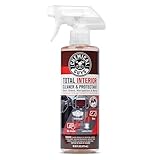
Overview: Chemical Guys’ Total Interior Cleaner and Protectant offers a one-step solution for all cabin surfaces. This pH-balanced 16-ounce spray safely cleans and protects leather, vinyl, plastic, rubber, glass, and fabric while leaving a distinctive black cherry fragrance and streak-free finish.
What Makes It Stand Out: True all-in-one versatility eliminates the need for multiple specialized products. The formula adds a protective layer that resists dust and fingerprints while cleaning away body oils and grime. The sweet black cherry scent provides an immediate sense of freshness, and the safe, non-damaging composition works across virtually every interior material.
Value for Money: At $11.99 ($0.75/ounce), this represents exceptional value. The multi-surface capability replaces several individual cleaners, saving both money and storage space. For routine maintenance, it’s one of the most cost-effective options available from a reputable brand.
Strengths and Weaknesses: Strengths include incredible versatility, affordable pricing, quick application, pleasant scent, and safe pH-balanced formula. Weaknesses are that it’s a generalist—not ideal for deep-set stains or heavy soiling. The black cherry fragrance, while appealing to many, may be overpowering for sensitive individuals. It cleans and protects lightly but won’t match dedicated products for specific tasks.
Bottom Line: Perfect for time-pressed owners seeking convenient, regular upkeep. Use it for weekly wipe-downs, but pair with specialized cleaners for deep cleaning or heavy protection needs. The scent alone makes it a favorite for rideshare drivers.
3. Chemical Guys Sprayable Citrus Fabric Clean Carpet & Upholstery Cleaner (Car Carpets, Seats & Floor Mats), 16 fl oz, Citrus Scent + Induro 7 Heavy Duty Nifty Interior Brush - HOL463

Overview: This Chemical Guys kit combines a sprayable citrus fabric cleaner with the Induro 7 heavy-duty brush, creating a complete deep-cleaning system for automotive textiles. The 16-ounce ready-to-use formula uses high-sudsing foam and enzymatic action to lift stubborn dirt from carpets, seats, and floor mats.
What Makes It Stand Out: The included professional-grade brush adds immediate value, providing the agitation needed for professional results. The enzyme-blended formula actively destroys odor-causing bacteria at the source rather than masking them. The low-moisture, detergent-free composition prevents crunchy residue and over-wetting that leads to mold growth.
Value for Money: At $19.99 ($1.25/ounce including brush), this kit offers strong value. Purchasing a quality brush separately would add $8-12, making the bundle pricing attractive. The professional-grade results rival detailing services costing far more.
Strengths and Weaknesses: Strengths include the complete kit approach, effective enzyme odor elimination, low-moisture formula, and professional results. The brush’s sturdy construction handles tough scrubbing. Weaknesses involve the higher upfront cost compared to spray-only products, potential need for a hot water extractor for best results, and the citrus scent may not appeal to everyone. The brush could be too aggressive for delicate fabrics if used improperly.
Bottom Line: An excellent choice for DIY detailers tackling heavily soiled interiors. The brush inclusion makes it ready-to-use out of the box, delivering professional-level cleaning without professional equipment for most situations.
4. NANOMAN Nano-technology Car Fabric & Upholstery Care - Hydrophobic Waterproof Protector and Stain Guard for Auto Interior Fabrics, Seats, Carpets and Floor Mats.
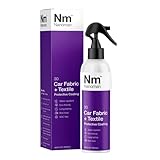
Overview: NANOMAN leverages nano-technology to create an invisible, hydrophobic shield for all automotive fabrics. This premium protector safeguards against spills, pet accidents, and daily grime while preserving the original appearance and texture of luxury materials like Alcantara, nubuck, and leather.
What Makes It Stand Out: The eco-friendly, non-toxic formula appeals to health-conscious consumers, emitting no harmful fumes during application. Its compatibility with premium materials makes it unique—safely protecting high-end interiors that many chemical protectants might damage. The nano-tech bonding creates an extremely tight water-repellent barrier at the molecular level.
Value for Money: At $21.99 ($2.59/ounce), this is the premium option. The price reflects advanced formulation and safety certifications. For standard vehicles, it may be overkill, but for luxury cars, Teslas with vegan leather, or families with children and pets, the protection justifies the cost. The non-toxic nature adds value for those prioritizing occupant health.
Strengths and Weaknesses: Strengths include cutting-edge nano-technology, exceptional material compatibility, eco-friendly composition, and safety for all occupants. It repels everything from coffee to urine effectively. Weaknesses are the highest price point, vague “nano-tech” marketing claims that are hard to verify, and it may require more frequent reapplication than claimed. The premium cost doesn’t match all budgets.
Bottom Line: Best suited for luxury vehicle owners and environmentally conscious families. If you drive a premium car or transport children and pets regularly, the non-toxic protection and material versatility warrant the investment. For basic commuters, more economical options suffice.
5. Chemical Guys Foaming Citrus Fabric Clean Carpet and Upholstery Cleaner - For Car Carpets, Seats, and Floor Mats, Safe for Cars, Home, Office, and More, Citrus Scent - 16 oz
Overview: Chemical Guys Foaming Citrus Fabric Clean uses a high-foaming formula to deep-clean automotive carpets, upholstery, and floor mats. This 16-ounce spray lifts embedded dirt and neutralizes odors, leaving behind a fresh citrus scent and restored fabric appearance.
What Makes It Stand Out: The rich foam penetrates deep into fibers, suspending grime for easy extraction without saturating materials. Its versatility extends beyond vehicles to home furniture and office chairs, maximizing utility. The formula targets stubborn coffee, food, and pet stains while eliminating odors at their source rather than masking them.
Value for Money: At $11.99 ($0.75/ounce), it matches Product 2’s competitive pricing. As a dedicated cleaner rather than a protectant, it delivers specialized performance at a budget-friendly price point. The multi-location usability increases its overall value proposition significantly.
Strengths and Weaknesses: Strengths include powerful foaming action, effective stain and odor removal, safe composition for delicate fabrics, and impressive versatility across environments. The citrus scent is fresh but not overwhelming. Weaknesses are that it’s a cleaner only—no protective properties—requiring a separate protectant application. The foam needs manual agitation with a brush for best results (brush not included), and heavily soiled areas may need multiple applications.
Bottom Line: An outstanding dedicated fabric cleaner for those who want to deep-clean first, protect second. Pair it with a quality fabric guard like Adam’s or NANOMAN for complete interior care. Perfect for multi-surface households wanting one product for car and home use.
6. Chemical Guys Total Interior Cleaner and Protectant - Cleans and Protects Leather, Vinyl, Plastic, Rubber, Glass, and Fabric with Streak-Free Finish, Safe for Cars, Trucks, SUVs, and More - 32 oz

Overview: Chemical Guys Total Interior Cleaner & Protectant delivers a comprehensive solution for vehicle interiors, tackling multiple surfaces with one pH-balanced formula. This 32-ounce bottle promises to clean and protect leather, vinyl, plastic, rubber, glass, and fabric simultaneously, eliminating the need for a cabinet full of specialized products. Designed for enthusiasts and professional detailers alike, it aims to remove dirt, dust, and body oils while leaving a protective layer behind.
What Makes It Stand Out: The true versatility here is unmatched—few products safely address infotainment screens and fabric seats in the same bottle. Its streak-free formulation ensures glass and touchscreens remain crystal clear without hazing, while the protective coating resists fingerprint accumulation and dust buildup. The pH-balanced chemistry prevents fading or discoloration across diverse materials, making it exceptionally safe for modern interiors with mixed surfaces.
Value for Money: At $0.75 per ounce, this represents solid value compared to purchasing separate cleaners for glass, leather, plastic, and fabric. The 32-ounce size provides ample product for multiple vehicles or repeated applications. For DIY detailers maintaining several cars, the cost-per-use becomes increasingly attractive, though dedicated specialists might prefer targeted products for extreme cases.
Strengths and Weaknesses: Strengths include genuine multi-surface compatibility, streak-free performance on screens and glass, protective anti-dust properties, and generous volume. Weaknesses: As a jack-of-all-trades, it may not outperform dedicated heavy-duty cleaners on stubborn stains; some users report preferring separate products for premium leather care; the protectant layer might attract dust if over-applied.
Bottom Line: This is an excellent all-in-one solution for regular maintenance and quick detailing. It simplifies your workflow significantly and performs admirably on most interior surfaces, making it ideal for enthusiasts who prioritize convenience without major compromises.
7. Meguiar’s Carpet & Cloth Re-Fresher Odor Eliminator Spray - Interior Fabric Odor Eliminator - Permanently Eliminates Odors & Freshens Fabrics in your Car, Easy to Use Trigger Spray, 24 Oz

Overview: Meguiar’s Carpet & Cloth Re-Fresher targets a specific problem: lingering odors in automotive fabrics. This 24-ounce spray permanently eliminates smells from smoke, pets, and spills rather than merely masking them. Formulated as a complementary product to deep cleaning, it leaves behind a classic “new car” scent while working residue-free, making it a specialized tool for interior refreshment.
What Makes It Stand Out: Unlike traditional air fresheners, this uses odor elimination technology to neutralize smells at the source. The pleasant new car fragrance is consistently popular without being overpowering. Its trigger spray design allows precise application directly onto affected areas, and the no-residue formula means you can treat fabrics without worrying about sticky buildup or re-soiling.
Value for Money: At $12.70 for 24 ounces, this is an affordable specialty product. It’s not intended as a replacement for thorough cleaning but rather as a finishing touch or quick refresher between deep cleans. For combatting persistent odors, it’s significantly cheaper than professional detailing services and more effective than endless disposable air fresheners.
Strengths and Weaknesses: Strengths include genuine odor neutralization (not just covering), ease of use, pleasant scent, and no-residue performance. Weaknesses: It’s not a cleaner or stain remover, so soiled fabrics still need pre-treatment; scent preference is subjective; effectiveness varies with odor severity; results may be temporary in heavily contaminated vehicles.
Bottom Line: Perfect for maintaining a fresh-smelling interior between deep cleanings. It excels at eliminating odors but should be paired with proper cleaning for soiled fabrics. A worthwhile investment for pet owners, smokers, or anyone wanting that new car smell without artificial overpowering fragrances.
8. Optimum Fabric Clean and Protect - Car Seat Stain Remover and Carpet Cleaner for Auto Detailing, Cleans and Protects Textiles, Upholstery, Car Mats, Seats, and Fabric Trim (32 Oz)

Overview: Optimum Fabric Clean and Protect takes a professional-grade approach to textile care, functioning as both a stain remover and protective treatment. This 32-ounce concentrated formula cleans car seats, carpets, mats, and upholstery while depositing polymers that bond to fibers for lasting protection. Made in the USA, it offers flexibility through dilution for maintenance or full-strength application for deep cleaning.
What Makes It Stand Out: The concentration ratio (1:3 for maintenance) makes this highly economical for regular use. Its dual-action cleaning and protecting capability means you’re not just removing stains—you’re preventing future soiling. The substantive polymers create a genuine protective barrier that repels dirt and dust, extending the cleanliness of treated surfaces far beyond standard cleaners.
Value for Money: At $26.92 ($0.84/ounce), the initial cost seems high, but dilution dramatically improves value. One bottle can yield up to 128 ounces of maintenance solution, bringing the effective cost down to approximately $0.21 per usable ounce. For serious detailers or those maintaining multiple vehicles, this represents exceptional long-term value despite the higher upfront investment.
Strengths and Weaknesses: Strengths include professional-grade concentration, built-in fabric protection, American manufacturing, and versatility across all automotive textiles. Weaknesses: Requires mixing and understanding dilution ratios; full-strength use may need extractor equipment for best results; not suitable for non-fabric surfaces; more complex than ready-to-use alternatives.
Bottom Line: Ideal for dedicated enthusiasts and professional detailers who understand dilution techniques. The protective benefits and concentration make it a cost-effective powerhouse for fabric maintenance, though casual users might prefer simpler spray-and-wipe options.
9. CAR GUYS Super Cleaner | Effective Car Interior Cleaner | Leather Car Seat Cleaner | Stain Remover for Carpet, Upholstery, Fabric, and Much More! | 18 Oz Kit with Microfiber Towel
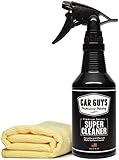
Overview: CAR GUYS Super Cleaner positions itself as the ultimate multi-surface solution, leveraging nano-technology to lift dirt at the molecular level. This 18-ounce kit includes a microfiber towel and promises to replace an entire cabinet of specialized chemicals. Effective on upholstery, leather, vinyl, plastic, rubber, and even exterior surfaces (excluding glass and screens), it targets consumers overwhelmed by product complexity.
What Makes It Stand Out: The nano-technology formulation claims superior cleaning power compared to traditional chemistry. Its extreme versatility—working on everything from bird droppings to wood trim—simplifies detailing dramatically. The inclusion of a premium microfiber towel adds immediate value, and the company’s emphasis on American manufacturing and real customer support differentiates it in a crowded market.
Value for Money: At $19.99 for 18 ounces ($1.11/ounce), it’s mid-range priced but includes a quality microfiber towel (worth $3-5). The real value lies in consolidation—replacing multiple separate products saves money long-term. However, the smaller bottle size means more frequent repurchases for heavy users compared to 32-ounce competitors.
Strengths and Weaknesses: Strengths include impressive versatility, modern nano-tech formulation, included accessories, USA-made quality, and responsive customer support. Weaknesses: Cannot be used on glass or delicate instrument screens (a significant limitation for interior use); smaller volume; marketing language may oversimplify complex detailing needs; effectiveness varies on heavy soiling.
Bottom Line: Excellent for minimalists seeking one bottle for most tasks. The nano-technology performs well on light to moderate dirt, and the customer support is genuinely responsive. Just keep a separate glass cleaner handy, and recognize that dedicated products may still be needed for extreme situations.
10. Malco Epic Fabric Coat – Advanced Fabric Protection/Protects Cloth Seats and Carpets/Prevents Interior Staining of Vehicle Surfaces / 16 oz. (260716)
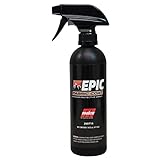
Overview: Malco Epic Fabric Coat focuses exclusively on prevention rather than cleaning. This 16-ounce ready-to-use spray creates a hydrophobic barrier on cloth seats, carpets, and door inserts, causing liquids to bead up rather than penetrate fibers. Designed for vehicles, boats, RVs, and even home furnishings, it’s a specialized protectant that prevents stains before they occur rather than removing existing ones.
What Makes It Stand Out: The advanced formula bonds directly to individual fibers, creating a durable hydrophobic shield that maintains fabric breathability. Unlike silicone-based dressings, this treatment doesn’t alter appearance or feel while providing genuine spill protection. Its versatility extends beyond automotive applications to furniture and footwear, making it a multi-purpose fabric guard.
Value for Money: At $17.97 for 16 ounces ($1.12/ounce), it’s priced at a premium compared to cleaners. However, as a preventative treatment that can save hundreds in professional cleaning or reupholstering costs, the value proposition is strong for new vehicles or freshly cleaned interiors. The ready-to-use format eliminates waste, though the smaller size limits coverage area.
Strengths and Weaknesses: Strengths include effective hydrophobic protection, invisible finish, versatile application beyond cars, and easy spray-on use. Weaknesses: It’s not a cleaner—dirty surfaces must be pristine before application; higher per-ounce cost; smaller bottle covers less area; requires reapplication over time; effectiveness depends on thorough initial coverage.
Bottom Line: Perfect for protecting new or freshly detailed fabric interiors. Apply it after deep cleaning to maintain that pristine condition. While not a substitute for cleaning products, it’s an invaluable preventative tool for anyone wanting to preserve their vehicle’s textile surfaces against future spills and stains.
Understanding Fabric Protectants for Automotive Use
How Fabric Protectants Work at the Molecular Level
Fabric protectants create an invisible barrier that bonds to individual fibers without changing the texture or appearance of your upholstery. Most quality formulations use fluoropolymers or silicon-based compounds that form a microscopic shield around each thread. This shield lowers the surface tension of the fabric, causing liquids to bead up rather than penetrate. The key difference between automotive-grade products and household fabric protectors lies in their ability to withstand extreme temperature fluctuations—from scorching summer heat to winter cold—without breaking down. They also need to maintain flexibility, as car seats constantly flex and compress with use.
Key Benefits Beyond Stain Resistance
While stain blocking grabs the headlines, premium fabric protectants offer a multi-layered defense system. They provide UV inhibitors that prevent fading and fiber degradation from sun exposure—critical for vehicles parked outdoors. Many formulations also include anti-static properties that repel dust and lint, keeping your interior cleaner between vacuum sessions. The best treatments maintain breathability, preventing moisture from getting trapped inside foam cushions where mold and mildew can develop. This is particularly crucial for convertible owners or those in humid climates where condensation is a constant battle.
Types of Fabric Protectants Available
Spray-On Formulations for DIY Enthusiasts
The most accessible option for home application, spray-on protectants come in various delivery systems. Pump sprays offer more control and reduce overspray but require more elbow grease. Aerosol cans provide even coverage with less effort but demand careful masking of non-fabric surfaces. Look for products with adjustable nozzles that allow you to switch between fine mist for broad areas and targeted stream for seams and crevices. The concentration of active ingredients typically ranges from 5-15%—higher isn’t always better, as application technique matters more than raw potency.
Professional-Grade Treatments
Detailers and upholstery shops have access to commercial formulations with stronger bonding agents and industrial application equipment. These often require specialized sprayers that achieve better penetration and more uniform coverage. Professional treatments frequently come with multi-year warranties because they’re applied in controlled environments with proper ventilation and curing conditions. The cost is substantially higher, but the durability can extend to 3-5 years versus 6-18 months for most DIY options. Professional application also includes thorough extraction cleaning before treatment, which is half the battle.
Aerosol vs Pump Spray vs Concentrate
Aerosol cans deliver product in fine, consistent droplets that minimize pooling but can drift onto windows and trim if you’re not careful. Pump sprays give you more control over application rate and direction, making them ideal for precision work around stitching and embroidery. Concentrates, which you dilute and apply with your own sprayer, offer the best value per ounce but require accurate mixing and equipment investment. For convertible tops or large SUVs, concentrates make economic sense; for compact cars, pre-mixed sprays reduce hassle.
Critical Features to Evaluate
Durability and Longevity Metrics
Don’t trust vague “long-lasting” claims. Look for specific metrics like “withstands 25+ washes” or “12-month durability guarantee.” The best products specify abrasion resistance in terms of double rubs—a standard textile testing measurement. Automotive-grade protectants should exceed 15,000 double rubs to handle the constant friction of getting in and out. Also check for temperature stability ratings; quality formulations remain effective from -20°F to 180°F, covering everything from Minnesota winters to Arizona summers.
UV Protection Integration
Sun damage doesn’t just fade colors—it weakens fibers, making them brittle and prone to tearing. Effective automotive fabric protectants include UV absorbers or hindered amine light stabilizers (HALS) that sacrificially absorb radiation before it reaches the dye molecules. Check the product description for specific SPF or UPF ratings; automotive fabrics should have a UPF rating of 30+ to meaningfully slow degradation. This is non-negotiable for vehicles with panoramic sunroofs or convertibles.
Breathability and Texture Preservation
The worst fabric protectants leave seats feeling stiff or crunchy. Quality formulations maintain the natural hand-feel of your upholstery by forming flexible molecular chains that move with the fibers. Test for breathability by spraying a small amount on an inconspicuous area—if it feels waxy or creates a visible film, it’s too heavy. Premium products should be undetectable after curing. This is especially critical for Alcantara, suede, and other microfiber materials used in performance vehicles.
Fabric Compatibility Considerations
Synthetic vs Natural Fiber Performance
Modern car interiors feature a complex blend of materials—polyester, nylon, olefin, and sometimes natural fibers like cotton blends. Nylon and polyester respond excellently to fluoropolymer treatments, achieving high water and oil repellency. Olefin (common in economy cars) is naturally stain-resistant but benefits from UV protection. If you have older vehicles with cotton-blend fabrics, ensure the product specifically lists natural fiber compatibility; some synthetic-focused formulas can leave natural fibers feeling greasy or can cause discoloration.
Colorfastness and Fade Prevention
Dark fabrics face different challenges than light ones. Black and navy seats absorb more UV radiation and heat, accelerating breakdown. Light colors show stains more obviously but resist heat-related fading. The protectant should work with your specific color challenges. Look for products that explicitly state they’re safe for all colors and have been tested on a wide range of automotive dyes. Some premium formulations include color-enhancing agents that refresh faded fabrics while protecting them—a dual-action approach worth considering for older vehicles.
Application Best Practices
Pre-Treatment Preparation Steps
Never apply protectant to dirty fabric—that’s like waxing over mud. Start with thorough vacuuming using a crevice tool to remove grit from seams. Follow with hot water extraction or steam cleaning to remove embedded oils and previous protectant residues. Fabric must be completely dry; trapped moisture under the protectant creates a petri dish for mold. Use a moisture meter if you’re serious—fabric should read below 15% moisture content. In humid conditions, run a dehumidifier in the car overnight before application.
Multi-Layer Application Techniques
One heavy coat is inferior to two light coats. The first light mist penetrates the fiber surface; after 30-60 minutes of flash-off time, the second coat builds the protective barrier. Hold the sprayer 6-8 inches away and use overlapping passes in a grid pattern. Pay special attention to high-wear areas like seat bolsters and entry points. For perforated leatherette or ventilated seats, mask the perforations to prevent clogging. Work section by section, completing one seat before moving to the next to maintain wet edges.
Curing Time and Environmental Conditions
Patience separates success from failure. Most protectants require 12-24 hours of curing time where the fabric must remain completely dry and untouched. Ideal application conditions are 60-80°F with low humidity. Cold temperatures slow curing; high humidity can cause blushing (a cloudy appearance). If you must apply in less-than-ideal conditions, extend curing time by 50%. Park in a garage with windows cracked for ventilation. Avoid using the vehicle during curing—even sitting in treated seats can disrupt the molecular bonding process.
Safety and Environmental Factors
VOC Content and Indoor Air Quality
That “new car smell” is volatile organic compounds, and adding more VOCs from fabric protectants can create an unhealthy environment. Look for low-VOC formulations (under 50 g/L) that meet California’s stringent CARB standards. Water-based products generally have lower VOCs than solvent-based ones but may sacrifice some durability. After application, air out the vehicle for several hours with fans running. People with chemical sensitivities should consider wearing a respirator during application and waiting 48 hours before occupying the vehicle.
Pet and Child Safety Protocols
If you transport kids or pets, safety isn’t negotiable. Once fully cured, quality protectants are inert and safe. However, during application and curing, keep children and animals away. Some products contain perfluorinated chemicals (PFCs) that have raised health concerns; newer C6 fluorochemistry offers better safety profiles than older C8 formulations. Look for products with explicit child and pet safety certifications. For added peace of mind, choose protectants that are GreenGuard Gold certified for low chemical emissions.
Eco-Friendly Formulation Options
Biodegradable fabric protectants using plant-derived polymers are emerging, though they typically don’t last as long as synthetic options. They excel for environmentally conscious consumers who don’t mind more frequent reapplication. Some brands offer take-back programs for empty containers. Consider the entire lifecycle—concentrates reduce packaging waste, while aerosols contribute to landfill burden. For electric vehicle owners who’ve made an eco-conscious vehicle choice, extending that philosophy to chemical products creates a consistent value system.
Performance Metrics That Matter
Water Repellency Ratings Explained
Manufacturers love to show water beading videos, but not all beading is equal. The spray rating test (AATCC 22) is the industry standard, scoring from 0 (complete wetting) to 100 (no sticking). Automotive fabrics should maintain a rating of 80+ after simulated wear testing. More importantly, check for dynamic water resistance—how the protectant performs under pressure (like a spilled soda bottle) versus gentle droplets. Some products bead beautifully but fail under real-world spill conditions.
Oil and Grease Resistance Capabilities
Oil-based stains are the real enemy—think french fry grease, sunscreen, or makeup. These require oleophobic (oil-repelling) properties that are harder to achieve than hydrophobic (water-repelling) ones. The oil rating test (AATCC 118) scores from 1 to 8; automotive protectants should score 5 or higher. This is critical for lighter-colored seats where oil stains create dark, permanent marks. If you frequently eat in your vehicle or have teenage passengers, prioritize oleophobic performance over water resistance.
Cost-Benefit Analysis
Price Per Square Foot Calculations
Don’t be fooled by bottle size—calculate actual coverage. A $20 can that covers 50 sq ft costs $0.40/sq ft, while a $40 bottle covering 150 sq ft costs only $0.27/sq ft. Most car interiors need 75-100 sq ft of coverage (seats, carpets, door panels). Factor in reapplication frequency; a cheaper product needing twice-yearly application often costs more over three years than a premium annual treatment. Keep a log of applications to track real-world durability versus manufacturer claims.
Reapplication Frequency Economics
High-mileage rideshare vehicles might need protection refreshed every 6 months due to constant passenger wear. Weekend garage queens can stretch to 2-3 years. Calculate your cost based on actual use: daily driver with kids and pets = budget for annual reapplication; commuter car for one adult = every 18-24 months is realistic. Some manufacturers offer loyalty programs or bulk pricing for multiple vehicles, reducing per-vehicle costs significantly.
Common Application Mistakes
Over-Saturation Issues
More product doesn’t equal more protection—it equals stiff fabric and wasted money. Over-saturation can also wick into foam cushions, where it never fully cures and creates a sticky mess. The fabric should feel slightly damp, not wet, after application. If you can see pooling in the stitching or seams, you’ve applied too much. Blot excess immediately with a clean microfiber towel. Remember, you’re coating fibers, not soaking them.
Inadequate Curing Time Errors
The number one reason protectants fail prematurely is impatience. Driving the day after application, especially in rain, can wash away uncured product. Sitting on treated seats before full cure compresses the protective barrier, creating thin spots. Mark your calendar and plan alternative transportation. If you must use the vehicle, cover seats with breathable cotton sheets (not plastic) and minimize contact. Better to wait an extra day than reapply in three months.
Professional vs DIY Application
When to Call the Experts
Consider professional application for luxury vehicles with complex multi-material interiors, vintage cars with delicate fabrics, or if you’re dealing with existing stains that need removal first. Professionals have access to heated extractors and air movers that ensure perfect preparation and curing. The cost ($150-400) makes sense for $100K+ vehicles where interior condition significantly impacts resale. They also carry insurance—if they damage your upholstery, you’re covered.
Tools Needed for Home Application
Successful DIY application requires more than just the product. Invest in a quality pump sprayer with adjustable nozzle, painter’s tape for masking, microfiber applicator pads for seams, a moisture meter, and a portable fan for ventilation. A headlamp helps you see coverage on dark fabrics. Total tool investment runs $40-60 but pays for itself after one professional-grade application. Store tools clean and dedicated for interior work to avoid cross-contamination with garden chemicals.
Post-Application Maintenance
Cleaning Protocols After Treatment
Protected fabric cleans easier but isn’t self-cleaning. Use pH-neutral cleaners (pH 6-8) to avoid stripping the protectant. Harsh detergents, bleach, or ammonia-based cleaners will break down the barrier within a few applications. Blot spills immediately—while the protectant buys you time, it doesn’t make your seats waterproof. For routine cleaning, a simple damp microfiber cloth often suffices. When vacuuming, use soft brush attachments; stiff bristles can abrade the protective layer over time.
Reapplication Indicators
Water stops beading? That’s your cue. But don’t wait for complete failure. Perform a quarterly water drop test in an inconspicuous area. If droplets soak in within 5 seconds instead of beading, schedule reapplication. High-wear areas like driver seat bolsters may need touch-ups before the rest of the interior. Keep a small amount of product for spot treatments between full applications. Document your application dates with photos—visual comparisons over time reveal degradation patterns you might miss otherwise.
Seasonal and Regional Considerations
Humidity and Temperature Effects
Applying protectant during a humid summer in Florida requires different technique than a dry winter in Colorado. High humidity extends curing time and can cause uneven application as the product reacts with airborne moisture. In humid climates, apply in air-conditioned garages with dehumidifiers running. Desert environments cause rapid evaporation, potentially leaving a hazy residue—work smaller sections and maintain a wet edge. Coastal areas with salt air need formulations with enhanced corrosion inhibitors to protect metal components near fabric edges.
Salt and Sand Protection for Coastal Areas
Beach proximity introduces unique challenges. Salt air deposits microscopic crystals that abrade fabric fibers, while sand acts like tiny knives cutting through protective layers. Choose protectants with added anti-abrasion ingredients and consider more frequent reapplication—every 8-10 months instead of annually. After beach trips, rinse floor mats and vacuum thoroughly before the salt has time to corrode. Some protectants include salt-repelling additives specifically for marine environments, though they’re marketed for boat upholstery they work excellently in coastal cars.
Frequently Asked Questions
How long does fabric protectant typically last on car seats?
Most quality DIY fabric protectants last 12-18 months under normal daily driving conditions. However, this varies dramatically based on usage patterns, climate, and whether you have children or pets. High-traffic rideshare vehicles may see protection degrade in 6 months, while garage-kept weekend cars can maintain protection for 2-3 years. The key is performing quarterly water beading tests rather than relying on calendar time.
Can I use household Scotchgard or similar products on my car interior?
While technically possible, it’s strongly discouraged. Household fabric protectors lack the UV inhibitors and temperature stability required for automotive environments. They’ll break down rapidly from sun exposure and daily temperature swings, often leaving a sticky residue that attracts more dirt. Automotive-specific formulations are engineered to handle the unique stresses of vehicle interiors, including extreme heat, cold, and constant flexing.
Will fabric protectant change the color or feel of my seats?
A premium automotive fabric protectant should be completely invisible after proper curing. If your seats look darker, feel stiff, or have a shiny appearance, you’ve either over-applied the product or used a low-quality formulation. Always test in a hidden area first and follow the “two light coats” rule rather than one heavy coat. The protectant forms a molecular barrier around fibers, not a coating on top of them.
Is it safe to apply fabric protectant myself, or should I hire a professional?
DIY application is perfectly safe and effective if you follow instructions meticulously and have patience for proper curing. The main advantages of professionals are their industrial-grade equipment for pre-cleaning and controlled curing environments. If your interior is heavily soiled, has existing stains, or features delicate materials like Alcantara or vintage fabrics, professional application ($150-400) is worth the investment. For well-maintained modern interiors, DIY saves money without sacrificing results.
How do I prepare my car seats before applying protectant?
Preparation is 70% of the job. Start with thorough vacuuming using a crevice tool on all seams. Then perform hot water extraction or steam cleaning to remove embedded oils, previous protectant residue, and deep dirt. Allow fabric to dry completely—use a moisture meter to confirm below 15% moisture content. Finally, wipe down with a clean, damp microfiber cloth to remove any remaining dust. Skipping these steps is like painting over rust.
Can fabric protectant be applied over existing stains?
No—protectant seals in whatever’s already there. All stains must be removed first, which is why professional detailing often includes protectant application after thorough cleaning. For DIYers, use a quality fabric cleaner and possibly a steam cleaner on stubborn spots. If a stain won’t budge, consider that area already damaged; protectant will prevent the stain from spreading but won’t make it disappear.
What’s the difference between water-based and solvent-based protectants?
Water-based protectants have lower VOCs, are safer for home use, and dry faster but may offer slightly less durability. Solvent-based products typically bond more aggressively and last longer but have stronger fumes and higher environmental impact. For most consumers, modern water-based formulations provide the best balance of performance and safety. Solvent-based options are better suited for professional application in well-ventilated facilities.
How soon after applying protectant can I use my car?
Resist the urge to drive immediately. Minimum cure time is 12 hours in ideal conditions (60-80°F, low humidity). In cooler or more humid environments, extend this to 24 hours. During this period, avoid any contact with treated surfaces. If you must use the vehicle sooner, cover seats with breathable cotton sheets and minimize sitting time. Premature use is the leading cause of uneven protection and premature failure.
Will fabric protectant prevent all stains permanently?
No product creates an impenetrable force field. Fabric protectants significantly slow absorption, giving you critical minutes to blot up spills before they set. Oil-based stains are particularly challenging and may still leave marks if not addressed promptly. Think of protectant as insurance, not invincibility. It makes cleaning easier and more successful but doesn’t eliminate the need for prompt attention to spills.
How does fabric protectant affect heated seats or ventilated seats?
Quality protectants won’t interfere with heated seat function—the barrier is too thin to impact heat transfer. For ventilated seats with perforations, you must mask the holes during application to prevent clogging. Use painter’s tape on the underside of perforated panels. After curing, the perforations remain fully functional. Some manufacturers offer specific formulas for ventilated seats with lower viscosity to prevent clogging while maintaining protection.