That sickening “pop” when a rock hits your windshield is something every driver dreads. Bulls-eye cracks—those circular impact points with a dark center and radiating rings—are among the most common types of windshield damage, and they seem to appear at the worst possible times. While professional repair shops charge anywhere from $60 to $150 for a single fix, modern DIY windshield repair kits have evolved dramatically, putting professional-grade results within reach for a fraction of the cost. The key is knowing what separates a quality kit from a disappointing one that leaves you with a visible blemish and a crack that continues to spread.
Understanding Bulls-Eye Cracks: What Makes Them Unique
Top 10 Windshield Repair Kit
Detailed Product Reviews
1. Rain-X 600001 Windshield Repair Kit - Quick and Easy Durable Resin Based Windshield Repair Kit for Chips and Cracks, Good for Round Damage Below 1" in Diameter and Cracks Smaller Than 12" in Length

Overview: The Rain-X 600001 offers a straightforward, budget-friendly solution for minor windshield damage. Designed to address chips under one inch and cracks up to twelve inches, this kit uses a durable resin formula to strengthen laminated glass and prevent damage from spreading. The brand’s reputation for automotive care products lends credibility to this entry-level repair option.
What Makes It Stand Out: This kit’s simplicity is its hallmark. Everything needed is included, and the process requires only minutes with minimal steps. Unlike UV-curing competitors, this system uses natural sunlight to cure the resin, eliminating the need for additional equipment. The durable resin formula claims to make windshields stronger than before, and the kit is suitable for multiple repairs, making it practical for households with several vehicles.
Value for Money: At $11.49, this represents solid value compared to professional repairs costing $75-150. It’s the most affordable option from a major automotive brand. While cheaper than replacement, users should temper expectations—the results are functional rather than cosmetic perfection. For preventing crack propagation on older vehicles, it’s a cost-effective insurance policy.
Strengths and Weaknesses: Strengths: Trusted brand name; extremely easy to use; no special curing light needed; durable resin formula; suitable for multiple repairs; excellent for preventing spread of damage. Weaknesses: Sunlight-dependent curing can be inconsistent; limited to smaller damage; risk of air pockets if applied too quickly; less effective on contaminated cracks; not ideal for cold climates.
Bottom Line: The Rain-X kit is ideal for budget-conscious DIYers tackling fresh, minor damage on daily drivers. It won’t make cracks invisible, but it reliably stops them from spreading. Act quickly after damage occurs for best results, and follow instructions meticulously to avoid air pockets.
2. Permatex 09103 Automotive Windshield Repair Kit For Chipped And Cracked Windshields. Permanent Air-Tight Repairs, With Repair Syringe & Plunger, 9-piece Kit

Overview: Permatex delivers a professional-inspired repair system in a consumer-friendly package. This 9-piece kit targets bullseye damage up to 1.25 inches on laminated windshields, using a sophisticated syringe and plunger system to create permanent air-tight seals. The inclusion of detailed photographic instructions makes professional results achievable for novices.
What Makes It Stand Out: The spring-lock syringe mechanism sets this apart from basic squeeze-tube kits. This state-of-the-art delivery system provides controlled, consistent pressure without mixing, ensuring deeper resin penetration. The slightly larger 1.25-inch repair capacity gives it an edge over competitors limited to one inch. Permatex’s reputation for professional-grade automotive chemicals suggests reliable, lasting repairs.
Value for Money: Priced at $13.99, this kit positions itself as the mid-tier professional option. It costs slightly more than basic kits but offers superior application control that justifies the premium. Considering windshield replacement runs $200-400, the investment pays for itself with a single successful repair. The permanent air-tight seal promises durability that cheaper alternatives may lack.
Strengths and Weaknesses: Strengths: Advanced syringe application system; no mixing required; permanent air-tight repairs; larger repair capacity (1.25"); clear photographic instructions; professional-quality results; cures with natural daylight. Weaknesses: More expensive than entry-level kits; daylight curing slower than UV lamps; requires careful technique; limited to bullseye-type damage primarily; single-use design.
Bottom Line: The Permatex kit suits DIYers wanting professional-grade tools without the professional price. The syringe system offers superior control for those willing to spend a few extra dollars. It’s best for fresh bullseye chips where precision application matters most.
3. Windshield Repair Kit, Windshield Crack Repair Kit with Suction Cup Curing Light, 4 Pcs Car Glass Repair Kit Quick Fix for Chips & Cracks, Windshield Chip Repair Kit, Automotive Nano Fluid(Yellow)

Overview: This comprehensive kit elevates DIY windshield repair with professional-grade features typically found in shop environments. The system handles bullseyes, stars, and cracks up to twelve inches using advanced vacuum technology paired with a powerful UV curing light. Four complete repair sets allow multiple applications or practice runs, making it a versatile addition to any garage.
What Makes It Stand Out: The 20PA vacuum holder generates substantial pressure for deep resin penetration into nano-scale cracks, addressing the root cause of spreading damage. The adjustable UV lamp with dual timer and exposure settings provides controlled curing regardless of weather conditions—a significant advantage over sunlight-dependent kits. This eliminates guesswork and ensures consistent polymerization for stronger repairs.
Value for Money: At $16.97, this kit commands a premium but delivers corresponding features. The included UV curing light alone justifies the cost compared to buying separately. Four complete repair sets effectively reduce the per-use cost to about $4.25, excellent value for households with multiple vehicles. It successfully bridges the gap between $10 basic kits and $100+ professional tools.
Strengths and Weaknesses: Strengths: Powerful 20PA vacuum technology; adjustable UV curing light with timers; four complete repair sets; repairs multiple damage types; 5-10 minute cure time; works in any weather; deep resin penetration. Weaknesses: Higher price point; more complex for beginners; suction cup requires clean, flat surface; multiple pieces to manage; overkill for single small chip.
Bottom Line: For serious DIY enthusiasts or families with several cars, this kit offers near-professional capabilities. The UV curing light and vacuum system provide reliability that sunlight kits can’t match. The four-piece set ensures you’re prepared for future damage, making it a smart long-term investment.
4. BLUTOKS Windshield Repair Kit, 2 PCS Windshield Crack Repair Kit with Suction Cup Curing Light, Automotive Nano Fluid Vehicle Windscreen Tool, Glass Repair Kit for Chips and Cracks (Navy)

Overview: BLUTOKS packages two complete professional-grade repair kits in one affordable bundle, making it the value champion for multi-vehicle households. Each kit features the same 20PA vacuum technology and UV curing system as premium competitors, addressing chips, spider webs, and cracks up to twelve inches. The navy-colored tools distinguish this brand in a crowded market.
What Makes It Stand Out: Getting two complete kits for the price of one competitor’s single kit is the primary differentiator. Each set includes the advanced vacuum holder that prevents air bubbles while forcing resin deep into damage. The UV curing light offers multiple modes for customized treatment. The resin boasts impressive shear strength, claiming to restore structural integrity rather than just cosmetic appearance.
Value for Money: At $16.99 for two kits, this represents exceptional value at approximately $8.50 per repair set—cheaper than many basic kits without UV lights. It’s essentially a buy-one-get-one-free deal on professional-grade equipment. For families, fleet vehicles, or neighbors wanting to share costs, this pricing structure is unbeatable. Avoiding a single $300 windshield replacement pays for the kit many times over.
Strengths and Weaknesses: Strengths: Two complete kits for price of one; 20PA vacuum technology; UV curing light included; high shear strength resin; repairs multiple damage types up to 12 inches; cost-effective per-unit pricing; prevents air bubbles. Weaknesses: Higher upfront cost if only one repair needed; brand less established than Rain-X/Permatex; requires storage space for second kit; may expire before second use.
Bottom Line: BLUTOKS is the smartest choice for anyone anticipating multiple repairs. The dual-kit packaging provides professional tools at amateur prices. Whether you own two cars or want to help a friend, this bundle delivers capabilities that match $20+ single kits at a fraction of the cost per use.
5. Windshield Crack Repair Kit,2025 Latest Upgraded Glass Crack Repair Kit,5MinQuick-Glass Repair Liquid,Long-Lasting for Windshields, Windows, Mirrors,All Crack Types Windshield Repair Kit (Black).

Overview: This aggressively-priced kit promises 2025-upgraded technology for rapid repairs across multiple glass surfaces. Beyond windshields, it claims effectiveness on side windows, sunroofs, mirrors, and even headlights. The 5-minute repair process uses imported high-transparency resin with multi-layer curing technology to address bullseyes, stars, radial cracks, and spider webs without requiring UV equipment.
What Makes It Stand Out: Unmatched versatility is the selling point—this isn’t limited to laminated windshield glass. The multi-surface application extends to mirrors and headlight covers, breaking traditional repair kit limitations. At $9.99, it’s the cheapest option while promising the fastest cure time. The nano-scale resin injection claims maximum integrity restoration, and the brand offers direct technical support, unusual at this price tier.
Value for Money: This is the budget category killer at $9.99, undercutting even basic kits while promising advanced features. If the multi-surface claims hold true, it offers value no competitor matches. However, the low price raises questions about resin quality and durability. It trades brand reputation for affordability, making it a gamble that could pay off for minor, non-critical repairs.
Strengths and Weaknesses: Strengths: Lowest price point; repairs multiple glass types (mirrors, headlights); 5-minute cure claim; easy no-mix application; includes technical support; nano-scale resin formula; prevents secondary cracking. Weaknesses: Unproven brand claims; lacks UV curing light; may sacrifice quality for price; marketing language seems exaggerated; limited real-world reviews; questionable long-term durability.
Bottom Line: This kit serves as an experimental option for budget-conscious users or minor damage on non-windshield glass. It’s ideal for tackling mirror chips or headlight scratches where perfection isn’t critical. For primary windshield repairs on daily drivers, invest the extra $2-7 in established brands with proven track records.
6. WOOKKIT Windshield Repair Kit 2 Bottles Car Windshield Crack Repair Kit Nano Glass Repair Liquid Adhesive Solution for Fix Chips Bullseye

Overview: The WOOKKIT Windshield Repair Kit positions itself as a professional-grade solution for DIY enthusiasts dealing with glass damage. This kit includes two 3mL bottles of nano glass repair liquid, promising to restore over 90% of original strength and transparency. Designed for laminated automotive glass, tempered screens, and mirrors, it targets bullseye, star, spiderweb, and linear cracks with a UV-resistant resin that cures in under 30 minutes.
What Makes It Stand Out: WOOKKIT’s primary differentiator is its “nano repair technology” that allegedly penetrates cracks at a molecular level, creating structural bonds stronger than traditional adhesives. The multi-surface compatibility is impressive—working across temperature extremes from -40°F to 200°F once cured. The complete kit includes curing films and applicators, eliminating need for drills or pumps, making it accessible for novices while claiming professional results.
Value for Money: At $9.99 for two bottles sufficient for 4-6 repairs, this kit offers substantial savings compared to dealership repairs that can cost $100+. The per-repair cost of roughly $1.50-$2.50 represents an 80% savings. For vehicles with multiple small chips or households with several cars, the dual-bottle packaging extends value further than single-use competitors.
Strengths and Weaknesses: Strengths include versatile crack type coverage, UV-resistant waterproof resin, temperature resilience, and straightforward application without specialized tools. The two-bottle quantity provides backup for mistakes or future repairs. Weaknesses involve potentially overstated “nano technology” claims that lack independent verification, results that may vary based on crack depth and user skill, and dependence on adequate UV/sunlight for proper curing which limits indoor use.
Bottom Line: The WOOKKIT kit is a cost-effective option for minor windshield damage with its dual-bottle advantage. While marketing language may promise more than it delivers, patient DIYers following instructions carefully should achieve satisfactory results on small chips and bullseyes. Consider this for preventative repairs rather than cosmetic perfection.
7. popalula Windshield Chip Repair Kit - 2025 Upgrade Car Windshield Crack Repair Kit, Glass Repair Liquid for Cracks and Chips, Rock Chip Repair Kit for Fix Windows, Mirrors, Glasses, All Crack Types
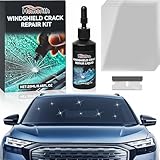
Overview: Marketed as a 2025 upgrade, the popalula Windshield Repair Kit promises rapid fixes in just five minutes using imported high-transparency resin. This single-application kit targets an extensive range of damage types—from bullseyes and star cracks to radial and reticular patterns—on windshields, side windows, mirrors, and even headlight covers. The advanced formula penetrates nano-scale cracks to restore structural integrity and clarity.
What Makes It Stand Out: The five-minute cure time is significantly faster than most competitors requiring 20-30 minutes. Its multi-layer curing technology and premium imported resin claim to create durable bonds that withstand vibrations and temperature fluctuations for years. The versatility extends beyond automotive glass to industrial equipment, making it a multi-purpose solution. The straightforward three-step process requires no glass removal or circuit risk.
Value for Money: At $12.99, it’s priced slightly higher than budget alternatives but offers premium imported resin and expedited results. While single-use kits like J-B Weld cost about the same, popalula’s broader surface compatibility adds value. However, the one-bottle limitation means no room for error, making it less economical than two-bottle kits for multiple repairs or practice attempts.
Strengths and Weaknesses: Strengths include exceptionally fast curing, comprehensive crack type coverage, multi-surface versatility, and high-transparency resin for near-invisible results. The imported polymer formula promises long-term durability. Weaknesses are the higher price point for a single application, potentially exaggerated “2025 upgrade” marketing without substantive evidence, and limited resin quantity that doesn’t forgive mistakes. Results heavily depend on proper surface preparation.
Bottom Line: Ideal for time-pressed users needing quick, versatile repairs. The popalula kit excels in speed and compatibility but commands a premium for single-use convenience. Best suited for confident DIYers with isolated damage who prioritize fast results over bulk value.
8. J-B Weld 2100 Windshield Saver Repair Kit, 0.025 fl. oz

Overview: The J-B Weld 2100 Windshield Saver leverages the brand’s reputation for reliable adhesives in a simplified DIY repair system. This kit focuses on small-scale damage up to 1-1/4 inches in diameter, targeting chips and star breaks common in laminated windshields. The package contains a minimal quantity of repair resin (0.025 fl oz) designed for single, small-area application without complex tools or mixing requirements.
What Makes It Stand Out: J-B Weld’s established brand credibility in the adhesive market provides confidence where unknown brands might not. The system’s simplicity appeals to beginners intimidated by multi-step processes. It specifically minimizes the appearance of damage rather than claiming invisible restoration, setting realistic expectations. The straightforward approach requires no heating or specialized equipment, making it truly accessible for any vehicle owner.
Value for Money: At $12.95 for a tiny 0.025 fl oz quantity, the price per fluid ounce is misleadingly high at $6.48/oz. While competitive with other single-use kits, you’re paying primarily for brand recognition rather than quantity or advanced features. For isolated small chips, the cost beats professional repair, but budget kits offering more resin provide better value for multiple repairs.
Strengths and Weaknesses: Strengths include trusted brand backing, straightforward application, realistic expectation-setting, and effective prevention of crack spreading. The no-mix, no-heat design ensures user safety and simplicity. Weaknesses are the extremely limited resin quantity, restrictive 1.25" damage size limit, lack of advanced features like nano-technology claims, and absence of multi-surface versatility. It offers no curing films or comprehensive accessories.
Bottom Line: A solid choice for J-B Weld loyalists with minor, isolated windshield chips. While lacking the advanced features and quantity of competitors, its brand reliability and simplicity make it dependable for small repairs. Opt for this when damage is minimal and brand trust outweighs the need for cutting-edge technology or bulk value.
9. NASILOOP Windshield Repair kit, Quick and Efficiency Glass Repair Fluid, Car Windshield Crack Repair Resin Kit for Fixing Chips, Bulls-Eye, Cracks and Star-Shape Cack-2 Pack

Overview: The NASILOOP Windshield Repair Kit offers a compelling two-pack solution at an aggressive price point, claiming to repair cracks up to 12 inches long. This kit uses specially-engineered polymers that penetrate micro-fissures for molecular-level bonding. The high-speed curing formula works on chips, bullseyes, star shapes, half-moons, and substantial linear cracks, providing a versatile option for more severe damage than typical DIY kits address.
What Makes It Stand Out: The ability to handle 12-inch cracks significantly exceeds most competitors limited to 1-3 inches. The two-bottle packaging at under $10 creates exceptional per-repair value. The cross-linking chemical reaction promises rapid curing and long-term durability, while the user-friendly design includes clear step-by-step instructions for amateur technicians tackling substantial damage.
Value for Money: At $9.95 for two bottles, this represents the lowest per-bottle cost in the category. The capacity to repair major cracks that would typically require professional replacement (costing $200-$400) offers potentially massive savings. For vehicles with multiple damage points or fleet owners, the dual-bottle approach provides unmatched economy, though resin quality remains unproven against premium brands.
Strengths and Weaknesses: Strengths include exceptional pricing, two-bottle quantity, impressive 12-inch crack capability, rapid curing chemistry, and straightforward instructions. The polymer formula claims deep penetration for durable repairs. Weaknesses involve unknown brand reputation, potentially exaggerated performance claims without third-party validation, questionable effectiveness on deep cracks, and limited included accessories compared to more complete kits.
Bottom Line: An outstanding value proposition for budget-conscious users facing larger cracks or multiple repairs. While brand credibility lags behind established names, the specifications and dual-bottle packaging are compelling. Best for experimental DIYers comfortable with risk-reward tradeoffs on substantial windshield damage.
10. tuncate Windshield Repair Kit for Chips and Cracks– 4 Pack Glass Repair Kit with Enhanced Injection Head for Chips, Cracks & Star-Shaped Cracks, Quick & Easy DIY Fix for Windshields, Black

Overview: The tuncate Windshield Repair Kit delivers a unique four-pack configuration at an aggressive $8.91 price point, making it the most economical per-repair option available. Each kit features a nano-enhanced resin formula claiming 120MPa compressive strength—130% of ordinary glass—with a three-dimensional mesh structure that locks crack propagation. The package includes enhanced injection heads and promises safe, odorless, biodegradable resin suitable for extreme conditions from -4°F to 104°F.
What Makes It Stand Out: The four-pack quantity is unmatched in this price category, ideal for families or fleet maintenance. Authoritative safety certification claims include child/pet-friendly operation without protective gloves, no pungent odors, and 97% light transmittance post-repair. The enhanced injection head design purportedly improves resin delivery precision, while the extreme temperature operational range surpasses most competitors.
Value for Money: At $2.23 per kit, this offers unprecedented economy. For households with multiple vehicles or those wanting practice attempts and backup supplies, the value proposition is unbeatable. Even if individual kit quality proves slightly inferior to premium single-use options, the quantity advantage and redundancy make this a pragmatic choice for preventative maintenance across several cars.
Strengths and Weaknesses: Strengths include exceptional bulk pricing, four complete kits, safety-conscious formulation, impressive strength claims, and extreme temperature versatility. The enhanced injection head and biodegradable resin add practical benefits. Weaknesses involve unknown brand reliability, potentially diluted quality control across mass production, unverified strength and safety claims, and basic packaging that may lack detailed instructions per kit.
Bottom Line: Perfect for multi-vehicle households, fleet operators, or DIYers wanting spare kits for future damage. The tuncate set prioritizes quantity and safety assurances over brand prestige. While individual kit sophistication may trail premium competitors, the economics and redundancy make this the smartest bulk purchase for proactive windshield maintenance.
The Anatomy of Impact Damage
Bulls-eye cracks aren’t just simple surface scratches—they’re complex structural failures in your laminated safety glass. When debris strikes your windshield at high velocity, it creates a cone-shaped fracture that penetrates the outer layer of glass while leaving the inner vinyl layer and second glass pane intact. This distinctive damage pattern features a central impact point where glass fragments are missing, surrounded by concentric circles that resemble a target. The dark center you see is actually air trapped within the fracture, which is why proper resin injection is critical for achieving optical clarity.
Why Bulls-Eye Cracks Spread Faster Than Other Types
Unlike star breaks or combination cracks, bulls-eye damage creates a perfect stress concentration point. The circular geometry allows impact forces to distribute evenly around the perimeter, making it particularly vulnerable to thermal stress. Every time your car sits in the sun or encounters cold air, the glass expands and contracts, causing those concentric rings to gradually extend outward. Temperature fluctuations turn a small, repairable bulls-eye into a sprawling crack network within days, which is why prompt repair is essential for preventing a costly full windshield replacement.
Why DIY Repair Makes Sense for Bulls-Eye Damage
Cost Comparison: Professional vs. DIY Repair
Professional windshield repair involves specialized equipment, overhead costs, and technician labor—all passed on to you. A typical shop visit for a single bulls-eye runs $60-150, while quality DIY kits range from $15-40 and often include enough resin for multiple repairs. The economics become even more compelling if you have multiple vehicles or want to help family members. You’re essentially paying for the same optical-grade resin and vacuum-injection principles professionals use, minus the service markup.
When DIY Is Appropriate (and When It’s Not)
DIY repair shines for fresh bulls-eye cracks under one inch in diameter, located outside the driver’s direct line of sight, and away from windshield edges. If the damage penetrates both glass layers, reaches the vinyl interlayer, or sits within three inches of the frame, professional assessment is mandatory. Modern windshields with embedded sensors, heating elements, or acoustic interlayers also require specialist attention. When in doubt, a quick inspection at a glass shop (often free) can confirm whether your damage is DIY-appropriate.
Key Components Every Quality Repair Kit Should Include
The Resin: Viscosity and Clarity Matters
The heart of any repair kit is its resin. Look for descriptions mentioning “optical-grade” or “thixotropic” properties. Thixotropic resins flow under pressure but maintain viscosity when static, preventing them from dripping out of the crack prematurely. The refractive index should closely match automotive glass (around 1.52) to ensure the repair becomes nearly invisible. Premium kits include multiple resin viscosities: thinner formulas for initial penetration and thicker ones for filling larger voids.
Bridge Assembly: Stability During Curing
The bridge assembly is the structural framework that holds the injector over the damage. A quality bridge uses rigid, non-flexing materials like aluminum or reinforced composite plastic. It should feature adjustable height controls and a stable base that adheres firmly to the glass without sliding. Flimsy plastic bridges allow micro-movements during the vacuum and injection cycles, introducing air bubbles and compromising the seal—two primary causes of failed repairs.
Curing Mechanisms: UV Light vs. Natural Sunlight
Resin cures through photo-initiation, requiring specific UV wavelengths (typically 365nm) to harden. While natural sunlight works, it’s inconsistent—cloud cover, time of day, and seasonal variations affect curing time and completeness. Dedicated UV LED lamps provide controlled, intense curing in 5-10 minutes regardless of conditions. Quality kits include a proper UV lamp rather than relying on sunlight, which is crucial for achieving full hardness and clarity.
Essential Features to Evaluate Before Buying
Resin Quality Indicators
Examine product descriptions for resin specifications. Look for mentions of “non-yellowing formulas,” “low shrinkage rates,” and “high tensile strength” (ideally above 2,000 psi). The best resins include UV stabilizers that prevent yellowing over time, maintaining optical clarity for years. Avoid kits that don’t specify resin properties or use generic terms like “repair liquid” without technical details.
Bridge Design and Stability
Evaluate bridge designs based on adjustability and footprint. A four-point contact base distributes pressure more evenly than three-point designs, reducing the risk of additional stress cracks. Threaded height adjustment with fine increments allows precise injector positioning—critical for controlling resin flow depth. Some advanced designs feature suction cup bases that work on vertical surfaces, giving you flexibility in repair positioning.
Pressure Application Systems
Effective repair requires both vacuum and positive pressure cycles. Look for kits with dual-function injectors that can create negative pressure to remove air and moisture, then switch to positive pressure to force resin deep into the fracture. Spring-loaded or screw-driven pressure systems offer more control than simple plunger designs. The ability to maintain consistent pressure for 2-3 minutes during injection ensures complete void filling.
Curing Light Effectiveness
If the kit includes a UV lamp, check its power output (measured in milliwatts). Effective curing requires 1,000-3,000 mW at 365nm wavelength. Weak, underpowered lights lead to tacky, incompletely cured resin that fails prematurely. The lamp should have a focused beam that covers the entire repair area without excessive heat buildup, which can stress the glass.
Size Limitations: What Bulls-Eye Cracks Can Be Repaired at Home?
The Quarter Rule Explained
The industry standard for DIY repair is the “quarter rule”: if the bulls-eye fits under a quarter (approximately 1 inch in diameter), it’s generally repairable at home. Cracks exceeding this size have deeper penetration and more extensive micro-fracturing that DIY resin viscosity and pressure systems can’t adequately address. Larger damage requires professional equipment with higher injection pressures and specialized resins.
Depth and Location Considerations
Measure depth by running your fingernail across the damage. If it catches significantly, the crack may be too deep for effective DIY repair. Location matters critically: repairs in the acute angle area where the windshield meets the roof pillar often fail because glass flexes differently there. Avoid repairing damage that falls within the driver’s primary viewing area (roughly the width of the steering wheel, top of the dash to within 2 inches of the top of the windshield).
The Science Behind Effective Windshield Repair
How Resin Bonds with Laminated Glass
Automotive glass isn’t solid silica—it’s a sandwich of glass-vinyl-glass. Quality resin must bond mechanically and chemically to the glass surfaces while remaining flexible enough to accommodate thermal expansion. The process involves capillary action drawing resin into micro-fractures as small as 0.001 inches. Once cured, the resin restores approximately 80-90% of the windshield’s original structural integrity at the repair site by transferring loads across the previously empty voids.
The Importance of Moisture Removal
Water molecules trapped in the crack prevent resin from contacting glass surfaces directly, creating weak bonds and visible voids. Quality kits address this with extended vacuum cycles (minimum 5-10 minutes) that boil off moisture at reduced pressure. Some advanced systems include moisture evaporators or dehydrating compounds. Attempting repair on a wet windshield or during high humidity without proper vacuum time guarantees a cloudy, weak repair that will likely fail within months.
Step-by-Step Process Overview
Preparation and Application
Begin by cleaning the damage with glass cleaner and a lint-free cloth, then scraping loose glass fragments with a razor blade held at 30 degrees. Position the bridge assembly so the injector centers directly over the bulls-eye. Apply the vacuum cycle for 10 minutes to remove air and moisture—you’ll see bubbles rising through the resin. Switch to injection mode and slowly introduce resin until the damage appears completely filled, typically taking 3-5 minutes of steady pressure.
Curing and Finishing
Once filled, apply a curing strip or cover to prevent oxygen inhibition (which leaves a tacky surface), then expose to UV light for the specified time—usually 5-10 minutes with a quality lamp. After curing, remove the bridge and scrape excess resin flush with the glass using a sharp razor blade. Polish with a glass cleaner and microfiber cloth. The repair should be smooth to the touch and significantly less visible, though a faint “watermark” where the resin meets glass is normal.
Common Mistakes That Ruin DIY Repairs
Improper Cleaning and Vacuum Phase
The number one failure point is inadequate cleaning. Oils from fingerprints, windshield washer fluid residue, or simple glass cleaner films interfere with resin bonding. Use 90% isopropyl alcohol after initial cleaning for a pristine surface. Rushing the vacuum phase—stopping when bubbling slows rather than ceases—leaves moisture that causes cloudiness and weak bonds. Patience during this 10-minute cycle separates successful repairs from disappointments.
Curing and Filling Errors
Under-curing is disastrous. If the resin feels tacky after the recommended time, it’s not done—give it another 5 minutes. Overfilling creates a raised bump that distorts vision and catches wiper blades; stop injection the moment the damage looks filled from a 45-degree angle. Repairing in direct sunlight before applying the curing strip causes premature surface curing, trapping air bubbles underneath that you can’t remove later.
Longevity Expectations: How Long Do DIY Repairs Last?
Factors Affecting Repair Durability
A properly executed DIY repair on a bulls-eye crack can last the remaining life of the windshield—often 5-10 years or more. Durability depends on resin quality, complete moisture removal, and full curing. Premium resins with UV stabilizers maintain clarity and flexibility, accommodating temperature swings without cracking. However, repairs in high-stress areas or those exposed to extreme temperature cycling may develop fine cracks around the perimeter after 2-3 years, requiring touch-up or professional re-evaluation.
Safety Considerations and Legal Implications
Driver’s Line of Sight and Structural Integrity
Most jurisdictions prohibit repairs within the driver’s critical viewing area because even perfect repairs create slight optical distortion. A bulls-eye repair in the wrong location can cause light refraction that creates glare at night or misjudges distances. From a safety standpoint, the windshield contributes up to 30% of a vehicle’s roof crush strength. While DIY repairs restore most structural integrity, they don’t undergo professional testing. Insurance companies may require documented professional repair for claims, and some void coverage for DIY repairs that later fail.
Environmental Factors That Affect Repair Success
Temperature, Humidity, and Lighting Conditions
Ideal repair conditions are 60-80°F with relative humidity below 60%. Cold glass causes resin to thicken and flow poorly; warm it gently with a hair dryer on low for 2-3 minutes if needed. High humidity extends vacuum times by 50% or more. Perform repairs in shade, then move to sunlight or use a UV lamp—direct sun during injection cures resin prematurely. Wind is your enemy; even a breeze can cool the glass unevenly and introduce dust.
Storage and Shelf Life of Repair Kits
Resin Expiration and Proper Storage
Unopened resin typically lasts 12-18 months from manufacture; opened resin degrades within 6 months. Store kits in a cool, dark place—excessive heat accelerates polymerization, while UV exposure pre-cures the resin in the bottle. Signs of expired resin include yellowing, thickening, or a sour chemical smell. Premium kits include manufacture dates on resin tubes; avoid kits without date stamps, as you can’t verify freshness.
Professional Alternatives: When to Call an Expert
Complex Damage and Modern Windshield Technology
Modern windshields often house ADAS cameras, rain sensors, and heating elements within the glass layers. Bulls-eye cracks near these components require professional diagnosis to avoid sensor misalignment. Similarly, cracks with multiple legs, those that have started to branch, or damage at the edge of the glass need specialized resin injection pressures and techniques beyond DIY capabilities. When your windshield has acoustic interlayers or special coatings, professional shops have matching resins that DIY kits simply don’t include.
Frequently Asked Questions
Can a bulls-eye crack spread during the DIY repair process?
If performed correctly, the repair process itself won’t cause spreading. However, applying excessive pressure with a poorly designed bridge or using a hammer-style injector can stress the glass. The key is gentle, consistent pressure and proper bridge stabilization. If the crack is already spreading rapidly, repair may be too late—stabilization requires professional drilling and specialized techniques.
How invisible will the repair actually be?
Expect 70-90% visual improvement, not invisibility. You’ll typically see a faint “watermark” where resin meets glass, and the dark impact point becomes a light gray dot. High-quality resins and perfect technique yield results where you must point out the repair to others. However, some optical distortion always remains, which is why repairs in the driver’s direct view are discouraged.
What happens if I don’t repair a bulls-eye crack immediately?
Moisture, dirt, and windshield washer fluid seep into the fracture within hours, contaminating the void. Temperature changes cause the crack to expand, creating micro-fractures that extend beyond the initial impact zone. After 2-3 weeks, DIY repair success rates drop below 50% because contamination prevents proper resin bonding, and the damage pattern becomes too complex for basic kits.
Can I use a repair kit on a bulls-eye that’s already been filled?
Attempting to re-repair a previous DIY job is challenging. Old resin must be completely drilled out, which requires specialized bits and risks enlarging the damage. Professional shops use Dremel-style tools to excavate old repairs before refilling. Without this equipment, you’re likely to trap air between old and new resin layers, creating a cloudy, weak repair.
Do different windshield types require different repair approaches?
Absolutely. Acoustic windshields (common in luxury vehicles) have a special vinyl layer that requires compatible resins. Heated windshields with embedded wires need lower viscosity resin to avoid bridging across conductive elements. Rain-sensing glass has a coating that can interfere with adhesion. Always verify your windshield type before purchasing a kit—most manufacturers stamp a code in the corner that glass shops can decode.
Why is my repaired bulls-eye still visible after curing?
Common causes include incomplete moisture removal (leaving a cloudy appearance), using resin with mismatched refractive index, or insufficient curing time. Another culprit is repairing in high humidity without adequate vacuum time. If the repair looks good initially but yellows after a few weeks, the resin lacked UV stabilizers or was expired.
Can temperature extremes affect the repair after it’s complete?
Properly cured resin withstands temperatures from -40°F to 200°F, matching automotive glass performance. However, rushed repairs with incomplete curing may soften in extreme heat or become brittle in severe cold, leading to failure. This is why full UV curing is non-negotiable. Premium resins maintain flexibility across this range, while budget formulas may crack after a few seasonal cycles.
Is there a difference between repairing front and rear windshield bulls-eyes?
Rear windshields are typically tempered glass, not laminated, meaning they shatter rather than crack. Bulls-eyes on rear glass indicate the tempering has been compromised, requiring full replacement. Some modern rear windows are laminated—check for the “LAMINATED” etching. If present, repair follows the same principles as front glass, but damage often indicates structural issues requiring professional assessment.
How do I know if my crack is too deep for DIY repair?
The fingernail test is reliable: if your nail catches deeply enough to feel a significant groove, the outer glass layer is severely compromised. DIY resins typically penetrate 0.02-0.04 inches, while deep impacts can reach 0.08 inches or more. Deep cracks also risk inner layer damage that you can’t see but compromises safety. When in doubt, a professional can measure depth with specialized gauges.
Will my insurance cover DIY repair kit purchases?
Most insurance companies prefer professional repairs with documented warranties and may not reimburse for DIY kits. However, some comprehensive policies apply deductible waivers for professional repair but not DIY attempts. Interestingly, a successful DIY repair that prevents a $500 windshield replacement might be viewed favorably at renewal, but a failed DIY repair that leads to replacement could complicate claims. Check your policy language—some specifically exclude coverage for damage “previously repaired by non-certified methods.”