Your wheels work harder than almost any other part of your vehicle. They’re constantly bombarded with brake dust, road grime, salt, and temperatures that would destroy lesser surfaces. Yet most car enthusiasts slap on the same paint sealant they used on their hood and call it a day. That’s like wearing dress shoes to run a marathon—technically possible, but far from ideal. The right wheel sealant doesn’t just protect; it transforms your maintenance routine, creating a slick, hydrophobic barrier that releases contaminants with minimal effort. But here’s the catch: even the most advanced formula is useless if it fights you during application. A sealant that’s easy to buff can mean the difference between a 20-minute job and a two-hour arm workout that leaves you with sore shoulders and streaky wheels.
What Makes a Wheel Sealant “Easy to Buff”?
Top 10 Wheel Sealant
Detailed Product Reviews
1. CERAKOTE Rapid Ceramic Wheel Sealant - Ceramic Spray Coating for Wheels - Quick and Easy to Apply - Repels Brake Dust – Extremely Hydrophobic

Overview: CERAKOTE’s wheel-specific ceramic spray delivers professional protection in a consumer-friendly format. This $15.95 formula targets brake dust while adding mirror-like gloss to painted, powder-coated, polished, and chrome wheels. It functions as a standalone sealant or booster over existing ceramic coatings, offering flexibility for various protection strategies.
What Makes It Stand Out: The true ceramic formula creates an ultra-slick, heat-resistant barrier that actively repels brake dust rather than just masking it. Extreme hydrophobic properties cause water to bead and roll off instantly, carrying contaminants away. The spray-and-buff application requires minimal effort while delivering results that rival expensive professional treatments. It withstands extreme braking temperatures where traditional waxes fail.
Value for Money: Under $16 represents exceptional value in the ceramic category. Professional wheel coatings cost hundreds, while traditional sealants lack durability. With months of protection per application, it’s far more economical than weekly wheel cleaners or quarterly re-waxing, making ceramic technology accessible to budget-conscious enthusiasts.
Strengths and Weaknesses: Strengths: True ceramic technology at entry-level pricing; excellent brake dust repellency; universal wheel compatibility; can layer over existing coatings; extreme heat resistance; effortless cleaning between applications.
Weaknesses: Requires perfectly clean wheels for bonding; needs reapplication every 2-3 months in harsh climates; spray nozzle can overshoot in tight spaces; not as thick as professional-grade ceramics.
Bottom Line: This is the ideal gateway product for enthusiasts wanting ceramic protection without professional installation costs. It delivers measurable gains in brake dust resistance and cleaning ease, making it a smart investment for anyone tired of constantly scrubbing wheels.
2. Chemical Guys WAC_303 Wheel Guard Max Coat and Rim Sealant, Safe for Cars, Trucks, SUVs, Motorcycles, RVs & More, 8 oz
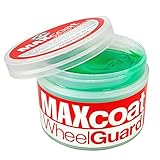
Overview: Chemical Guys’ premium wheel sealant brings professional detailing expertise to rim protection. This 8-ounce bottle at $24.99 promises to repel brake dust while enhancing gloss across cars, trucks, motorcycles, and RVs. As part of their extensive Arsenal line, it integrates seamlessly into comprehensive vehicle care routines for consistent results.
What Makes It Stand Out: Max Coat employs gloss-enhancing agents that create dramatic wet-look depth on painted wheels. The formula builds a slippery molecular shield preventing brake dust adhesion, making subsequent washes significantly easier. Its versatility across multiple vehicle types makes it ideal for multi-vehicle households. The brand’s professional detailing reputation lends credibility to performance claims that marketing-heavy competitors lack.
Value for Money: At $3.12 per ounce, this commands a premium reflecting R&D investment and brand assurance. However, the concentrated formula stretches the small bottle across multiple applications. Compared to $40+ professional coatings, it offers accessible performance with the backing of a company known for quality control and consistent results.
Strengths and Weaknesses: Strengths: Superior wet-look finish enhancement; trusted brand with proven track record; effective contaminant repellency; integrates with broader product ecosystem; safe across all vehicle types; professional detailer approved.
Weaknesses: Higher cost per ounce than competitors; 8-ounce bottle limits applications; requires thorough surface prep; may need monthly reapplication; marketing can oversell capabilities.
Bottom Line: For brand-loyal enthusiasts invested in the Chemical Guys ecosystem, Max Coat delivers reliable performance and aesthetic enhancement. While not the most cost-effective option, its quality consistency and gloss-boosting properties justify the premium for those prioritizing appearance alongside protection.
3. PoorBoys PB-WS08 Wheel Sealant 8oz, 236ml
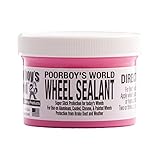
Overview: PoorBoys takes a straightforward approach with this universal wheel sealant. The $21.98, 8-ounce formula promises compatibility across all wheel types while defending against brake dust, tar, bugs, and water. The brand’s reputation for durable, user-friendly products appeals to detailers who value proven performance over marketing hype and complex application processes.
What Makes It Stand Out: Unlike ceramic-hybrid competitors, this sealant focuses on polymer technology that builds protection through multiple layers. Users can apply two or three coats for enhanced brake dust repellency based on driving conditions. The universal formulation works on painted, polished, chrome, and powder-coated surfaces without requiring specialized variants. The simple application process suits beginners while satisfying experienced detailers who appreciate efficiency.
Value for Money: Positioned in the middle ground, the $21.98 price reflects solid value. The multi-coat capability extends product lifespan since subsequent applications require less product. For drivers seeking reliable protection without ceramic complexity, it avoids premium pricing while delivering comparable real-world durability that traditional waxes cannot match.
Strengths and Weaknesses: Strengths: Universal compatibility eliminates guesswork; layered applications improve performance; proven polymer durability; straightforward instructions; effective against tar and bugs; no curing time required.
Weaknesses: Lacks extreme hydrophobicity of ceramics; gloss enhancement is moderate; requires more product per application than sprays; no specific heat-resistance claims; limited retail availability.
Bottom Line: This sealant excels for practical users wanting dependable wheel protection without ceramic coating complexities. While it won’t deliver extreme water-beading, its durability and universal compatibility make it a workhorse solution for daily drivers and weekend warriors who prioritize function over flash.
4. Chemical Guys HydroSpin Wheel & Rim Ceramic Coating and Quick Detailer - 16 oz Spray Protects Wheels, Rims, and Brake Parts with Hydrophobic Ceramic Shine - Safe for Cars, Trucks, SUVs, Motorcycles
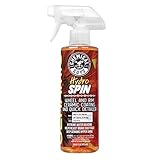
Overview: Chemical Guys merges ceramic coating technology with quick detailer convenience in this 16-ounce bottle for $19.97. This dual-purpose formula protects wheels while serving as a maintenance spray between washes. Engineered for all finishes including anodized and clear-coated surfaces, it addresses the demand for easy-application ceramic solutions that don’t sacrifice versatility.
What Makes It Stand Out: The hybrid approach allows users to both protect and maintain wheels with a single product, simplifying detailing arsenals. Ceramic polymers create a slick, water-beading barrier while the detailer component removes light dust during application. The 16-ounce size offers twice competitors’ volume at similar prices. Safety across delicate anodized finishes demonstrates thoughtful formulation for premium wheel materials that competitors often ignore.
Value for Money: At roughly $1.25 per ounce, this represents exceptional value for a ceramic-infused product. Dual functionality eliminates separate detail sprays, cutting costs effectively. For maintenance-focused users, the ability to quickly boost protection and clean simultaneously maximizes ROI compared to standalone products that serve single purposes.
Strengths and Weaknesses: Strengths: Two-in-one convenience saves time and money; large bottle for multiple applications; safe on delicate anodized finishes; excellent for touch-ups; ceramic polymers provide real protection; integrates with other Chemical Guys products.
Weaknesses: Diluted formula lacks durability of pure ceramics; requires frequent reapplication for sustained protection; not a substitute for professional-grade coatings; overspray can affect brake components if careless.
Bottom Line: HydroSpin is the perfect maintenance companion for ceramic-coated wheels or as an introductory ceramic product. Its convenience and value make it ideal for enthusiasts who regularly detail vehicles and want to maintain that just-coated look with minimal effort and maximum efficiency.
5. CERAKOTE® Platinum Rapid Ceramic Paint Sealant Spray - 14 oz Bottle - Maximum Gloss & Shine – Extremely Hydrophobic – Unmatched Slickness - Ceramic Spray Coating - 50 Wash Rating

Overview: CERAKOTE’s Platinum sealant brings professional-grade ceramic protection to a 14-ounce spray for $19.69. While marketed primarily for paint, its true ceramic technology translates effectively to wheel surfaces seeking maximum durability. The industry-leading 50-wash rating promises months of protection, while extreme slickness and hydrophobic properties deliver performance and visual impact that exceed typical spray sealants.
What Makes It Stand Out: The verified 50-wash durability rating sets a benchmark few competitors match, providing measurable longevity claims. Its true ceramic formulation achieves unparalleled slickness that must be felt to be appreciated. Mirror-like gloss enhancement rivals professional ceramic coatings costing ten times more. As a multi-surface product, it simplifies protection by covering paint, wheels, and trim with one formula, reducing product clutter and saving money.
Value for Money: Under $20 for 14 ounces with a 50-wash rating represents outstanding value. Professional ceramic coatings require hundreds in materials and labor, while most spray ceramics offer 10-20 wash durability. The multi-surface capability effectively replaces separate wheel and paint sealants, maximizing cost efficiency for complete vehicle protection strategies.
Strengths and Weaknesses: Strengths: Industry-leading 50-wash longevity; true ceramic slickness and hydrophobicity; exceptional gloss enhancement; versatile multi-surface use; straightforward spray-and-buff application; proven CERAKOTE ceramic technology.
Weaknesses: Paint-focused marketing may confuse wheel-specific buyers; requires meticulous surface preparation; overkill for those seeking basic protection; may be less heat-resistant than dedicated wheel ceramics; availability can be limited in some regions.
Bottom Line: For maximum durability and show-car gloss on a budget, this Platinum sealant is unmatched. While dedicated wheel products exist, this versatile formula delivers professional results across your entire vehicle, making it the smartest purchase for comprehensive ceramic protection enthusiasts seeking one product for multiple applications.
6. CERAKOTE Rapid Ceramic Tire Coat – Showroom New Tire Shine – Deep Tire Black Finish – Lasts Up to 10x Longer – No Sling, Non-Greasy Ceramic Tire Coating for Car, Truck & SUV – Easy Application (10oz)

Overview: CERAKOTE Rapid Ceramic Tire Coat is a ceramic-based tire dressing designed to deliver a deep, showroom-quality black finish without the typical drawbacks of traditional tire shines. This 10-ounce bottle comes with a foam applicator and promises durability that far exceeds conventional sprays, targeting enthusiasts who want professional results with minimal maintenance.
What Makes It Stand Out: The ceramic formulation is the key differentiator, creating a chemical bond with tire rubber rather than just sitting on the surface. This results in a non-greasy, dry-to-the-touch finish that actively repels dirt and road grime. The no-sling guarantee is particularly compelling—once cured, it won’t throw product onto your clean paintwork, a common frustration with cheaper alternatives that can ruin a fresh wash.
Value for Money: At $14.95, this product sits in the mid-range price bracket but delivers premium performance. Considering it lasts up to ten times longer than typical $5-8 tire shine sprays, you’re actually saving money and time on fewer applications. The included applicator adds value, and a little product goes a long way on standard passenger tires, making it economical for regular use.
Strengths and Weaknesses: Strengths include exceptional longevity, clean application without messy overspray, true non-sling performance, and professional-grade ceramic protection. Weaknesses: thorough tire cleaning is mandatory for proper bonding, and durability claims may vary based on climate and driving conditions. The initial application takes slightly longer than a quick spray-and-walk-away product, requiring patience.
Bottom Line: For enthusiasts tired of weekly tire dressing applications, CERAKOTE delivers a genuinely long-lasting, clean solution that justifies its price. It’s an excellent upgrade from traditional tire shines and worth the modest investment for the time savings alone.
7. Xtra-Seal - Bead Sealer Flammable 32Oz (TI250)

Overview: Xtra-Seal Bead Sealer is a professional-grade solution designed to seal tire beads against rims, preventing slow air leaks common with corrosion or minor rim imperfections. This 32-ounce container provides ample product for multiple applications in both professional shops and serious DIY garages where tire mounting and maintenance are routine tasks.
What Makes It Stand Out: Unlike cosmetic tire products, this addresses a functional problem—air retention. The flammable formulation indicates a strong adhesive quality that creates an effective seal between tire and wheel. It’s specifically engineered for professional use, suggesting robust performance where consumer-grade alternatives fail, making it a staple in commercial tire shops.
Value for Money: At $16.89 for 32 ounces, this represents solid value for a specialty chemical. Considering a single tire shop visit for bead sealing can cost $20-40, one bottle pays for itself after just one or two DIY repairs. The large volume ensures you’ll have plenty on hand for multiple vehicles or commercial use, making it highly economical for frequent users.
Strengths and Weaknesses: Strengths include professional-grade formulation, large quantity for frequent use, effective sealing of problematic bead areas, and cost savings over shop services. Weaknesses: flammability requires careful handling and storage, not intended for cosmetic enhancement, application can be messy, and it’s overkill for consumers who don’t regularly mount tires or deal with persistent leaks.
Bottom Line: This is a niche product for serious DIYers and professionals. If you’re mounting your own tires or dealing with persistent slow leaks, it’s invaluable and will save significant money. For average car owners who never touch their tires, it’s completely unnecessary and potentially hazardous to keep around.
8. McKee’s 37 Ceramic Wheel Sealant | Top Coat Polish, Brake Dust Repellent, and Ceramic Protectant for Wheels…
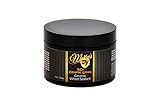
Overview: McKee’s 37 Ceramic Wheel Sealant is a specialized protectant engineered specifically for wheels, combining cleaning, polishing, and ceramic sealing properties in one formula. This product targets the relentless problem of brake dust accumulation while enhancing wheel appearance, making it ideal for enthusiasts with performance vehicles or expensive wheel finishes.
What Makes It Stand Out: The multi-functional approach sets it apart—it’s not just a sealant but also a light polish that can remove minor scratches and scuffs while laying down a heat-resistant ceramic coating. This dual-action capability saves time and delivers a high-gloss finish that complements the protective qualities, eliminating the need for separate polishing and sealing steps.
Value for Money: Priced at $39.99, it’s a premium wheel care product, but competitive with other ceramic wheel coatings. Considering it combines polish and sealant functions, you’re essentially getting two products in one. When weighed against the cost of professional wheel coating services ($100+), it offers substantial savings for DIY enthusiasts who are willing to invest time in proper application.
Strengths and Weaknesses: Strengths include impressive brake dust repellency, heat resistance for high-performance vehicles, ability to correct minor imperfections, and high-gloss aesthetic improvement. Weaknesses: requires thorough wheel decontamination first, price point may deter casual users, and 8-ounce bottle size limits coverage for multiple vehicles or very large wheels.
Bottom Line: Excellent choice for enthusiasts seeking professional-level wheel protection with the added benefit of light correction. The performance justifies the premium price for those who prioritize clean wheels and are willing to follow proper prep procedures. A worthwhile investment for protecting expensive wheel finishes.
9. Gtechniq Wheel Sealant Long Term C5 Wheel Armour 15ml
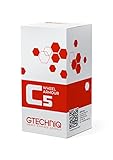
Overview: Gtechniq C5 Wheel Armour represents the pinnacle of wheel protection technology, utilizing molecular nanotechnology to create a semi-permanent bond with wheel surfaces. This 15ml kit provides coating for a complete set of wheels with unparalleled durability, targeting owners of high-end and performance vehicles who demand the absolute best protection.
What Makes It Stand Out: The chemical bonding process creates a super-slick, non-stick surface that actively repels brake dust and road grime at the molecular level. Unlike surface coatings, this becomes part of the wheel finish. The technology was developed by a quantum physicist, lending credibility to its advanced formulation and explaining its exceptional performance in real-world conditions.
Value for Money: At $34.95 for 15ml, it’s expensive per ounce but delivers professional-grade results that can last 1-2 years. Compared to regular sealants requiring quarterly reapplication, the long-term value is clear. For high-end or performance vehicles with wheels costing thousands, this investment protects expensive finishes and reduces cleaning time dramatically, making it cost-effective over time.
Strengths and Weaknesses: Strengths include extreme durability, genuine nanotechnology bonding, dramatic reduction in brake dust adhesion, safe for all finishes including matte and powder coat, and professional-grade results. Weaknesses: high upfront cost, meticulous prep work is critical for proper bonding, small volume makes mistakes costly, and application requires more skill and patience than consumer-grade products.
Bottom Line: For premium vehicles or perfectionists, C5 is worth every penny. The durability and performance are unmatched in the consumer market, but beginners should practice on less expensive wheels first. Treat it as a professional coating in a small package—respect the prep work and you’ll be rewarded with years of protection.
10. CARPRO HydrO2 Lite Touchless Silica Sealant - Spray-On and Rinse-Off Automotive Paint Sealant - Ready to Use Formula - Liter with Sprayer (34oz)
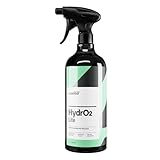
Overview: CARPRO HydrO2 Lite revolutionizes paint protection with its touchless spray-on/rinse-off silica sealant technology. This 34-ounce ready-to-use formula eliminates traditional waxing steps while delivering durable UV protection and exceptional hydrophobic properties, making it perfect for enthusiasts who value both results and efficiency.
What Makes It Stand Out: The touchless application is genuinely revolutionary—simply spray onto a wet surface and rinse to activate the chemical bonding. This silica-based formula protects areas traditional waxes can’t reach, including calipers, wheel wells, and door jambs. The water-activated reaction transforms the surface from hydrophilic to hydrophobic instantly, creating dramatic water beading without any buffing.
Value for Money: At $31.95 for 34 ounces, it’s competitively priced for a silica sealant. The ready-to-use formula eliminates mixing errors, and the large volume covers multiple vehicles. Compared to hours spent traditional waxing, the time savings alone justify the cost. It effectively replaces both wax and some wheel cleaners in your arsenal, providing excellent utility per dollar spent.
Strengths and Weaknesses: Strengths include incredibly fast application, versatile use on all exterior surfaces, impressive water beading and sheeting, UV protection, and excellent coverage per bottle. Weaknesses: requires running water for activation, less durable than some premium coatings (lasting months vs. years), and over-spray must be managed carefully to avoid streaking on glass or trim.
Bottom Line: Perfect for enthusiasts who value their time and want impressive results with minimal effort. HydrO2 Lite delivers 80% of a professional coating’s benefits with 10% of the effort. A true game-changer for maintenance washes and a must-have for those who detail frequently but can’t dedicate hours to traditional protection methods.
The buffability of a wheel sealant comes down to its formulation chemistry and how it interacts with your wheel’s surface. Unlike traditional waxes that sit on top, modern sealants bond at a molecular level while leaving behind a user-friendly top layer. The key lies in the balance between solids and carrier agents—too many active solids and you’re scraping off residue; too few and you sacrifice protection.
Understanding the Curing Process
Sealants transition from liquid to solid through evaporation and cross-linking. Easy-to-buff formulas flash off quickly, leaving a thin, workable haze rather than a thick, sticky film. This flash time—typically 30 seconds to 2 minutes—is your window for leveling the product before it bonds permanently. Premium formulations use volatile silicones or fast-evaporating hydrocarbons that disappear without dragging, letting you wipe away excess with a single pass instead of circular scrubbing.
The Role of Carrier Solvents
The solvent system determines how the sealant spreads and, more importantly, how it releases from the surface. Water-based carriers tend to flash slower and can leave behind mineral spots if you’re not careful. Solvent-based systems, particularly those using isoparaffins, evaporate cleanly and reduce surface tension, making the buffing cloth glide rather than grab. This is crucial when you’re working around tight spokes or intricate mesh designs where mechanical friction is already challenging.
Why Your Wheels Deserve Dedicated Protection
Wheels face a unique punishment that painted body panels never experience. Brake dust isn’t just dirt—it’s metallic particles heated to hundreds of degrees, embedding into porous surfaces. A quality wheel sealant creates a sacrificial layer that withstands this thermal assault while maintaining its release properties.
Brake Dust: The Silent Killer
Those fine, black particles are essentially hot metal shavings with a static charge. They bond to bare metal and clear coats with surprising tenacity. A proper wheel sealant neutralizes this static attraction and fills microscopic pores, making dust sit on top rather than dig in. Without this barrier, you’re essentially sanding your wheels every time you clean them, slowly degrading the finish until it looks permanently dull.
Temperature Extremes and Wheel Finishes
Your wheels cycle from ambient temperature to over 400°F during aggressive braking, then cool rapidly when you hit a puddle. This thermal shock causes standard paint sealants to crack and delaminate. Wheel-specific formulas contain flexible polymers that expand and contract without losing adhesion. They also maintain their slickness at high temperatures, preventing brake dust from baking onto the surface during track sessions or mountain descents.
Key Ingredients That Define Buffability
Not all sealants are created equal, and the ingredient list reveals the truth about how user-friendly a product will be. Manufacturers rarely disclose exact formulations, but understanding the primary active components helps you make informed decisions.
SiO2 vs. Polymer-Based Formulations
Silicon dioxide (SiO2) based sealants offer incredible durability—often 6-12 months—but can be temperamental during application. They flash quickly and can leave high spots if you’re not methodical. Polymer-based sealants, particularly those using polydimethylsiloxane (PDMS) derivatives, provide a longer working time and more forgiving buffing experience. The sweet spot for easy buffing is often a hybrid: enough SiO2 for durability, buffered with flexible polymers that keep the residue pliable during removal.
The Importance of Flash Time
Flash time is the unsung hero of user experience. A sealant that flashes in under 30 seconds might seem efficient, but on a complex five-spoke wheel, you’ll be chasing your tail. Ideal easy-buff formulas give you 60-90 seconds of working time per section—enough to apply, level, and move to the next spoke before returning to buff the first. This rhythm prevents the product from over-curing and becoming stubborn.
Application Techniques for Effortless Buffing
Even the most buffable sealant will fight you if your technique is sloppy. The method matters as much as the material, and small adjustments in your approach can eliminate 90% of common frustrations.
Surface Prep: The Non-Negotiable First Step
You can’t seal over contamination. Iron removers and dedicated wheel cleaners aren’t optional—they’re prerequisites. Any embedded brake dust or old wax will interfere with bonding and create sticky patches during buffing. Use a clay bar or clay mitt on the wheel faces after chemical decontamination. This creates a surgically clean surface where the sealant can lay flat and cure uniformly, making removal predictable and smooth.
Layer Thickness Matters
The biggest mistake enthusiasts make is applying too much product. A single, thin coat cures faster and buffs easier than a thick, gloppy application. Think of it like spreading butter on toast: you want complete coverage with minimal material. Use a foam applicator with a slight flex to it, and apply just enough pressure to work the sealant into the surface. The wheel should look barely wet, not coated in frosting.
Environmental Conditions to Consider
Humidity above 70% extends flash time and can cause sealants to stay tacky indefinitely. Temperatures below 60°F slow curing, while anything above 85°F causes flash-off too quickly. Work in a garage if possible, or choose early morning applications when ambient conditions are stable. If you must work outside, keep a spray bottle with a quick detailer handy—lightly misting your buffing towel can help prevent the product from grabbing.
Common Buffing Challenges and Solutions
Every detailer has faced the dreaded situation: a sealant that won’t budge, streaks that won’t level, or residue that keeps appearing. Understanding the root cause transforms these headaches into minor speed bumps.
High-Spot Prevention
High spots occur when sealant cures unevenly, leaving visible streaks or dark patches. The solution isn’t more buffing—it’s prevention through sectional application. Work one wheel at a time, dividing it into quadrants. Apply to quadrant one, move to quadrant two, then return to buff quadrant one while it’s still in the sweet spot of partially cured but not rock-hard. This timing is critical and varies by product, but generally falls in the 60-120 second range.
Dealing with Humidity
In humid climates, sealants can absorb atmospheric moisture, turning the residue gummy and difficult to remove. Counterintuitively, switching to a sealant with a faster solvent system helps—it evaporates before humidity can interfere. Alternatively, use a forced-air dryer on low heat to accelerate flash-off in the last 30 seconds. Just keep the nozzle moving to avoid overheating one spot.
Temperature-Related Issues
Cold weather makes sealants thick and sluggish; warm weather turns them into super-glues. In cold conditions, warm the bottle in a bucket of warm (not hot) water for 5 minutes before application. In heat, keep your applicator and towels in a cooler with ice packs. This temperature management keeps the product behaving as the chemist intended, maintaining that easy-buff characteristic regardless of season.
Durability vs. Buffability: Finding the Balance
The eternal trade-off: long-lasting protection often means more difficult application. But modern chemistry has blurred these lines, and understanding where you land on this spectrum helps you choose wisely.
Short-Term vs. Long-Term Protection
A sealant that lasts 3-4 months will almost always buff easier than one rated for 12 months. The shorter-lived formula uses smaller polymer chains that don’t cross-link as densely, making them more pliable during removal. For daily drivers in moderate climates, this is often the sweet spot—reapplication becomes a quick, pleasant quarterly ritual rather than an annual wrestling match.
Reapplication Intervals
Easy-buff sealants encourage regular use, which is actually better for your wheels. A fresh layer every few months maintains consistent protection, while a once-a-year heavy hitter might leave your wheels vulnerable in month 10. Consider your willingness to reapply when evaluating durability claims. A 6-month sealant you’ll actually use twice a year beats a 12-month product you’ll dread applying.
Wheel Finish Compatibility Guide
Applying the wrong sealant to a specialty finish is like using dish soap on a wool sweater—you might get away with it, but you’re risking damage. Each finish demands specific considerations for both protection and buffability.
Painted and Powder-Coated Wheels
These are the most forgiving surfaces, accepting nearly any sealant type. However, fresh powder coat (less than 30 days old) can outgas solvents, causing sealant to bubble or lift. Always wait for the full cure period. For buffing ease, these finishes benefit from sealants with slight filling properties that mask minor swirling from automatic car washes.
Polished Aluminum and Chrome
Highly reflective surfaces show every imperfection, making buffability paramount. Use sealants specifically designed for bare metal—these contain anti-corrosion inhibitors and use ultra-fine particle sizes that won’t leave a cloudy appearance. The trade-off is shorter durability, typically 2-3 months, but the effortless removal and mirror-like finish are worth the frequent application.
Matte and Satin Finishes
These finishes are the divas of the wheel world. Any sealant with filling properties will create shiny patches, destroying the intentional flat look. Opt for sealants labeled “matte safe” that cure invisibly. They’re typically water-based and extremely easy to buff since they don’t contain waxes or heavy polymers that alter appearance. Test in an inconspicuous area first—inner barrel sections are perfect for this.
The Science Behind Temperature Resistance
Wheel sealants live in a thermal war zone. Understanding how heat affects their performance helps you set realistic expectations and choose products that won’t let you down when brakes get hot.
How Heat Affects Sealant Performance
Cross-linked polymers begin to soften around 300°F, which sounds high until you realize brake rotors regularly exceed 500°F, radiating immense heat to nearby wheels. Quality wheel sealants use high-temperature siloxanes that maintain their structure up to 450°F. Beyond this, they don’t fail catastrophically—they simply become less slick, allowing more dust adhesion until they cool and recover. This temporary degradation is normal and why track cars need pre-event reapplication.
Track Day Considerations
If you’re taking your car to the track, forget 12-month durability claims. The combination of extreme heat and aggressive track-prep cleaning strips sealants rapidly. Instead, use a light, polymer-heavy formula that’s designed for frequent reapplication. These wipe on and off in minutes, letting you re-seal wheels between sessions. The easy buffing becomes a feature, not a bug, in this high-maintenance environment.
Price Tiers and What to Expect
The wheel sealant market spans from $10 drugstore finds to $100 boutique bottles. Price often correlates with durability and ease of use, but the relationship isn’t linear.
Budget-Friendly Options
Sub-$20 sealants typically use older polymer technology. They’ll protect adequately and buff reasonably well, but expect shorter lifespans (6-8 weeks) and more frequent reapplication. The solvents are often harsher, so ventilation is critical. These are perfect for daily drivers where perfection isn’t the goal—function over form.
Mid-Range Performance
The $25-45 sweet spot is where innovation lives. Here you’ll find hybrid SiO2-polymer blends with optimized flash times, excellent temperature resistance, and 4-6 month durability. These formulas are engineered for enthusiasts who detail their own cars regularly. The buffing experience is noticeably smoother, with residue that practically falls off the wheel.
Premium Formulations
Above $50, you’re paying for specialized chemistry: ultra-pure solvents, nano-scale SiO2 particles, and advanced anti-static additives. These sealants often cure faster and buff easier than mid-range options, but the real value is in their durability claims (8-12 months) and performance under extreme conditions. For show cars or vehicles in harsh climates, the cost per month of protection often beats cheaper alternatives.
Professional Tips for Flawless Application
After applying sealant to thousands of wheels, professionals develop tricks that turn a good result into a perfect one. These micro-adjustments in technique save time and eliminate frustration.
Lighting and Inspection Techniques
Buffing in poor light is asking for high spots. Use a portable LED work light and hold it at a low angle across the wheel surface. This raking light reveals every smear and streak, showing you exactly where to focus your final buffing passes. Rotate the wheel slowly, inspecting each spoke from multiple angles. What looks perfect head-on might be streaky from the side.
Microfiber Matters
Not all microfiber is created equal. For application, use a 300-350 GSM (grams per square meter) foam-backed applicator—firm enough for pressure, soft enough to contour. For buffing, switch to a 400-500 GSM plush towel with a high polyamide content (30% or more). The extra plush lifts residue rather than pushing it around. Keep a second, clean towel for final wipe-down; using the same towel for initial and final buffing just redistributes residue.
The Two-Towel Method
Here’s the pro secret: use one towel to remove 90% of the residue with light, straight passes. Then immediately follow with a second, completely clean towel using slightly more pressure. This two-stage approach prevents the “smear chase” where you keep wiping the same spot because residue keeps appearing. The first towel does the heavy lifting; the second provides the perfect finish.
Maintenance: Extending Your Sealant’s Life
A sealant’s longevity depends as much on how you maintain it as on its inherent durability. Proper care can double the effective lifespan of even easy-buff formulas.
Proper Washing Techniques
Use a dedicated wheel wash bucket with grit guards—never introduce brake dust to your paint wash. pH-neutral wheel cleaners are mandatory; alkaline cleaners strip sealants aggressively. Foam cannons are your friend here: the dwell time lets surfactants lift dirt without mechanical agitation that abrades the sealant layer. Always use the two-bucket method, even for wheels, and rinse your wash mitt after every spoke.
Touch-Up Applications
Easy-buff sealants make spot treatments viable. If you notice the inner barrels getting gritty after a month, don’t strip everything—just clean that section thoroughly and reapply a single, thin coat. The new layer will bond to the existing sealant, refreshing protection without the full removal process. This targeted approach keeps your wheels consistently protected with minimal effort.
When to Strip and Reapply
Even the best sealant eventually fails, usually at the 6-month mark for daily drivers. You’ll know it’s time when water stops beading and dust begins sticking immediately after washing. Stripping requires a strong degreaser or dedicated surface prep spray—never use abrasives. The beauty of easy-buff sealants is that their residue is minimal, making the stripping process less labor-intensive.
Environmental Factors That Impact Performance
Your local climate dictates which sealant characteristics matter most. A formula perfect for Arizona might fail miserably in Florida.
Road Salt and Chemical Resistance
In winter climates, salt is the enemy. Look for sealants with high chemical resistance ratings—these use dense cross-linking that salt can’t penetrate. The trade-off is slightly longer curing times, but modern formulations balance this with fast-flashing carriers. Apply before the first snow and reapply monthly during salt season, even if the product claims longer durability.
UV Exposure and Color Fading
Clear-coated wheels yellow and fade from UV exposure just like paint. Sealants with UV inhibitors act like sunscreen, absorbing harmful rays before they reach the coating. These are typically water-based and extremely easy to buff, making them ideal for show cars that live outdoors. The protection is invisible but critical for preserving factory finish clarity.
Water Spotting Prevention
Hard water leaves mineral deposits that etch into sealants and clear coats. Hydrophobic sealants bead water aggressively, which is good for sheeting but bad for spotting—the beads dry in place, leaving rings. The solution is sealants with “self-leveling” properties that cause water to flatten into a thin sheet that evaporates evenly. These are slightly less hydrophobic but dramatically reduce spotting, and they buff like a dream because they’re designed to level during application.
DIY vs. Professional Application
The rise of easy-buff sealants has democratized wheel protection, but there’s still a case for professional application in certain scenarios.
Time Investment Reality Check
A professional detailer can seal all four wheels in 45 minutes because they’ve done it hundreds of times. Your first attempt might take 2-3 hours, including prep. But here’s the key: with an easy-buff formula, your second application will take half that time. The learning curve is steep but short. Most enthusiasts find that after three applications, they’re within 20% of professional speed.
Skill Level Requirements
If you can wax a car, you can seal wheels—the skill sets are identical. The challenge is the third dimension: wheels have curves, spokes, and deep barrels that test your dexterity. Easy-buff sealants forgive minor technique flaws, making them ideal for beginners. The only real skill needed is patience; rushing the prep or application is what creates problems, not lack of experience.
Cost-Benefit Analysis
Professional wheel sealing runs $100-200, while a bottle of premium sealant costs $40-60 and covers 10+ applications. The math favors DIY after the second use. However, if you’re sealing a $10,000 set of custom three-piece wheels, the professional’s insurance and experience might be worth the premium. For factory wheels on a daily driver, DIY with an easy-buff product is the clear winner.
Troubleshooting Common Issues
Even with perfect technique and ideal products, things can go sideways. Knowing how to diagnose and fix problems without starting over separates the pros from the amateurs.
Streaking and Smearing
If your sealant keeps smearing no matter how much you buff, you’re either dealing with expired product or incompatible residue. The fix: spray a light mist of isopropyl alcohol (15% solution) on your buffing towel. This reactivates the sealant just enough to level it without stripping it. Work in small sections, flipping the towel frequently. The alcohol evaporates quickly, leaving a perfect finish.
Uneven Wear Patterns
Notice the face of the wheel still beads water while the inner barrel is failing? This is normal—the barrel sees more heat and chemical exposure. Don’t wait for the face to fail before reapplying. Instead, adopt a rotating schedule: full application every 4 months, with a touch-up on just the barrels at the 2-month mark. This keeps protection uniform without over-building layers on the easier-to-maintain faces.
Premature Failure Causes
If your sealant fails within weeks, contamination is the culprit. Old tire dressing sling, road tar, or even residual soap from automatic washes creates barriers. The sealant bonds to this contamination instead of the wheel, then flakes off when the contaminant releases. Always use a surface prep spray or IPA wipe-down before sealing, even on seemingly clean wheels. This extra 5 minutes saves you from reapplication frustration.
Frequently Asked Questions
How long should I wait before buffing off wheel sealant?
Most easy-buff formulas require 30 seconds to 2 minutes of flash time. The sweet spot is when the sealant looks hazy but doesn’t feel tacky when you lightly swipe it with a finger. If it’s still wet and transfers to your finger, wait longer. If it’s completely dry and powdery, you’ve waited too long and will need to apply a light reactivation spray.
Can I use paint sealant on my wheels instead of a dedicated wheel product?
You can, but it’s not optimal. Paint sealants lack the temperature resistance and chemical durability that wheels demand. They’ll buff fine initially but degrade quickly under brake heat, becoming difficult to remove during reapplication. Dedicated wheel sealants cost the same and are engineered for this specific torture.
Why does my sealant bead water on some wheels but not others?
This usually indicates incomplete removal of old product or contamination. Different wheel materials (aluminum vs. steel) and finishes (powder coat vs. clear coat) have varying surface energies that affect how sealants bond. Strip all wheels completely and start fresh with a surface prep routine to ensure uniform bonding.
How many layers should I apply for maximum protection?
One proper layer is always better than two rushed ones. A single, thin, well-applied coat of a quality sealant provides 95% of the protection. Adding a second layer within the recoat window (usually 1-4 hours) can boost durability by 20-30%, but the returns diminish sharply after that. Focus on perfecting one layer before chasing marginal gains with multiples.
Is it normal for wheel sealant to feel slick immediately after buffing?
Absolutely. That slickness is the active layer of protection. If it feels grabby or tacky, you haven’t removed enough residue. Give it another pass with a clean microfiber. The final feel should be glassy-smooth, like a non-stick pan. This slickness indicates proper curing and predicts excellent contaminant release during washing.
Can I apply wheel sealant to hot wheels right after driving?
Never. Hot wheels cause sealant to flash instantly, trapping solvents underneath and creating permanent high spots. Wait at least 2 hours after driving, or ideally work on cold wheels that haven’t been driven that day. If you must work on recently driven wheels, use an infrared thermometer—wait until surfaces drop below 80°F.
How do I know when it’s time to reapply sealant?
The water beading test is your best indicator. When water stops forming tight beads and starts sheeting or flattening, protection is fading. Another sign is brake dust that sticks immediately after washing instead of rinsing away. For most daily drivers, this happens around the 4-6 month mark with quality sealants.
What’s the best way to remove old, failing sealant?
Use a dedicated surface prep spray or a 15% isopropyl alcohol solution. Spray liberally, let it dwell for 30 seconds, then agitate with a microfiber towel. For stubborn buildup, a fine-grade finishing polish on a foam pad (by hand or machine) will remove residue without cutting into the clear coat. Never use harsh solvents or abrasives.
Can I wax over wheel sealant for extra shine?
You can, but it defeats the purpose. The wax sits on top of the sealant, providing minimal extra protection while making future maintenance harder. Most waxes contain cleaners that degrade the underlying sealant. If you want more gloss, choose a sealant with enhanced optical clarity rather than layering products. Your buffing routine stays easier with a single, capable product.
Are spray sealants as durable as paste or liquid formulas?
Spray sealants prioritize convenience and buffability over longevity. They’re perfect for maintenance but typically last 4-8 weeks versus 4-6 months for traditional liquids. The trade-off is application speed—sprays take seconds to apply and buff. Many enthusiasts use a long-lasting liquid base coat and maintain it with a spray topper monthly, combining durability with ultimate ease of use.