Your vehicle’s undercarriage faces a constant, silent assault. Every time you drive through rain, snow, or even morning dew, moisture clings to the exposed metal components beneath your car. Add road salt, gravel, and chemical de-icers to the mix, and you’ve created the perfect storm for oxidation. Rust doesn’t just appear overnight—it’s a gradual, relentless process that can transform a structurally sound frame into Swiss cheese, compromising safety and slashing resale value. Understanding how to effectively shield these vulnerable areas isn’t just smart maintenance; it’s automotive self-defense.
Undercoating serves as your vehicle’s armor against this corrosive onslaught, but not all protective treatments are created equal. The market offers a dizzying array of options, each with distinct chemical compositions, application methods, and performance characteristics. Whether you’re restoring a classic muscle car or protecting a brand-new daily driver, making an informed decision requires understanding the science behind rust prevention, the environmental factors specific to your region, and the long-term implications of your choice. This comprehensive guide cuts through the marketing noise to equip you with expert-level knowledge for selecting the ideal undercoating solution.
Top 10 Undercoating For Rust Prevention
Detailed Product Reviews
1. Rust-Oleum 248657-6PK Stops Rust Undercoating Spray, 15 oz, Rubberized Black, 6 Pack

Overview: The Rust-Oleum 248657-6PK delivers a rubberized undercoating solution in a convenient six-pack format. Designed for bare or primed metal underbodies, this 15-ounce spray creates a protective barrier against water, salt, and chemical damage. The formula dries to the touch in just 30 minutes, making it ideal for DIY enthusiasts who want quick results without professional equipment.
What Makes It Stand Out: The any-angle spray technology sets this product apart, allowing application in hard-to-reach areas—even upside down. The wide comfort spray tip reduces finger fatigue during extended use. Additionally, the rubberized coating provides sound deadening benefits, reducing road noise while protecting vulnerable components.
Value for Money: At $35.59 for six cans ($0.40 per ounce), this represents solid value for occasional use. Each can covers 10-12 square feet, providing adequate coverage for a single vehicle application. While not the cheapest option, the convenience of aerosol application eliminates equipment costs, making it cost-effective for DIYers compared to professional undercoating services.
Strengths and Weaknesses: Strengths include easy application, quick drying time, sound dampening properties, and the flexible any-angle spray tip. The rubberized finish adheres well to properly prepared surfaces. Weaknesses include limited coverage per can, requiring multiple purchases for larger vehicles. The coating may not be as durable as professional-grade alternatives, potentially needing reapplication sooner in harsh environments.
Bottom Line: This Rust-Oleum six-pack offers an accessible entry point for DIY undercoating. It’s best suited for moderate climates and vehicles needing periodic protection without investing in spray equipment.
2. Fluid Film 1 Gallon Can Rust Inhibitor Rust Prevention Anti Corrosion Anti Rust Coating Undercoating Underbody Rust Proofing Corrosion Protection for Truck Snow Blower Mower Car Semi Tractor Bus
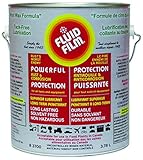
Overview: Fluid Film’s gallon-sized rust inhibitor offers a lanolin-based alternative to traditional petroleum products. This solvent-free formula provides long-lasting corrosion protection for vehicles, equipment, and machinery. Unlike drying coatings, it remains active, continuously protecting metal surfaces from moisture, salt, and environmental contaminants.
What Makes It Stand Out: The environmentally friendly, lanolin-based composition makes this product unique. It’s non-toxic and biodegradable, appealing to eco-conscious users. The anti-freezing properties make it particularly effective for snow blowers and winter equipment. Its non-drying characteristic ensures it won’t crack or chip, maintaining protection even under flexing and vibration.
Value for Money: At $47.09 per gallon ($0.37 per fluid ounce), Fluid Film offers excellent economy for comprehensive undercoating projects. The single gallon provides enough product for multiple vehicles, significantly reducing per-application cost compared to aerosol alternatives. The long-lasting formula means less frequent reapplication, saving time and money long-term.
Strengths and Weaknesses: Major strengths include environmental safety, superior penetration into seams and crevices, excellent performance in cold climates, and versatility across applications. The staying-fluid property allows self-healing of minor abrasions. Weaknesses include requiring spray equipment for proper application, potential messiness during use, and a distinctive lanolin odor that some may find unpleasant. It can also attract dirt due to its tacky consistency.
Bottom Line: Fluid Film is ideal for serious DIYers with spray equipment who prioritize environmental responsibility and need reliable, long-lasting rust prevention in challenging conditions.
3. Krown, Rust Inhibitor, Rust Proofing, Anti-Rust Coating, Corrosion Protection, Automotive Undercoating, Truck & Car Rust Prevention, Self-Healing, No Solvents, Underbody Protection (1 Gallon)

Overview: Krown’s Rust Inhibitor positions itself as Canada’s premier rust protection solution in a one-gallon format. This petroleum-based formula creates a durable, self-healing barrier that actively prevents corrosion on vehicle underbodies, frames, and components. Trusted by automotive professionals, it offers versatile application methods for both DIY and commercial use.
What Makes It Stand Out: The self-healing formula continuously flows into abrasions and scratches, maintaining uninterrupted protection without manual touch-ups. Its petroleum-based composition ensures exceptional adhesion and water displacement. The product’s versatility shines through multiple application options—spray, brush, or dip—accommodating various project scales and user preferences.
Value for Money: At $89.95 per gallon, Krown commands a premium price but delivers professional-grade performance. While significantly more expensive than Fluid Film, the specialized self-healing properties and established reputation justify the cost for those seeking maximum protection. For vehicles in severe rust-belt conditions, the investment pays dividends in extended metal longevity.
Strengths and Weaknesses: Strengths include the innovative self-healing capability, excellent penetration into hidden areas, long-lasting protection, and brand reputation. It effectively lubricates moving parts while preventing corrosion. Weaknesses include the high price point, petroleum base (less environmentally friendly), and potential need for specialized application equipment. The formula may be overkill for mild climates or older vehicles with existing rust.
Bottom Line: Krown is the premium choice for owners of new or valuable vehicles in harsh winter environments who demand the most advanced rust protection technology available.
4. Rust-Oleum 248656-6PK Stops Rust Professional Grade Undercoating Spray Paint, 15 oz, Rubberized Black, 6 Pack

Overview: Rust-Oleum’s Professional Grade Undercoating Spray elevates the standard formula for demanding applications. This six-pack of 15-ounce cans delivers enhanced corrosion protection for automotive underbodies, trailers, and RVs. The professional designation indicates a more robust formulation designed for severe conditions and longer service life.
What Makes It Stand Out: The professional-grade formula offers superior chemical resistance compared to consumer versions, creating a tougher barrier against road salt, moisture, and de-icing chemicals. The improved coverage of 10-15 square feet per can maximizes efficiency. Like its sibling product, it features the same convenient any-angle spray technology and wide comfort tip for ergonomic application.
Value for Money: Priced at $49.62 for six cans ($0.55 per ounce), this professional version costs 37% more than the standard formula. However, the enhanced durability and extended coverage area provide better long-term value for vehicles exposed to extreme conditions. The price premium is justified for trucks and commercial vehicles where failure isn’t an option.
Strengths and Weaknesses: Strengths include the professional-grade protection level, improved coverage efficiency, easy aerosol application, and trusted Rust-Oleum quality. The rubberized coating provides excellent sound deadening. Weaknesses include the slower one-hour dry time, higher cost per ounce, and limited single-can coverage. Aerosol application, while convenient, may not achieve the penetration depth of liquid-applied products.
Bottom Line: This professional-grade spray is worth the premium for commercial vehicles and daily drivers in rust-belt regions where maximum spray-can performance is essential.
5. Corrosion Free Rust Cure Formula 3000 – 1 Gallon Jug – No-Drip Rust Inhibitor & Undercoating for Cars, Trucks, Tractors, Snowblowers, Lawn Mowers – Stops & Prevents Rust

Overview: Corrosion Free Rust Cure Formula 3000 offers a unique clear, non-drip rust inhibitor in a one-gallon jug. This advanced formula actively stops existing rust while preventing new corrosion, making it ideal for both restoration and protection projects. The odorless, non-toxic composition sets it apart from traditional petroleum-based products.
What Makes It Stand Out: The ability to halt existing rust progression distinguishes this product from competitors that only prevent new corrosion. Its clear formula allows visual inspection of underlying metal, crucial for monitoring rust-prone areas. The non-drip characteristic ensures clean application without messy runoff, while the VOC-free, odorless formula enables indoor use without ventilation concerns.
Value for Money: At $73.50 per gallon, this product sits in the mid-range price bracket—more expensive than Fluid Film but less than Krown. The dual-action rust-stopping and preventing capabilities provide excellent value for restoration projects. The clear, clean application reduces waste and cleanup time, adding hidden value.
Strengths and Weaknesses: Strengths include stopping existing rust, superior penetration into seams and cavities, odorless non-toxic formula, self-healing properties, and versatility across vehicle types. The clear coating maintains factory appearance. Weaknesses include requiring a standard undercoating spray gun, moderate price point, and potentially needing multiple coats for severe conditions. It may not provide the thick build of rubberized coatings for sound deadening.
Bottom Line: Corrosion Free Formula 3000 is the best choice for vehicles with existing rust that need both treatment and prevention in a safe, user-friendly formulation.
6. Fluid Film Undercoating Protection, Rust Inhibitor and Prevention, Anti Corrosion Multi Purpose Penetrant and Lubricant Lanolin Formula, 1 Gallon Black Color
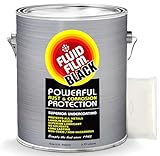
Overview: Fluid Film’s gallon-sized black undercoating delivers professional-grade corrosion protection using a lanolin-based formula. This non-solvent solution penetrates deep into metal chassis and seams, creating a lasting barrier against salt and moisture. Designed for automotive undercarriages, marine applications, and general equipment maintenance, it restores a rich black finish while protecting against rust formation.
What Makes It Stand Out: The lanolin foundation sets this apart from petroleum-based competitors. Its thixotropic properties allow it to creep into microscopic gaps where rust begins, remaining permanently pliable rather than cracking or drying out. The absence of solvents makes it environmentally friendly and safe for indoor use, while its versatility extends from vehicle undercoating to freeing frozen bolts and preserving lawn equipment. The black pigment specifically targets automotive applications, restoring factory appearance while protecting.
Value for Money: At $58.98 per gallon ($0.46/ounce), this bulk option offers significant savings compared to aerosol versions. For vehicle owners treating multiple cars or performing annual maintenance, the gallon format provides professional quantity at DIY pricing. When compared to costly professional undercoating services, a single gallon can treat 3-4 vehicles, delivering exceptional long-term value.
Strengths and Weaknesses: Strengths include superior creeping ability, non-toxic formulation, permanent flexibility, multi-surface versatility, and excellent corrosion resistance in harsh environments. The soft gel consistency prevents cracking and self-heals minor abrasions. Weaknesses involve the need for specialized spray equipment, potential messiness during application, black color limitation for non-automotive uses, and annual reapplication requirements in severe climates.
Bottom Line: Ideal for serious automotive enthusiasts and professionals, Fluid Film’s gallon black formula offers unmatched penetration and lasting protection. The initial equipment investment pays dividends through superior coverage and professional results that outperform conventional undercoatings.
7. Custom Shop Barrier Bond - No-Drip Undercoating, 1 Gallon, Premium Rust Inhibitor, Rust Prevention Coating, Undercoating for Vehicles
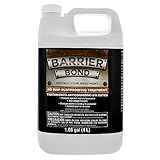
Overview: Custom Shop Barrier Bond delivers premium rust protection through a no-drip, non-drying formula designed for vehicle undercarriages. This gallon-sized coating penetrates deeply via capillary action, depositing a translucent corrosion-resistant film that withstands rock abrasion and severe weather. Silicone-free and compatible with most plastics, it targets DIY enthusiasts seeking professional-grade results without professional pricing.
What Makes It Stand Out: The proprietary no-drip formulation prevents messy application while ensuring thick, even coverage. Its non-drying characteristic maintains flexibility indefinitely, avoiding the cracking common in hard-drying undercoatings. The formula’s capillary action reaches inaccessible seam areas where moisture harbors, providing comprehensive protection. Being silicone-free makes it safe for modern vehicles with numerous plastic components, eliminating compatibility concerns found with some competitors.
Value for Money: At $42.99 per gallon ($0.32/ounce), Barrier Bond undercuts most premium competitors while delivering comparable performance. The no-drip property reduces waste and cleanup time, effectively lowering the total project cost. For budget-conscious consumers treating a single vehicle or maintaining equipment annually, this offers professional features at an accessible price point, though brand recognition trails industry leaders.
Strengths and Weaknesses: Strengths include excellent penetration into seams, non-drip application, silicone-free safety for plastics, water displacement properties, and permanent flexibility. The translucent film allows for inspection of underlying metal. Weaknesses involve less brand heritage than competitors, potential need for multiple coats on heavily rusted areas, limited color options, and longer absorption time (6 hours) before wet exposure.
Bottom Line: An excellent value proposition for DIY undercoating projects, Barrier Bond delivers professional penetration and protection at a budget-friendly price. The no-drip formula and plastic-safe composition make it particularly suitable for modern vehicle applications.
8. POR-15 Rubberized Undercoating, Metal Protective Spray Rubber Coating, Stop and Prevent Rust, 22 Fluid Ounces, Black

Overview: POR-15’s rubberized undercoating combines trusted rust prevention technology with sound-deadening properties in a convenient aerosol format. This 22-ounce spray creates a protective rubber barrier that shields undercarriages from moisture, salt, and chemicals while reducing road noise and vibration. Designed for wheel wells, quarter panels, and fenders, it integrates seamlessly with POR-15’s three-step rust system for comprehensive protection.
What Makes It Stand Out: The rubberized formulation distinguishes it from wax-based competitors, providing superior impact resistance against road debris. Its dual-action benefit of corrosion protection and sound dampening adds value beyond typical undercoatings. The spray format enables precise application without expensive equipment, ideal for spot treatments and restoration projects. As part of the POR-15 ecosystem, it performs optimally when layered over their rust preventive coating, creating a synergistic defense system.
Value for Money: At $23.99 for 22 ounces ($1.09/ounce), the per-unit cost exceeds bulk options, but the convenience and dual functionality justify the premium for small projects. For restorers addressing specific rust-prone areas or seeking noise reduction, the targeted application prevents waste. However, treating an entire undercarriage requires multiple cans, making bulk liquids more economical for full vehicles.
Strengths and Weaknesses: Strengths include trusted brand reputation, excellent sound deadening, easy aerosol application, rubberized impact protection, and compatibility with POR-15 systems. It effectively reduces vibration and insulates against exhaust heat. Weaknesses involve higher cost per ounce, limited coverage area per can, optimal performance requiring base POR-15 coating, and potential for uneven application without practice.
Bottom Line: Perfect for spot repairs and restoration enthusiasts already using POR-15 products, this rubberized undercoating excels at sound dampening and targeted protection. The convenience factor outweighs cost considerations for small-scale applications and noise-sensitive projects.
9. Fluid Film 11.75 Oz Undercoating Protection Aerosol Spray Can Black 6 Pack, Rust Inhibitor and Prevention, Anti Corrosion and Lubricant, Spray Can Extension Wand

Overview: This six-pack of Fluid Film aerosol cans brings the brand’s renowned lanolin-based protection to convenient spray format, complete with extension wands for accessing tight undercarriage areas. Each 11.75-ounce can delivers the same non-toxic, non-tacky formula as the bulk version, creating a lasting barrier against corrosion while lubricating moving parts. The kit addresses the primary challenge of aerosol undercoating: reaching inaccessible frame sections.
What Makes It Stand Out: The included extension wands provide professional-grade access to frame rails and inner panels without requiring expensive spray equipment. The lanolin-based formula remains permanently slick, never becoming gummy like solvent-based alternatives. Its eco-friendly, non-toxic composition allows safe indoor storage and application. The six-can quantity matches typical passenger vehicle requirements, eliminating guesswork while providing spare cans for touch-ups and equipment maintenance.
Value for Money: At $87.99 for six cans ($1.25/ounce), the premium over bulk liquid reflects packaging and convenience costs. However, for users lacking spray equipment, this eliminates equipment rental or purchase expenses. The extension wands add significant value, enabling thorough application that rivals professional jobs. For single-vehicle owners prioritizing convenience, the all-inclusive kit justifies the higher per-ounce cost.
Strengths and Weaknesses: Strengths include excellent accessibility via extension wands, trusted lanolin formula, non-tacky permanent lubrication, eco-friendly composition, and convenient pre-measured quantity. The formula won’t freeze and resists wash-off. Weaknesses involve higher cost per ounce than bulk alternatives, aerosol pressure limitations in cold weather, potential for incomplete coverage on heavily rusted areas, and environmental concerns of aerosol packaging despite non-toxic contents.
Bottom Line: The perfect compromise between bulk economy and professional application, this six-pack kit delivers Fluid Film’s superior protection with user-friendly convenience. The extension wands make it the best aerosol option for thorough undercarriage coverage.
10. B’laster Surface Shield Anti Rust Spray for Metal – Black Series Rust Prevention Spray for Tools, Equipment & Moving Parts – Long-Lasting Corrosion Protection with Lanolin-Based Formula – (Case of 6)
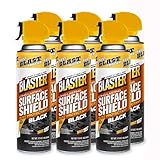
Overview: B’laster Surface Shield delivers versatile rust prevention in a convenient case of six aerosol cans, utilizing a lanolin-based formula to protect metal surfaces across automotive, marine, and home applications. This black series coating drives out moisture while leaving a durable, lubricating barrier that smooths moving parts and prevents corrosion. Designed for tools, equipment, and undercarriage components, it offers multi-purpose protection beyond dedicated undercoatings.
What Makes It Stand Out: The lanolin-based formulation provides gentle yet effective protection without harsh chemicals, making it suitable for diverse applications from shop tools to marine equipment. Its moisture-displacement properties actively expel existing water rather than merely sealing it in. The case quantity ensures ample supply for extensive projects while remaining economical. The thin, lubricating layer distinguishes it from thick undercoatings, offering protection without interfering with precision mechanisms.
Value for Money: At $68.98 for six 17.5-ounce cans ($0.66/ounce), this represents exceptional value among aerosol rust preventatives. The per-ounce cost rivals bulk liquids while providing spray convenience. For users needing rust protection across multiple applications—vehicles, tools, and equipment—the versatile formula eliminates need for separate products, delivering compound savings through universal application.
Strengths and Weaknesses: Strengths include excellent versatility, lanolin-based safety, moisture displacement, moving part lubrication, convenient aerosol format, and outstanding value per ounce. The thin film allows for inspection and reapplication. Weaknesses involve less thickness than dedicated undercoatings, potentially requiring more frequent reapplication on undercarriages, black color may not suit all tools, and lacks specialized sound-dampening properties of rubberized competitors.
Bottom Line: An exceptional multi-purpose solution for users seeking rust prevention across diverse applications. While not as heavy-duty as dedicated undercoatings, its versatility and value make it indispensable for comprehensive metal maintenance programs.
The Science of Rust Formation on Vehicles
Rust is electrochemical warfare happening at the molecular level. When iron or steel meets oxygen and water, an oxidation reaction begins that converts solid metal into iron oxide—brittle, flaky, and structurally compromised. Your vehicle’s undercarriage provides the perfect battlefield: constant moisture exposure, microscopic paint chips from road debris, and electrolytes from road salt that accelerate the reaction like a catalyst. Temperature fluctuations cause metal to expand and contract, creating microscopic cracks in factory coatings that allow moisture to penetrate deeper. Understanding this process is crucial because effective undercoating doesn’t just create a barrier—it interrupts the electrochemical reaction itself through chemical inhibitors and moisture displacement.
Why Undercoating Is Your First Line of Defense
Factory rustproofing has improved dramatically over the decades, but manufacturers design vehicles for average conditions over average lifespans. If you live where roads get salted five months a year, or you plan to keep your vehicle beyond 100,000 miles, factory protection becomes insufficient. Undercoating provides a renewable, renewable barrier that seals existing rust, prevents new oxidation, and often includes self-healing properties that flow into small scratches. Unlike top-side paint protection, undercoating must withstand direct impacts from stones, constant temperature cycling, and prolonged exposure to water mixed with corrosive chemicals. It’s the difference between a vehicle that lasts 8 years versus one that remains solid for 15+ years.
Types of Undercoating Materials Explained
The foundation of your decision rests on understanding the five primary categories of undercoating formulations. Each offers a unique balance of durability, cost, and application complexity.
Petroleum-Based Undercoatings
These traditional oil-based formulations penetrate existing rust and displace moisture through capillary action. They remain slightly fluid, allowing them to “creep” into seams and crevices where rust typically starts. The trade-off is a softer coating that requires more frequent reapplication—typically every 12-18 months. They excel in regions with heavy snowfall because they resist cracking in extreme cold and can be applied in less-than-ideal conditions. However, they can attract dirt and may drip slightly in hot weather during the first few weeks after application.
rubberized undercoatings
Formulated with asphalt and rubber polymers, these create a thick, textured barrier that deadens road noise while providing excellent impact resistance. Once cured, they form a durable, flexible membrane that can last 3-5 years. The downside? They can trap moisture if applied over existing rust without proper prep, potentially accelerating corrosion underneath. They’re also more challenging to remove if you need to perform repairs. Rubberized coatings work best on newer vehicles with minimal existing rust, applied as preventative medicine rather than a cure.
Asphalt-Based Undercoatings
Heavy-duty and incredibly durable, these professional-grade coatings contain high concentrations of bitumen and create a nearly impenetrable barrier. They’re the go-to choice for commercial vehicles and heavy equipment operating in extreme conditions. The coating dries to a rock-hard finish that can withstand serious abuse but lacks the self-healing properties of more fluid options. Application requires professional equipment and perfect surface prep. Once applied, they’re difficult to inspect underneath, and removal is labor-intensive.
Wax and Paraffin-Based Undercoatings
These formulations offer the best creep characteristics, flowing into body seams and cavities where sprays can’t reach. They harden to a waxy finish that remains somewhat pliable, providing 2-3 years of protection. Their low surface tension allows them to displace moisture effectively, making them ideal for treating existing light surface rust. However, they offer less impact resistance than rubberized options and can wash off more quickly in areas with aggressive pressure washing or frequent off-road water crossings.
Polyurethane-Based Undercoatings
The modern premium option, these two-part catalyzed coatings create a hard, chemically resistant barrier that bonds permanently to properly prepared surfaces. They offer superior UV resistance, won’t crack or peel, and can last 5-7 years or more. The application process is unforgiving—surface prep must be perfect, humidity must be low, and mixing ratios are critical. They’re also the most expensive option but provide the longest-lasting protection for enthusiasts who want to do the job once and forget about it.
Key Performance Features to Evaluate
When comparing formulations, look beyond marketing claims to actual performance metrics. Salt spray resistance (ASTM B117 testing) indicates how well a coating withstands corrosive environments—quality products should exceed 1,000 hours. Impact resistance matters for gravel roads; flexible formulations absorb impacts better than brittle ones. Dry time affects practicality; some coatings require 24-48 hours before driving, while others are road-ready in hours. VOC compliance is non-negotiable in many states; check local regulations before purchasing. Finally, consider whether the product is compatible with your vehicle’s existing factory coatings—some solvents can attack rubber bushings or degrade plastic fuel lines.
Application Methods: Pros and Cons
The difference between a coating that lasts five years and one that fails in six months often comes down to application technique. Each method has specific requirements and learning curves.
Spray Application Techniques
Airless sprayers provide the most professional finish, delivering material at 2,000+ PSI for excellent penetration and uniform coverage. They require significant prep to mask off components and protect against overspray. Aerosol cans offer convenience for touch-ups but lack the volume and pressure for complete undercarriage coverage. Undercoating guns that attach to compressors strike a balance—affordable for DIYers while providing adequate pressure. The key is maintaining the correct distance (8-12 inches) and applying multiple light coats rather than one heavy coat that may sag or trap solvents.
Brush and Roll-On Methods
These application techniques offer maximum control for hard-to-reach areas and allow you to work material deeply into rust pits and seams. They’re slower but virtually eliminate overspray concerns and ensure you don’t miss spots. The finish won’t be as uniform, and you’ll use more product, but for restoration projects where you’re treating existing rust, the mechanical action of brushing can dislodge loose scale and ensure better adhesion. This method is ideal for wax-based and petroleum formulations but impractical for quick-drying polyurethane coatings.
Professional Application vs. DIY: Making the Right Choice
Professional shops charge $150-$500 for undercoating because they invest in lifts, specialized spray equipment, and liability insurance. They can apply coatings more uniformly and access areas you simply can’t reach in your driveway. However, many shops rush the critical surface prep step, and you have no control over the specific product used. DIY application costs $50-$200 in materials but requires 4-8 hours of your time, jack stands or a lift, and careful attention to safety. The sweet spot? Do the meticulous prep work yourself, then hire a professional for the spray application if you’re using a premium two-part coating. For annual maintenance coatings, DIY makes perfect sense and allows you to inspect the undercarriage thoroughly each year.
Cost Analysis: What Should You Budget For?
Initial application is only part of the financial equation. Petroleum-based treatments might cost $60 annually but require yearly reapplication. A professional rubberized coating at $300 might seem expensive but amortizes to $60-$75 per year over its 4-5 year lifespan. Polyurethane systems can run $400-$600 professionally applied but may last the vehicle’s lifetime. Factor in hidden costs: surface prep materials (degreasers, wire wheels, sandpaper), personal protective equipment (respirators aren’t optional), and disposal fees for hazardous waste. Cheaper isn’t always less expensive if a budget coating fails and you need to strip and reapply. Budget 10-15% of the coating cost for proper prep materials.
Environmental Factors That Impact Undercoating Choice
Your local climate should drive your product selection more than any other factor. Coastal regions with salt air require coatings with excellent salt fog resistance and frequent inspection schedules. Desert environments demand UV stability and flexibility to handle extreme temperature swings. The Upper Midwest’s salt-and-snow cocktail calls for self-healing, moisture-displacing formulations that can be reapplied in cold weather. Urban areas with pollution and acid rain need chemically resistant barriers. Consider your specific driving conditions: Do you frequent gravel roads? Launch boats in saltwater? Drive on oil-field roads with calcium chloride? Each scenario demands specific performance characteristics.
Longevity Expectations and Maintenance Schedules
No undercoating is “set it and forget it.” Even the best polyurethane coatings require annual inspection of high-wear areas like wheel wells and frame sections near the tires. Petroleum and wax coatings need touch-ups every 12-18 months, typically before winter. Rubberized coatings should be inspected for cracks or chips annually, with spot repairs as needed. Create a maintenance schedule based on your product type and local conditions. Document application dates with photos, and inspect in spring when salt has washed away but before summer heat bakes contaminants into the coating. Pressure washing the undercarriage before inspection reveals the coating’s true condition and prevents you from sealing in dirt with touch-up applications.
Common Application Mistakes That Compromise Protection
The number one error is inadequate surface prep. Undercoating over dirt, grease, or loose rust is like painting over sand—it simply won’t bond. Another fatal flaw is applying too thick a coat, which traps solvents and creates a soft, gummy layer that never fully cures. Skipping masking leads to overspray on exhaust components (creating smoke and odor) or brake rotors (compromising stopping power). Applying coatings in high humidity or cold temperatures prevents proper curing. Perhaps most critically, many DIYers forget to treat inside frame rails and body cavities where rust often starts. Use wand attachments to reach these hidden areas, or choose a product with excellent creep properties.
Regional Climate Considerations
Your ZIP code determines your rust risk more than your vehicle’s age. The “Salt Belt” (Northeast, Great Lakes region, and parts of the Midwest) sees vehicles rust 3-5 times faster than those in dry climates. In these areas, multi-layer approaches work best: a heavy-duty barrier coating supplemented with annual fluid film applications. The Pacific Northwest’s constant moisture demands coatings that resist water penetration without trapping it. Southern states might skip undercoating altogether unless near the coast, where salt air accelerates corrosion. Mountain regions with gravel roads need maximum impact resistance. Research local vehicle longevity data—cars that last 15 years in Arizona might be scrap metal at 10 years in Massachusetts.
Vehicle-Specific Factors to Consider
A 2023 Honda Civic and a 1995 Toyota 4Runner have vastly different undercoating needs. Modern unibody cars have extensive plastic undertrays that reduce exposure but trap moisture where they attach to metal. Older body-on-frame trucks have exposed frames that are easy to coat but develop rust in hard-to-treat areas like inside boxed sections. Electric vehicles require special consideration—some coatings can interfere with battery cooling systems or sensors. Classic cars need coatings that are reversible and won’t trap moisture in already-corroded areas. Commercial vehicles benefit from heavy-duty asphalt-based coatings that withstand daily pressure washing. Always check manufacturer recommendations; some explicitly warn against certain coating types near catalytic converters or oxygen sensors.
Timing Your Undercoating Application
Schedule applications for early fall, before roads get salted but while temperatures remain above 50°F for proper curing. Avoid applying within 48 hours of rain, and never coat a wet undercarriage. For vehicles already exposed to salt, wait for a thorough rain to wash away surface salt, then pressure wash and allow 24 hours of dry weather. New vehicles should be coated within the first year, ideally before their first winter. For restoration projects, apply coatings after mechanical work is complete but before final assembly—it’s your last chance to protect hidden areas. If you’re using a fluid film product, apply it just before winter for maximum effectiveness during the harshest months.
Warranty and Insurance Implications
Aftermarket undercoating can void portions of your new vehicle warranty if applied incorrectly. Some manufacturers require dealer-installed rustproofing to maintain corrosion warranties. Document everything: product specifications, application photos, and professional invoices. Quality undercoating can lower insurance premiums in some regions by reducing total loss risk from frame rust. Conversely, improper application that damages sensors or wiring can lead to claim denials. If you’re leasing, check your contract—some prohibit permanent coatings. For financed vehicles, maintaining rust protection preserves resale value, protecting your investment and preventing negative equity when it’s time to trade in.
Environmental Impact and Eco-Friendly Options
Traditional undercoatings contain high VOCs and petroleum distillates that are harmful to apply and difficult to dispose of properly. Newer water-based formulations offer reduced environmental impact but typically sacrifice longevity. Some companies now offer soy-based or lanolin (wool wax) products that are biodegradable and non-toxic. While these green options require more frequent application, they’re ideal for environmentally conscious owners or those applying coatings in residential areas. Always capture overspray and dispose of rags and leftover product at hazardous waste facilities—never down the drain or in regular trash. Consider the product’s entire lifecycle, not just what’s in the can.
Emerging Technologies in Rust Prevention
The undercoating industry is evolving rapidly. Self-healing coatings with microcapsules that release corrosion inhibitors when scratched are entering the market. Electrochemical rust inhibitors that use weak electrical currents to prevent oxidation (similar to marine systems) are being adapted for automotive use. Ceramic-infused undercoatings promise extreme durability but remain prohibitively expensive for most consumers. Nanotechnology is creating ultra-thin barriers that bond at the molecular level. While these innovations are exciting, stick with proven technologies for daily drivers and consider experimental options only for project cars where you can monitor results closely. The classics remain classic for a reason—they work.
Frequently Asked Questions
How long does undercoating last before needing reapplication?
Lifespan varies dramatically by product type. Petroleum-based fluid films need annual reapplication, while rubberized coatings typically last 3-5 years. Premium polyurethane systems can protect for 5-7 years or more. Environmental conditions, driving habits, and application quality significantly impact longevity. Inspect annually regardless of product claims, and touch up high-wear areas like wheel wells every 12-18 months.
Can I apply undercoating over existing rust?
Yes, but preparation is critical. Light surface rust can be treated with rust converters or encapsulators before coating. Heavy, flaking rust must be removed with a wire wheel or sandblasting; otherwise, you’re sealing in moisture and accelerating corrosion. Petroleum-based and wax coatings can penetrate light rust better than hard-shell options. For severe rust, repair the metal first—undercoating is prevention, not restoration.
Will undercoating void my manufacturer’s warranty?
It depends on the manufacturer and application method. Some new car warranties explicitly prohibit aftermarket rustproofing, while others encourage it. Dealership-applied coatings usually maintain warranty coverage. DIY applications that damage sensors, wiring, or rubber components can void related warranty claims. Always review your warranty documentation and consider consulting your dealer before applying aftermarket products.
What’s the best undercoating for extreme winter conditions?
For salt-heavy environments, a two-pronged approach works best: a durable rubberized or polyurethane base layer for impact protection, supplemented with annual fluid film applications for moisture displacement and crevice penetration. This combination provides both a physical barrier and active chemical protection. Apply the base layer in early fall, then refresh with fluid film just before the first snow.
How much should I expect to pay for professional undercoating?
Professional application ranges from $150 for basic petroleum-based spray to $500+ for premium polyurethane systems on trucks. The price includes labor, equipment, and materials. Additional services like steam cleaning, rust encapsulation, or cavity wax injection add $50-$150. While DIY costs less, factor in your time, equipment rental, and the value of professional-grade application and warranty backing.
Is rubberized undercoating better than oil-based?
Neither is universally superior—it depends on your needs. Rubberized coatings offer better impact resistance and noise dampening, lasting 3-5 years. Oil-based formulations provide superior creep into seams and can be applied over light rust, but require annual reapplication. Choose rubberized for newer vehicles on gravel roads; choose oil-based for older vehicles in salty environments where annual inspection is already planned.
Can undercoating damage my vehicle?
Improper application can cause significant issues. Overspray on exhaust components creates smoke and fire hazards. Coating brake lines, rotors, or calipers compromises safety. Some solvents attack rubber bushings and seals. Trapping moisture under the coating accelerates rust. Following product instructions, proper masking, and thorough surface prep eliminates 95% of potential problems. When in doubt, hire a professional.
How do I prepare my vehicle for undercoating?
Thorough preparation is non-negotiable. Pressure wash the undercarriage and let it dry completely. Remove loose rust and scale with a wire wheel or brush. Degrease all surfaces—coatings won’t bond to oily metal. Mask off exhaust components, brake parts, and drivetrain components. Apply rust converter to any remaining surface rust. Work in a well-ventilated area with proper PPE. The prep work often takes longer than the actual coating application.
Do electric vehicles need undercoating differently?
EVs have unique considerations. Battery packs are often sealed and shouldn’t be coated, but their mounting points are vulnerable. High-voltage wiring requires careful masking. Some EVs use aluminum frames that corrode differently than steel. Regenerative braking systems may have different heat profiles affecting coating choice. Always consult manufacturer guidelines, and consider that EVs often last longer mechanically, making rust prevention even more valuable for long-term ownership.
How soon should I undercoat a brand-new vehicle?
The ideal window is within the first year, preferably before the first winter. New vehicles have minimal surface contamination, allowing coatings to bond directly to factory finishes. However, wait at least 30 days after purchase to ensure factory coatings are fully cured and any dealer-applied transport coatings are removed. Some enthusiasts coat immediately, but a brief waiting period ensures you’re not sealing in manufacturing residues. Early application provides maximum protection for the vehicle’s entire lifespan.