Your painted wheels are more than just functional components—they’re a statement. Whether you’ve invested in a factory finish or custom powder coat, those carefully curated surfaces face a daily assault from brake dust, road salt, UV rays, and industrial fallout that can dull their brilliance in weeks. While regular washing helps, it’s akin to putting a bandage on a problem that demands armor. This is where specialized sealants for painted wheels transform from luxury to necessity, creating an invisible barrier that preserves both aesthetics and your investment.
But not all wheel sealants are created equal. The market is saturated with products promising miracle protection, yet many fail to address the unique challenges wheel surfaces endure. Unlike your car’s body panels, wheels live in a hostile environment where temperatures swing from sub-zero to several hundred degrees Fahrenheit, where caustic brake dust etches like acid, and where standard paint protection products simply surrender. Understanding what separates exceptional wheel sealants from mediocre ones will save you money, time, and the heartbreak of watching your wheels deteriorate.
Top 10 Wheel Sealant
Detailed Product Reviews
1. CERAKOTE Rapid Ceramic Wheel Sealant - Ceramic Spray Coating for Wheels - Quick and Easy to Apply - Repels Brake Dust – Extremely Hydrophobic

Overview: CERAKOTE’s Rapid Ceramic Wheel Sealant delivers professional-grade ceramic protection in a consumer-friendly spray format. This $15.95 formula promises maximum gloss while creating an ultra-slick barrier against brake dust and road contaminants. Designed for all wheel finishes including painted, powder-coated, polished, and chrome surfaces, it serves as either a standalone sealant or a performance booster over existing ceramic coatings.
What Makes It Stand Out: The true ceramic formula distinguishes itself from silicone-based dressings by forming a genuine chemical bond with wheel surfaces. Its extreme hydrophobicity causes water to sheet off instantly, carrying away grime before it can embed. The spray-and-buff application requires minimal effort—no curing time or special equipment needed. As a Cerakote product, it leverages the same advanced ceramic technology trusted in aerospace and firearms applications, adapted specifically for automotive wheels.
Value for Money: At under $16, this represents exceptional value compared to professional ceramic applications costing hundreds. The 8-ounce bottle provides multiple treatments, making it cheaper per application than many competitors. While premium wheel sealants like Chemical Guys Max Coat run $24.99, CERAKOTE offers similar ceramic benefits at a 36% lower price point, making professional results accessible to budget-conscious enthusiasts.
Strengths and Weaknesses: Strengths: Genuine ceramic technology; effortless spray-on application; excellent brake dust repellency; works on all wheel types; can layer over existing coatings; aerospace-grade durability.
Weaknesses: Limited longevity compared to professional-grade coatings; may require reapplication every 4-6 weeks; lacks the “quick detailer” convenience of spray-wipe products for touch-ups.
Bottom Line: This is an outstanding entry-level ceramic sealant that punches above its weight class. Ideal for DIY detailers seeking real ceramic protection without professional installation costs. While not a permanent solution, its performance-to-price ratio makes it a smart choice for maintaining showroom-worthy wheels with minimal investment.
2. Chemical Guys WAC_303 Wheel Guard Max Coat and Rim Sealant, Safe for Cars, Trucks, SUVs, Motorcycles, RVs & More, 8 oz
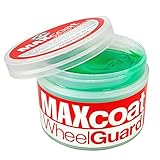
Overview: Chemical Guys Wheel Guard Max Coat is an advanced polymer-based sealant engineered specifically for wheel protection. Priced at $24.99 for 8 ounces ($3.12 per ounce), this formula creates a high-gloss, slippery barrier that actively repels brake dust, road salt, and grime. Compatible with virtually all vehicles from motorcycles to RVs, it promises to make wheels easier to clean while enhancing their visual depth and clarity.
What Makes It Stand Out: Max Coat’s gloss-enhancing agents deliver a “wet look” that makes painted wheels appear deeper and more vibrant. The formula’s slick shield technology actively prevents contaminants from bonding, rather than just covering them. Chemical Guys’ signature “fast, easy, and fun” approach shines through in the straightforward application process that requires no special skills. The product integrates seamlessly with the brand’s broader detailing ecosystem for enthusiasts who follow a complete system.
Value for Money: While pricier than some competitors at $3.12/ounce, Max Coat’s concentrated formula requires minimal product per application. The 8-ounce bottle treats multiple vehicle sets, bringing the per-wheel cost down significantly. It competes directly with premium options like PoorBoy’s Wheel Sealant but offers enhanced gloss properties. The premium is justified for those prioritizing aesthetic enhancement alongside protection.
Strengths and Weaknesses: Strengths: Exceptional gloss enhancement; versatile across all vehicle types; creates genuinely slick surface; trusted Chemical Guys brand reputation; compatible with full product line; effective brake dust repellency.
Weaknesses: Higher price point; polymer-based rather than true ceramic; may not last as long as ceramic alternatives; requires cool surface application; scent may be strong for sensitive users.
Bottom Line: Wheel Guard Max Coat excels for enthusiasts wanting maximum visual impact with solid protection. The premium price buys superior gloss enhancement and brand reliability. While not a true ceramic, its performance justifies the cost for those who detail regularly and value the Chemical Guys ecosystem. Perfect for show cars and daily drivers alike.
3. Chemical Guys HydroSpin Wheel & Rim Ceramic Coating and Quick Detailer - 16 oz Spray Protects Wheels, Rims, and Brake Parts with Hydrophobic Ceramic Shine - Safe for Cars, Trucks, SUVs, Motorcycles
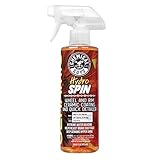
Overview: HydroSpin merges ceramic coating technology with quick detailer convenience in a 16-ounce spray bottle for $19.97. This dual-action formula protects wheels, rims, and even brake components while simultaneously cleaning light contaminants. Safe for all finishes including anodized and clear-coated surfaces, it offers a middle ground between dedicated sealants and maintenance sprays, promising hydrophobic protection with wipe-on simplicity.
What Makes It Stand Out: The hybrid approach sets HydroSpin apart—it functions as both a protective coating and a maintenance cleaner. Ceramic polymers create a durable, water-beading barrier while the quick detailer aspect removes fresh dust and fingerprints between washes. The 16-ounce size provides double the volume of most competitors at a mid-range price. Its brake component compatibility shows thoughtful engineering for comprehensive wheel care beyond just the cosmetic surfaces.
Value for Money: At $19.97 for 16 ounces ($1.25/ounce), HydroSpin offers the best cost-per-ounce ratio in this comparison. You’re essentially getting two products—a ceramic sealant and quick detailer—in one bottle. Compared to buying separate products, this represents significant savings. It undercuts CERAKOTE’s wheel sealant by price while offering more versatility, though with potentially less concentrated protection.
Strengths and Weaknesses: Strengths: Excellent value per ounce; dual-function coating/detailer; safe on all wheel finishes including delicate anodized surfaces; large 16-ounce capacity; brake component safe; ideal for maintenance touch-ups.
Weaknesses: Diluted protection compared to dedicated sealants; requires more frequent application; may not replace full sealant for harsh environments; ceramic content likely lower than pure sealants.
Bottom Line: HydroSpin is the Swiss Army knife of wheel protection—versatile, convenient, and economical. It won’t replace a dedicated ceramic coating for maximum longevity but excels as a maintenance product and entry-level protectant. Perfect for enthusiasts who detail frequently and want a single product for both protection and quick cleanups. The value proposition is hard to beat for regular use.
4. PoorBoys PB-WS08 Wheel Sealant 8oz, 236ml
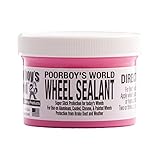
Overview: PoorBoy’s Wheel Sealant is a traditional polymer-based protectant that emphasizes durability and universal compatibility. At $21.98 for 8 ounces, this no-frills formula focuses on core protection rather than marketing flash. It creates a barrier against brake dust, tar, bugs, water, and road grime across any wheel type, with a layering system that builds increased repellency with each coat.
What Makes It Stand Out: The straightforward “two or three coats” approach demonstrates honest, old-school detailing philosophy—build protection through proper application rather than miracle chemistry. PoorBoy’s reputation for producing effective, enthusiast-focused products without unnecessary additives appeals to purists. The sealant’s ability to work on “any type of wheel” without caveats suggests robust, tested formulation. Its contamination-sealing properties create a genuine sacrificial layer.
Value for Money: Priced between Chemical Guys Max Coat and CERAKOTE, PoorBoy’s positions itself as the enthusiast’s choice. The $21.98 price tag reflects its premium polymer formulation without the ceramic premium. While more expensive than CERAKOTE, it may offer longer-lasting protection per application, reducing frequency and overall cost. The ability to layer coats provides customizable protection levels not advertised by competitors.
Strengths and Weaknesses: Strengths: Proven polymer durability; truly universal wheel compatibility; layerable for enhanced protection; straightforward application; respected enthusiast brand; effective against multiple contaminants.
Weaknesses: Lacks ceramic marketing appeal; no quick detailer function; requires multiple coats for optimal performance; smaller community and support resources; gloss enhancement less pronounced than competitors.
Bottom Line: PoorBoy’s Wheel Sealant is the thinking enthusiast’s choice—substance over style. It delivers reliable, long-lasting protection without ceramic price inflation. Ideal for those who appreciate traditional detailing methods and want proven results over trendy marketing. While it won’t turn heads with hydrophobic videos, it will keep your wheels genuinely protected through harsh conditions.
5. CERAKOTE® Platinum Rapid Ceramic Paint Sealant Spray - 14 oz Bottle - Maximum Gloss & Shine – Extremely Hydrophobic – Unmatched Slickness - Ceramic Spray Coating - 50 Wash Rating

Overview: CERAKOTE Platinum represents the brand’s flagship consumer ceramic sealant, now with an industry-leading 50-wash durability rating. At $19.69 for 14 ounces, this formula promises mirror-like gloss and extreme slickness for entire vehicle surfaces, not just wheels. The spray-and-buff application delivers professional ceramic protection with aerospace-derived technology, designed to last through months of regular washing.
What Makes It Stand Out: The verified 50-wash rating sets a new standard for consumer spray ceramics, providing measurable longevity claims where competitors offer vague promises. The “unsurpassed slickness” isn’t just marketing—the ceramic matrix creates a tangible difference in surface feel. As a multi-surface product, it eliminates the need for separate wheel and paint sealants. The improved longevity formula addresses the primary weakness of spray ceramics: short lifespan.
Value for Money: At $1.41 per ounce for genuine ceramic technology with verified durability, Platinum offers extraordinary value. It replaces both wheel sealants and paint sealants, potentially saving $30-40 in separate products. Compared to professional ceramic coatings costing $500+, this provides accessible entry-level ceramic benefits. The cost-per-wash breaks down to under $0.40, making it more economical than frequent reapplications of cheaper alternatives.
Strengths and Weaknesses: Strengths: Industry-leading 50-wash durability; true ceramic technology; multi-surface versatility; exceptional gloss and slickness; aerospace-grade formulation; strong brand reputation; cost-effective long-term protection.
Weaknesses: Not as durable as professional-installed coatings; requires proper surface prep; may be overkill for wheels alone; application technique affects longevity; limited to 14-ounce bottles.
Bottom Line: CERAKOTE Platinum is the benchmark for spray ceramic sealants, offering unmatched durability and performance at a consumer price point. While marketed for paint, it excels on wheels and eliminates the need for separate products. For enthusiasts seeking the best spray ceramic without professional installation costs, this is the definitive choice. The 50-wash rating provides confidence that justifies every penny.
6. CERAKOTE Rapid Ceramic Tire Coat – Showroom New Tire Shine – Deep Tire Black Finish – Lasts Up to 10x Longer – No Sling, Non-Greasy Ceramic Tire Coating for Car, Truck & SUV – Easy Application (10oz)

Overview: CERAKOTE Rapid Ceramic Tire Coat promises to revolutionize tire care with a ceramic-based formula that delivers a deep, showroom-quality black finish. This 10-ounce bottle comes with a foam applicator and claims to outlast conventional tire shines by up to ten times while eliminating the messy sling effect that plagues spray-on dressings.
What Makes It Stand Out: The true innovation lies in its ceramic technology that cures dry to the touch, creating a durable barrier against dirt and road grime. Unlike greasy silicone-based alternatives, this coating bonds to the rubber for extended protection. The included applicator ensures even coverage without overspray, and the non-sling formula means no more unsightly residue flicking onto your clean paintwork during drives.
Value for Money: At $14.95 for a 10-ounce bottle, this product positions itself as a premium but accessible option. Considering it lasts ten times longer than traditional $8-10 tire sprays that require weekly reapplication, the cost-per-use ratio is excellent. One bottle should treat multiple vehicles multiple times, making it economical for enthusiasts.
Strengths and Weaknesses: Strengths: Long-lasting ceramic protection; no sling residue; non-greasy matte finish; easy application process; excellent dirt repellency. Weaknesses: Requires thorough tire cleaning first; longer curing time than sprays; may need multiple coats for desired shine; limited to 10oz quantity.
Bottom Line: For drivers seeking durable, professional-grade tire appearance without the maintenance hassle, CERAKOTE delivers exceptional results that justify its slightly higher upfront cost over conventional tire dressings.
7. Xtra-Seal - Bead Sealer Flammable 32Oz (TI250)

Overview: Xtra-Seal Bead Sealer is a professional-grade solution designed to seal tire beads against slow air leaks. This 32-ounce flammable formula addresses common sealing issues between the tire and rim, particularly useful for older or slightly corroded wheels where traditional mounting methods fail to maintain consistent air pressure.
What Makes It Stand Out: The product’s professional orientation distinguishes it from consumer-grade alternatives. As a flammable compound with specialized chemical properties, it penetrates microscopic gaps in the bead area more effectively than water-based sealers. The 32-ounce quantity caters to professional shops handling multiple vehicles, while its industrial-strength formulation provides reliable sealing for challenging rim conditions including minor rust and pitting.
Value for Money: Priced at $16.89 for 32 ounces, this behemoth offers substantial value for tire shops and serious DIY mechanics. Comparable professional sealers cost $20-25 for similar volumes. The concentrated formula means less product per application, stretching the bottle across dozens of tire mountings and preventing costly comebacks for pressure loss.
Strengths and Weaknesses: Strengths: Large professional quantity; effective on corroded rims; strong sealing capability; trusted manufacturer reputation; cost-efficient per ounce. Weaknesses: Flammable nature requires careful handling; not for consumer casual use; lacks specific application guidance in description; strong chemical odor; requires clean bead surface for optimal results.
Bottom Line: Ideal for professional technicians and serious home mechanics dealing with problematic bead seals, Xtra-Seal offers industrial-grade performance and volume that justifies its specialized nature and handling requirements.
8. McKee’s 37 Ceramic Wheel Sealant | Top Coat Polish, Brake Dust Repellent, and Ceramic Protectant for Wheels…
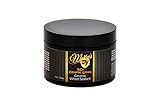
Overview: McKee’s 37 Ceramic Wheel Sealant is a multi-functional treatment that cleans, polishes, and protects wheels in one application. This premium formula creates a heat-resistant ceramic coating specifically engineered to combat brake dust adhesion while removing minor imperfections and delivering a high-gloss finish across all wheel types and finishes.
What Makes It Stand Out: The product’s triple-action capability sets it apart—simultaneously correcting, protecting, and enhancing wheels without separate compounds. Its heat-resistant ceramic technology is specifically formulated for the extreme temperatures brake components endure, creating a molecular barrier that actively repels ferrous brake dust particles before they can bond, significantly reducing cleaning frequency and effort.
Value for Money: At $39.99, this sits at the premium end of wheel care. However, it consolidates three products (cleaner, polish, sealant) into one, potentially saving $60-80 in separate purchases. The protection lasts several months, making the cost-per-month reasonable compared to monthly application of cheaper $15-20 dressings that wash away quickly.
Strengths and Weaknesses: Strengths: 3-in-1 formula saves time; genuine ceramic protection; effective brake dust repellency; removes light scratches; high-gloss finish; heat-resistant. Weaknesses: Premium pricing; requires thorough prep work; may not suit extremely damaged wheels; smaller bottle than expected; application can be labor-intensive.
Bottom Line: For enthusiasts wanting comprehensive wheel care with lasting protection, McKee’s 37 justifies its price by delivering professional results that significantly reduce maintenance while keeping wheels in pristine condition.
9. Gtechniq Wheel Sealant Long Term C5 Wheel Armour 15ml
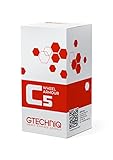
Overview: Gtechniq C5 Wheel Armour represents the pinnacle of nanotechnology-based wheel protection. This 15ml concentrate forms a chemical bond with wheel surfaces, creating an ultra-slick, durable barrier. Developed by a quantum physicist-founded company, it promises to repel brake dust and road grime while making cleaning effortless across all wheel finishes including matte and powder-coated surfaces.
What Makes It Stand Out: The molecular bonding technology truly differentiates this product—rather than sitting on the surface, it becomes part of the wheel’s structure for durability measured in years, not months. Its compatibility with delicate finishes like matte and satin is unique among ceramic coatings. The super-slick surface causes contaminants to literally slide off with just water, eliminating the need for harsh wheel acids.
Value for Money: At $34.95 for 15ml, the initial cost seems steep, but the concentration covers all four wheels with minimal product. When considering 1-2 year durability versus quarterly applications of $20 sealants, the long-term value becomes clear. For high-end vehicles, the protection against etching and pitting saves hundreds in potential refurbishment costs.
Strengths and Weaknesses: Strengths: Molecular bonding for extreme longevity; super-slick contaminant repellency; safe for all finishes; reduces chemical cleaner needs; professional-grade nanotechnology; UK quality assurance. Weaknesses: Very small quantity; premium price point; requires meticulous application; needs 12-24 hour curing; overkill for daily drivers.
Bottom Line: For owners of premium or delicately-finished wheels seeking multi-year protection, Gtechniq C5’s advanced technology and exceptional durability make it a worthwhile investment that outperforms conventional sealants.
10. Chemical Guys WAC315 Wheel Guard and Rim Wax, Safe for Cars, Trucks, SUVs, Motorcycles, RVs & More, 8 fl oz

Overview: Chemical Guys Wheel Guard is a synthetic wax formulated specifically for wheel protection. This 8-ounce bottle creates an acrylic barrier that bonds to painted and polished metal surfaces, defending against brake dust, road grime, and corrosion while enhancing gloss. Its universal compatibility makes it suitable for virtually any vehicle from motorcycles to RVs.
What Makes It Stand Out: The full-synthetic acrylic formula offers a unique middle ground between traditional carnauba waxes and modern ceramics. It penetrates surface pores for better adhesion than spray sealants while remaining more forgiving than ceramic coatings. The optical gloss enhancers actively fill minor imperfections, making older wheels appear refreshed. Its versatility across wheel types and vehicle classes is unmatched in the category.
Value for Money: At $19.99, it occupies the sweet spot between cheap sprays and expensive ceramics. The 8-ounce bottle provides 6-8 applications, working out to roughly $2.50 per use. Considering it extends time between washes and reduces the need for dedicated wheel cleaners, it pays for itself within a few months of regular use.
Strengths and Weaknesses: Strengths: Excellent price-performance ratio; easy application; universal compatibility; effective brake dust blocking; enhances shine; makes future cleaning easier. Weaknesses: Shorter lifespan than ceramics; requires reapplication every 4-6 weeks; not as durable on heavily-braked performance cars; acrylic formula less heat-resistant than ceramics.
Bottom Line: An outstanding everyday wheel protectant that balances performance, ease of use, and affordability. Perfect for enthusiasts wanting reliable protection without the complexity or cost of ceramic coatings.
Why Your Painted Wheels Need Specialized Protection
Your wheels operate in what detailers call “the danger zone”—a perfect storm of heat, contaminants, and mechanical stress that body panels never experience. Brake dust contains metallic particles that embed into paint at temperatures exceeding 400°F. Road salt and magnesium chloride actively corrode surfaces during winter months. Even automatic car washes deploy harsh chemicals and abrasive brushes that strip away protection.
Standard car waxes melt at wheel operating temperatures, while many paint sealants lack the chemical resistance to withstand repeated exposure to brake dust. Dedicated wheel sealants are engineered with higher solid content and heat-activated polymers that bond molecularly to painted surfaces, creating a sacrificial layer designed specifically for this brutal environment.
Understanding Wheel Sealant Chemistry: The Science Behind Protection
Polymer-Based vs. Ceramic-Infused Formulations
Polymer-based sealants utilize synthetic compounds that cross-link upon curing, forming a flexible yet durable film. These are the workhorses of wheel protection, offering 3-6 months of reliable defense with straightforward application. They excel at repelling water and contaminants while maintaining a natural finish that won’t alter your wheel’s appearance.
Ceramic-infused sealants represent the next evolution, incorporating silicon dioxide (SiO2) or titanium dioxide (TiO2) nanoparticles that create a harder, more chemically resistant layer. These formulations bond at a molecular level, filling microscopic pores in the paint to create a hydrophobic surface that laughs at brake dust. While they demand more meticulous application and longer curing times, the 6-12 month durability often justifies the effort.
The Role of Solids Content
The percentage of active ingredients—called solids—directly correlates with longevity. Economy sealants might contain 5-10% solids, requiring frequent reapplication. Professional-grade formulations push 30-40% solids, delivering robust protection that withstands dozens of washes. Higher solids mean thicker films, but also demand more careful application to avoid streaking or high spots that become visible under direct sunlight.
Wax vs. Sealant: Why Wheels Demand Synthetics
Carnauba wax, derived from palm leaves, creates stunning depth and warmth on body panels but fails miserably on wheels. Its organic composition breaks down at temperatures as low as 180°F—well below typical wheel operating temperatures. You’ll literally watch your protection melt away after the first spirited drive.
Synthetic sealants, conversely, are engineered for thermal stability. They maintain integrity up to 500°F or higher, ensuring your protection doesn’t vanish when brakes get hot. They also offer superior chemical resistance against pH-neutral to slightly alkaline wheel cleaners, whereas waxes strip immediately when confronted with dedicated wheel cleaning products.
The hydrophobic properties differ dramatically too. Quality wheel sealants create a contact angle exceeding 110 degrees, causing water to bead tightly and roll off, carrying contaminants with it. Waxes typically achieve only 90-100 degrees, providing modest water behavior but inadequate contaminant release.
Critical Features to Evaluate Before Purchasing
Heat Resistance Specifications
Always verify the maximum temperature rating. Quality sealants specify performance up to at least 400°F, with premium ceramic formulations exceeding 600°F. This isn’t marketing fluff—front brakes on performance cars can exceed 500°F during aggressive driving. A sealant that can’t handle these temperatures will carbonize, turning brittle and yellow while losing all protective properties.
Chemical Resistance Ratings
Look for explicit resistance to brake dust, road salt, and acidic contaminants. The best formulations provide pH tolerance from 2-12, meaning they withstand both acidic fallout and alkaline cleaners. Some manufacturers publish ASTM testing results demonstrating resistance to specific chemicals like sulfuric acid (simulating industrial pollution) or calcium chloride (road salt).
Hydrophobic Performance Metrics
Contact angle measurements indicate how effectively the sealant repels water. Above 110 degrees is excellent; above 120 degrees is exceptional. More importantly, examine the sliding angle—how far you must tilt the surface before water droplets move. Lower sliding angles (below 15 degrees) mean contaminants wash away with minimal water pressure, making maintenance nearly effortless.
Decoding Durability Claims: Months vs. Miles
Manufacturers advertise durability ranging from “3 months” to “2 years,” but these numbers exist in a vacuum. A “6-month” sealant might survive six months on a garage-kept show car driven weekly, but only six weeks on a daily driver in winter conditions.
Mileage-based ratings provide more practical guidance. A sealant rated for “5,000 miles” accounts for the abrasive action of road debris and the cumulative chemical assault from contaminants. For daily drivers, prioritize mileage over months. For weekend toys, month ratings are more relevant since contamination, not wear, is the limiting factor.
Environmental factors dramatically impact real-world longevity. Winter driving in salt-belt states can halve stated durability. Performance driving with aggressive brake pads generates more corrosive dust. Even parking near industrial areas exposes wheels to airborne pollutants that degrade sealants faster than normal.
Temperature Extremes: The Make-or-Break Factor
High-Temperature Performance
Wheels experience temperature cycling that would destroy most paint protection. During normal driving, temperatures hover around 150-200°F. Heavy braking spikes this to 400°F+. Premium ceramic sealants maintain their cross-linked structure through these cycles, while polymer-based products might experience minor degradation.
The critical test is thermal shock resistance—how the sealant handles rapid cooling. Driving through a puddle with hot brakes creates instant temperature drops of 200°F+. Inferior sealants can crack or delaminate under this stress, creating entry points for contaminants.
Cold-Weather Flexibility
In winter, wheels contract in sub-zero temperatures. Quality sealants maintain flexibility down to -40°F, preventing micro-cracking that compromises the barrier. This is particularly crucial for ceramic-infused products, which can become brittle if not properly formulated with flexibility agents.
Chemical Warfare: What Your Wheels Face Daily
Brake dust isn’t just ugly—it’s chemically aggressive. The friction material contains carbon fibers, steel wool, and metallic particles that embed into paint. Once embedded, they oxidize and expand, creating microscopic pits that become permanent blemishes.
Road salt (sodium chloride) and magnesium chloride are hygroscopic, meaning they actively draw moisture from the air to keep surfaces wet, accelerating corrosion. They’re also electrically conductive, creating tiny galvanic cells on your wheel surface that eat away at paint.
Industrial fallout includes rail dust, airborne pollutants, and chemical residues that bond to surfaces. These contaminants are often acidic (pH 3-4) and require chemical resistance that only quality sealants provide. Without protection, they etch within days, especially when combined with moisture and heat.
Finish Compatibility: Matching Sealant to Wheel Aesthetics
High-Gloss Wheel Finishes
For polished or high-gloss painted wheels, look for sealants that enhance reflectivity without adding artificial-looking gloss. The best formulations contain optical clarifiers that improve the perceived depth of clear coat while maintaining a natural appearance. Avoid products with heavy fillers or gloss enhancers, which can look greasy or plastic-like on quality paint.
Satin and Matte Finishes
Matte and satin finishes are particularly vulnerable because they lack the thick clear coat of gloss wheels. Standard sealants can add unwanted shine or create uneven appearance. Seek formulations specifically labeled “matte safe” that preserve the factory finish while adding protection. These typically contain flattening agents that maintain the desired sheen level.
Custom Powder Coats
Powder coat is thicker and more porous than automotive paint, requiring sealants with enhanced penetration capabilities. Look for products that advertise “multi-substrate bonding” or “thermoset compatibility.” These formulations use smaller molecular structures that infiltrate powder coat pores, creating a more complete seal.
Application Methods: Choosing Your Workflow
Wipe-On, Wipe-Off Tradition
The classic method involves applying a thin layer with an applicator pad, allowing it to haze, then buffing off. This technique offers maximum control and is ideal for intricate wheel designs with tight spokes. The downside? It’s time-consuming, typically requiring 10-15 minutes per wheel, and demands working in small sections to prevent difficult removal.
Spray-On Simplicity
Spray sealants drastically reduce application time to 2-3 minutes per wheel. You simply mist the product onto a clean, dry surface and wipe with a microfiber towel. However, overspray can land on brake components or tires, requiring careful masking. The film thickness is also harder to control, potentially leading to uneven protection.
Ceramic Infusion Wipes
Pre-soaked ceramic wipes combine convenience with performance. Each wipe contains a measured amount of product, ensuring consistent application. They’re perfect for touch-ups between full applications but rarely deliver the thickness needed for long-term protection. Think of them as maintenance boosters rather than primary protection.
The Curing Process: Patience Equals Performance
Curing is the chemical reaction where sealant polymers cross-link to form the protective film. This process is temperature and humidity dependent. Most polymer sealants require 4-12 hours to achieve initial cure and 24 hours for full hardness. Ceramic formulations demand 12-24 hours for initial cure and up to 7 days for maximum chemical resistance.
Applying sealant in high humidity (above 70%) can trap moisture in the film, creating cloudiness or reducing durability. Conversely, extremely low humidity (below 30%) accelerates curing, potentially causing high spots before you can level the product. The sweet spot is 40-60% relative humidity at 65-75°F.
Never expose freshly sealed wheels to water, cleaners, or heavy brake dust during the curing window. Even light rain can disrupt the cross-linking process, creating weak spots in the protection. Plan your application when the vehicle can remain stationary for at least 12 hours.
Layering Strategies: Building a Protective System
The Base Layer Philosophy
A single, properly applied layer of high-quality sealant outperforms multiple thin layers. The first layer bonds to the paint, while subsequent layers primarily bond to the layer beneath, creating a weaker interface. Instead of stacking the same product, focus on achieving optimal thickness in one application.
The Hybrid Approach
Some enthusiasts apply a polymer base layer for flexibility and adhesion, then top with a ceramic-infused product for hardness and chemical resistance. This can work if products are chemically compatible (both polymer-based), but risks delamination if formulations clash. Always test compatibility on a small, inconspicuous area first.
Maintenance Layers
Rather than full reapplication every few months, some sealants support “maintenance layers” or “toppers” applied monthly. These refresh hydrophobic properties and add minimal thickness without requiring full stripping. Ensure your base sealant is designed for this—some create such strong bonds that toppers can’t adhere, resulting in wasted product and streaking.
Maintenance Schedules: Maximizing Your Investment
The Two-Week Rule
Wash sealed wheels within two weeks of initial application using a pH-neutral shampoo. This removes any residual oils or unbonded sealant while the film is still curing. Subsequent washes should occur weekly in daily driver conditions, or bi-weekly for garage-kept vehicles.
Decontamination Wash vs. Maintenance Wash
Every fourth wash should be a decontamination wash using iron fallout remover and tar dissolver, even on sealed wheels. Sealants reduce bonding but don’t eliminate it entirely. Follow with a maintenance wash using the two-bucket method and soft wheel woolies to prevent mechanical abrasion.
Reapplication Indicators
Water behavior tells the story. When droplets stop beading and start sheeting flat, or when brake dust begins clinging stubbornly, protection is failing. Don’t wait for complete failure—plan reapplication when you notice 50% reduction in hydrophobic performance. This typically occurs at 70-80% of the stated durability rating.
Professional Application vs. DIY: Breaking Down the Decision
When Professional Application Justifies the Cost
If your wheels have complex multi-piece construction, deep concave profiles, or you simply value your time, professional application ($100-300) ensures optimal results. Professionals use paint thickness gauges to identify thin clear coat areas, infrared lamps to accelerate curing, and controlled environments that eliminate contamination.
Professionals also have access to industrial-grade sealants with higher solids content that aren’t available to consumers. These products require specialized equipment for application but deliver 12-24 month durability even under harsh conditions.
The DIY Advantage
Modern consumer sealants have become remarkably forgiving. With proper preparation—clay bar decontamination, iron remover treatment, and surface prep spray—enthusiasts can achieve 90% of professional results at 10% of the cost. The key is patience and environmental control.
DIY also allows for more frequent applications. Since you’re not paying labor costs, you can reapply every 3-4 months, maintaining peak protection continuously. This frequent refresh approach often outperforms a single annual professional application that degrades over time.
Critical Application Mistakes That Compromise Protection
Inadequate Surface Preparation
Applying sealant over embedded contaminants is like painting over rust—it looks fine initially but fails catastrophically. Always clay bar your wheels before sealing. The clay will grab on brake dust particles you can’t see, pulling them out and leaving a surgically clean surface.
Skipping the iron remover step is equally damaging. Those tiny orange rust spots are embedded ferrous particles that clay can’t fully extract. Iron dissolvers chemically react with these particles, turning them purple as they liquefy and rinse away.
Incorrect Product Amount
More is not better. Excessive sealant doesn’t bond properly, creating a thick layer that’s prone to streaking and premature failure. A pea-sized amount per wheel face is sufficient for most polymer sealants. Ceramic products require even less—think three drops per wheel. The film should be thin enough to see surface texture through the haze.
Buffing Too Aggressively
Vigorous buffing with dry towels can remove sealant you’ve just applied. Use plush microfiber towels and minimal pressure—let the towel do the work. Fold to a fresh side frequently, and stop when you feel resistance. That resistance indicates you’re removing bonded sealant, not just residue.
Cost Analysis: Understanding True Value
Price Per Application vs. Price Per Month
A $30 sealant that lasts 3 months costs $10/month. A $90 ceramic coating that lasts 12 months costs $7.50/month. Always calculate cost per month of protection, not upfront price. Also factor in application time—your time has value.
The Hidden Costs of Cheap Sealants
Budget sealants often require more frequent application, increasing your product usage. They also provide inferior protection, potentially allowing brake dust etching that requires professional paint correction ($200+ per wheel). The $20 you saved on product could cost $500 in repairs.
Bulk Buying Considerations
Professional detailers often purchase sealants in 16oz or 32oz bottles, reducing cost per ounce by 40-60%. If you maintain multiple vehicles or reapply frequently, bulk purchases make economic sense. However, sealants have shelf lives—typically 12-24 months once opened. Don’t buy more than you can use within a year.
Environmental Factors: Eco-Friendly Formulations
VOC Regulations and Product Choice
Many high-performance sealants contain volatile organic compounds (VOCs) that contribute to air pollution. States like California have strict VOC limits, forcing reformulation of some popular products. Low-VOC sealants perform comparably but may require longer curing times or more precise application conditions.
Water-based sealants represent the greenest option, containing minimal VOCs and cleaning up with water. Their performance has improved dramatically, with some formulations rivaling solvent-based products. The trade-off is typically reduced durability—expect 2-4 months instead of 6-12.
Biodegradability and Water Runoff
When you wash your car, sealant residue enters storm drains and eventually waterways. Look for products with biodegradable surfactants and non-toxic active ingredients. While the sealant film itself isn’t biodegradable (that would defeat the purpose), the carrier chemicals and cleaning agents should break down safely.
Frequently Asked Questions
How long does wheel sealant actually last on a daily driver?
Real-world durability typically reaches 60-70% of manufacturer claims for daily drivers. A sealant rated for “6 months” usually provides satisfactory protection for 3-4 months in year-round driving conditions. Winter salt exposure or performance driving with aggressive brake pads can reduce this to 2-3 months. The key indicator is water behavior—when beading diminishes, it’s time to reapply regardless of the calendar.
Can I use the same sealant on my car’s paint and wheels?
While technically possible, it’s highly inefficient. Body panel sealants lack the heat resistance and chemical toughness wheels require. They’ll melt and fail within weeks. Dedicated wheel sealants are formulated for extreme environments and typically cost the same as quality paint sealants. Use the right tool for the job—your wheels’ unique demands justify a specialized product.
Will applying sealant eliminate brake dust buildup completely?
No product can prevent brake dust generation—that’s a function of your brake pads. However, quality sealants reduce dust adhesion by up to 80%, making what does accumulate rinse off with minimal water pressure. The dust sits on top of the sealed surface rather than embedding into pores. You’ll still need to wash regularly, but the process becomes dramatically easier and faster.
How often should I wash sealed wheels?
Weekly washing maintains optimal performance. Contaminants that sit for extended periods can bond even to sealed surfaces, especially if the sealant is nearing the end of its lifespan. Use a pH-neutral shampoo and avoid aggressive brushing. The beauty of sealed wheels is that gentle washing restores perfection—no scrubbing required.
Can I apply sealant to wheels that are still warm from driving?
Never. Surface temperature should be below 80°F for polymer sealants and below 70°F for ceramic formulations. Heat accelerates curing unevenly, causing high spots and streaking that are nearly impossible to remove. It also prevents proper bonding as the paint pores remain expanded. Wait at least 2-3 hours after driving, or apply first thing in the morning after overnight cooling.
Is wheel sealant safe for all painted finishes?
Quality sealants are safe for factory automotive paint, powder coat, and properly cured custom paint. However, avoid applying to fresh paint or powder coat within 30 days of application—the outgassing process can cause bubbling and poor adhesion. For vintage wheels with single-stage paint or unknown finishes, test on a small area first. Matte finishes require sealants specifically formulated without gloss enhancers.
What’s the real difference between wheel sealant and ceramic wheel coating?
The terms are often used interchangeably, but true ceramic coatings are harder, thicker, and require professional application. They cure to 9H hardness (pencil scale) and last 1-2 years. Consumer “ceramic sealants” contain SiO2 but cure thinner and softer, lasting 6-12 months. For most enthusiasts, high-quality ceramic-infused sealants offer the best balance of performance and practicality.
Do I absolutely need to clay bar before every application?
For initial application, clay barring is non-negotiable. For subsequent applications, you can often skip clay if you’ve maintained the sealant properly and haven’t driven in severe conditions. However, always use iron remover and a surface prep spray to remove any residual sealant and ensure proper bonding. When in doubt, clay—it takes 5 minutes per wheel and guarantees a clean slate.
Can I drive in rain immediately after applying sealant?
Absolutely not. Water exposure within the first 12-24 hours disrupts the curing process, creating weak spots and potential failure points. Plan your application around a clear weather window. If unexpected rain occurs, keep the vehicle garaged or cover the wheels with plastic bags secured by rubber bands—a detailing trick that prevents water contact while allowing air circulation for curing.
Will sealant hide existing scratches or swirl marks on my wheels?
Sealants are protective, not corrective. They may temporarily fill very minor swirls, reducing their appearance until the sealant wears away, but they don’t fix paint defects. For scratched or swirled wheels, perform paint correction first—polishing with appropriate compounds and pads. Then seal the corrected surface to preserve your work. Think of sealant as insurance, not makeup.