Your vehicle’s paint is more than just a pretty face—it’s a complex, multi-layered system that deserves the same level of professional care you’d give to any high-performance equipment. While weekend warriors might grab whatever wax sits on the auto parts store shelf, true automotive enthusiasts understand that professional-grade car wax represents a completely different category of protection and enhancement. The difference isn’t just marketing hype; it’s measurable in months of durability, depth of gloss, and the long-term preservation of your paint’s integrity.
Choosing the right professional wax requires understanding the chemistry behind the shine, the preparation that makes or breaks the application, and the realistic expectations of what these premium products can deliver. Whether you’re a detailing professional looking to standardize your offerings or a discerning car owner ready to elevate your maintenance routine, this comprehensive guide will equip you with the knowledge to make informed decisions without getting lost in technical jargon or sales pitches.
Top 10 Professional Car Wax
Detailed Product Reviews
1. 3D Cherry Wax – Liquid Carnauba Show Car Wax with Synthetic Polymers | Deep Gloss Finish | Easy Wipe-Off | Slick Shine | Fast Application | Made in USA |16 oz
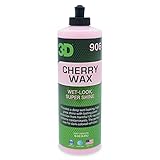
Overview: This premium liquid wax from 3D combines natural carnauba with synthetic polymers for show-car results without professional effort. Designed specifically for already-polished, swirl-free paint, it delivers a deep, wet-look gloss especially stunning on dark colors. The California-made formula promises fast application and even faster removal, making it ideal for enthusiasts who want concours-level shine in their garage.
What Makes It Stand Out: The signature cherry scent transforms waxing from chore to pleasure, while the hybrid formula creates an exceptionally slick surface that actively repels contaminants. Unlike traditional waxes, it requires zero buffing and leaves no powdery residue or trim stains. The non-cleaning formulation means it preserves your polishing work rather than stripping it, making it perfect for garage-kept vehicles where paint perfection is already established.
Value for Money: At $26.99 for 16 ounces, it sits at the premium end but justifies the cost through professional-grade results and user-friendly application. The concentrated formula means a little goes far, and the time saved during effortless wipe-off translates to real value. Compared to professional detailing services, it pays for itself after one use on a show-worthy vehicle.
Strengths and Weaknesses: Pros: Effortless application and removal; deep wet-look gloss; pleasant cherry scent; contaminant-repelling slickness; no powdery residue; made in USA Cons: Requires perfectly prepped paint; not ideal for daily drivers with swirl marks; higher price point
Bottom Line: Perfect for dedicated enthusiasts with already-perfect paint who want show-car gloss with minimal effort. The cherry scent and slick finish make it a joy to use, but skip this if your paint needs correction first. For show cars and garage queens, it’s worth every penny.
2. Griot’s Garage Best of Show Wax for Car Detailing and Polishing, Carnauba-Packed Wax Coating for High-Gloss Shine and Paint Protection, 11171, 16oz

Overview: Griot’s Garage delivers concours-quality results with this carnauba-packed liquid wax designed for serious enthusiasts. The updated formula emphasizes effortless removal while creating a mirror-like finish with exceptional depth and clarity. Suitable for both warm and cool surfaces, this 16-ounce bottle offers versatile application whether you’re working in summer sun or cooler garage conditions.
What Makes It Stand Out: The heavy concentration of premium carnauba creates a brilliant wet-look shine that enhances paint protection and keeps vehicles cleaner between washes. Its temperature versatility eliminates common streaking issues found in competing products. The effortless wipe-off characteristic means residue removes in one smooth pass, dramatically reducing detailing time while delivering professional results that rival paste waxes costing twice as much.
Value for Money: At $22.98, this wax strikes an excellent balance between premium performance and accessibility. The 16-ounce quantity provides ample product for multiple applications across several vehicles. When compared to boutique waxes exceeding $50, Griot’s Garage offers nearly identical gloss levels and easier application, making it a smart investment for regular detailers who demand professional results without premium pricing.
Strengths and Weaknesses: Pros: Effortless single-pass removal; heavy carnauba content; temperature versatility; professional concours finish; excellent paint protection; good value Cons: May not last as long as synthetic sealants; requires careful application to avoid streaking; scent is generic
Bottom Line: An outstanding choice for enthusiasts seeking professional-grade shine with user-friendly application. The temperature versatility and effortless wipe-off make it practical for all skill levels. While durability falls short of synthetic options, the gloss and ease of use make it a top contender for regular waxing routines.
3. Meguiar’s Gold Class Carnauba Plus Premium Liquid Wax Kit, Car Detailing Kit with a Pure Carnauba Wax Blend and a Foam Applicator Pad for Keeping Glossy Paint Protected Like a Pro, 16 Oz Bottle

Overview: Meguiar’s Gold Class combines traditional carnauba with modern polymers in a premium liquid wax kit that includes a foam applicator pad. This 16-ounce bottle delivers luxurious protection for all glossy paint types, including clear coats. The enhanced formula promises richer shine and deeper gloss with sharp reflections, making it accessible for both novices and experienced detailers seeking professional results.
What Makes It Stand Out: The included high-quality foam applicator ensures smooth, even distribution from the start, eliminating the need for separate purchases. Its versatile application methods accommodate both hand polishing and dual-action machine use, providing exceptional precision regardless of your preferred technique. The carefully balanced carnauba-polymer blend offers immediate visual improvement while building durable protection that maintains brilliance through multiple washes.
Value for Money: At $18.99, this kit represents exceptional value, bundling both premium wax and applicator pad. As one of the most affordable options in the premium category, it democratizes professional results for budget-conscious enthusiasts. Meguiar’s reputation for consistency means you’re getting proven technology at a price point that undercuts competitors while delivering comparable gloss and protection.
Strengths and Weaknesses: Pros: Excellent value with included applicator; safe for all glossy paints; versatile hand or machine application; trusted brand reputation; easy glide-on formula Cons: Not as slick as premium competitors; durability moderate; scent is unremarkable; may require more product per application
Bottom Line: The best value proposition for entry-level to intermediate detailers. It delivers reliable, professional-looking results without breaking the bank. While it may lack the exotic characteristics of boutique waxes, its performance-to-price ratio is unbeatable for regular maintenance on daily drivers and weekend cruisers alike.
4. Chemical Guys Butter Wet Wax - Deep Wet Shine Car Wax for Cars, Trucks, SUVs, RVs, and More, Easy On/Off Liquid Formula, Banana Scent - 16 oz

Overview: Chemical Guys Butter Wet Wax lives up to its name with a smooth, spreadable formula that creates a deep, wet shine across all vehicle types. This 16-ounce liquid wax works safely on clear coats, single-stage paint, polished metals, and even glass. The easy on/off application promises showroom-quality results without professional training, making it ideal for enthusiasts who want head-turning gloss with minimal effort.
What Makes It Stand Out: The signature banana scent adds a tropical twist to the detailing experience, while the truly buttery consistency ensures streak-free application and removal without powdery residue. Its remarkable versatility extends beyond cars to trucks, motorcycles, RVs, and boats, making it a single solution for multi-vehicle households. The formula enhances gloss, depth, and reflection across all paint colors, particularly rewarding on metallic and pearl finishes.
Value for Money: At $19.97, Butter Wet Wax positions itself as an affordable premium option. The 16-ounce bottle provides generous coverage for multiple vehicles, and its forgiving nature means less product waste during application. Compared to single-purpose waxes, its multi-surface compatibility increases overall value, essentially replacing several specialized products in your detailing arsenal.
Strengths and Weaknesses: Pros: Pleasant banana scent; extremely easy application; versatile multi-surface use; streak-free removal; excellent gloss enhancement; forgiving formula Cons: Durability shorter than synthetic sealants; scent may not appeal to everyone; not as hydrophobic as premium options; requires frequent reapplication
Bottom Line: A fantastic all-rounder for enthusiasts who prioritize ease of use and versatility. The banana scent and buttery texture make waxing enjoyable, while the multi-surface compatibility adds practical value. Accept the moderate durability in exchange for effortless application and impressive gloss—perfect for regular maintenance rather than long-term protection.
5. Collinite 476 Super Doublecoat Wax-Carnauba + Polymer Sealant - High Gloss Shine + Ultra Durable Hydrophobic Beading & Long-Lasting Paint Protection for Cars, Trucks, and Motorcycles (9 fl oz)

Overview: Collinite’s 476 Super Doublecoat represents eight decades of proven protection technology, combining carnauba with high-endurance polymers for exceptional longevity. This 9-ounce container delivers 7-10 months of durability—performance typically associated with ceramic coatings—while maintaining a warm, natural gloss. Uniquely, it bonds effectively without requiring surgically clean paint, making it practical for real-world DIY applications where multi-step decontamination isn’t feasible.
What Makes It Stand Out: The remarkable 7-10 month durability sets it apart from conventional waxes that typically last 4-6 weeks. Its hydrophobic properties create intense water beading that keeps vehicles cleaner and makes washing easier for months. Unlike most waxes requiring flawless paint preparation, Collinite’s bonding technology works on moderately clean surfaces, eliminating barriers for casual detailers while still delivering professional-level protection and UV resistance.
Value for Money: At $19.33 for 9 ounces, the initial cost seems higher per ounce, but the extended durability makes it the most economical long-term choice. One application lasts three times longer than competitors, reducing both product consumption and labor frequency. For vehicles exposed to harsh elements, it eliminates the need for quarterly reapplication, effectively costing less than $2 per month of protection.
Strengths and Weaknesses: Pros: Exceptional 7-10 month durability; outstanding hydrophobic beading; bonds to moderately clean surfaces; superior UV protection; warm natural gloss; extreme value long-term Cons: Smaller 9oz container; application requires more precision; longer curing time; less slick feel than premium waxes; scent is industrial
Bottom Line: The ultimate choice for protection-focused enthusiasts who value longevity over application pleasure. Its extended durability and forgiving preparation requirements make it ideal for daily drivers and vehicles facing harsh weather. While it lacks the sensory experience of boutique waxes, its performance-per-dollar over time is unmatched in the wax category.
6. 3D GLW Series Ceramic Wax – SiO2 Infused Car Wax for Ultimate Gloss, Hydrophobic Protection & Easy Application | Ultra Slick Shine | Made in USA 16 oz

Overview: The 3D GLW Series Ceramic Wax represents the new guard of automotive protection, blending traditional wax aesthetics with modern SiO2 ceramic technology. This 16 oz formula promises to deliver a durable, hydrophobic barrier that repels contaminants while creating a mirror-like finish. Marketed toward both weekend warriors and professional detailers, it positions itself as a bridge between entry-level waxes and more complex ceramic coatings, emphasizing straightforward application without compromising on performance or visual impact.
What Makes It Stand Out: The standout feature is its genuine SiO2 infusion at a consumer-friendly price point, offering weeks of protection rather than days. The “no buff, no streak” application process removes the intimidation factor common with ceramic products—simply apply with an applicator and wipe off with a microfiber towel. The hyper-hydrophobic properties create dramatic water beading that actively repels grime between washes, effectively making your vehicle self-cleaning to a degree. Being made in the USA with detailer-grade chemistry adds credibility for enthusiasts who scrutinize ingredient sourcing.
Value for Money: At $34.99 for 16 oz, this sits in the premium wax category but significantly undercuts professional ceramic coating services that cost hundreds. Compared to traditional carnauba waxes offering 2-4 weeks of protection, the extended durability provides better long-term value. While more expensive than entry-level synthetic waxes, the SiO2 technology and ease of use justify the premium for those seeking genuine ceramic benefits without the complexity of coating installation.
Strengths and Weaknesses: Strengths include genuine ceramic protection, beginner-friendly application, impressive water beading, and professional-grade results. The glossy finish rivals more expensive products, and the USA manufacturing ensures quality control. Weaknesses include price point that may deter casual users, durability still falls short of true ceramic coatings, and may require more product per application than traditional waxes. Some users report it doesn’t bond as well to improperly prepped surfaces.
Bottom Line: The 3D GLW Ceramic Wax excels for enthusiasts ready to upgrade from traditional waxes but not prepared for full ceramic coating commitment. Its combination of user-friendly application, genuine SiO2 protection, and stunning gloss makes it a smart investment for maintaining a showroom finish with minimal effort. Highly recommended for those prioritizing both performance and simplicity.
7. Meguiar’s Cleaner Wax - Liquid Car Wax, Cleans, Polishes and Protects Your Vehicle - Easy to Use, Long-lasting Shine - 16 Oz

Overview: Meguiar’s Cleaner Wax is the Swiss Army knife of car care, combining cleaning, polishing, and protecting capabilities into a single 16 oz bottle. This one-step solution targets drivers seeking maximum efficiency without investing in multiple products. The formula safely removes light oxidation, surface contaminants, and minor blemishes while simultaneously depositing a protective wax layer. At its price point, it democratizes professional-looking results for everyday car owners who want maintenance to be quick, effective, and foolproof.
What Makes It Stand Out: The integrated cleaner sets this apart from pure waxes—it’s designed to prep the surface as you apply, eliminating the separate washing and claying steps for lightly soiled vehicles. The rich conditioning oils create a deep, warm gloss that rivals more expensive dedicated polishes. Its versatility shines through dual application methods: hand application for convenience or dual-action polisher integration for enhanced correction. The safe-for-all-finishes formulation removes guesswork, making it ideal for multi-vehicle households with different paint types.
Value for Money: At $9.99, this represents exceptional value—essentially three products in one at a budget price. It eliminates the need for separate cleaner, polish, and wax purchases, saving both money and storage space. While premium waxes may last longer, the ability to clean and protect simultaneously means more frequent, effective maintenance. For casual enthusiasts or those maintaining daily drivers, the cost-per-use is unbeatable compared to purchasing separate detailing products.
Strengths and Weaknesses: Strengths include unbeatable affordability, true 3-in-1 functionality, safe formulation for all glossy finishes, and brand reliability from Meguiar’s. The application is forgiving and works well in various conditions. Weaknesses include durability that typically lasts 4-6 weeks—shorter than dedicated sealants. The cleaning action is mild and won’t replace heavy-cut compounds for serious defects. Some users find the finish slightly less slick than premium dedicated waxes, and it may leave residue on trim if not carefully applied.
Bottom Line: Meguiar’s Cleaner Wax is the quintessential workhorse product for practical car owners. While it won’t satisfy hardcore detailers seeking maximum durability, its cleaning power, ease of use, and incredible value make it perfect for maintaining daily drivers with minimal time investment. An essential garage staple for quick, effective paint maintenance.
8. Griot’s Garage Ceramic 3-in-1 Wax, SiO2 Spray for Cars, Trucks, and RV’s, Provides Protection and Water Beading on Paint, Wheels, Plastic, Rubber Trim, Chrome, and More, 10978, 22 oz

Overview: Griot’s Garage Ceramic 3-in-1 Wax revolutionizes convenience by packaging genuine SiO2 ceramic protection in a spray format that works across virtually every exterior surface. This 22 oz bottle targets the modern detailer who values speed without sacrificing technology. Unlike traditional paste waxes limited to paint, this formula bonds to plastic trim, wheels, chrome, and rubber, creating a unified protective layer. It represents the evolution of spray waxes from quick detailers into legitimate protective solutions with months-long durability.
What Makes It Stand Out: The true multi-surface compatibility is exceptional—most ceramic products require separate formulations for trim and wheels, but this single product treats them all. The spray-and-wipe application takes mere minutes versus the hour-long process of traditional waxing. The SiO2 infusion provides legitimate ceramic protection that outlasts conventional spray waxes by months, not weeks. The self-cleaning hydrophobic effect actively repels dirt, making subsequent washes easier and reducing water spot formation—a genuine time-saver for regular maintenance.
Value for Money: Priced at $21.99 for 22 oz, it offers excellent value considering its versatility and ceramic content. It replaces separate trim dressings, wheel sealants, and paint waxes, consolidating three products into one. While more expensive than basic spray waxes, the extended durability and multi-surface capability provide superior cost-per-use. For RV and truck owners with large surface areas, the time savings alone justify the premium over traditional application methods.
Strengths and Weaknesses: Strengths include unmatched versatility across surfaces, lightning-fast application, genuine SiO2 durability, excellent hydrophobic properties, and USA manufacturing. It excels on textured plastics where traditional waxes fail. Weaknesses include spray application may lead to overspray in windy conditions, durability still trails behind true ceramic coatings, and the thin layer may not provide the deep wet look of paste waxes. Some users report it requires more frequent reapplication on horizontal surfaces exposed to direct sun.
Bottom Line: Griot’s Ceramic 3-in-1 Wax is the ultimate time-saver for detailers who prioritize efficiency and versatility. Its ability to protect everything from paint to trim in one quick session makes it indispensable for large vehicles and busy schedules. While it won’t replace show-car paste waxes for depth, its practical performance and surface versatility make it a must-have modern maintenance product.
9. Turtle Wax Hybrid Solutions Ceramic Graphene Paste Wax for Car Detailing, High Gloss Shine, Extreme Water Beading, Long-Lasting Protection, for Paint, Glass Metal, Wheels and More, 5.5 oz (Pack of 1)
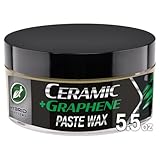
Overview: Turtle Wax Hybrid Solutions pushes boundaries by fusing ceramic SiO2 with cutting-edge graphene polymers in a traditional paste format. This 5.5 oz container represents the brand’s flagship wax, targeting enthusiasts who demand laboratory-grade protection with old-school application satisfaction. The formula promises to defend against UV rays, chemical contaminants, and environmental damage while delivering extreme water beading and a slick finish. It’s designed for multi-surface use, protecting everything from paint to glass and wheels with a single premium product.
What Makes It Stand Out: The graphene-ceramic hybrid is genuinely innovative—graphene adds enhanced heat dissipation and anti-static properties that pure ceramic formulas lack, reducing dust attraction. The extreme hydrophobicity creates almost comical water beading that sheets off instantly, preventing water spots more effectively than most competitors. The ability to apply in direct sunlight without staining or streaking removes a major limitation of traditional paste waxes. The ten-wax blend creates a richness and depth that synthetic-only formulas struggle to replicate, while the advanced polymers ensure durability measured in months, not weeks.
Value for Money: At $29.99 for 5.5 oz, this is premium-priced but justifiable given its advanced chemistry and multi-surface capability. A little product goes a long way, making the cost-per-application reasonable. It eliminates need for separate glass sealants and wheel waxes, consolidating protection needs. While expensive compared to traditional paste waxes, the graphene-ceramic technology and 6+ month durability provide better long-term value than reapplying cheaper waxes monthly.
Strengths and Weaknesses: Strengths include cutting-edge graphene-ceramic technology, exceptional water beading, sunlight-friendly application, multi-surface versatility, and impressive durability. The finish is genuinely slick to the touch and resists dust accumulation. Weaknesses include premium price per ounce, paste format requires more effort than sprays, and the small container may surprise buyers expecting larger volume. It cannot be used on textured plastics or rubber, limiting its versatility compared to some spray ceramics. The advanced formula may be overkill for garage-kept show cars.
Bottom Line: Turtle Wax’s graphene-ceramic paste wax delivers genuine innovation with measurable performance benefits. The extreme water behavior and anti-static properties make it ideal for daily drivers in harsh environments. While the price and application effort exceed basic waxes, the protection level and durability justify the investment for serious enthusiasts seeking cutting-edge technology without professional coating costs.
10. Collinite 845 Insulator Wax-Easy to Use Carnauba+Polymer Wax Sealant-High Gloss Shine+Durable Hydrophobic Beading & Long Lasting Paint Protection for Cars/Boats/Trucks/RVs & Motorcycles (16 fl oz)

Overview: Collinite 845 Insulator Wax is the legendary benchmark that has survived 80+ years by consistently delivering professional results. This 16 oz bottle contains a hybrid carnauba-polymer formula that bridges old-world shine with modern durability. Originally developed for electrical insulators, its robust protective qualities translate perfectly to automotive surfaces. It targets purists who appreciate proven performance over marketing trends, offering a warm, deep gloss that only high-grade carnauba can provide, reinforced with polymers for 4-7 month durability across cars, boats, trucks, and RVs.
What Makes It Stand Out: The 80-year track record is unmatched—this formula has earned trust through decades of real-world performance rather than trendy ingredients. The heavy-duty polymer base provides ceramic-like durability and UV protection while the #1 grade carnauba delivers a warmth and depth that synthetic-only products can’t replicate. Its versatility across marine and automotive applications demonstrates exceptional protective capability. The hydrophobic beading rivals modern ceramic sealants, and the high melting point prevents heat degradation on dark colors in summer sun—a common failure point for lesser waxes.
Value for Money: At $20.60 for 16 oz, Collinite 845 offers outstanding value. The concentration means a thin layer suffices, providing dozens of applications per bottle. The 4-7 month durability significantly outlasts most waxes in its price range, reducing application frequency. For boat and RV owners, its multi-surface capability eliminates need for separate marine-specific products. While not the cheapest option, the cost-per-month of protection is among the lowest in the premium category.
Strengths and Weaknesses: Strengths include legendary durability, authentic carnauba warmth, proven 80-year formula, exceptional UV and heat resistance, and incredible versatility across vehicles. The hydrophobic properties are genuinely impressive for a non-ceramic product. Weaknesses include the liquid formula can be messy if over-applied, requires thorough surface prep for best bonding, and the initial cure time is longer than spray waxes. Some users find the petroleum scent strong during application, and it may stain raw plastic if not carefully wiped.
Bottom Line: Collinite 845 remains the gold standard for those who value proven performance over trendy marketing. Its combination of carnauba beauty and polymer durability creates a finish that satisfies both classic car purists and practical daily driver owners. For under $21, it’s arguably the best value in long-term paint protection available today—an essential product that deserves its legendary status.
Understanding Professional-Grade Car Wax
What Separates Professional Wax from Consumer-Grade Products
professional car waxes distinguish themselves through concentrated formulations, higher-grade raw materials, and performance metrics that hold up under scrutiny. Unlike mass-market options that prioritize ease of application and low cost, professional waxes are engineered for maximum durability, optical clarity, and protective capability. The resin content is typically higher, the carnauba wax (when present) is refined to a purer grade, and the solvent systems are more sophisticated, allowing for thinner, more uniform applications that cure harder and last longer.
The Chemistry Behind Premium Protection
The molecular structure of professional waxes creates a more densely packed barrier against environmental contaminants. Synthetic polymers form cross-linked chains that chemically bond to the paint surface, while natural carnauba waxes provide a warm, deep gloss through their unique crystalline structure. Professional formulations often incorporate UV inhibitors, anti-static agents, and corrosion inhibitors at concentrations that would be cost-prohibitive in consumer products. This chemical complexity translates to protection that doesn’t just sit on the surface but actively repels water, resists chemical etching, and maintains flexibility to prevent cracking.
Types of Professional Car Waxes
Natural Carnauba Waxes: The Gold Standard
Derived from the leaves of the Brazilian palm tree, carnauba wax remains the benchmark for warmth and depth in automotive finishes. Professional-grade carnauba contains significantly higher concentrations of Grade #1 yellow carnauba (often 30-40% versus 5-10% in consumer products), resulting in a richer, more three-dimensional appearance. These waxes excel on darker colors where depth is paramount but typically require more frequent reapplication every 6-8 weeks, making them ideal for show cars and garage-kept vehicles rather than daily drivers exposed to harsh conditions.
Synthetic Polymer Waxes: Modern Technology
Often labeled as paint sealants, synthetic polymer waxes utilize polymer technology to create a durable, protective shell. Professional synthetics can last 4-6 months or longer, providing superior protection against acid rain, industrial fallout, and UV degradation. They produce a sharp, reflective gloss that’s particularly striking on metallic and pearl finishes. The application is more forgiving than carnauba, with longer curing times and less sensitivity to temperature fluctuations during application.
Ceramic-Infused Waxes: Hybrid Innovation
These represent the marriage of traditional wax aesthetics with ceramic coating technology. By incorporating SiO2 (silicon dioxide) or TiO2 (titanium dioxide) particles, ceramic-infused waxes offer extended durability (often 3-5 months) while maintaining the ease of application associated with traditional waxes. The ceramic component creates an ultra-slick surface with exceptional hydrophobic properties, causing water to bead and sheet dramatically. Professional-grade versions contain higher ceramic content and better suspension systems to prevent settling.
Spray Waxes: Professional Quick-Detail Solutions
Professional spray waxes aren’t the diluted, short-lived products sold in retail stores. These are concentrated formulas designed as maintenance toppers for existing protection or as standalone solutions for high-volume detailing operations. They contain genuine wax content (not just silicone oils) and can extend the life of a base coat by 2-4 weeks per application. The best professional sprays offer UV protection, anti-static properties, and can be applied to wet or dry surfaces, making them invaluable for mobile detailers and service departments.
Key Performance Indicators to Evaluate
Durability Metrics: What “Months of Protection” Really Means
When a professional wax claims “6 months of protection,” understand the testing conditions behind that statement. Reputable manufacturers base these claims on real-world exposure in multiple climates, using standardized wash routines and regular inspection. However, your results will vary based on storage conditions, wash frequency, environmental exposure, and driving habits. A wax that lasts 6 months on a garaged weekend car might only provide 3 months of optimal performance on a daily driver parked outdoors in a coastal environment.
Gloss and Depth: Measuring Visual Enhancement
Professional waxes should enhance both gloss (the sharpness of reflections) and depth (the three-dimensional quality of the paint). Gloss is measured through reflectance meters, while depth is assessed visually by observing how light penetrates and reflects within the paint layers. The best professional waxes improve both metrics without adding an artificial, plastic-like appearance. Look for products that maintain paint clarity rather than masking imperfections with fillers.
Water Behavior: Hydrophobic Performance Explained
True hydrophobicity goes beyond simple beading. Professional waxes create a surface energy so low that water sheets off, carrying away light dust and preventing water spots. The contact angle—the measurement of how water droplets sit on the surface—should exceed 110 degrees for professional-grade products. More importantly, this performance should remain consistent throughout the product’s lifecycle, not just during the first few weeks after application.
Surface Preparation: The Foundation of Professional Results
Paint Decontamination: The Critical First Step
Applying professional wax over contaminated paint is like building a house on a shaky foundation. Iron particles, industrial fallout, tar, and tree sap create microscopic barriers that prevent proper wax bonding. Professional decontamination involves chemical iron removers that dissolve ferrous particles, followed by tar and adhesive removers for organic contaminants. This step alone can double the effective lifespan of your wax by ensuring maximum surface contact and adhesion.
Clay Bar Treatment: When and Why It’s Essential
The “baggie test” reveals when claying is necessary—slip a plastic bag over your hand and gently rub the paint; if it feels gritty, you need clay. Professional-grade clay bars are more aggressive and effective than consumer versions, using finer, more uniform abrasives embedded in a more pliable polymer matrix. Claying not only removes bonded contaminants but also smoothes the paint surface, allowing wax to lay flatter and create a more uniform protective layer. Skip this step, and you’re essentially sealing in contaminants that will continue to corrode your paint underneath the wax.
Paint Correction: Addressing Imperfections Before Waxing
Professional waxes enhance what’s there—they don’t fix what’s broken. Swirl marks, scratches, and oxidation must be addressed through mechanical paint correction before wax application. Attempting to hide defects with wax is temporary at best; the fillers will wash away, revealing the same issues. Professional detailers understand that 80% of the final appearance comes from proper correction, with wax providing the final 20% of enhancement and protection. Investing in paint correction before waxing yields exponentially better results than any wax could deliver on compromised paint.
Application Techniques for Professional Results
Hand Application vs. Machine Application
While hand application allows for greater control and connection with the vehicle’s contours, machine application using a dual-action polisher with a finishing pad can produce more uniform, thinner coats. Professional hand application uses high-density foam applicators with specific cell structures that hold and release product optimally. Machine application requires lower speeds (1,500-2,000 RPM) and minimal pressure to avoid heating the wax or creating swirl marks. The choice depends on the specific product, vehicle size, and your skill level.
Temperature and Environmental Considerations
Professional waxes are formulated for specific temperature ranges—most perform optimally between 60-80°F (15-27°C) with low humidity. Application in direct sunlight or on hot panels causes solvents to evaporate too quickly, leading to streaking and poor bonding. Cold temperatures increase viscosity, making even application difficult and extending cure times exponentially. Professional detailers often work in climate-controlled environments or during specific times of day to ensure optimal conditions.
Layering Strategies: Building Depth vs. Over-application
The myth of “more layers equals more protection” dies hard in professional circles. Two properly applied thin layers will always outperform four heavy layers. The first layer bonds to the paint, while the second addresses any microscopic gaps. Beyond two layers, you’re simply wasting product and creating a soft, easily marred surface. Professional layering involves waiting 12-24 hours between coats, allowing full curing and using different application techniques (machine for base, hand for top) to maximize performance.
Durability Factors That Affect Wax Longevity
Climate Impact: Hot, Cold, and Humid Conditions
UV intensity, temperature fluctuations, and humidity levels dramatically impact wax lifespan. Arizona sun can degrade wax 40% faster than Pacific Northwest conditions. Salt air in coastal regions creates a corrosive environment that attacks the wax barrier. Professional detailers in extreme climates often adjust their product selection seasonally, using harder carnauba blends in summer and more flexible polymer waxes in winter to accommodate temperature-induced paint expansion and contraction.
Storage Conditions: Garaged vs. Outdoor Parking
A vehicle parked in a climate-controlled garage might see 50% longer wax life than one exposed to the elements. Overnight dew, bird droppings, tree sap, and UV exposure all accelerate wax degradation. Professional-grade waxes designed for outdoor vehicles contain more robust UV blockers and sacrificial agents that deteriorate first, protecting the underlying paint. Understanding your storage situation helps set realistic expectations and informs product selection.
Washing Techniques: Maintaining Your Wax Investment
The best professional wax in the world won’t survive poor wash practices. Touchless washes with harsh chemicals strip wax aggressively, while improper two-bucket methods introduce swirl marks that compromise the wax layer. Professional maintenance involves pH-neutral shampoos, grit guards, microfiber wash mitts, and careful drying with plush towels. Each wash should include a spray wax topper to replenish high-wear areas like the hood, roof, and trunk lid.
Cost Analysis: Professional Wax Value Proposition
Price Per Application: Breaking Down the True Cost
A $200 professional wax might seem extravagant until you calculate the cost per application. With enough product for 20 applications on a standard sedan, you’re investing $10 per coat for 4-6 months of protection. Compare that to a $20 consumer wax requiring monthly application, and the professional option becomes more economical while delivering superior performance. Factor in reduced paint correction needs over the vehicle’s lifetime, and the return on investment becomes undeniable.
Time Investment: Professional Results Require Professional Effort
Professional wax application isn’t a 30-minute weekend task. Proper preparation, application, and curing can consume 4-8 hours depending on vehicle size and condition. However, this time investment pays dividends in extended protection periods and reduced maintenance frequency. Professional detailers understand that the labor cost far exceeds the product cost, which is why they select waxes that maximize both performance and efficiency, reducing the need for frequent reapplication.
Common Mistakes That Compromise Professional Wax Performance
Skipping Surface Prep: The #1 Error
Even seasoned enthusiasts fall victim to the temptation to wax over “clean enough” paint. This single mistake reduces wax adhesion by up to 70% and creates a false sense of protection. Professional results demand professional preparation—no shortcuts. The 30 minutes spent on proper decontamination and claying will add months to your wax’s effective life and improve its performance from day one.
Over-application: More Isn’t Always Better
Thick, heavy layers of wax don’t cure properly, remain soft and easily marred, and actually attract dust and contaminants. Professional application aims for a layer so thin it’s nearly invisible during application, allowing proper solvent evaporation and curing. The “less is more” philosophy is fundamental to professional detailing, with most high-end waxes requiring only a pea-sized amount per 2x2 foot section.
Curing Time: Patience Pays Dividends
Rushing the cure time is the fastest way to waste a professional wax application. While consumer waxes might be “dry to the touch” in minutes, professional formulations require 30-60 minutes to properly haze and several hours to fully cure. Wiping too early smears uncured wax, while wiping too late makes removal difficult and risks marring the finish. Professional detailers schedule wax applications to allow overnight curing before the vehicle encounters moisture or dust.
Professional vs. DIY: When to Call the Experts
Skill Level Assessment: Honest Self-Evaluation
Professional waxes reveal application mistakes more readily than forgiving consumer products. Holograms, streaking, and uneven protection are common DIY errors. If you haven’t mastered paint correction, decontamination, and machine polishing, investing in expensive professional wax is premature. The product can’t compensate for lack of technique. Consider professional application as a learning opportunity—watch how experts prepare surfaces, apply product, and maintain finishes.
Equipment Investment: What’s Required for Pro Results
Professional wax performance requires professional tools. Dual-action polishers, paint thickness gauges, IR curing lamps, and proper lighting represent significant investments. Without these tools, you’re applying a professional product with amateur capabilities. The equipment gap is often the deciding factor between satisfactory DIY results and true professional outcomes. Many enthusiasts find that periodic professional detailing supplemented by proper maintenance provides the best value proposition.
Maintaining Your Professional Wax Finish
Topper Products: Extending Protection Between Applications
Professional wax maintenance involves dedicated spray sealants or “toppers” designed to bond with the base wax layer. These aren’t generic quick detailers but specifically formulated products that replenish UV inhibitors and hydrophobic agents. Applied every 2-3 washes, they can extend your wax life by 30-50% while maintaining that just-waxed appearance. The key is using compatible products—mixing chemistries can cause beading patterns to fail or create cloudy appearances.
Wash Frequency and Methods
Over-washing is as damaging as under-washing. Professional waxes perform best with a wash schedule every 7-10 days using proper techniques. Daily washing accelerates mechanical wear on the wax layer, while waiting too long allows contaminants to bond and etch. The professional approach balances cleanliness with preservation, using touchless methods when possible and meticulous hand washing when necessary.
Reapplication Indicators: Knowing When It’s Time
Water behavior is your best indicator—when beading becomes inconsistent or water begins to sheet rather than bead, your wax is degrading. Professional detailers also use gloss meters to measure reflectance loss and conduct “squeak tests” to assess surface slickness. Don’t rely on time alone; environmental factors vary too widely. Instead, establish a baseline inspection schedule every 30 days to monitor performance degradation.
Frequently Asked Questions
How long should I wait before washing my car after applying professional wax?
Wait at least 24-48 hours before the first wash to allow complete curing. This initial period is critical for the wax to fully bond to the paint surface. When you do wash, use a pH-neutral shampoo and avoid aggressive scrubbing for the first week.
Can I apply professional wax over ceramic coating?
Yes, but it’s generally unnecessary and may reduce the coating’s performance. Ceramic coatings already provide superior protection. If you want the warmth of carnauba over a ceramic base, wait 30 days after coating application and use a pure carnauba without cleaners or abrasives.
What’s the difference between wax “curing” and “hazing”?
Hazing occurs when solvents evaporate and the wax turns cloudy, typically within 30-60 minutes. Curing is the complete chemical hardening process that takes 12-24 hours. While you can remove hazed wax, the protection isn’t fully developed until curing completes.
How do I store professional wax to maintain its performance?
Store in a cool, dark place with stable temperatures between 50-70°F. Avoid garages that experience extreme temperature swings. Always seal the container tightly to prevent solvent evaporation, which can thicken the wax and alter application properties.
Can professional wax be applied in direct sunlight?
Only if specifically formulated for it. Most professional waxes perform poorly in direct sun due to rapid solvent flash-off and uneven curing. Always follow manufacturer recommendations, but as a rule, apply in shade with panel temperatures below 80°F.
Is layering different types of wax beneficial?
Layering compatible products can enhance specific properties—applying a synthetic polymer base for durability topped with carnauba for depth is a professional technique. Never layer incompatible chemistries (like certain ceramics over natural waxes) without verifying compatibility.
How do I remove professional wax if I’m unhappy with the application?
Use a dedicated wax remover or isopropyl alcohol solution (15-20% IPA to water ratio) applied with a microfiber towel. For stubborn layers, a fine finishing polish on a dual-action polisher will safely remove residue without significant paint removal.
Will professional wax hide swirl marks and scratches?
No quality professional wax contains heavy fillers that mask defects. They may minimize the appearance of very light swirls temporarily, but true correction requires polishing. Professional waxes are designed to protect corrected paint, not camouflage damage.
How does paint color affect wax choice?
Darker colors benefit most from carnauba’s warmth and depth, while lighter colors and metallics excel with synthetic polymers that enhance reflectivity. Ceramic-infused waxes work universally well but particularly shine on colors where water behavior creates visual drama.
Can I wax my car too often?
Yes. Waxing monthly with professional products wastes material and creates buildup that attracts dust. Most professional waxes provide 3-6 months of optimal protection. Over-waxing can also lead to difficult removal and potential marring during the removal process.