That flawless, showroom-ready interior doesn’t happen by accident. You’ve invested in premium leather conditioners, ceramic coatings for trim, and UV protectants for dashboards—but if you’re still using old t-shirts or foam sponges to apply them, you’re leaving results on the table. The difference between a good interior detail and a jaw-dropping one often comes down to the humble applicator pad. Microfiber applicators have revolutionized how professionals and enthusiasts alike treat every surface inside a vehicle, yet most people grab whatever’s cheapest without understanding how pad construction impacts product performance, finish quality, and long-term surface health.
Choosing the right microfiber applicator pad isn’t just about convenience; it’s about chemistry, physics, and precision engineering working together. The wrong pad can waste expensive products, leave streaks, create micro-scratches on sensitive screens, or fail to work conditioners into leather grain effectively. This comprehensive guide dives deep into what separates exceptional applicator pads from mediocre ones, helping you make informed decisions that elevate your interior detailing game—whether you’re prepping a daily driver for the weekend or maintaining a luxury collection.
Top 10 microfiber applicator pads
Detailed Product Reviews
1. FONAROLL Microfiber Wax Applicator Pads, Car Wax Applicator, Buffing & Detail Polishing Foam Pads for Car Cleaning and Fine Polishing (5" Diameter, 6 Pack)…
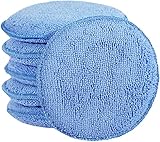
Overview: The FONAROLL six-pack delivers professional-grade applicator pads measuring five inches in diameter, constructed from a premium microfiber and sponge blend. These versatile tools handle waxing, polishing, and interior cleaning tasks with equal proficiency, making them a solid foundation for any car care arsenal.
What Makes It Stand Out: The machine-sewn edges represent a standout engineering choice, dramatically reducing friction and virtually eliminating scratch risks during aggressive buffing sessions. This thoughtful construction combines microfiber’s absorption capabilities with sponge elasticity, creating a hybrid tool that maintains shape under pressure while distributing products evenly across contoured surfaces.
Value for Money: At $6.99 ($1.16 per pad), these sit in the mid-range pricing tier. While not the cheapest option, the reinforced stitching and dual-material construction promise extended durability through multiple machine-wash cycles, ultimately delivering better long-term value than disposable alternatives.
Strengths and Weaknesses: Strengths include superior edge protection against scratches, excellent versatility for interior and exterior use, and robust construction that withstands repeated washing. The six-pack quantity may disappoint high-volume detailers, and the absence of a finger pocket reduces ergonomic control compared to newer designs.
Bottom Line: Ideal for meticulous car owners prioritizing paint safety, these pads excel in scratch prevention and durability, though volume buyers might prefer larger multipacks.
2. AIDEA Microfiber Applicator Pad-8Pack, Car Wash Sponge, Premium Microfiber Sponge and Cleaning Pads, Perfect for Effortless Wax, Sealant, and Conditioner Application - Blue

Overview: AIDEA’s eight-pack applicator set targets discerning automotive enthusiasts with premium microfiber construction designed for flawless product application. These blue pads handle waxes, sealants, and conditioners while doubling as effective household cleaning tools, offering professional results across multiple surfaces.
What Makes It Stand Out: The brand emphasizes exceptional material quality with a soft foam core that provides superior grip and maneuverability. The microfiber’s renowned absorbency ensures even distribution without product waste, while the construction prevents scratching on delicate finishes, making it particularly suitable for luxury vehicles and sensitive surfaces.
Value for Money: Priced at $9.99 for eight pads ($1.25 per unit), this represents a slight premium over budget competitors. However, the focus on premium materials and the inclusion of two additional pads compared to six-pack alternatives justify the cost for users prioritizing quality over absolute lowest price.
Strengths and Weaknesses: Strengths include outstanding softness and absorbency, excellent handling comfort, versatile automotive and household applications, and durable machine-washable construction. Weaknesses involve the higher per-unit cost and lack of a finger pocket, which some users prefer for more precise control during detailed work.
Bottom Line: A premium choice for quality-conscious detailers willing to invest slightly more for superior material performance and brand reliability.
3. HOMEXCEL Microfiber Applicator Pads, Scratch-Free Car Wash Sponge for Cleaning, Premium Wax Foam Applicator Pads for Car Detailing, 5”x3”, 8Pack

Overview: HOMEXCEL offers eight rectangular applicator pads measuring five by three inches, engineered for scratch-free car detailing. The soft microfiber construction efficiently cleans interiors and exteriors while protecting paintwork, providing a versatile solution for comprehensive vehicle maintenance.
What Makes It Stand Out: These pads boast impressive water absorption capabilities that eliminate water spots while remaining lightweight and maneuverable. The rectangular design offers extended reach across flat surfaces like hoods and windshields, and the vacuum-sealed packaging ensures compact storage despite requiring initial expansion time.
Value for Money: At $7.99 ($1.00 per pad), this eight-pack delivers excellent affordability without sacrificing core performance. The combination of competitive pricing and reusable durability positions it as a cost-effective alternative to both premium brands and disposable options.
Strengths and Weaknesses: Strengths include superior absorbency, lightweight handling, scratch-free material, and an attractive price point. The rectangular shape may feel less ergonomic for circular buffing motions, and vacuum packaging requires patience or water immersion for full expansion, creating some minor initial inconvenience.
Bottom Line: An excellent budget-friendly option for detailers seeking high absorbency and versatility, particularly effective for large surface areas despite ergonomic trade-offs.
4. 10 Pack Wax Applicator Pads, Microfiber Applicator Pad with Finger Pocket, Foam Car Wax Applicator Pad for Car Cleaning and Polishing (Blue)

Overview: This ten-pack of blue applicator pads introduces a finger pocket design to enhance control during car cleaning and polishing tasks. The five-inch round pads combine microfiber and sponge materials for superior absorption and flexibility, serving as a comprehensive solution for automotive detailing and household cleaning.
What Makes It Stand Out: The integrated finger pocket represents a significant ergonomic advancement, allowing precise pressure application and preventing slippage during extended use. Precision-stitched edges prevent fraying while minimizing swirl marks, and the ten-pad quantity ensures fresh tools are always available for multiple project stages.
Value for Money: At $8.99 ($0.90 per pad), this package offers the best per-unit cost among comparable options. The combination of innovative finger pocket design, largest pack size, and competitive pricing creates exceptional value for both professional detailers and high-frequency home users.
Strengths and Weaknesses: Strengths include the ergonomic finger pocket, seamless scratch-free construction, largest quantity, and outstanding affordability. The lack of a recognized brand name may concern quality-focused buyers, and the generic product description offers limited warranty or clear support assurances compared to established competitors.
Bottom Line: The ultimate value choice for users prioritizing quantity and ergonomic innovation, perfect for high-volume detailing despite minimal brand backing.
5. Ekrnlyi Wax Applicator Pad (8 Pack), 5 Inch Microfiber Applicator Pad with Finger Pocket, Washable Reusable Polishing Pads, Buffing Pads for Car Cleaning, Polishing and Detailing

Overview: Ekrnlyi’s eight-pack features five-inch round pads with integrated finger pockets, designed for comprehensive car cleaning and polishing. The blended microfiber and high-elasticity sponge construction ensures even product distribution across automotive surfaces while remaining effective for various household cleaning applications.
What Makes It Stand Out: The combination of a finger pocket and perfectly round shape maximizes ergonomic comfort and control during circular buffing motions. The manufacturer provides a practical restoration tip—soaking pads in water—to accelerate recovery from vacuum packaging, demonstrating user-focused design thinking.
Value for Money: At $6.98 total (approximately $0.87 per pad), this offers the lowest per-unit cost in the category. The inclusion of premium features like finger pockets at a budget price point creates remarkable value, particularly for cost-conscious buyers seeking modern design elements.
Strengths and Weaknesses: Strengths include the lowest price per pad, ergonomic finger pocket design, round shape for optimal buffing, and helpful usage tips. The primary weakness involves the lesser-known brand reputation and notable potential quality variability, plus the standard vacuum packaging inconvenience requiring expansion time.
Bottom Line: The best budget option featuring premium ergonomic design, ideal for value seekers wanting finger pocket functionality without the premium price tag.
6. Chemical Guys Premium Grade Microfiber Applicator Pads - 8 Pack Ultra-Soft Foam Core Pads for Wax, Sealant, Tire Dressing, Interior and Exterior Detailing, Car and Motorcycle Care

Overview: Chemical Guys brings professional-grade detailing tools to enthusiasts with this eight-pack of microfiber applicator pads. These versatile pads handle everything from wax and sealant to tire dressing and interior conditioners across multiple surfaces including paint, glass, metal, and plastic. The generous quantity supports complex multi-step detailing routines.
What Makes It Stand Out: The foam core design sets these apart, providing even product distribution that prevents streaking and marring. The ergonomic grip reduces hand fatigue during marathon detailing sessions, while the ultra-soft microfiber ensures safe contact with delicate surfaces. The eight-count pack offers excellent coverage for multi-step detailing processes without constant rinsing.
Value for Money: At $19.99 ($2.50 per pad), these sit at the premium end of the spectrum. However, the reusable, machine-washable construction and professional-grade results justify the investment for serious detailers. Casual users may find more economical options sufficient for occasional use.
Strengths and Weaknesses: Strengths include superior ergonomics, durable construction that maintains shape after dozens of washes, and versatile multi-surface application. The foam core provides consistent results that budget pads can’t match. The primary weakness is cost—weekend warriors might balk at the price when cheaper alternatives exist. The white microfiber also shows dirt quickly, requiring frequent cleaning.
Bottom Line: Ideal for dedicated enthusiasts and professionals who prioritize performance and comfort. The ergonomic benefits and consistent results make these worth the premium for those who detail frequently.
7. Mothers Microfiber Polishing Pad and Cleaning Pads for Car Detailing, 5 Inch Diameter, Yellow, 6 Pack

Overview: Mothers, a trusted name in car care for decades, offers this six-pack of 5-inch microfiber polishing pads designed for smooth, even application of waxes, polishes, and cleaners. These versatile pads work on both interior and exterior surfaces, from RVs to boats and motorcycles, making them a flexible addition to any garage or workshop.
What Makes It Stand Out: The brand’s decades-long reputation for reliable, accessible car care products gives these pads immediate credibility. The inner foam core easily contours to body panels and tight spaces, while the lint-free design ensures scratch-free application. The bright yellow color makes product saturation visible, helping prevent waste and ensure even coverage.
Value for Money: At $7.99 ($1.33 per pad), these represent excellent mid-range value. They deliver professional-level results without the premium price tag, making them accessible for weekend warriors while satisfying more experienced users who need reliable, reusable options for regular use.
Strengths and Weaknesses: Strengths include affordability, trusted brand backing, safe scratch-free operation, and versatile multi-surface compatibility. The pads hold adequate product and provide consistent application. Weaknesses include basic construction without advanced features like double-stitched seams or ergonomic grips. The yellow microfiber stains easily and may not last as long as premium competitors after repeated washing cycles.
Bottom Line: A solid, dependable choice for most car owners. These Mothers pads balance quality and affordability perfectly, making them a smart purchase for routine maintenance without breaking the bank.
8. The Rag Company - Premium Grade Microfiber Detailing Applicator Sponges - Versatile Detailing Tool, Extra Absorbent, Able to Withstand Numerous Uses, 3in x 5in, Black (6-Pack)

Overview: The Rag Company has built a reputation since 1999 for premium microfiber products, and these six black applicator sponges continue that tradition. Measuring 3x5 inches, they’re designed for professional detailers who demand paint-safe application tools for sensitive finishes and high-end vehicles.
What Makes It Stand Out: The double-stitched, tucked/hidden seams provide ultimate paint protection, eliminating a common scratch risk found in cheaper pads. The black microfiber terry cloth hides staining and indicates professional-grade materials, while the specific 3x5 size offers excellent maneuverability in tight spaces like door handles and mirror caps.
Value for Money: At $9.99 ($1.67 per pad), these command a slight premium over budget options but deliver superior construction quality. For enthusiasts protecting high-value paint jobs, the seam design alone justifies the modest additional cost compared to standard applicators.
Strengths and Weaknesses: Strengths include exceptional seam construction that prevents scratching, durable materials that withstand numerous washes, and the professional black color that maintains appearance. The compact size excels on intricate trim and tight areas. Weaknesses include the smaller surface area making large-panel work more time-consuming, and the price point exceeding basic alternatives. The terry cloth texture may hold less product than foam-core designs.
Bottom Line: Perfect for paint protection perfectionists and professional detailers. The seam construction makes these worth the modest premium for anyone serious about preventing micro-marring during product application.
9. FONAROLL Microfiber Wax Applicator Pads, Car Wax Applicator with Finger Pocket, Buffing & Detail Polishing Foam Pads for Car Cleaning and Fine Polishing (5 inch, 6 Pack)

Overview: FONAROLL’s six-pack of 5-inch microfiber wax applicator pads features an innovative finger pocket design for enhanced control during detailing. These versatile pads handle automotive waxing, polishing, and even household cleaning tasks like dust removal and pet hair cleanup from appliances.
What Makes It Stand Out: The integrated finger pocket provides precise control unmatched by standard pads, reducing slippage and improving accuracy on curved surfaces and edges. Machine-sewn edges prevent disassembly and minimize friction-related scratches. The dual-purpose design extends utility beyond the garage into household cleaning applications.
Value for Money: At $9.99 ($1.67 per pad), these offer competitive mid-range pricing with unique ergonomic benefits. The reusable, machine-washable construction adds long-term value, especially for users who appreciate the finger pocket feature for detailed work.
Strengths and Weaknesses: Strengths include superior control from the finger pocket design, versatile automotive and household applications, and reinforced edges that enhance durability. The microfiber-sponge blend balances absorbency and flexibility well. Weaknesses include the finger pocket potentially wearing out before the pad itself, and the household marketing may deter automotive purists seeking specialized tools. The finger pocket sizing may not accommodate all hand sizes comfortably.
Bottom Line: An excellent choice for detailers who prioritize control and versatility. The finger pocket design genuinely improves precision, making these ideal for intricate work and users who value ergonomic innovation in their detailing arsenal.
10. Sukh 12 Pack Microfiber Foam Car Wax Applicator Pad - Foam Applicator Pads Detailing Round 4.72 inch Polishing Sponges for Car Wax Applicator Pad Round Blue

Overview: Sukh delivers exceptional quantity with this twelve-pack of 4.72-inch blue microfoam applicator pads at a budget-friendly price point. Designed for comprehensive car care, these pads also work on furniture, floors, and tiles, making them a versatile cleaning solution for the entire home.
What Makes It Stand Out: The value proposition is undeniable—twelve pads for $6.99 creates the lowest per-unit cost in this category. The high-density foam construction with abundant air holes effectively captures fine dust while preventing scratches across various surfaces. The multi-surface versatility extends utility far beyond automotive applications.
Value for Money: At $0.58 per pad, these dominate the budget segment. For high-volume users, detailing businesses, or cost-conscious consumers, the math is compelling. Even if longevity proves shorter than premium brands, the sheer quantity offsets replacement needs significantly.
Strengths and Weaknesses: Strengths include unbeatable per-pad pricing, generous twelve-count quantity, true multi-surface versatility, and adequate performance for basic applications. The vacuum packaging ensures compact shipping and storage. Weaknesses include unknown brand reputation, potentially shorter lifespan than established competitors, and basic construction lacking advanced features. The blue foam may stain, and vacuum packing requires rehydration before first use.
Bottom Line: The ultimate budget choice for quantity over premium features. Perfect for beginners, high-volume users, or those needing pads for non-automotive tasks where absolute perfection isn’t the primary concern.
Why Microfiber Applicator Pads Are Essential for Interior Detailing
The Science Behind Microfiber Technology
Microfiber isn’t just a marketing term—it’s a precise textile engineering achievement. These fibers are typically 1/100th the diameter of a human hair, creating an enormous surface area that traps dirt, absorbs products, and distributes them evenly. For interior applications, this means 70/30 polyester/polyamide blends offer the optimal balance: polyester provides structure and durability while polyamide delivers exceptional absorbency and softness. The split-wedge shape of each fiber acts like a tiny scoop, lifting contaminants away from surfaces rather than pushing them around. This matters critically when you’re working around delicate piano black trim or perforated leather seats where product buildup can become permanent.
Benefits Over Traditional Applicators
Foam sponges, the old industry standard, absorb products into their core where they remain wasted. Cotton cloths leave lint and create uneven application through their uneven texture. Microfiber applicators solve both problems while adding critical benefits. They maintain product on the surface where it belongs, release it gradually through controlled capillary action, and their non-abrasive structure prevents the micro-marring that ruins glossy interior finishes. Professional detailers report using 30-40% less product with quality microfiber pads compared to foam alternatives—a significant cost saving when you’re applying $50-per-ounce leather serums or ceramic trim coatings.
Understanding Different Types of Microfiber Applicator Pads
Foam-Core vs. Microfiber-Stuffed Applicators
Foam-core pads feature a dense foam interior wrapped in microfiber fabric. This design provides rigidity for consistent pressure application and prevents product from soaking through to your fingers. They’re ideal for applying dressings to large dashboard panels where you need uniform coverage. Microfiber-stuffed pads, conversely, are solid microfiber throughout—typically denser and more absorbent. These excel with liquid conditioners and ceramic coatings where maximum product hold and slow release matter more than rigidity. Your choice depends on whether you prioritize control (foam-core) or capacity (stuffed).
Single-Sided vs. Dual-Sided Designs
Single-sided pads feature microfiber on one face with a water-resistant backing on the other. This keeps your hands clean and prevents cross-contamination when switching between products. Dual-sided pads offer twice the usable surface area and are perfect for detailers who work methodically across sections, flipping the pad as one side becomes saturated. However, dual-sided designs can transfer product to your fingers if you’re not careful, potentially leading to inconsistent application pressure.
Specialized Shapes for Specific Applications
Beyond the standard 4"x4" square, the market includes finger pockets for precise control around buttons and vents, teardrop shapes for reaching into cup holders and door handles, and thin profile pads for sliding between tight gaps in center consoles. These aren’t gimmicks—they’re solutions to real problems professionals encounter daily. A finger pocket pad, for instance, lets you apply conditioner to leather-wrapped steering wheels without getting product on the stitching, where it can dry white and crusty.
Key Features to Evaluate When Buying
GSM Ratings: What They Mean for Performance
GSM (grams per square meter) directly correlates to pad quality and function. For interior work, 300-400 GSM hits the sweet spot for most applications. Lower GSM (200-300) works for watery dressings where you want minimal product retention. Higher GSM (400-600+) is reserved for premium leather conditioning and ceramic coating applications where maximum product hold and ultra-soft touch are paramount. Be wary of manufacturers who don’t publish GSM ratings—this often indicates inconsistent manufacturing or subpar materials.
Weave Types: Terry vs. Suede vs. Waffle
Terry weave features looped fibers that provide excellent product retention and work beautifully for massaging conditioners into leather. Suede microfiber (non-looped, flat weave) delivers flawless finishing on glass screens and piano black trim, leaving zero lint and minimal streaking. Waffle weave, with its grid pattern, is the specialist—perfect for applying interior ceramic coatings because the pockets hold extra product while the raised surfaces ensure even distribution. Building a complete kit means having multiple weaves, not just one generic pad.
Density and Plushness Considerations
Density refers to how tightly packed the fibers are, separate from GSM. A dense pad feels firm and resists collapsing under pressure—crucial when working on vertical surfaces like door panels where gravity works against you. Plushness describes fiber length. Short plush (3-5mm) offers more control and precision; long plush (6-10mm) provides better product buffering for sensitive surfaces. For most interior work, medium density with short to medium plush delivers the best versatility.
Size and Ergonomics: Finding the Right Fit
The standard 4"x4" pad fits most hands comfortably, but consider your grip style. If you have larger hands or prefer holding pads flat against your palm, 5"x5" might reduce fatigue during marathon detailing sessions. Thickness matters too—thicker pads (1.5"+) provide better finger protection and product isolation, while thinner pads (under 1") offer superior tactile feedback for feeling surface contours. Test different sizes; the right fit reduces cramping and improves consistency during two-hour interior jobs.
Backing Materials and Durability
Quality pads feature water-resistant backings made from microfiber-encased foam or specialized barrier fabrics. Cheap pads use thin plastic backings that crack after two washes or allow product bleed-through. Check the stitching—overlock seams with reinforced edges prevent unraveling and maintain pad shape through dozens of wash cycles. A pad that falls apart after three uses isn’t a bargain, no matter the price.
Matching Applicator Pads to Interior Surfaces
Leather Conditioning Applications
Natural leather requires pads that can work products deep into grain without scratching protected surfaces. Use medium-density terry weave pads (350-400 GSM) for routine conditioning. For aniline or semi-aniline leather, step up to ultra-soft suede pads to avoid disturbing the delicate finish. Always use separate pads for cleaner application versus conditioning—never cross-contaminate, as residual cleaners can break down leather oils. The pad should feel slightly damp after conditioning, not soaked; excess product sitting on leather leads to sticky residues and attracts dirt.
Vinyl and Plastic Dressings
Modern vinyl and plastic surfaces often feature textured grains that trap product. Foam-core terry pads excel here, providing the firmness to push dressings into crevices without oversaturating the surface. For high-gloss trim, follow up with a suede pad to buff away excess and prevent high spots. Avoid overly plush pads on textured plastics—they can leave fiber lint caught in the grain, creating a fuzzy appearance that’s difficult to remove.
Fabric and Upholstery Treatments
While most associate microfiber with hard surfaces, low-pile terry pads work brilliantly for applying fabric guards and stain protectors. The key is using minimal product—spray onto the pad, not the fabric, and dab rather than rub. This prevents overspray on surrounding trim and ensures even distribution without soaking the material. For convertible tops, larger 6"x6" pads cover more area efficiently while the microfiber structure prevents fiber shedding that could clog the fabric’s weave.
Glass and Screen Cleaning
Interior glass and especially touchscreen displays demand the softest touch. Suede microfiber pads with 300-350 GSM and zero edge binding prevent scratches on anti-glare coatings. Use a dedicated pad for glass only—oils from other interior products will cause streaking. The pad should be used almost dry; spray cleaner onto the pad, not directly on the screen, to prevent liquid from seeping into edges and damaging electronics.
Professional Application Techniques
The “Less Is More” Product Philosophy
Professional detailers almost always under-apply product initially. A quality microfiber pad makes this possible by spreading a small amount further. For leather conditioners, start with a pea-sized amount per square foot—you can always add more. This prevents the greasy finish that attracts dust and requires rework. The pad’s fibers should do the work, not the product volume. This approach also saves money; premium interior products last twice as long when applied correctly.
Cross-Hatching and Even Distribution
Apply products using a cross-hatch pattern: work horizontally across a section, then vertically. This ensures complete coverage and prevents missed spots that become obvious under certain lighting. With microfiber pads, the material’s natural glide changes slightly when the product has been fully absorbed into the surface—this tactile feedback tells you when to stop working a section. Don’t overwipe; three to four passes is typically optimal.
Edge Control for Precision Work
The edges of applicator pads often cause unintended smearing on adjacent surfaces. Learn to use the pad’s center 80% for application, keeping edges slightly lifted. For ultra-precise work around stitching or embossed logos, fold the pad in half and use the folded edge like a squeegee. This technique, favored by concours-level detailers, prevents product from bleeding into unwanted areas and creates razor-sharp definition between treated and untreated surfaces.
Care and Maintenance Best Practices
Washing Protocols to Preserve Performance
Never wash microfiber applicator pads with regular laundry. Use dedicated microfiber wash solutions that dissolve oils without coating the fibers with fabric softeners. Wash in warm water (never hot) with an extra rinse cycle. For pads used with ceramic coatings or heavy dressings, pre-soak in a microfiber-specific detergent solution for 30 minutes. Avoid bleach and never use fabric softeners—they clog the fiber wedges that make microfiber effective. A pad that repels water after washing has been compromised and should be replaced.
Drying and Storage Solutions
Air dry pads completely before storage—damp microfiber develops mildew and odors that transfer to your next job. If you must use a dryer, choose low heat with wool dryer balls (never dryer sheets). Store clean pads in sealed, labeled containers separated by product type. Cross-contamination is the silent killer of interior detailing results; a pad that held silicone-based dressing will ruin a leather conditioning job if not properly cleaned and stored separately.
When to Retire Your Applicator Pads
Even premium pads have lifespans. Retire pads when they no longer release water easily during rinsing (indicating clogged fibers), when edges fray significantly, or when permanent staining occurs. For ceramic coating applications, use pads only once—cross-contamination risks are too high. For dressings and conditioners, expect 15-20 uses from quality pads with proper care. Mark purchase dates on pads with permanent marker to track usage; professionals rotate pads out after a set number of jobs regardless of appearance.
Common Mistakes That Ruin Results
Using the same pad for multiple product types without thorough cleaning tops the list of errors. Applying too much product because the pad feels “dry” is another frequent mistake—microfiber releases product differently than foam. Storing pads wet in sealed bags creates mold and fiber degradation. Perhaps most damaging is using excessive pressure; let the pad’s weight and the product do the work. Pressing hard doesn’t improve penetration—it forces product through the pad and creates uneven buildup.
Cost vs. Quality: Making Smart Investments
Budget pads ($1-2 each) often use 80/20 polyester blends that scratch sensitive surfaces and fall apart quickly. Mid-range options ($3-5) typically offer 70/30 blends with decent construction—suitable for enthusiasts. Professional-grade pads ($6-10+) feature consistent GSM ratings, reinforced edges, and specialized weaves. The math is simple: a $8 pad that lasts 20 uses costs $0.40 per application, while a $2 pad that fails after three uses costs $0.67 per use and risks damaging surfaces. For ceramic coatings or luxury vehicles, premium pads aren’t optional—they’re cheap insurance.
Environmental and Sustainability Considerations
Quality microfiber pads reduce chemical waste by requiring less product per application. They’re reusable, unlike disposable foam applicators that contribute to landfill waste. However, microfiber shedding is a legitimate environmental concern. Look for pads with higher quality construction that shed fewer fibers during washing. Use washing machine filters designed to capture microplastics. Some manufacturers now offer recycled-content microfiber pads with the same performance characteristics. Consider the total lifecycle: a durable, washable pad beats “biodegradable” foam that degrades in performance long before it degrades in a landfill.
Frequently Asked Questions
How do I know if a microfiber applicator pad is safe for my car’s touchscreen?
Test any pad on a small, inconspicuous area of glass first. Safe pads for screens use suede microfiber with no edge binding and should feel smoother than your car’s paint when you rub it against your skin. If you see any lint or feel texture, keep it away from displays.
Can I use the same microfiber pad for interior and exterior detailing?
Never mix interior and exterior pads. Exterior pads pick up silica and mineral contaminants that will scratch interior surfaces. Even after washing, these particles can embed in the pad fibers. Maintain completely separate inventories with different colors for clear identification.
Why does my leather feel sticky after conditioning with a microfiber pad?
Stickiness indicates product overapplication, not pad failure. The pad likely worked correctly, but you used too much conditioner. Wipe vigorously with a clean, dry microfiber towel to remove excess, then recondition using half the product amount. Quality leather should feel supple, not tacky.
How often should I wash my interior microfiber applicator pads?
Wash after every use for ceramic coatings and dressings. For leather conditioners and fabric protectors, you can use the same pad during a single detailing session, but wash before the next job. Never store pads with product residue—it cures and permanently clogs fibers.
What’s the difference between white, black, and colored microfiber pads?
Color typically indicates intended use, not quality. White shows contamination easily, making it popular for light-colored leather. Black hides stains from dressings. However, dye quality matters—cheap pads can bleed color when wet. Always test colored pads on a hidden area first.
Are thicker pads always better for interior work?
Not necessarily. Thick pads excel at product isolation and finger protection but reduce tactile feedback. For intricate areas like steering wheel spokes or around buttons, thinner pads (under 1") give you better control. Build a kit with varied thicknesses for different tasks.
Can microfiber applicator pads remove existing product buildup?
Pads alone won’t remove buildup, but they can help when used with proper cleaners. For heavy dressing buildup on vinyl, use a medium-aggression terry pad with an all-purpose cleaner, working in small sections. The pad’s fibers help lift dissolved product without scratching. Follow with a clean, damp pad to rinse.
Why do my pads leave lint on dark interior surfaces?
Linting signals low-quality microfiber or worn-out pads. Quality pads shouldn’t shed after the first wash. If linting persists, switch to a higher GSM pad with better construction. Also, ensure you’re not using excessive pressure, which can break fibers loose.
Should I use different pads for water-based vs. solvent-based interior products?
Absolutely. Solvent-based products (some dressings and plastic restorers) can degrade the polyamide in microfiber over time. Dedicate specific pads for solvent-based products and wash them separately. Some professionals use foam applicators exclusively for solvents to preserve their microfiber inventory.
How do I prevent product from soaking through to my fingers?
Use foam-core pads with water-resistant backings, or wear nitrile gloves. Another pro trick: place a piece of plastic wrap between your hand and the pad, folding it over the edges. This creates a disposable barrier without affecting pad performance. For watery products, use less volume per application—saturation causes bleed-through, not pad failure.