That flawless mirror finish on a show-stopping classic car doesn’t happen by accident. While most enthusiasts pour hours into paint correction and ceramic coatings, the metal surfaces—chrome bumpers, aluminum wheels, stainless trim—often tell a different story. Dullness, oxidation, and water spots can betray an otherwise pristine vehicle. The right metal polish and wax combination transforms these overlooked details from forgotten afterthoughts into jaw-dropping focal points that elevate your entire ride.
Understanding how these products work, when to use them, and why they matter separates weekend warriors from true detailing artisans. Whether you’re restoring a vintage beauty or maintaining a modern performance machine, this comprehensive guide delivers the expert knowledge you need to make informed decisions about metal care without getting lost in brand hype or marketing fluff.
Top 10 Metal Polish
Detailed Product Reviews
1. Brasso Multi-Purpose Metal Polish, 8 oz

Overview:
Brasso has been a household staple for generations, and this 8-ounce bottle continues that tradition as an accessible, general-purpose metal polish. Designed for brass, copper, stainless steel, chrome, aluminum, pewter, and bronze, it targets everything from tarnished door knobs to dull appliance surfaces. The liquid formula promises a long-lasting, brilliant shine with minimal investment, making it ideal for homeowners tackling post-winter cleanup or routine maintenance across various metal fixtures.
What Makes It Stand Out:
Its universal availability and rock-bottom price point make Brasso uniquely accessible. Unlike specialized automotive polishes, this is a true multi-purpose solution that works on household fixtures, decorative items, and even some automotive trim. The brand recognition alone instills confidence for DIYers who need a reliable, no-fuss product for occasional use without navigating complex chemical specifications.
Value for Money:
At under $5 for eight ounces ($0.62 per ounce), this represents exceptional value—the lowest cost per ounce in this comparison. While it may lack advanced protective polymers, the affordable price means you can apply it more frequently without guilt. For budget-conscious consumers who need decent results on various household metals, it’s nearly impossible to beat for occasional touch-ups and light restoration work.
Strengths and Weaknesses:
Pros include incredible affordability, wide metal compatibility, easy-to-find distribution, and trusted brand heritage. The liquid formula spreads easily over large surfaces like appliance doors. Cons include a potentially messier application than pastes, limited long-term protective claims, and the need for more elbow grease on heavily oxidized surfaces. The “Home Storage” component listing appears to be a categorization error rather than an actual feature.
Bottom Line:
Brasso remains the go-to choice for homeowners seeking an economical, versatile polish for light to moderate tarnish. It’s perfect for occasional use on household items where professional-grade protection isn’t critical but reliable cleaning is essential.
2. Flitz Multi-Purpose Metal Polish Paste - 1.76oz Tube of USA-Made Chrome Polish - Works on Stainless Steel, Aluminum, Plastic, Jewelry and Cars - Non-Abrasive Cleaner & Rust Remover (1 Pack)

Overview:
Flitz Multi-Purpose Metal Polish Paste delivers professional-grade results in a compact 1.76-ounce tube. Proudly manufactured in Wisconsin using advanced German ingredients, this premium formula tackles tarnish, rust, oxidation, and even stubborn tar across an impressive range of surfaces including jewelry, automotive trim, and marine hardware. The concentrated paste consistency ensures a little product goes a long way while providing museum-quality results.
What Makes It Stand Out:
The six-month freshwater protection and three-month saltwater protection set Flitz apart from typical polishes that clean without lasting defense. Its non-abrasive, non-flammable formulation is safe enough for kitchen surfaces and food prep areas, making it uniquely versatile. The combination of American manufacturing with German chemical engineering creates a best-of-both-worlds quality proposition for discerning users.
Value for Money:
At $6.43 per ounce, Flitz commands a premium price, but the concentration and extended protection period justify the investment. Rather than monthly applications, users get half a year of protection in freshwater environments. For boat owners, collectors, or enthusiasts, this longevity translates to less maintenance time and better preservation of valuable items, ultimately saving money on replacements.
Strengths and Weaknesses:
Pros include exceptional longevity, safe non-abrasive formula, professional results, true multi-surface versatility, and impressive protective properties. The paste format minimizes waste and allows precise application. Cons include the highest per-ounce cost in this comparison, small tube size limiting large projects, and paste application requiring more effort than liquid alternatives for some users who prefer wipe-on convenience.
Bottom Line:
Flitz is worth every penny for serious enthusiasts, marine applications, and valuable items where long-term protection matters. The premium price delivers professional preservation that budget options simply cannot match.
3. Mothers Mag & Aluminum Polish, 10 oz. – Brilliant Shine, Easy to Use, for All Uncoated & Unplated Metals Including Aluminum Wheels, Stainless Steel Trim and Exhaust Tips, Brass & More (05101)

Overview:
Mothers Mag & Aluminum Polish is a 10-ounce cream specifically engineered for uncoated and unplated metals. A favorite among automotive enthusiasts, it excels on aluminum wheels, stainless steel trim, brass accessories, and exhaust tips. The gentle formulation allows for regular use without damaging sensitive surfaces, making it ideal for show car preparation and maintenance where appearance is paramount and harsh chemicals must be avoided.
What Makes It Stand Out:
Unlike aggressive compounds, this polish is designed for frequent application, providing cumulative benefits with each use. The easy-to-apply cream consistency strikes a perfect balance between spreadability and control, while the reputable Mothers brand carries decades of trust in the automotive detailing community. It’s formulated to enhance appearance progressively rather than strip aggressively, preserving metal integrity over time.
Value for Money:
At $1.35 per ounce, this polish hits the sweet spot between affordability and performance. The ten-ounce quantity provides ample product for multiple vehicles or extensive projects without the commitment of professional-sized containers. For car owners who polish quarterly, this size offers a two-year supply at reasonable cost, making it an economical choice for dedicated enthusiasts.
Strengths and Weaknesses:
Pros include gentle formula suitable for regular use, excellent automotive metal compatibility, trusted brand reputation, easy application process, and good quantity-to-price ratio. The cream consistency is less messy than liquids. Cons include less effectiveness on heavy oxidation compared to heavy-duty compounds, limited protective claims versus premium competitors like Flitz, and automotive focus that may not suit household needs as effectively as general-purpose polishes.
Bottom Line:
Perfect for automotive enthusiasts seeking a reliable, gentle polish for routine maintenance. It delivers consistent results without harsh chemicals, making it ideal for prized vehicles that require regular attention.
4. Chemical Guys Heavy Metal Polish Restorer and Protectant - Cleans, Restores, and Protects Chrome, Aluminum, Stainless Steel, and More, Safe for Cars, Trucks, Motorcycles, RVs, and Boats - 16 oz
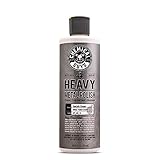
Overview:
Chemical Guys Heavy Metal Polish is a professional-grade 16-ounce liquid solution engineered for comprehensive metal care. This heavy-duty formula cleans, restores, and protects chrome, aluminum, stainless steel, brass, silver, and more across automotive, motorcycle, RV, and marine applications. Designed for serious detailers, it removes severe oxidation while depositing a protective sealant that maintains the restored finish over extended periods.
What Makes It Stand Out:
The dual-action approach of aggressive cleaning combined with protective sealing distinguishes this product. It doesn’t just remove tarnish—it leaves behind a durable barrier resisting future oxidation and grime buildup. The generous 16-ounce size caters to professionals and multi-vehicle owners, while the Chemical Guys brand assures professional detailing quality and consistency across their product line.
Value for Money:
At $1.25 per ounce, this offers the best volume pricing among reviewed products. The large quantity combined with protective properties means fewer applications and better coverage for fleet maintenance. For professional detailers or serious enthusiasts maintaining multiple vehicles, the cost-per-use is exceptionally low, making it the most economical professional-grade option available.
Strengths and Weaknesses:
Pros include outstanding value per ounce, protective sealant technology, professional-grade cleaning power, large economical size, and versatile automotive/marine applications. The liquid formula works efficiently on extensive surfaces like railings and trim. Cons include potential waste if product dries before full use, possible overkill for occasional household tasks, and liquid format being less portable than small tubes for on-the-go detailing.
Bottom Line:
The smart choice for professionals and frequent users who need maximum product at minimum cost. The protective seal adds long-term value beyond basic cleaning, making it ideal for maintaining multiple vehicles or marine equipment.
5. Autosol - Edel-Chromglanz 75ml Metal Polish Metallpolitur

Overview:
Autosol Edel-Chromglanz is a premium German-engineered metal polish in a compact 75ml (2.5-ounce) tube. This concentrated paste formula cleans, polishes, protects, and removes rust from all metal parts including chrome, brass, and copper. Specifically noted for marine applications like boat fittings, it delivers brilliant shine with lasting weather protection in harsh environments where salt, moisture, and UV exposure rapidly degrade unprotected metals.
What Makes It Stand Out:
German manufacturing quality and specific marine-focused protection set Autosol apart from generic polishes. The formulation creates a durable weather-resistant barrier ideal for coastal and boating applications. Its international reputation among classic car collectors and marine professionals speaks to its premium performance credentials and ability to maintain valuable equipment in corrosive conditions.
Value for Money:
At $3.67 per ounce, Autosol sits in the mid-high range. The small tube concentrates on quality over quantity, making it economical for targeted applications rather than broad surface polishing. For boat owners or those in corrosive environments, the protection level justifies the premium over budget options, potentially preventing costly metal replacement and reducing maintenance frequency.
Strengths and Weaknesses:
Pros include exceptional weather protection, concentrated paste efficiency, German quality standards, proven marine performance, and effective rust removal capabilities. The small tube maintains product freshness and portability. Cons include limited quantity for large projects, highest total cost for small-scale users, metric sizing that may confuse American consumers, and premium pricing that exceeds casual household needs.
Bottom Line:
Ideal for marine enthusiasts, classic car collectors, and anyone prioritizing maximum protection in harsh conditions. The premium delivers specialized performance where generic polishes fail to provide adequate defense.
6. Blue Magic 400 Metal Polish Cream Non-Abrasive Tarnish and Oxidation Remover for Chrome, Aluminium, Brass, Copper, Sterling Silver and Stainless Steel, 7 oz., Pack of 1

Overview: Blue Magic 400 Metal Polish Cream offers a non-abrasive solution for restoring brilliance to chrome, aluminum, brass, copper, sterling silver, and stainless steel. This 7-ounce container provides a versatile option for both automotive and household metal care, effectively removing tarnish and oxidation while preserving surface integrity.
What Makes It Stand Out: The non-abrasive formula distinguishes it from harsher alternatives, making it safe for delicate surfaces and frequent use. Its proprietary blend removes oxidation chemically rather than through scraping, while the built-in protective coating feature creates a lasting barrier against future tarnish, significantly extending the time between applications.
Value for Money: Priced at $9.99 ($1.43 per ounce), this product sits in the mid-range category. While you can find cheaper options, the protective coating reduces application frequency, offering better long-term value. For moderate users tackling multiple metal types, this single-product versatility eliminates the need for specialized polishes.
Strengths and Weaknesses: Strengths include its gentle yet effective cleaning action, broad metal compatibility, and protective finish that repels future oxidation. The cream consistency allows precise application. Weaknesses include the relatively small 7-ounce size for extensive projects, potential drying if not sealed properly, and it may require repeated applications for heavily corroded surfaces.
Bottom Line: An excellent choice for homeowners and car enthusiasts seeking a safe, all-in-one metal polish. Best for moderate maintenance rather than heavy restoration projects.
7. Mothers Mag & Aluminum Polish, 5 oz. — Brilliant Shine, Easy to Use, For All Uncoated & Unplated Metals Including Aluminum Wheels, Stainless Steel Trim and Exhaust Tips, Brass & More (05100)
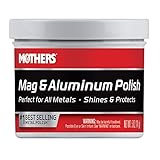
Overview: Mothers Mag & Aluminum Polish represents a legacy brand in automotive care, delivering a 5-ounce solution specifically formulated for uncoated and unplated metals. This versatile polish excels on aluminum wheels, stainless steel trim, exhaust tips, brass, and copper, making it a staple in many garages.
What Makes It Stand Out: Decades of proven performance and brand trust set this apart. The gentle formulation permits regular use without risking surface damage, while its cumulative benefits improve metal condition over time. The simple application—just a clean cloth and elbow grease—democratizes professional-quality results for any skill level.
Value for Money: At $5.80 ($1.16 per ounce), this is the most accessible premium polish available. The low initial investment is perfect for testing quality results without commitment. For routine maintenance, the exceptional cost-per-use ratio makes it economical for ongoing vehicle care programs.
Strengths and Weaknesses: Strengths include unbeatable affordability, legendary brand reliability, gentle action for frequent use, and portability. The formula effectively maintains and improves metal appearance over time. Weaknesses include the small 5-ounce size limiting large-project viability, requiring more physical effort on severe oxidation, and absence of explicit protective coating claims found in competing products.
Bottom Line: An outstanding entry-level polish for budget-minded enthusiasts and professionals. Ideal for regular automotive maintenance and those seeking proven performance without premium pricing.
8. Blue Magic 500-06 Metal Polish Cream Non-Abrasive Tarnish and Oxidation Remover for Chrome, Aluminium, Brass, Copper, Sterling Silver and Stainless Steel, 19.25 oz., Pack of 1
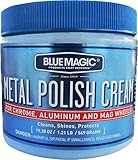
Overview: Blue Magic 500-06 scales up the popular 400 formula to a substantial 19.25-ounce container, delivering non-abrasive metal polishing power for extensive projects. This bulk size addresses the needs of serious automotive enthusiasts, professional detailers, and restorers working across chrome, aluminum, brass, copper, sterling silver, stainless steel, and gold surfaces.
What Makes It Stand Out: The impressive volume paired with the proven non-abrasive chemistry creates a professional-grade solution. Its oxidation-removing action works chemically rather than mechanically, preserving metal integrity while the integrated protective coating significantly extends intervals between applications—a crucial benefit for large-scale users.
Value for Money: At $13.49 for 19.25 ounces, the per-ounce cost plummets to approximately $0.70, representing exceptional savings over the smaller version. For professionals and frequent users, this bulk purchase eliminates repeated ordering and ensures product consistency across extensive jobs, delivering true economy of scale.
Strengths and Weaknesses: Strengths include outstanding volume value, versatile surface compatibility, durable protective finish, and professional suitability. The cream formula allows precise, controlled application. Weaknesses involve risk of product drying if not properly sealed, substantial storage requirements, and higher upfront cost that may discourage occasional users. The mysterious Catalina Island prohibition remains unexplained.
Bottom Line: An economical powerhouse for regular users and professionals. The bulk format makes financial sense for anyone with frequent or large-scale metal polishing needs.
9. Eagle One Car Polish, Nevr-Dull Wadding Metal Polish, 5 Oz

Overview: Eagle One Nevr-Dull Wadding Metal Polish presents a unique, traditional approach through its cotton wadding saturated with polishing compound. This 5-ounce can delivers effective metal restoration for cars, motorcycles, boats, and RVs, removing rust, corrosion, and tar while delivering impressive shine without messy deposits.
What Makes It Stand Out: The innovative wadding format eliminates drips, spills, and the need for separate applicators. This self-contained system allows precise, controlled application directly from the can, making it exceptionally clean and portable. Its ability to tackle multiple contaminants beyond just tarnish—specifically rust and tar—broadens its utility beyond typical metal polishes.
Value for Money: At $7.39 ($1.48 per ounce), Nevr-Dull sits in the competitive mid-range. The no-waste application and included applicator provide hidden savings. For intermittent users, the sealed can prevents drying, ensuring the entire product remains usable for years, unlike creams that can harden.
Strengths and Weaknesses: Strengths include spill-proof wadding design, portability, multi-contaminant removal, and minimal cleanup. The format excels for spot treatments and touch-ups. Weaknesses involve wadding becoming saturated and less effective over time, making it inefficient for large surface areas. The traditional format may seem dated, and heavy oxidation requires significant manual effort.
Bottom Line: An excellent choice for convenience-focused users and those needing portable metal care. Perfect for maintenance kits, travel, and targeted applications where mess-free operation is paramount.
10. 3D Metal Polish – Heavy Duty Car Metal Polish for Aluminum, Chrome, Brass, Copper, Silver – Removes Oxidation, Tarnish & Stains – 16oz – Made in USA

Overview: 3D Metal Polish represents the pinnacle of modern metal care technology in a 16-ounce professional-grade package. This heavy-duty formula targets aluminum, chrome, brass, copper, and silver, utilizing advanced chemistry to eliminate oxidation, tarnish, and stains while delivering a flawless mirror finish without abrasive damage.
What Makes It Stand Out: The proprietary formula abandons old-school abrasives for smart detailing science, breaking down oxidation chemically to preserve metal integrity. This approach eliminates the risk of micro-scratches and haze that plague traditional polishes. Manufactured in the USA with 25+ years of innovation, it offers dual application methods—hand or polisher—for versatility across projects from custom wheels to delicate jewelry.
Value for Money: At $19.99 ($1.25 per ounce), the premium pricing reflects professional-grade performance. While the highest total cost here, the per-ounce rate remains competitive for a specialty product. For serious enthusiasts and professionals, the reduced labor time and superior finish quality translate to tangible value, preventing costly rework.
Strengths and Weaknesses: Strengths include revolutionary non-abrasive chemistry, exceptional mirror-like results, zero harsh chemical odors, residue-free finish, and professional versatility. The 16-ounce quantity serves extensive needs. Weaknesses involve the substantial upfront investment that may intimidate casual users, requiring proper technique to maximize results, and potentially being excessive for simple maintenance tasks.
Bottom Line: The definitive choice for perfectionists and professionals. Justifies its premium through superior technology, safety, and results that surpass traditional polishes.
Understanding Metal Polishes and Waxes for Automotive Use
Metal polishes and waxes serve distinct but complementary purposes in automotive detailing. Polishes contain microscopic abrasives or chemical agents that remove oxidation, stains, and fine scratches from metal surfaces. Waxes create a protective barrier that seals the polished finish while enhancing depth and reflectivity. Think of polish as the sculptor that reveals the beauty beneath, and wax as the museum glass that preserves it.
The Chemistry Behind Metal Polishing
At the molecular level, metal polishing works through controlled abrasion or chemical reduction. Abrasive polishes use aluminum oxide, cerium oxide, or diminishing abrasives that break down into smaller particles as you work them. This progressive refinement creates an increasingly smoother surface. Chemical polishes rely on mild acids or alkaline agents that dissolve surface corrosion without physical scrubbing. The most advanced formulas combine both approaches, using chemical action to soften oxidation before mechanical abrasives sweep it away.
Differentiating Polishes, Waxes, and Sealants
The terminology confuses many enthusiasts. Polishes correct; waxes protect. A polish will remove material to improve appearance, while a wax adds a sacrificial layer. Sealants are synthetic polymers that bond to the surface, offering longer protection than traditional waxes but often sacrificing the warm glow that natural waxes provide. For metal surfaces, this distinction matters because metal expands and contracts more dramatically than paint, requiring products specifically formulated to accommodate thermal cycling.
Why Your Car’s Metal Surfaces Deserve Special Attention
Your vehicle’s metal components face unique challenges that painted surfaces don’t. Chrome trim endures constant exposure to road salts, brake dust, and UV radiation. Aluminum wheels battle corrosive brake pad material and acidic wheel cleaners. Stainless steel exhaust tips collect carbon buildup and heat discoloration. These surfaces aren’t protected by clear coats in the same way modern paint is, making them more vulnerable to environmental assault.
Beyond the Paint: Identifying Metal Components
Before reaching for any product, inventory your vehicle’s metal surfaces. Chrome bumpers and grilles, aluminum or alloy wheels, stainless steel trim pieces, exhaust tips, door handles, and mirror housings each require specific approaches. Magnesium wheels demand different care than chrome-plated steel. Raw aluminum behaves differently than clear-coated alloys. Misidentifying these materials leads to disastrous results—imagine using an aggressive chrome polish on anodized aluminum.
The Hidden Cost of Neglected Metal
Oxidation doesn’t just look bad; it’s a progressive disease. Once it penetrates beyond the surface layer, restoration becomes exponentially more difficult. Pitted chrome requires rechroming, not just polishing. Severely corroded aluminum wheels can develop structural weaknesses. The financial math is stark: a $30 bottle of quality metal polish and wax used quarterly prevents damage that could cost thousands in replacement parts. Regular maintenance preserves both aesthetics and value.
Types of Metal Polishes: A Comprehensive Breakdown
Not all metal polishes belong in your garage. The wrong formula for your specific need either wastes your time or damages your finish. Understanding the three primary categories helps you match the tool to the task.
Abrasive Polishes: Cutting Through Oxidation
Abrasive polishes range from heavy-cut compounds that remove substantial oxidation to fine finishing polishes that create mirror reflections. The cutting ability depends on abrasive size, shape, and hardness. For automotive use, look for diminishing abrasives that start aggressive but break down into finer particles with extended work time. This single-step progression saves time while reducing the risk of installing new scratches. Always work from least aggressive to most aggressive—test in an inconspicuous area first.
Chemical Polishes: Dissolving Corrosion
Chemical polishes excel on delicate surfaces or intricate designs where physical abrasion proves difficult. These formulas use chelating agents that bind to metal oxides, lifting them away without scratching. They’re ideal for chrome-plated surfaces, anodized aluminum, or textured metal finishes. The downside? They work slower and may require multiple applications for severe oxidation. Never let chemical polishes dry on the surface—they can create new stains that are harder to remove than the original problem.
All-in-One Formulations: The Hybrid Approach
Modern chemistry delivers polishes that combine gentle abrasives with chemical cleaners, offering one-step convenience for maintenance detailing. These products remove light oxidation while laying down protective oils, making them perfect for monthly upkeep. However, they compromise on both cutting ability and longevity of protection. Think of them as the Swiss Army knife—versatile but not specialized. For show-quality results, dedicated polishes and separate protection still reign supreme.
Automotive Waxes: More Than Just Shine
Wax technology has evolved far beyond the paste wax your grandfather used. Today’s formulations offer varying levels of durability, ease of application, and visual characteristics. The wax you choose dramatically impacts how long your polished metal stays pristine.
Natural Carnauba Waxes
Derived from Brazilian palm leaves, carnauba wax creates unmatched depth and warmth on metal surfaces. Its natural oils fill microscopic imperfections, creating that liquid-metal appearance judges love at car shows. The downside? Pure carnauba melts at 180°F, making it vulnerable on wheels and exhaust components. Blended formulations with synthetic polymers improve heat resistance while retaining visual benefits. For garage-kept show cars, carnauba remains the gold standard.
Synthetic Polymer Waxes
Synthetic waxes (often called sealants) use man-made polymers that cross-link to form a durable, heat-resistant barrier. These products last 3-6 months on daily drivers, resisting detergents and environmental contaminants far better than natural waxes. They produce a sharper, more reflective shine rather than the warm glow of carnauba. For metal surfaces that see regular driving—especially wheels and exhaust tips—synthetics provide superior practical protection.
Ceramic-Infused Wax Technology
The latest innovation blends traditional waxes with SiO2 (silicon dioxide) ceramic technology. These hybrid products offer the application ease of waxes with the durability and hydrophobic properties of ceramic coatings. On metal surfaces, they create a slick barrier that repels brake dust and water spots while withstanding temperatures exceeding 500°F. They’re not true ceramic coatings, but they bridge the gap beautifully for enthusiasts wanting better performance without professional application complexity.
Key Factors to Consider When Choosing a Metal Polish
Selecting the right polish requires honest assessment of your situation. The perfect polish for a concours-ready trailer queen differs dramatically from what your daily driver’s wheels need.
Assessing Metal Type and Condition
Raw, uncoated aluminum demands aggressive cutting compounds to remove heavy oxidation. Chrome-plated surfaces need gentle, non-abrasive chemical polishes that won’t penetrate the thin plating. Clear-coated wheels require paint-safe products, not metal polishes. Stainless steel exhaust tips need heat-resistant formulations. Document your surfaces: create a simple map of your vehicle’s metal components and their finishes before shopping.
Understanding Abrasive Levels
Polish abrasiveness spans a spectrum from 1000-grit equivalent cutting compounds to 10,000-grit finishing polishes. Start with the finest polish that might work—you can always step up aggressiveness. Aggressive compounds remove material quickly but leave micro-scratches requiring multiple refinement steps. For most automotive metal, a medium-cut polish followed by a fine finishing polish delivers optimal results without excessive labor.
Environmental Considerations
If you live in coastal areas with salt air, prioritize polishes with corrosion inhibitors that leave protective residues. Desert dwellers need products that won’t flash-dry in extreme heat. Cold climates demand polishes that remain workable at low temperatures. Consider where and how you’ll use the product, not just what you’re polishing.
Key Factors to Consider When Choosing a Wax
Your wax choice determines how frequently you’ll repeat the process. Durability, appearance, and application difficulty trade off against each other—there’s no perfect wax, only the right wax for your priorities.
Durability Expectations
Be realistic about your commitment level. Show car owners who enjoy monthly detailing sessions can prioritize appearance over longevity. Daily drivers need 3-6 month protection minimum. Consider your local climate too: harsh winters with road salt demand more durable protection than mild, dry climates. Track your results: note application date and monitor when water beading diminishes to learn what works in your environment.
Climate and Storage Conditions
Garage-kept vehicles can use softer, more aesthetic waxes since they face less environmental stress. Outdoor vehicles need robust synthetic polymers that resist UV degradation and acid rain. If your car sees both conditions, consider a layered approach: durable synthetic base coat with carnauba topper for special occasions. This hybrid strategy maximizes both protection and appearance.
Application Method Preferences
Paste waxes offer control and traditional satisfaction but require more physical effort. Liquid waxes spread quickly, ideal for large surfaces like bumpers. Spray waxes work wonderfully for maintenance between full applications. Choose based on your available time and physical capability. For intricate metalwork with tight crevices, liquid or spray formulas prevent buildup in hard-to-reach areas where paste wax becomes difficult to remove.
The Science of Metal Preparation
Even the finest polish can’t compensate for poor preparation. Metal surfaces trap contaminants differently than paint, requiring specialized approaches.
Proper Cleaning and Decontamination
Start with a dedicated wheel and metal cleaner that removes brake dust, tar, and embedded iron particles. Use an iron fallout remover—even if you can’t see the contamination, it’s there. For heavily soiled surfaces, a clay bar designed for metal (firmer grade than paint clay) pulls out embedded debris. Never polish dirty metal; you’re just grinding contaminants deeper, creating more scratches. The goal is surgically clean metal before your polish touches the surface.
Paint Correction vs. Metal Polishing
The principles overlap but execution differs. Paint has a thick clear coat buffer; metal surfaces are often direct. On plated surfaces, you risk polishing through the plating. On raw metal, you can remove significant material. Always use paint correction techniques—cross-hatch patterns, minimal pressure, frequent pad cleaning—but with metal-specific products and heightened caution. The stakes are higher because mistakes are less forgiving.
Application Techniques for Professional Results
Technique trumps product quality every time. A $50 polish applied poorly looks worse than a $15 polish applied with expert technique. Master these fundamentals before chasing expensive products.
Hand Application Methods
For hand polishing, use dedicated microfiber applicators with short, dense nap. Apply products sparingly—metal polishes work best with minimal product and maximum friction. Use straight-line motions, not circular, to avoid creating swirl patterns. Work in 12x12 inch sections, completing each area fully before moving on. Keep a clean microfiber towel in your other hand to wipe away residue immediately after polishing, before it dries and becomes difficult to remove.
Machine Polishing Strategies
Dual-action polishers with 3-inch backing plates excel on metal trim and wheels. Use foam pads specifically designed for metal—firmer than paint pads but softer than heavy-cutting compounds. Run the machine at lower speeds (speed 3-4) to prevent sling and maintain control. Keep the pad flat and move slowly, allowing the polish to break down completely. On intricate pieces, consider rotary tools with felt bobs for tight spots, but practice on scrap metal first—rotary tools generate significant heat quickly.
Temperature and Humidity Considerations
Polish in the shade with surface temperatures between 60-80°F. Metal conducts heat rapidly, and hot surfaces cause polishes to flash-dry, reducing working time and increasing staining risk. High humidity extends drying times, which helps with chemical polishes but complicates residue removal. In cold weather, warm your products indoors first—cold polish becomes thick and difficult to spread evenly. Never polish metal in direct sunlight; the rapid temperature changes cause uneven results.
Common Mistakes That Ruin Your Finish
Even experienced detailers make these errors on metal surfaces. Awareness prevents the heartbreak of damaged finishes.
Over-Polishing: The Thin Line
Chrome plating measures just millionths of an inch thick. Aggressive polishing removes plating, exposing the base metal beneath—a mistake you can’t reverse. On raw aluminum, over-polishing creates dips and waves that catch light unevenly. Limit yourself to 3-4 passes per section. If the defect remains, switch to a slightly more aggressive polish rather than extending polishing time. Document your work with photos to track progress and prevent repeating the same areas.
Cross-Contamination Between Surfaces
Using the same applicator pad on chrome wheels and aluminum trim transfers chrome residue onto aluminum, creating stains that are nearly impossible to remove. Color-code your pads: blue for chrome, yellow for aluminum, red for stainless steel. Never use metal polish applicators on paint, even after washing—they retain abrasive particles that will mar clear coats. Keep separate microfiber towels exclusively for metal work, stored in sealed bags to prevent dust contamination.
Ignoring Manufacturer Guidelines
That “for metal only” warning exists for a reason. Some polishes contain ammonia that damages certain alloys. Others have petroleum distillates that degrade rubber trim. Read the entire label, including the fine print. Check the product’s website for compatibility charts. When in doubt, test on a hidden area like the backside of a wheel spoke. The five-minute test saves five hours of correction work.
Protecting Your Work: Maintenance Strategies
Polishing creates a perfect finish; maintenance preserves it. Without proper care, your hard work deteriorates within weeks.
Washing Techniques for Waxed Metal
Use pH-neutral car shampoo, never dish soap or harsh wheel cleaners that strip wax. Wash metal surfaces first while your wash water is cleanest. Employ the two-bucket method with grit guards, and use a separate wash mitt for metal versus paint. Dry immediately with a clean microfiber towel—water spots etch into polished metal faster than paint. For wheels, consider a dedicated wheel wash mitt that never touches the body.
Reapplication Schedules
Track your protection with simple water tests. When water stops beading and begins sheeting, it’s time to reapply. On daily drivers, expect 4-6 weeks for carnauba, 3-4 months for synthetics, and 5-6 months for ceramic-infused waxes. Show cars that are wiped down after each viewing need less frequent reapplication. Create a maintenance log: date, product used, surfaces treated, and when water behavior changes.
Touch-Up Solutions
For minor water spots or light dust between full details, keep a quick detailer spray compatible with your wax type. Spray onto a microfiber towel, not directly on the metal, to avoid overspray on adjacent paint. For spot correction of new oxidation, use a microfiber cloth with a dab of fine polish, working gently before reapplying wax to that area. Address problems immediately—oxidation spreads like rust, and early intervention prevents major work later.
Professional Tips for Showroom-Worthy Results
These pro secrets separate good results from jaw-dropping finishes that win trophies.
The Two-Towel Method
Always use two towels when removing polish or wax residue: one damp with quick detailer, one dry. The damp towel lifts and emulsifies residue, while the dry towel buffs to a streak-free shine. This method prevents smearing and reduces the elbow grease needed. Fold each towel into quarters, creating eight clean surfaces. Rotate to a fresh section frequently—using the same towel surface repeatedly just redistributes residue.
Working in Small Sections
Metal surfaces heat up and cool down faster than paint, making section work critical. Polish and wax one wheel spoke at a time, or a 6-inch section of bumper. This approach maintains consistent working time and prevents product from drying before you can buff it off. On large flat surfaces like truck bumpers, use painter’s tape to divide the area visually. Complete each section fully before moving on—partially polished areas create visible overlap marks.
Lighting Tricks for Inspection
Your garage lighting lies to you. Use a single-bulb LED work light held at a low angle to reveal scratches and haze—this raking light exaggerates surface imperfections. For final inspection, use broad daylight-spectrum lighting to evaluate overall appearance. Check your work from multiple angles; metal reflects differently than paint. Photograph your results with your phone’s flash on—flashes reveal haze that naked eyes miss.
Safety and Environmental Best Practices
Metal polishes and waxes contain chemicals that demand respect. Shortcuts create health hazards and environmental damage.
Ventilation and Respiratory Protection
Many metal polishes release ammonia or petroleum vapors. Work in well-ventilated areas with exhaust fans moving air away from you. Wear a NIOSH-approved respirator with organic vapor cartridges, not just a dust mask. Even “odorless” products contain solvents that cause cumulative health effects. If you can smell the product, your ventilation is inadequate. Take fresh air breaks every 30 minutes.
Proper Disposal of Chemicals
Never pour leftover polish or rinse water down household drains. Contain used products in sealed containers and take them to hazardous waste collection facilities. Soiled applicator pads and towels also require special disposal—they’re saturated with heavy metals from oxidation and chemical residues. One bottle of polish contaminates hundreds of gallons of water if disposed improperly. Check local regulations; many areas classify these materials as hazardous waste.
Skin Protection Measures
Wear nitrile gloves, not latex—many polish solvents degrade latex, exposing your skin. Long sleeves protect arms from splatter. If product contacts skin, wash immediately with soap and water; don’t wait until you’re finished. Some metal polishes contain chemicals that penetrate skin and enter the bloodstream. Barrier creams applied before work provide an extra protection layer. Keep a bottle of hand cleaner and a towel separate from your detailing supplies for immediate cleanup.
Troubleshooting Common Issues
Even perfect technique encounters problems. Knowing solutions saves projects from disaster.
Dealing with Stubborn Oxidation
When standard polishing fails, step back. Soak the area with a dedicated metal deoxidizer for 10-15 minutes before polishing. For cast aluminum wheels, a dilute solution of citric acid (5% concentration) can dissolve deep oxidation, but neutralize immediately with baking soda solution afterward. Never use steel wool, even 0000 grade—it embeds steel particles that rust. Instead, use bronze wool for aggressive mechanical cleaning without cross-contamination.
Addressing Holograms and Swirl Marks
Holograms on metal typically come from machine polishing at too high speed or using a dirty pad. Remove them by re-polishing with a fine polish at low speed, using a clean finishing pad and minimal pressure. For hand-polished swirl marks, you’ve used too much product or too coarse a polish. Switch to a finer polish and a fresh applicator, working in smaller sections with less pressure. Metal shows defects more dramatically than paint—perfection requires patience.
When to Seek Professional Help
If you’ve polished the same area five times and the defect remains, stop. You may be dealing with plating failure or deep pitting that requires professional restoration. Chrome plating that’s turned rainbow colors indicates the plating is compromised. Severely pitted aluminum may need machining. Professional metal restoration shops have equipment and expertise that justify their cost when facing these issues. Attempting to fix structural metal problems with polish is like trying to paint over rust—it just hides the issue temporarily.
The Future of Metal Care Technology
The detailing industry evolves rapidly, with metal care seeing exciting innovations that promise better results with less effort.
Emerging Formulations
Nanotechnology is entering metal care, with products containing nano-abrasives that work at the molecular level. These formulations remove less material while achieving better clarity, crucial for thin-plated modern components. pH-neutral polishes that work through enzymatic action are in development, promising effective cleaning without harsh chemicals. Water-based formulas reduce VOC emissions while maintaining performance, addressing environmental regulations.
Eco-Friendly Innovations
Biodegradable metal polishes using plant-derived solvents are hitting the market, though they currently trade some performance for environmental benefits. Refillable concentrate systems reduce packaging waste—just add water at home. Some companies now offer take-back programs for used containers and contaminated materials. As regulations tighten, these green options will become mainstream rather than niche.
Frequently Asked Questions
How often should I polish my car’s metal surfaces?
Polish only when necessary—typically every 6-12 months for daily drivers. Over-polishing removes protective layers and thins plating. Instead, maintain surfaces with regular washing and quarterly wax reapplication. Polish when you notice oxidation that washing can’t remove, or when water stops beading despite fresh wax.
Can I use the same polish on chrome, aluminum, and stainless steel?
No. Chrome needs non-abrasive chemical polishes. Aluminum requires abrasive compounds that cut oxidation. Stainless steel tolerates more aggressive polishing but needs heat-resistant protection. Using chrome polish on aluminum does nothing; using aluminum polish on chrome removes plating. Always match the product to the specific metal type.
What’s the difference between metal polish and metal wax?
Polish corrects imperfections by removing oxidation and fine scratches. Wax protects the polished surface and enhances shine. You must polish first, then wax. Wax alone over oxidation just seals in the dullness. Polish without wax leaves the raw metal vulnerable to immediate re-oxidation.
How long does metal wax protection typically last?
Carnauba wax lasts 4-6 weeks on daily-driven vehicles. Synthetic polymer waxes provide 3-4 months of protection. Ceramic-infused waxes extend to 5-6 months. However, wheels and exhaust components see harsher conditions, reducing longevity by 30-50%. Reapply when water stops beading on the surface.
Is machine polishing safe for all automotive metals?
Machine polishing is safe when done correctly with appropriate products and pads. However, chrome plating requires extreme caution—use only dual-action polishers at low speed with finishing pads. Raw aluminum can handle more aggression but risks removing too much material. Always start with hand polishing on valuable or uncertain surfaces to assess the metal’s condition.
Why does my polished metal look hazy after waxing?
Haze results from incomplete buffing or wax applied too thickly. Remove with a damp microfiber towel followed by a dry one. If haze persists, you may have waxed over uncleaned polish residue. Strip the wax with isopropyl alcohol and reapply to properly cleaned metal. Work in smaller sections to prevent premature drying.
Can I polish metal surfaces in direct sunlight?
Never polish metal in direct sun. Metal surfaces heat rapidly, causing polishes to dry instantly and potentially stain. The temperature differential between sunlit and shaded areas creates uneven results. Always work in shade with surface temperatures below 80°F for consistent, controllable results.
What’s the best way to remove water spots from polished metal?
Act immediately. Fresh water spots often wipe away with a damp microfiber cloth. Etched spots require light polishing with a fine metal polish. For stubborn spots, soak a cloth in white vinegar (5% acidity) and lay it over the spot for 2-3 minutes before polishing. Always re-wax the area afterward, as any cleaning removes protection.
Are metal polishes and waxes safe for clear-coated wheels?
No. Clear-coated wheels need paint-safe products, not metal polishes. Metal polishes contain abrasives that damage clear coat. Use paint correction polishes and waxes designed for automotive finishes. If you’re unsure whether your wheels are clear-coated, test in a hidden area—if the polish turns black, it’s raw metal; if it stays clean, it’s likely coated.
How do I know when chrome plating is too far gone for polishing?
If chrome shows rainbow discoloration, copper-colored patches, or rough pitting that doesn’t improve after two polishing attempts, the plating is compromised. Polishing can’t fix plating failure—it just removes more material. At this stage, professional rechroming is the only solution. Continuing to polish actively worsens the damage.