That pristine, mirror-like finish on your vehicle doesn’t happen by accident—it’s the result of meticulous technique and the right tools working in harmony. Every time you dip your wash mitt into a bucket, you’re potentially introducing microscopic abrasive particles back onto your paint, creating swirl marks that diminish your car’s appearance. This is where grit guards revolutionize your car washing routine, acting as a silent sentinel that traps contaminants at the bottom of your bucket and keeps them far away from your precious clear coat.
Understanding how these simple yet ingenious devices function transforms you from a casual washer into a paint preservation specialist. Whether you’re a weekend warrior passionate about maintaining your weekend ride or a mobile detailer protecting client investments, the science behind grit guard selection and implementation directly impacts your results. This comprehensive guide dives deep into the mechanics, materials, and methodologies that separate effective grit guards from disappointing imposters, ensuring your next wash enhances rather than degrades your vehicle’s finish.
Top 10 Grit Guard
Detailed Product Reviews
1. Grit Guard The Original Red Bucket Insert - 10" Diameter Car Wash Bucket for Car Washing, Detailing Compatible with 3.5, 4, 5 and 6 Gallon Buckets

Overview: The Grit Guard Original Red Bucket Insert is the pioneering solution that revolutionized safe car washing. This 10-inch diameter insert sits at the bottom of your wash bucket, creating a barrier between your mitt and harmful contaminants. Compatible with 3.5 to 6-gallon buckets, it’s the foundation of the two-bucket wash method trusted by professionals and enthusiasts alike.
What Makes It Stand Out: As the original inventor, Grit Guard’s radial surface design effectively extracts dirt, grit, and grime from your wash mitt with each pass. The simple yet ingenious design creates nearly 3 inches of clearance, ensuring cleaning tools never contact the debris-laden bottom. Its proven track record spans over a decade, making it the benchmark against which competitors are measured.
Value for Money: At $9.99, this insert delivers professional-grade paint protection for less than a premium car wax. While basic compared to newer designs, it accomplishes its core mission flawlessly. Universal fit across multiple bucket sizes adds versatility that cheaper knockoffs lack, making it a smart long-term investment for any detailer.
Strengths and Weaknesses: Pros include proven effectiveness, durable construction, wide bucket compatibility (3.5-6 gallons), and brand reputation. The radial fins genuinely trap debris better than flat designs. Cons are minimal: the basic design lacks advanced features like scrubbing cones, and the bright red color may not suit everyone’s aesthetic. It requires deliberate mitt agitation to work effectively.
Bottom Line: For those seeking reliable, no-frills paint protection, the original Grit Guard remains a top contender. It’s an essential tool for anyone serious about maintaining their vehicle’s finish without unnecessary complexity.
2. Chemical Guys Cyclone Dirt Trap Car Wash Bucket Insert - 12 in Black Filter Removes Dirt and Debris While You Wash, Helps Prevent Scratches, Perfect for Cars, Trucks, SUVs, RVs, and Motorcycles

Overview: The Chemical Guys Cyclone Dirt Trap brings innovation to the bucket insert category with distinctive cone-shaped scrubbing channels. This 12-inch black insert fits standard 3.5 to 5-gallon buckets and promises enhanced debris removal through cyclonic action. As a brand synonymous with car care, Chemical Guys aims to improve upon the original design.
What Makes It Stand Out: Hundreds of cyclone scrubbing cones create aggressive cleaning action against your wash mitt, theoretically dislodging more contaminants than traditional radial fins. The black color hides dirt better, and the design actively funnels particles downward. Chemical Guys’ marketing prowess ensures wide availability and strong customer support for enthusiasts nationwide.
Value for Money: Priced at $10.99, it’s only a dollar more than the original Grit Guard but offers a potentially more effective cleaning mechanism. For frequent washers, this slight premium could translate to measurably better paint protection. However, the performance gap may be marginal for casual users who don’t wash weekly.
Strengths and Weaknesses: Pros include the innovative cone design, professional appearance, trusted brand name, and effective debris separation. The 12-inch diameter provides a larger cleaning surface. Cons include limited 5-gallon maximum capacity (unlike Grit Guard’s 6-gallon fit), and aggressive cones may cause premature wear on delicate mitts. Some users report minimal practical difference from simpler designs.
Bottom Line: The Cyclone Dirt Trap is an excellent choice for frequent washers seeking modern technology. It delivers solid performance with a contemporary twist, though the original remains equally effective for most casual users.
3. The Original Grit Guard Bucket Insert with Washboard Combo | Removes Dirt from Wash Mitt for Detailing | Car Wash Bucket Insert & Washboard | Black/Red

Overview: The Grit Guard Bucket Insert with Washboard Combo elevates the standard insert by adding a vertical cleaning surface. This premium package combines the proven radial base with an attached washboard, allowing you to scrub your mitt against a textured wall. At $22.95, it’s positioned as the professional’s choice for maximum contamination removal and versatility.
What Makes It Stand Out: The integrated washboard provides a secondary cleaning axis, letting you agitate mitts, brushes, and towels against vertical fins after dipping. This two-stage cleaning process removes stubborn particles more thoroughly than radial fins alone. Heavy-duty construction and multiple color options appeal to serious detailers who prioritize both function and workshop aesthetics.
Value for Money: This combo costs more than buying two standard inserts, making it a significant investment. For professional detailers or perfectionists who wash multiple vehicles weekly, the enhanced cleaning capability justifies the price. Casual users may find the standard insert sufficient. The versatility across vehicles, boats, and household chores helps offset the premium cost.
Strengths and Weaknesses: Pros: superior two-stage cleaning, accommodates long-handled brushes, robust build quality, and color customization. The washboard genuinely improves mitt cleaning efficiency. Cons: highest price point, bulky design may not fit all bucket types, and overkill for basic weekend washing. The added height could reduce usable bucket capacity by several inches.
Bottom Line: This combo is ideal for professionals and serious enthusiasts who demand the highest level of paint protection. For average car owners, the standard insert offers better value without sacrificing core functionality.
4. VIKING Automotive Bucket Insert Grit Traps for Car Wash and Detail Kits, Helps Remove Dirt and Debris from Microfiber, Mitts, Cloths, and Sponges, 2 Pack, Black
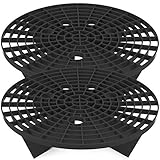
Overview: The VIKING Automotive Bucket Insert Grit Trap offers a compelling value proposition with two units for $17.99. This grid-style insert features five finger holes for easy handling and fits standard 3-5 gallon buckets. Designed for budget-conscious buyers, it provides essential two-bucket wash capability without premium pricing, making professional techniques accessible to everyone.
What Makes It Stand Out: Getting two inserts for less than the price of two premium singles is the primary draw. The finger holes demonstrate practical design thinking, allowing easy removal and drainage. The universal fit works with most wash buckets, and the twin-pack setup perfectly facilitates the two-bucket wash method (one for wash, one for rinse), which is crucial for scratch-free cleaning.
Value for Money: At effectively $9 per insert, this represents exceptional value. You’re getting functional grit guards for both buckets at a significant discount. While it may lack refined engineering, the core functionality—separating grit from your mitt—remains intact. It’s the most economical way to implement proper wash technique for home users.
Strengths and Weaknesses: Pros: unbeatable price for two, practical finger holes, instant two-bucket system setup, and adequate performance. The grid design still traps debris effectively. Cons: unknown long-term durability, less sophisticated debris separation than radial designs, and minimal brand recognition. The plastic may be thinner than premium alternatives and could warp over time.
Bottom Line: For budget-minded buyers or those setting up their first proper wash system, this 2-pack is unbeatable. It delivers essential paint protection at a fraction of the cost of premium alternatives.
5. Grit Guard The Original Black Bucket Insert - 10" Diameter Car Wash Bucket for Car Washing, Detailing Compatible with 3.5, 4, 5 and 6 Gallon Buckets

Overview: The Grit Guard Original Black Bucket Insert is functionally identical to the classic red version, offering the same trusted radial design in a more discreet color. This 10-inch insert fits 3.5 to 6-gallon buckets and provides the same professional-grade separation of contaminants from your wash mitt, just with a stealthier appearance that many detailers prefer.
What Makes It Stand Out: Beyond color, nothing distinguishes this from the original red model—which is precisely its appeal. The black finish hides staining and looks more professional in detailing setups. You get the same proven radial surface that created the category, with the same compatibility across a wide range of bucket sizes and cleaning tools.
Value for Money: At $9.99, it matches the red version’s pricing exactly. You’re not paying a premium for the color choice, which is commendable. The value proposition remains identical: solid paint protection for under ten dollars. For those who prefer black buckets or want a cleaner aesthetic, this delivers without upcharge, maintaining brand quality.
Strengths and Weaknesses: Pros: proven radial design, wide bucket compatibility (3.5-6 gallons), professional black appearance, same durability as the original. The color masks grime buildup. Cons: identical to the red version functionally, so you gain no performance advantage. The black color makes it harder to see if debris is accumulating. Still lacks advanced features of newer designs.
Bottom Line: Choose this over the red version purely on aesthetic preference. It delivers the same excellent performance and value in a more professional-looking package that integrates seamlessly with black detailing buckets.
6. 2 Pack 4-5 Gallon Car Wash Bucket Grit Trap Insert,Detailing Kit Accessories with Dirt & Debris Remover for Microfiber Mitts, Cloths, Sponges,Heavy Duty Grit Trap by X5MPLXPMX (Red)

Overview: The X5MPLXPMX 2-Pack Grit Trap Inserts deliver essential two-bucket wash protection with their universal 10.4-inch diameter design, fitting standard 4-5 gallon buckets. These red guards feature a sophisticated honeycomb pattern engineered to isolate abrasive particles from your wash mitts and microfiber cloths, preventing swirl marks and scratches during your detailing routine.
What Makes It Stand Out: The 297 honeycomb holes create an exceptionally effective barrier, while the premium construction materials set these apart. Built to withstand high temperatures, resist oil contamination, and eliminate static cling, these inserts offer durability that budget alternatives lack. The anti-static property is particularly valuable for preventing dust attraction during drying phases. The two-pack configuration allows dedicated use in both wash and rinse buckets.
Value for Money: At $11.88 for two units ($5.94 each), this package strikes an impressive balance between quality and affordability. The reusable, easy-to-clean design ensures years of service, while the robust material construction prevents cracking or deformation that plagues cheaper alternatives. For serious enthusiasts implementing the two-bucket method, this represents genuine long-term savings versus single-unit purchases.
Strengths and Weaknesses: Strengths include superior honeycomb filtration, premium heat and oil-resistant materials, anti-static properties, excellent two-pack value, and responsive 24-hour customer service. Weaknesses involve the relatively shallow 1.42-inch height limiting debris capacity, potential sizing issues with non-standard buckets, and a lesser-known brand name that may concern some buyers.
Bottom Line: These grit traps offer outstanding value for dedicated detailers who prioritize material quality and effective dirt isolation. The two-pack configuration and durable construction make them a smart investment for maintaining a swirl-free finish.
7. VIKING Automotive Bucket Insert Grit Trap for Car Wash and Detail Kits, Helps Remove Dirt and Debris from Microfiber, Mitts, Cloths, and Sponges, Blue
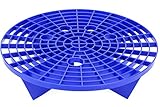
Overview: The VIKING Automotive Bucket Insert Grit Trap provides reliable protection for your vehicle’s finish with its straightforward grid-style design. This single blue insert fits universally across standard 3-5 gallon buckets, serving as a fundamental component in any car wash kit by trapping dirt and debris at the bottom of your bucket.
What Makes It Stand Out: VIKING’s reputation for practical automotive accessories shines through in the thoughtful five-finger hole design, allowing effortless insertion and removal without fumbling. The grid pattern effectively separates contaminants from cleaning tools, while the brand’s established presence in the car care market inspires confidence. Its simplicity is its strength—no complex features, just reliable performance.
Value for Money: Priced at $9.99 for a single unit, this insert sits in the mid-range category. The VIKING brand name carries weight in automotive circles, justifying a slight premium over generic alternatives. While not the cheapest option, the build quality and brand reliability ensure you won’t need replacements, making it cost-effective for casual to moderate users.
Strengths and Weaknesses: Strengths include the convenient five-finger grip holes, trusted brand reputation, universal 3-5 gallon compatibility, and proven grid-style functionality. Weaknesses are the single-unit packaging (requiring separate purchase for two-bucket method), basic grid design that may be less effective than honeycomb patterns, and limited color options for those wanting wash/rinse bucket differentiation.
Bottom Line: The VIKING Grit Trap is ideal for car owners seeking a dependable, brand-name solution without unnecessary frills. It’s perfect for casual washers who value proven reliability over advanced features.
8. SHMZK 2 PCS Car Wash Bucket Inserts, Auto Detail Dirt Gaurd Buckets Filter Helps Remove Dirt Debris, Dirt Guard Insert Wash Filter Fits 12 Inch Diameter Bucket or 3-5 Gallon Buckets (Black+Red)

Overview: The SHMZK 2-Pack Car Wash Bucket Inserts offer practical dirt filtration for budget-conscious detailers. These black and red guards measure 10.24 inches in diameter, fitting 12-inch buckets or standard 3-5 gallon capacities. The set provides immediate two-bucket method implementation with color-coded convenience.
What Makes It Stand Out: The dual-color packaging eliminates guesswork between wash and rinse buckets, while the five-hole grip design (four small, one large) ensures easy handling even with wet hands. Constructed from durable PP material, these inserts resist deformation and abrasion. Their versatility extends beyond automotive use to household cleaning tasks, maximizing utility.
Value for Money: At $9.99 for two units, this represents exceptional value—just $5 per insert. It’s the most economical option for implementing a proper two-bucket wash system. While the materials aren’t premium-grade, the waterproof and sturdy construction delivers reliable performance that rivals more expensive alternatives, making it perfect for beginners or occasional users.
Strengths and Weaknesses: Strengths include unbeatable two-pack pricing, color differentiation for systematic washing, durable PP construction, easy operation and maintenance, and multi-purpose versatility. Weaknesses involve basic material quality compared to high-end options, fewer filtration holes limiting debris capacity, and minimal brand recognition affecting long-term support confidence.
Bottom Line: SHMZK’s inserts are the go-to choice for value seekers wanting functional two-bucket protection without breaking the bank. The color-coded pair simplifies the washing process while delivering adequate scratch prevention.
9. Gasedin 2 PCS Car Wash Bucket Insert, Car Wash Grit Filter Trap Dirt Fits 12 Inches Diameter Bucket, Insert for Automotive Detailing and Cleaning, Car Accessories (Black+Red)

Overview: The Gasedin 2-Pack Car Wash Bucket Insert elevates dirt filtration with its innovative radial design. Measuring 10.24×10.24×2.36 inches, these black and red inserts fit most 12-inch diameter buckets. The engineered surface pattern and premium PP material construction target enthusiasts seeking advanced protection beyond basic grid guards.
What Makes It Stand Out: The radial filtration system features varying hole sizes that strategically capture different debris types, from fine grit to larger particles. The smooth, burr-free surface prevents snagging on microfiber mitts and cloths, while the impact-resistant PP material withstands aging and heavy use. The precise five-hole grip design demonstrates attention to user experience.
Value for Money: At $12.89 for two units ($6.45 each), this package commands a slight premium over budget alternatives. The investment is justified by the sophisticated radial filtration pattern and superior material durability. For enthusiasts who wash frequently, the extended lifespan and enhanced debris capture translate to genuine long-term value and superior paint protection.
Strengths and Weaknesses: Strengths include advanced radial filtration technology, high-impact PP material with aging resistance, smooth snag-free surface, thoughtful five-hole grip design, and two-pack convenience. Weaknesses are the highest price point among competitors, limited brand awareness, and the need for careful size verification before purchase.
Bottom Line: Gasedin’s inserts suit serious enthusiasts willing to pay a modest premium for advanced engineering. The radial filtration design offers measurably better debris isolation, making it worth the investment for protecting high-value paint finishes.
10. Chemical Guys DIRTTRAP02 Cyclone Dirt Trap Car Wash Bucket Insert Car Wash Filter Removes Dirt and Debris While You Wash (Red) 12" Diameter Great For Washing Cars, Trucks, SUVs, RVs & More

Overview: The Chemical Guys Cyclone Dirt Trap represents the gold standard in bucket filtration technology. This 12-inch red insert employs nearly 300 cyclonic funnels to create a one-way debris barrier, fitting standard buckets for cars, trucks, SUVs, and RVs. As the signature product from a leading car care brand, it combines proven engineering with professional-grade materials.
What Makes It Stand Out: The cyclonic funnel design actively forces dirt particles underneath the guard, preventing them from floating back into clean water. The textured underside acts as a one-way valve, while the rigid construction maintains shape under heavy use. Chemical Guys’ industry-leading reputation and extensive detailing knowledge base provide unmatched customer support and educational resources.
Value for Money: At $10.99 for a single unit, you pay a brand premium but receive validated technology used by professionals worldwide. The durable, reusable design ensures years of service, while the proven swirl-prevention performance protects your vehicle’s resale value. For those serious about car care, the cost is justified by results and brand ecosystem support.
Strengths and Weaknesses: Strengths include industry-leading cyclonic filtration, trusted brand reputation, extensive customer support network, durable long-lasting construction, and proven professional results. Weaknesses involve single-unit packaging requiring separate purchase for two-bucket method, premium pricing over generic alternatives, and paying for brand name recognition.
Bottom Line: The Chemical Guys Cyclone Dirt Trap is the definitive choice for enthusiasts who demand proven, professional-grade protection. Its superior engineering and brand backing make it worth every penny for protecting your vehicle’s finish.
Understanding Grit Guards: The Science Behind the Shield
A grit guard isn’t just a plastic insert—it’s a precisely engineered barrier that exploits fundamental physics to protect your paint. At its core, the device creates a quarantine zone for abrasive particles, preventing the cyclical contamination that turns routine washing into a paint-correction nightmare.
How Grit Guards Prevent Swirl Marks and Scratches
When you agitate your wash mitt against the guard’s surface, you’re activating a mechanical separation process. The textured fins or grids create turbulence that dislodges trapped dirt, grit, and brake dust from your mitt fibers. These contaminants, now heavier than the soapy water, sink through the guard’s openings and become trapped in the lower chamber. The key principle is simple: what goes down cannot come back up. Without this barrier, every dip of your mitt stirs up a contaminated soup that you reapply to your paint, essentially washing your car with liquid sandpaper.
The Physics of Particle Separation
The effectiveness hinges on Stoke’s Law principles—heavier particles settle faster in a viscous fluid. Quality grit guards feature carefully calculated aperture sizes that allow rapid sedimentation while preventing upward migration. The radial fin design creates vortex currents that accelerate this settling process, turning your bucket into a self-cleaning system. Think of it as a centrifuge for dirt, where the guard’s architecture dictates how efficiently contaminants are banished from your wash zone.
Key Features to Evaluate When Choosing a Grit Guard
Not all grit guards perform equally, and understanding which features genuinely impact performance saves you from wasting money on marketing gimmicks. Focus on these critical attributes when evaluating options.
Material Composition and Durability
The polymer formulation determines longevity and chemical resistance. Premium guards utilize high-density polypropylene with added UV stabilizers, preventing brittleness and cracking after months of exposure to sunlight and harsh car shampoo chemicals. Cheaper alternatives often use low-grade plastics that warp within weeks, creating gaps along the bucket walls that defeat the entire purpose. Look for materials rated for automotive chemical exposure, including resistance to pH-neutral soaps, all-purpose cleaners, and even accidental contact with wheel acids.
Radial Agitation Surface Design
The business end of any grit guard is its top surface texture. Radial fin patterns outperform simple grid designs by creating directional water flow that actively pushes contaminants outward and downward. Fin height, spacing, and angle all influence cleaning efficiency. Taller fins (8-12mm) provide better mitt agitation but require more water to submerge properly. The optimal design features tapered fins that narrow toward the top, creating micro-currents that strip debris from wash media without damaging delicate fibers.
Fit and Compatibility with Your Wash Bucket
A grit guard that doesn’t create a perfect seal is essentially useless. Measure your bucket’s interior diameter at multiple points—many buckets taper slightly, and a guard that fits the top may be loose at the bottom. The ideal guard should require firm pressure to install, creating a friction fit that withstands vigorous mitt scrubbing without dislodging. Some designs incorporate flexible outer rings that adapt to minor diameter variations, ensuring consistent performance across different bucket brands.
Water Flow Dynamics and Drainage Patterns
Examine how water moves through the guard when you press your mitt down. Superior designs allow immediate water displacement without creating pressure pockets that could force contaminated water upward. The drainage holes should be distributed to prevent dead zones where dirt accumulates. Some advanced models feature graduated hole sizes—larger at the center for rapid water movement, smaller at the perimeter to trap fine particles.
Sizing Matters: Finding the Perfect Fit
The relationship between your grit guard and bucket dimensions directly impacts effectiveness. An improper fit creates bypass channels that render the device worthless.
Standard Bucket Dimensions Explained
Most car wash buckets come in three primary sizes: 3.5-gallon (13 liters), 5-gallon (19 liters), and 7-gallon (26 liters). However, interior diameters vary significantly between manufacturers. A standard 5-gallon bucket typically measures 11.5 inches (292mm) at the top rim but may taper to 10.75 inches (273mm) at the base. Always measure the diameter where the guard will sit—usually 3-4 inches from the bucket bottom—to ensure a snug fit.
Adjustable vs. Fixed-Size Grit Guards
Fixed-size guards offer superior stability and sealing but require precise bucket matching. Adjustable models feature segmented outer rings that expand or contract, accommodating 10.5 to 12-inch diameters. While convenient, these adjustable designs can develop gaps over time as the plastic fatigues. For dedicated detailers using standardized equipment, fixed-size guards provide unmatched reliability. Mobile professionals who encounter various client buckets may benefit from high-quality adjustable versions with reinforced adjustment mechanisms.
Material Deep Dive: Plastic Types and Longevity
Understanding polymer science helps you identify grit guards that withstand years of use rather than months. The material affects everything from chemical resistance to temperature tolerance.
Polypropylene vs. Polyethylene: What You Need to Know
Polypropylene (PP) dominates the high-end grit guard market due to its exceptional chemical resistance and fatigue strength. It maintains rigidity in hot water up to 180°F (82°C) and resists degradation from UV exposure. Polyethylene (PE), while cheaper, softens at lower temperatures and can warp when left in direct sunlight. Cross-linked polyethylene (PEX) offers improved performance but still falls short of PP’s durability. Look for guards specifying “automotive-grade polypropylene” rather than generic “plastic” descriptions.
UV Resistance and Chemical Stability
Even garage-stored buckets experience UV exposure during transport and outdoor washing sessions. Quality guards incorporate UV inhibitors like hindered amine light stabilizers (HALS) that prevent polymer chain breakdown. Chemical stability matters when using strong wheel cleaners or iron removers that might splash into your wash bucket. Test reports showing resistance to common automotive chemicals (pH 2-12) indicate a well-engineered product designed for real-world abuse.
Design Variations: Not All Grit Guards Are Created Equal
The evolution of grit guard design has spawned numerous variations, each claiming superiority. Understanding these differences helps you match design to your specific washing style.
Radial Fin Patterns: Radial vs. Grid Systems
Radial fin systems create outward spiral currents that actively transport debris away from the center wash zone. Grid systems rely on passive settling, which is less efficient during active washing. Some hybrid designs combine radial outer sections with grid centers, balancing aggressive cleaning with fine particle trapping. For heavily soiled vehicles, radial designs significantly reduce recontamination rates. For maintenance washes on garage-kept cars, simpler grid systems may suffice.
Height and Clearance Considerations
Grit guard thickness affects bucket capacity and water volume requirements. Slim designs (15-20mm) preserve water volume but may lack aggressive cleaning surfaces. Thick guards (30-40mm) provide superior agitation but reduce effective bucket capacity by up to 15%. The sweet spot for most users is 22-28mm thickness, providing adequate fin height while maintaining practical water levels. Consider your mitt thickness too—thick microfiber mitts need taller fins to reach the base fibers.
Integrated Finger Slots and Handling Features
Retrieving a grit guard from a soapy bucket is notoriously frustrating. Modern designs incorporate recessed finger slots or lift tabs that remain accessible without catching mitt fibers. These features should be smooth and rounded to prevent fiber snagging while providing secure grip even with wet, soapy hands. Some premium guards include central lift handles that double as additional agitation surfaces.
Advanced Features for the Discerning Detailer
Once you’ve mastered the basics, advanced grit guard features can streamline your workflow and enhance results. These innovations separate professional-grade equipment from entry-level options.
Color-Coding Systems for Wash and Rinse Buckets
Professional detailers use color-coded buckets to prevent cross-contamination between wash and rinse stages. Grit guards matching this system eliminate guesswork. Red for wash, blue for rinse, green for wheels—this visual organization prevents accidentally dropping a wheel mitt into your paint wash bucket. The colors should be impregnated into the plastic, not surface-painted, to prevent leaching into your wash solution.
Stackable and Multi-Layer Configurations
Some systems allow stacking two guards with offset fin patterns, creating a dual-stage filtration system. The upper guard provides primary agitation, while the lower guard acts as a secondary barrier for fine particles. This configuration excels when washing extremely dirty vehicles or in areas with hard water that precipitates minerals. However, stacking reduces bucket capacity significantly and requires more frequent water changes.
Integrated Scrubbing Surfaces
Next-generation grit guards incorporate dedicated scrubbing zones with stiffer bristles or textured pads for cleaning wash mitts between panels. These surfaces should be isolated from the main agitation area to prevent transferring heavy contaminants back into the primary wash zone. While useful, these features require diligent cleaning themselves to prevent becoming contamination sources.
Installation and Setup Best Practices
Even the best grit guard fails if installed incorrectly. Proper setup ensures maximum particle separation and washing efficiency.
Proper Positioning for Maximum Effectiveness
Install your grit guard approximately 3-4 inches from the bucket bottom. This height allows adequate sediment collection space while keeping the guard stable. Press firmly around the entire perimeter until you hear or feel a slight snap, indicating a complete seal. Test the fit by pressing down on one edge—if the opposite side lifts, you have a gap that will allow bypass.
Creating Your Two-Bucket Wash System
The grit guard belongs in your rinse bucket, not your wash bucket. After cleaning each panel, dunk your mitt in the rinse bucket and agitate it against the guard to release trapped dirt. Then, reload soap from the clean wash bucket. This two-bucket method ensures your wash solution remains pristine throughout the process. Some enthusiasts install guards in both buckets, but this is unnecessary and reduces wash bucket capacity.
Bucket Preparation and Water Level Optimization
Fill your rinse bucket so the water level sits 1-2 inches above the grit guard fins. Too little water creates excessive turbulence that can resuspend particles; too much reduces agitation effectiveness as the mitt doesn’t contact the guard with sufficient pressure. In your wash bucket, fill to the same level for consistency, even without a guard present.
Maintenance and Care for Long-Term Performance
A neglected grit guard becomes a contamination reservoir. Regular maintenance ensures consistent performance and extends its service life indefinitely.
Cleaning Your Grit Guard After Each Use
Immediately after washing, remove the guard and rinse it with strong water pressure, directing flow from the underside to flush trapped debris. Use a dedicated soft brush to clean between fins, paying attention to corners where grit accumulates. Avoid using harsh chemicals for routine cleaning—hot water and mechanical agitation suffice. Inspect for embedded particles that could scratch your mitt during the next use.
Deep Cleaning and Decontamination Procedures
Monthly, soak your grit guard in a diluted all-purpose cleaner solution (10:1 ratio) for 30 minutes to dissolve soap scum and organic residues. For hard water areas, soak in a 1:1 water and white vinegar solution to remove mineral deposits. After chemical cleaning, rinse thoroughly and allow to air dry completely before storage. Never use abrasive pads or brushes that could scratch the plastic surface.
Storage Solutions to Prevent Warping
Store grit guards flat in a cool, dry location away from direct sunlight. Hanging them vertically can cause warping over time, especially in hot climates. If space is limited, stack them with a soft cloth between each guard to prevent scratching. Avoid storing heavy objects on top, which can deform the fin pattern and reduce effectiveness.
Common Mistakes to Avoid
Even experienced detailers compromise their results through subtle grit guard errors. Recognizing these pitfalls preserves your paint and your investment.
Overloading Your Bucket with Soap
Excessive soap concentration creates thick foam that suspends particles rather than allowing them to settle. Follow manufacturer dilution ratios precisely—more soap doesn’t mean more lubrication. High-foaming shampoos can create a buoyant layer that prevents proper sedimentation. If you notice floating debris, you’ve used too much product.
Ignoring Water Temperature Effects
Hot water accelerates chemical reactions but reduces water viscosity, slowing particle settling. Cold water increases viscosity but may not activate shampoo properly. The optimal temperature range is 70-85°F (21-29°C). In winter, avoid washing with near-freezing water as the increased viscosity actually traps particles in suspension longer, counterintuitively increasing scratch risk.
Using a Damaged or Warped Grit Guard
A guard with bent fins or cracked edges creates bypass channels that negate its purpose. Inspect monthly for damage, especially if you frequently remove it for cleaning. Even minor warping that creates a 1mm gap allows significant particle migration. Replace guards showing stress whitening (white lines in the plastic) as this indicates structural fatigue.
Performance Metrics: How to Test Your Grit Guard
Objective testing reveals whether your grit guard performs as advertised or needs replacement. Simple home tests provide quantitative data on effectiveness.
The Sediment Settlement Test
Fill your rinse bucket with water, add two tablespoons of fine sand, and install your grit guard. Agitate vigorously for 30 seconds, then let it settle for one minute. Carefully remove the guard and measure the sand remaining above it. An effective guard should retain less than 5% of the sand in the upper chamber. Repeat the test with your actual wash mitt to simulate real-world conditions.
Visual Inspection Techniques
After a wash session, shine a bright LED flashlight through the bucket sides. You should see a distinct sediment layer at the bottom with clear water above. If you observe particles swirling or suspended mid-water, your guard isn’t creating adequate settling conditions. Photograph the bucket at the same angle after each wash to track performance degradation over time.
When to Replace Your Grit Guard
Replace your guard annually under heavy use, or biennially for occasional washers. Signs of replacement include permanent staining, fin tips that have rounded from wear, or any cracks in the outer sealing ring. If you notice increased swirl marks despite proper technique, a worn guard may be the culprit. Keep a dated log of purchase and usage hours to track lifecycle accurately.
Integration with Other Car Wash Tools
Your grit guard doesn’t work in isolation—its effectiveness depends on synergy with your entire wash system. Understanding these relationships optimizes your setup.
Pairing with Wash Mitts and Sponges
Long-pile microfiber mitts require grit guards with taller, more widely spaced fins to penetrate deep into the fibers. Short-pile mitts and foam sponges work better with finer grid patterns. The guard’s agitation should complement your wash media’s texture, not fight against it. Test compatibility by pressing your mitt against the guard—you should feel firm resistance without snagging or tearing fibers.
Grit Guards in Foam Cannon Setups
When using a foam cannon pre-wash, your rinse bucket still needs a grit guard. Foam residue can trap particles, making the guard’s separation even more critical. Some detailers use a third bucket with a guard specifically for wheels, preventing brake dust contamination of their paint wash system. This three-bucket approach represents best practice for concours-level work.
Using with Grit Traps and Water Filtration Systems
For well water or areas with high sediment, combine your grit guard with an in-line water filter. The filter removes incoming contaminants, while the guard handles dirt from your vehicle. This dual-stage approach is essential for preventing water spots and scratches in hard water regions. Some advanced systems integrate the guard with a bottom-draw drain, allowing you to evacuate sediment without removing the guard.
Cost vs. Value Analysis
Price doesn’t always correlate with performance, but understanding value propositions helps you invest wisely rather than cheaply.
Budget-Friendly Options vs. Premium Designs
Entry-level grit guards ($5-10) typically use thinner polypropylene and simpler grid patterns. They work adequately for lightly soiled vehicles but may warp within a year. Premium guards ($15-25) feature optimized fluid dynamics, UV-stabilized materials, and ergonomic enhancements. For a daily driver washed weekly, a mid-range guard ($12-18) offers the best balance. For garage queens or show cars where paint perfection is paramount, premium designs justify their cost through superior particle separation.
Long-Term ROI for Paint Protection
Consider this: a single paint correction session costs $300-800, while a premium grit guard costs less than $25. If the guard prevents even one minor correction over its lifetime, it delivers a 1200%+ return on investment. Factor in reduced need for swirl-removing polishes and extended clear coat life, and the economic argument becomes undeniable. Professional detailers should amortize guard costs across client vehicles—pennies per wash for maximum protection.
Environmental Considerations
Modern car care balances performance with ecological responsibility. Grit guards contribute to sustainable washing practices in often-overlooked ways.
Water Conservation Benefits
By trapping dirt effectively, grit guards allow you to use the same rinse water longer without compromising safety. A properly maintained two-bucket system with quality guards can wash three average-sized vehicles on a single fill, reducing water consumption by up to 60% compared to hose-only methods. This is particularly valuable in drought-prone regions with water restrictions.
Eco-Friendly Material Options
Some manufacturers now offer grit guards made from recycled ocean plastics or biodegradable polymers. While these eco-options may have slightly shorter lifespans, they appeal to environmentally conscious enthusiasts. Look for guards with minimal packaging and those manufactured using renewable energy. The environmental impact of a long-lasting plastic guard is still lower than the water and chemical waste from poor washing technique that necessitates frequent paint correction.
Professional vs. DIY Use Cases
Your washing frequency and vehicle types dictate specific grit guard requirements. Tailoring your choice to your use case ensures optimal results.
Mobile Detailer Requirements
Mobile professionals need rugged, stackable guards that withstand daily transport and rapid setup. Weight is less important than durability, and color-coding becomes essential for workflow efficiency. Consider purchasing guards in bulk from industrial suppliers to reduce per-unit costs. Always carry spares, as a cracked guard mid-job can compromise an entire detail.
Home Enthusiast Essentials
Weekend warriors should prioritize ease of use and storage. A single high-quality guard in your rinse bucket suffices for most scenarios. Invest in a guard with comfortable finger slots since you’ll be removing it frequently for cleaning. Consider your local water quality—hard water users benefit from guards with smoother surfaces that resist mineral buildup.
Frequently Asked Questions
How do I know if my grit guard is actually working?
Perform the sand test described earlier or simply observe your rinse water after washing. If the bottom third appears dirty while the top remains relatively clear, your guard is functioning. Increased swirl marks after washing indicate potential failure.
Can I use a grit guard in my wash bucket instead of the rinse bucket?
This is counterproductive. The wash bucket should remain pristine with clean, soapy water. The grit guard’s job is to clean your mitt in the rinse bucket. Installing it in the wash bucket only reduces capacity without adding benefit.
Will a grit guard fit any bucket?
No. While many guards claim “universal fit,” bucket diameters vary significantly. Measure your bucket’s interior at the intended installation height. Guards should require firm pressure to install—if they drop in loosely, they won’t seal effectively.
How often should I replace my grit guard?
With proper care, a quality grit guard lasts 2-3 years for home users or 12-18 months for daily professional use. Replace immediately if you notice cracks, permanent warping, or if the fins become rounded and ineffective.
Do grit guards work with foam cannons or only traditional washing?
They work with both and are equally important. Foam cannons remove loose dirt, but remaining bonded contaminants still require contact washing. The grit guard ensures these particles don’t scratch your paint during the contact phase.
Can I stack multiple grit guards for better filtration?
Stacking two guards can improve fine particle separation but reduces bucket capacity and creates cleaning challenges. For most users, a single high-quality guard is more practical. Stack only when washing extremely dirty vehicles or in areas with very fine dust.
What’s the difference between radial fins and grid patterns?
Radial fins actively direct water flow outward, accelerating particle separation through engineered currents. Grid patterns rely on passive settling. Radial designs generally outperform grids, especially for heavily soiled vehicles, but quality grid guards still outperform no guard at all.
Should I clean my grit guard after every wash?
Yes. Trapped dirt can dry and cement into the guard’s crevices, reducing effectiveness and potentially scratching your mitt during subsequent uses. A quick rinse takes seconds and preserves performance.
Can grit guards prevent all wash-induced scratches?
No single tool provides 100% protection. Grit guards are one component of a safe wash system that includes proper pre-rinsing, quality wash media, and correct technique. They dramatically reduce but don’t eliminate risk.
Are expensive grit guards worth the premium price?
For enthusiasts washing valuable vehicles or professionals guaranteeing results, yes. Premium guards offer better particle separation, longer lifespans, and ergonomic features that improve workflow. For basic transportation washed occasionally, a mid-range option provides adequate protection.