Preserving the pristine, head-turning finish of your ceramic coated car isn’t just about the initial application—it’s about the maintenance rituals you perform after every wash. While ceramic coatings provide exceptional protection and that coveted water-beading behavior, the drying process remains a critical vulnerability where micro-scratches and water spots can silently compromise your investment. This is where drying aids become your secret weapon, transforming a routine chore into an opportunity to enhance protection, boost gloss, and extend the life of your coating.
Unlike traditional detailing sprays, modern drying aids are specifically formulated to work synergistically with SiO2-based coatings, delivering lubrication that allows your towel to glide effortlessly while depositing protective ingredients that rejuvenate the hydrophobic layer. Whether you’re a weekend warrior passionate about maintaining your vehicle’s showroom shine or a seasoned detailer looking to optimize your workflow, understanding what makes an exceptional drying aid can mean the difference between a good finish and a truly flawless one.
Top 10 Drying Aids For Ceramic Coated Cars
Detailed Product Reviews
1. OBSESSED GARAGE - Drying Aid - Streak-Free Drying for All Exterior Surfaces - 32 oz

Overview: The Obsessed Garage Drying Aid in the 32-ounce bottle is a premium automotive drying assistant designed for enthusiasts who demand a flawless, streak-free finish. This specialized formula adds lubrication during the drying process, creating an extremely hydrophobic and slick surface through its cross-linked polymer technology. Marketed as a professional-grade solution, it promises compatibility with all exterior surfaces including paint, glass, wheels, and trim, regardless of existing protection layers.
What Makes It Stand Out: This product distinguishes itself with its pure, no-nonsense formulation. Being completely surfactant-free, odorless, and dye-free, it focuses solely on performance without unnecessary additives. The chemical resistance is particularly impressive, offering protection that lasts approximately two months. Its versatility is unmatched—it works seamlessly on top of waxes, sealants, and ceramic coatings, making it an excellent maintenance product for any detailing regimen.
Value for Money: At $29.99 for 32 ounces, the price point is premium but justifiable for serious enthusiasts. The cost per ounce is approximately $0.94, which is higher than bulk options but reasonable for those wanting to test the product or with moderate usage needs. Compared to mainstream alternatives, you’re paying for professional-grade purity and performance rather than marketing fluff.
Strengths and Weaknesses: Strengths include exceptional surface slickness, true versatility across all materials, absence of fillers or fragrances, and impressive durability for a drying aid. The chemical resistance ensures it won’t strip existing protection. Weaknesses are the relatively high cost per ounce compared to the gallon version, and the minimalist approach might not appeal to those who prefer scented products. Casual car owners may find it over-engineered for basic needs.
Bottom Line: This 32-ounce bottle is ideal for detailing enthusiasts who prioritize performance and purity. It’s a worthwhile investment for maintaining coated vehicles, though frequent users should consider the gallon version for better value.
2. OBSESSED GARAGE - Drying Aid - Streak-Free Drying for All Exterior Surfaces - 1 Gallon

Overview: The one-gallon version of Obsessed Garage’s Drying Aid delivers the same professional-grade formula in a bulk format designed for serious detailers and high-volume users. This concentrated solution maintains all the hallmark features of its smaller counterpart: cross-linked polymer technology for extreme hydrophobicity, universal surface compatibility, and a pure, additive-free composition that lasts approximately two months per application.
What Makes It Stand Out: The standout feature is undoubtedly the economies of scale combined with uncompromising quality. You’re getting the identical surfactant-free, dye-free, and odorless formula that professionals trust, but at a fraction of the per-ounce cost. The bulk packaging makes it practical for mobile detailers, shop environments, or dedicated enthusiasts who wash vehicles weekly. The chemical-resistant properties remain consistent, ensuring it won’t degrade existing wax, sealant, or ceramic coating layers.
Value for Money: At $54.99 for 128 fluid ounces, the value proposition is exceptional at roughly $0.43 per ounce—less than half the cost of the 32-ounce bottle. This pricing structure makes it one of the best values in professional-grade drying aids. For anyone who uses this product more than once a month, the gallon pays for itself quickly compared to repeatedly purchasing smaller bottles.
Strengths and Weaknesses: Major strengths include outstanding cost efficiency, identical performance to the smaller size, reduced packaging waste, and convenience for frequent users. The formula’s longevity and versatility across all exterior surfaces remain top-tier. The primary weakness is the substantial upfront investment, which may deter casual users. Storage can be challenging, and there’s a risk of the product degrading before infrequent users finish the container.
Bottom Line: Buy the gallon if you’re a professional or dedicated enthusiast. The savings are undeniable, and you’ll always have premium drying aid on hand. Occasional users should stick with the 32-ounce size.
3. GYEON Wet Coat 500ml - Hydrophobic Ceramic Spray Coating for Cars - High Gloss Solutions for Your Car Paint Wheels and Glass - Spray On Rinse Off Easy DIY Use Formula

Overview: GYEON Wet Coat offers a revolutionary approach to ceramic protection with its spray-on, rinse-off application method. This 500ml bottle contains a hydrophobic coating solution designed to instantly boost gloss and water beading on all exterior surfaces. Marketed as a maintenance product rather than a standalone coating, it simplifies the ceramic coating process to mere seconds per panel, making professional-level results accessible to DIY enthusiasts.
What Makes It Stand Out: The application method is truly unique—simply spray onto a wet surface and rinse immediately for instant ceramic benefits. This eliminates the complicated leveling and buffing associated with traditional coatings. The formula works on paint, glass, wheels, and exterior plastics, making it a true all-in-one maintenance solution. It’s particularly effective at rejuvenating existing ceramic coatings that may have lost their hydrophobic properties over time.
Value for Money: Priced at $24.99 for 500ml (approximately 17 ounces), the cost per ounce is around $1.47, positioning it in the mid-to-premium range. However, the value lies in time savings and ease of use rather than volume. A little goes a long way—just 2-3 spritzes per panel means this bottle can treat multiple vehicles. Compared to professional coating services, it offers remarkable value for maintaining protection between major applications.
Strengths and Weaknesses: Strengths include foolproof application, instant visible results, universal surface compatibility, and excellent performance as a ceramic coating maintenance product. The spray-and-rinse method is genuinely innovative. Weaknesses involve the critical timing requirement—leaving it on too long causes streaking—and it’s less durable than dedicated ceramic coatings. Over-application is a common beginner mistake that leads to high spots and uneven performance.
Bottom Line: GYEON Wet Coat is perfect for coating maintenance and beginners seeking easy ceramic benefits. It’s not a replacement for permanent coatings but excels as a quick booster. Master the application technique for best results.
4. Adam’s Polishes Graphene Detail Spray (2 Pack) - Extend Protection of Waxes, Sealants, & Coatings | Waterless Detailer Spray For Car Detailing | Clay Bar, Drying Aid, Add Ceramic Graphene Protection

Overview: Adam’s Graphene Detail Spray represents the next generation of quick detailers, incorporating advanced graphene technology into a versatile 2-pack offering. This multi-functional product serves as a clay lube, drying aid, waterless wash, protection booster, and top coat sealer. Designed to extend the life of existing waxes, sealants, and ceramic coatings, it promises a streak-free, high-gloss finish across all exterior surfaces with the enhanced durability of graphene.
What Makes It Stand Out: The integration of graphene sets this apart from traditional silica-based detail sprays, theoretically offering superior heat dissipation and longevity. Its five-in-one versatility eliminates the need for multiple specialty products, streamlining any detailing arsenal. The 2-pack configuration ensures you always have a backup bottle. Adam’s commitment to USA manufacturing and a 110% satisfaction guarantee demonstrates confidence in the formulation.
Value for Money: At $29.98 for two bottles (typically 16 ounces each), you’re getting approximately 32 ounces total at about $0.94 per ounce. This pricing is competitive with premium detail sprays while offering graphene technology. The multi-functionality provides additional value—replacing separate clay lube, quick detailer, and drying aid products could save significantly more than the purchase price.
Strengths and Weaknesses: Strengths include exceptional versatility, innovative graphene formulation, safe use on all surfaces including interior trim, and the security of a satisfaction guarantee. The product delivers impressive gloss and hydrophobicity. Weaknesses are that graphene benefits in a spray format remain scientifically debated, and like all quick detailers, it requires frequent reapplication. Some users may find it performs similarly to less expensive silica sprays, making the premium questionable.
Bottom Line: This 2-pack is an excellent choice for detailers seeking maximum versatility with cutting-edge technology. While graphene benefits may be incremental, the overall performance and multi-use capability make it a smart addition to any car care collection.
5. Ethos Defy - 3 in 1 Ceramic Coating - Waterless Car Wash Spray & Wax - Car Wax Spray Rnseless Wash - Hydrophobic Top Coat - Polish & Polymer Paint Sealant Protection - with Insta-Bond Technology
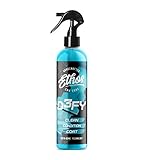
Overview: Ethos Defy positions itself as a revolutionary budget-friendly solution combining waterless washing, polishing, and ceramic coating protection in one bottle. This 3-in-1 formula employs patented Insta-Bond technology to clean, condition, and coat surfaces simultaneously, promising a mirror-like shine with hydrophobic properties. At an entry-level price point, it targets cost-conscious consumers wanting ceramic coating benefits without professional application costs.
What Makes It Stand Out: The combination of three functions—cleaner, polish, and coating—at such an aggressive price point is remarkable. The Insta-Bond technology claims to create an instant slick, non-stick finish that repels contaminants. Its waterless wash capability makes it environmentally friendly and convenient for apartment dwellers or water-restricted areas. The formulation also claims to repair light scratches while applying protection, adding to its value proposition.
Value for Money: At $10.65, this is by far the most affordable ceramic coating product in the comparison. Even assuming a standard 16-ounce bottle, the cost per ounce is under $0.67, making it accessible to any budget. For those unsure about ceramic coatings, it offers a low-risk entry point. While premium brands charge more for purity and longevity, Ethos focuses on immediate results and multi-functionality at minimal cost.
Strengths and Weaknesses: Strengths include unbeatable affordability, true 3-in-1 functionality, waterless operation, and broad vehicle compatibility. The scratch-removal claim is appealing for light defect correction. Weaknesses involve potentially inflated performance claims, lower durability compared to premium brands, and possible filler content that provides temporary rather than lasting protection. The brand lacks the established reputation of competitors, and the coating longevity is likely significantly shorter.
Bottom Line: Ethos Defy is perfect for beginners or budget-minded users wanting to experiment with ceramic technology. While it won’t replace premium coatings for enthusiasts, its versatility and price make it an excellent entry-level product or quick maintenance solution for daily drivers.
6. GYEON Silk Dryer – Ultra Soft Microfiber Car Drying Towel, Super Absorbent, Streak-Free, Lint-Free, Safe for Ceramic Coatings, Ideal for Cars, Trucks, SUVs, Auto Detailing

Overview: The GYEON Silk Dryer positions itself as a premium microfiber drying towel engineered for discerning auto enthusiasts. At $15.99, this twisted-loop microfiber towel promises rapid water absorption while remaining lightweight, making it ideal for vehicles with delicate finishes including ceramic coatings, wraps, and high-gloss paint.
What Makes It Stand Out: The twisted-loop microfiber construction sets this apart from standard plush towels, creating superior water-pulling power without saturation. Its silk-blend composition ensures zero drag across sensitive surfaces, virtually eliminating the risk of marring. The reinforced stitching prevents fraying after repeated washes, maintaining consistent performance. Trusted by professional detailers globally, it’s specifically designed to complement GYEON’s coating systems, making it a specialized tool rather than a generic towel.
Value for Money: At roughly $16, the Silk Dryer sits in the mid-to-high range for single towels. While budget options exist for under $10, the durability and specialized design justify the premium. Considering it can withstand hundreds of washes without degrading, the cost-per-use becomes negligible for serious detailers protecting $1,000+ ceramic coatings.
Strengths and Weaknesses: Strengths include exceptional absorbency, true lint-free performance, and impeccable safety on delicate surfaces. The reinforced edges and quality construction ensure longevity. Weaknesses include a price point that may deter casual users and the fact that its benefits are most pronounced on coated vehicles—standard paint may not see dramatic improvements over cheaper alternatives.
Bottom Line: For enthusiasts with ceramic-coated or wrapped vehicles, the GYEON Silk Dryer is a worthwhile investment that protects your coating investment. Casual car owners may find better value elsewhere, but those prioritizing surface safety will appreciate its specialized engineering.
7. Clean. Ceramic Spray Sealant 16 oz – Ceramic Coating for Cars, Advanced Polymer Technology, Hydrophobic, UV & Chemical Resistant, 6–12 Month Durability, Safe for All Exterior Surfaces
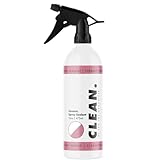
Overview: Clean. Ceramic Spray Sealant delivers professional-grade protection in a user-friendly spray format. Priced at $23.99 for 16 ounces, this collaboration with Pan The Organizer promises 6-12 months of durability through advanced polymer and microemulsion technology, bridging the gap between traditional waxes and expensive ceramic coatings.
What Makes It Stand Out: The extreme chemical resistance (pH 1-14) is remarkable for a spray product, offering protection against harsh cleaners and environmental contaminants. Its 10-minute cure time and ability to apply in direct sunlight demonstrate exceptional versatility. The formulation works as a quick detailer, drying aid, or standalone sealant on virtually any exterior surface including matte finishes and PPF.
Value for Money: At $1.50 per ounce, this sits competitively within the premium spray sealant category. While traditional waxes cost less, they require monthly reapplication. Compared to professional ceramic coatings costing hundreds, this offers legitimate ceramic benefits at a fraction of the price, making it accessible for DIY enthusiasts seeking longevity without complexity.
Strengths and Weaknesses: Strengths include impressive durability claims, extreme versatility, UV protection, and straightforward application. The chemical resistance and gloss enhancement rival more expensive products. Weaknesses include the need for proper paint decontamination beforehand to maximize bonding, and durability may vary based on environmental conditions and maintenance habits.
Bottom Line: This spray sealant excels as a high-performance, user-friendly alternative to professional coatings. It’s ideal for DIYers wanting ceramic protection without the application complexity or cost. Proper surface prep is key to achieving the advertised durability.
8. Ethos Ceramic Wax - Aerospace Coating Protection | Ceramic Polish and Top Ceramic Coat | Ceramic Car Coating | Slick, Hydrophobic Finish

Overview: Ethos Ceramic Wax offers aerospace-inspired protection through a simplified wipe-on application. At $23.98, this hybrid product combines traditional wax ease with ceramic technology, targeting beginners and experienced detailers seeking fast, effective protection for multiple vehicle types including cars, boats, and RVs.
What Makes It Stand Out: The product’s primary distinction is its beginner-friendly application process—no curing times or complex prep work required. It works across diverse surfaces (paint, chrome, glass) with minimal effort. The formula promises to outlast conventional waxes while delivering a deep, mirror-like gloss that enhances paint clarity without professional application skills.
Value for Money: Positioned similarly to other ceramic waxes, the price reflects its hybrid nature. It’s significantly cheaper than professional-grade coatings while offering improved durability over $10-15 traditional carnauba waxes. For multi-vehicle owners (boats, RVs), the versatility increases its value proposition considerably.
Strengths and Weaknesses: Strengths include foolproof application, impressive gloss enhancement, genuine hydrophobic properties, and broad surface compatibility. The protection against UV rays, bird droppings, and water spots is substantial for a consumer product. Weaknesses include vague durability claims (no specific timeframe stated) and performance that likely falls short of true ceramic coatings or dedicated sealants.
Bottom Line: Ethos Ceramic Wax shines as an entry-level ceramic solution for users intimidated by complex coating systems. It delivers noticeable improvements over traditional wax with minimal learning curve. While not a replacement for professional coatings, it’s an excellent maintenance product or standalone protectant for daily drivers.
9. Chemical Guys Waffle Weave Gray Matter Microfiber Drying Towel - 25" x 36", 70/30 Blend with Silk Edging for Scratch-Free Car Drying, Ultra Absorbent and Safe for All Surfaces

Overview: The Chemical Guys Waffle Weave Gray Matter towel provides a budget-friendly drying solution without sacrificing core performance. Measuring a generous 25" x 36" and priced at just $11.99, this 70/30 microfiber blend towel targets value-conscious consumers seeking safe, effective drying for various vehicles.
What Makes It Stand Out: The waffle weave texture maximizes surface area for superior water absorption compared to standard plush towels. Its most notable feature is the silk-banded edges, a premium touch rarely found at this price point that prevents swirl-inducing scratches. The substantial size allows single-pass drying on most vehicles, reducing effort and water spot risk.
Value for Money: At under $12, this represents exceptional value. Comparable sized premium towels often cost $20+. While it may lack the specialized twisted-loop technology of higher-end options, the silk edges and quality blend deliver 90% of the performance at 50% of the cost, making it accessible for casual users and enthusiasts alike.
Strengths and Weaknesses: Strengths include outstanding affordability, generous dimensions, genuine silk edging for safety, and reliable absorbency from the waffle weave design. It’s versatile across all exterior surfaces. Weaknesses include potentially shorter lifespan than premium alternatives and less specialized performance on delicate ceramic coatings. Chemical Guys’ quality control has occasional inconsistencies.
Bottom Line: This towel hits the sweet spot between performance and price. It’s arguably the best value drying towel available, suitable for most car owners. Only those with ultra-high-end coatings or professional requirements should consider more expensive options. For everyone else, this delivers reliable, safe drying.
10. 303 Products Graphene Detailer Spray, Enhances Gloss & Protection on Existing Coating, Sealants & Waxes, UV Protectant, Drying Aid, Add Ceramic Graphene Protection, Waterless Car Detailing Spray, 16oz
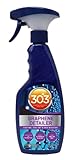
Overview: 303 Products Graphene Detailer Spray represents the next evolution in coating maintenance, utilizing graphene technology to enhance existing protection. At $17.33 for 16oz, this spray works as a drying aid, dust remover, or coating booster, promising to extend and amplify the performance of underlying sealants and ceramic coatings.
What Makes It Stand Out: The graphene infusion claims to surpass traditional ceramic-only products in slickness and durability. Its versatility is exceptional—effective on wet or dry surfaces, and safe across all exterior materials including trim and chrome. The graphite-oxide formula specifically targets UV protection, addressing a common weakness in many consumer-grade coatings.
Value for Money: As a maintenance product, the price is reasonable but not cheap. It extends the life of pricier coatings, potentially saving money long-term. Compared to standard quick detailers at $10-15, the graphene premium is justified if it delivers enhanced protection. However, as a standalone product, it offers minimal value.
Strengths and Weaknesses: Strengths include remarkable versatility, genuine coating enhancement, UV protection, and streak-free application. It excels as a drying aid, reducing towel contact. Weaknesses include questionable standalone protection claims—it’s truly a booster, not a primary sealant. The graphene benefit over advanced ceramics remains scientifically debated among detailers.
Bottom Line: This detailer is perfect for coated vehicle owners wanting to maximize their investment. It performs excellently as a maintenance spray and drying aid, adding slickness and UV defense. Un-coated vehicle owners should invest in a primary sealant first. For its intended purpose as a coating enhancer, it’s highly effective and easy to use.
Why Drying Aids Are Essential for Ceramic Coated Vehicles
The relationship between ceramic coatings and drying aids is symbiotic. Your coating creates the foundation—providing chemical resistance, UV protection, and that signature slickness—but it’s not indestructible. During drying, friction from towels can induce micro-marring, while mineral-laden water droplets can etch into the surface if not removed quickly. A quality drying aid acts as a liquid barrier, encapsulating contaminants in its lubricating formula while helping water sheet off rather than bead randomly. This reduces drying time by up to 60% and minimizes the physical contact needed to achieve a streak-free finish. Think of it as insurance for your coating; you’re not just drying—you’re actively reinforcing the very properties that made you choose ceramic protection in the first place.
Understanding How Drying Aids Work with Ceramic Coatings
Drying aids operate through a clever combination of surfactants, polymers, and carrier agents that modify water’s surface tension on your vehicle’s paint. When sprayed onto a wet panel, these formulas break the bond between water molecules and the coated surface, causing water to collapse into sheets that slide off with minimal assistance. Simultaneously, they leave behind a thin, transparent layer of protective ingredients that fill microscopic peaks and valleys in the coating, creating an even smoother surface that amplifies gloss and rejuvenates water-repellency.
The Science Behind Hydrophobic Interaction
The magic lies in the electrostatic attraction between the drying aid’s active ingredients and the SiO2 particles in your ceramic coating. Quality formulations contain positively charged polymers that bond to the negatively charged silica matrix, creating a temporary yet durable sacrificial layer. This interaction doesn’t just enhance beading—it fundamentally changes how water behaves on your vehicle’s surface, promoting sheeting action that carries away loose contaminants before they can be ground in by your drying towel.
Key Features to Evaluate in a Premium Drying Aid
Not all drying aids deserve a place in your detailing arsenal. The market is flooded with products that claim compatibility with ceramic coatings but deliver little more than watered-down quick detailers. The distinguishing features separate professional-grade formulas from glorified glass cleaners.
Concentration Levels and Dilution Ratios
Professional-grade drying aids typically offer concentrated formulas that can be diluted anywhere from 1:4 to 1:16 depending on water hardness and desired performance. This flexibility isn’t just economical—it allows you to customize the product’s behavior. Hard water areas benefit from richer dilutions that combat mineral deposits, while softer water regions can stretch the product further without sacrificing protection. Always evaluate whether a product offers this versatility or comes as a ready-to-use spray, which often signals a lower concentration of active ingredients.
Lubrication Properties and Scratch Prevention
The primary function of any drying aid is to create a slippery interface between your towel and the paint surface. Look for products that specifically mention “high-lubricity polymers” or “advanced surfactant technology” in their descriptions. The lubrication should feel noticeably slick to the touch—not greasy, but smooth enough that your premium microfiber towel glides with zero resistance. This slickness is quantifiable; superior formulas reduce the coefficient of friction by up to 80%, dramatically decreasing the risk of towel-induced swirl marks during the drying process.
Hydrophobic Enhancement Capabilities
A drying aid worth its salt should do more than assist with drying—it should actively boost your coating’s water-repellent properties. The best formulations contain SiO2 or similar ceramic resins that temporarily replenish the coating’s active layer. When evaluating products, pay attention to how they describe their hydrophobic enhancement. Phrases like “rejuvenates beading,” “boosts water contact angle,” and “extends coating performance” indicate formulas designed to work with rather than just sit on top of your ceramic protection.
UV Protection and Gloss Amplification
While your ceramic coating provides the primary UV shield, a quality drying aid can add a secondary layer of protection that fills in microscopic gaps in the coating’s coverage. More importantly, premium formulas contain optical enhancers and gloss-amplifying polymers that create a wetter, deeper appearance. These ingredients refract light more uniformly, making metallic flakes pop and dark colors appear richer. The effect is cumulative—regular use builds a consistent optical clarity that makes your vehicle look perpetually fresh from the detailer’s studio.
Decoding Different Formulation Types
The drying aid category has evolved significantly, branching into specialized formulations that cater to different user preferences, budgets, and performance expectations. Understanding these categories helps you match a product to your specific maintenance philosophy.
Spray Detailer Hybrid Formulas
These represent the most user-friendly entry point into drying aids, combining traditional quick detailer properties with enhanced lubrication for wet applications. Hybrids typically come ready-to-use and offer excellent versatility—they can be applied to both wet and dry surfaces. While they may lack the concentrated punch of professional formulas, their convenience factor is undeniable. They’re ideal for enthusiasts who want a single product that handles multiple tasks without cluttering their detailing shelf.
Dilutable Concentrates for Economical Use
Concentrated formulas are the workhorses of professional detailing operations. Packaged in sizes ranging from 16 ounces to gallon jugs, these products require mixing with distilled water before use. The economics are compelling—a single gallon of concentrate can produce 4-16 gallons of ready-to-use solution, dropping the cost-per-application to mere cents. The trade-off is convenience; you’ll need dedicated spray bottles and must pay attention to mixing ratios. However, for those committed to regular maintenance, concentrates offer unmatched value and customization.
SiO2-Infused Drying Aids
The premium tier of drying aids contains actual ceramic resins that bond to your existing coating, effectively performing a mini-rejuvenation treatment with each wash. These formulas typically produce the most dramatic water behavior changes and longest-lasting results, often extending protection for several weeks between applications. They’re particularly valuable for vehicles exposed to harsh environmental conditions or for owners looking to maximize the interval between full coating maintenance sessions. The downside? They command premium prices and require more careful application to avoid streaking on hot panels.
Application Techniques That Maximize Results
Even the finest drying aid can’t compensate for poor technique. The method of application dramatically influences both the safety of your paint and the effectiveness of the product.
The Two-Towel Method Explained
Professional detailers swear by this approach for a reason. The first towel—typically a high-pile, ultra-plush microfiber—is designated as your “absorbing” towel. After misting the drying aid onto a wet panel, you use this towel to gently pick up the bulk of the water, working in straight lines with minimal pressure. The second towel—a lower-pile, tighter-weave microfiber—serves as your “perfecting” towel, used to remove any remaining moisture and buff the surface to a streak-free, glossy finish. This division of labor prevents oversaturating your finishing towel and ensures you’re not dragging waterborne contaminants across the surface.
Panel-by-Panel vs. Full-Vehicle Approach
Your strategy should adapt to environmental conditions. In cooler, shaded environments, spraying the entire vehicle before drying is feasible and efficient. However, in warmer conditions or direct sunlight, the panel-by-panel method is mandatory. Work in sections no larger than 2’x2’, applying the drying aid and immediately drying before it can evaporate. This prevents water spots and ensures the active ingredients have sufficient moisture to properly bond with the coating. Start with horizontal panels (roof, hood, trunk) where water spots form fastest, then move to vertical surfaces.
Common Application Mistakes That Compromise Protection
The most frequent error is over-application. More product doesn’t equal more protection—it equals more streaking, longer buffing times, and wasted money. A light mist, approximately 1-2 sprays per panel, is sufficient. Another critical mistake is using the same towel for multiple vehicles or reusing a dropped towel without thorough washing. Contaminants trapped in microfiber fibers will scratch your coating far more easily than they would unprotected paint. Additionally, applying drying aids to hot panels in direct sunlight causes premature evaporation, leaving behind high spots that require polishing to remove.
How Often Should You Use a Drying Aid?
The sweet spot depends on your coating’s age, environmental exposure, and maintenance goals. For coatings less than a year old, every wash is ideal to establish a robust maintenance layer. As coatings mature (1-3 years), you can scale back to every other wash while still maintaining peak performance. Vehicles garaged daily and rarely exposed to contaminants might only need a drying aid monthly, while daily drivers battling road grime, tree sap, and industrial fallout benefit from consistent use. The water behavior test is your best guide—if beading diminishes or water begins to cling rather than sheet, it’s time to reapply.
Performance Metrics: What Separates Good from Great
Evaluating drying aids requires looking beyond marketing claims and understanding measurable performance characteristics that impact real-world results.
Beading Behavior and Water Contact Angle
Superior drying aids should increase your water contact angle by 5-10 degrees above your coating’s baseline. You can test this by observing how water behaves on a treated panel versus an untreated one. The difference should be obvious—tighter, more spherical beads that dance across the surface with minimal encouragement. If water continues to spread or flatten after application, the product lacks sufficient hydrophobic enhancers.
Slickness and Tactile Feel
Run your hand across a treated panel after drying. You should feel a noticeable slickness, almost as if you’re touching a freshly waxed surface, but without the greasy residue. This tactile feedback indicates proper polymer deposition. Products that leave the surface feeling “normal” or only slightly slick aren’t depositing enough protective material to make a meaningful difference in your coating’s longevity.
Durability Expectations on Coated Surfaces
A quality drying aid should maintain its enhanced properties through at least one full week of normal driving and one subsequent maintenance wash. Premium SiO2-infused formulas can extend protection for 2-4 weeks, effectively acting as a bridging treatment between your regular washes. Be skeptical of products claiming “months” of protection from a simple drying aid application—this overpromises and underdelivers, potentially indicating the presence of fillers rather than durable protective ingredients.
Cost-Per-Use Analysis for Smart Buying Decisions
The sticker price is meaningless without calculating cost-per-application. A $30 ready-to-use spray that delivers 30 applications costs $1 per use. A $80 concentrate that produces 100 applications costs $0.80 per use—and likely performs better. Factor in your washing frequency: weekly washers using concentrates spend around $40 annually on drying aids, while those buying premium ready-to-use sprays might spend $150+ for the same number of applications. The math becomes even more compelling when you consider that professional-grade concentrates often contain higher concentrations of active ingredients, delivering better performance alongside lower costs.
Environmental and Storage Considerations
Temperature fluctuations degrade drying aid performance over time. Store concentrates and ready-to-use sprays in a climate-controlled environment between 50-75°F. Extreme cold can cause polymers to separate and fall out of solution, while heat accelerates chemical breakdown. Once mixed, use diluted solutions within 30 days for optimal performance—after this window, active ingredients begin losing efficacy. For eco-conscious enthusiasts, look for formulas that are VOC-compliant and biodegradable. Many modern drying aids use plant-derived surfactants without sacrificing performance, allowing you to maintain your vehicle responsibly.
Professional Detailer Insights vs. DIY Applications
Professional detailers approach drying aids as tools for efficiency and profit margin optimization. They prioritize dilutable concentrates for cost control, apply them with pressurized spray systems for even coverage, and always use the two-towel method with color-coded towels to prevent cross-contamination. DIY enthusiasts can adopt these practices on a smaller scale. The key difference is time—pros work rapidly to prevent flash-drying, while hobbyists can take a more methodical approach. Both achieve excellent results when technique is sound. The professional edge comes from experience reading water behavior and adjusting dilution ratios on the fly based on ambient conditions.
Troubleshooting Common Issues
Streaking is the most common complaint, typically caused by over-application, hot panels, or using too much pressure. The solution is simple: mist less product, work in smaller sections, and let the towel do the work with minimal pressure. If you notice reduced beading after application, your coating may be contaminated with hydrophobicity-killing substances like car wash soaps containing gloss enhancers or polymer sealants. A thorough decontamination wash with a dedicated ceramic coating shampoo will restore baseline performance. Water spots appearing despite using a drying aid indicate hard water minerals are winning the race—try a stronger dilution or switch to a formula specifically designed for mineral-heavy water.
Integrating Drying Aids Into Your Maintenance Wash Routine
For maximum synergy, your drying aid should be the final step in a ceramic-focused wash regimen. Start with a pH-neutral, ceramic-safe shampoo that cleans without stripping. Follow with a thorough rinse, ensuring all soap residue is removed. Apply your drying aid to wet panels immediately before drying—never to a dry surface, as this defeats the water-sheeting mechanism. For ultimate results, consider a “maintenance boost” every third wash: after drying with your aid, apply a light spray of the same product to a dry panel and buff with a clean microfiber. This deposits an additional layer of protection that can extend coating performance significantly between major maintenance sessions.
Frequently Asked Questions
Can I use a regular quick detailer as a drying aid on my ceramic coated car?
While some quick detailers offer limited lubrication, they’re not formulated for wet application and lack the water-sheeting agents essential for safe, effective drying. Using them increases streaking risk and provides minimal protection enhancement. Dedicated drying aids contain specific surfactant packages designed to modify water behavior on ceramic surfaces, something traditional detailers cannot replicate.
Will using a drying aid extend the life of my ceramic coating?
Absolutely. Each application deposits sacrificial polymers and ceramic resins that fill microscopic wear points in your coating. This maintenance layer reduces direct environmental exposure and mechanical wear during washing, potentially extending your coating’s effective life by 20-30% beyond the manufacturer’s baseline claim.
How do I know if my drying aid is compatible with my specific ceramic coating?
Most professional-grade coatings are engineered to be chemically compatible with a wide range of maintenance products. Look for drying aids explicitly labeled “ceramic coating safe” or “SiO2 compatible.” When in doubt, test on a small, inconspicuous area like the lower rocker panel. If the product beads up or flashes immediately, it’s not bonding properly. Proper compatibility results in smooth application and even sheeting.
Can I apply a drying aid in direct sunlight?
It’s strongly discouraged. Hot panels cause premature evaporation, leading to streaking and product waste. If you must work in sunlight, switch to the panel-by-panel method, keep the panel constantly misted with water, and apply the drying aid only to the immediate area you’re drying. Early morning or late afternoon washing yields infinitely better results.
What’s the difference between a drying aid and a ceramic coating topper?
Drying aids are designed for wet application during the drying process, prioritizing lubrication and water management. Ceramic toppers are typically applied to dry surfaces after washing and serve as standalone protection boosters. Many modern products blur these lines, but the application method remains the key differentiator. Drying aids excel at scratch prevention during towel contact, while toppers focus on building additional protective layers.
How many towels should I use when drying with a drying aid?
For a standard sedan, plan on using 2-3 high-quality microfiber towels: one or two for absorbing the bulk of water, and one dedicated finishing towel for perfecting the surface. Using a fresh towel for each section of the vehicle prevents cross-contamination and ensures you’re not grinding settled contaminants back into the paint.
Will drying aids remove water spots?
Prevention is their strength, not removal. Drying aids prevent water spots by facilitating rapid water removal. Existing water spots, especially etched ones, require dedicated removal products or light polishing. However, some advanced drying aids contain mild chelating agents that can dissolve fresh mineral deposits before they bond, offering limited spot removal capabilities on very recent spots.
Are concentrated drying aids difficult to mix properly?
Modern concentrates are surprisingly forgiving. Most come with clear mixing ratios printed on the label, and many manufacturers provide measuring tools. The key is using distilled water to prevent mineral contamination and mixing only what you’ll use within 30 days. A simple measuring cup and clean spray bottle are all you need—no complex chemistry required.
Can I use a drying aid on my glass and trim?
Most drying aids are safe and highly effective on glass, often outperforming traditional glass cleaners by leaving a hydrophobic layer that repels rain for weeks. For trim, exercise caution with matte or satin finishes—some products may add unwanted gloss. Test on an inconspicuous area first. On glossy black trim, drying aids typically enhance appearance and provide UV protection.
How do I store leftover diluted drying aid solution?
Store mixed solution in a sealed, opaque spray bottle away from direct sunlight and temperature extremes. Label the bottle with the mixing date and ratio. While concentrates have multi-year shelf lives, diluted solutions begin losing efficacy after 30 days. If the solution appears cloudy or separated after sitting, discard it and mix a fresh batch. Never store mixed product in your vehicle where heat cycling accelerates degradation.