That mirror-like, wet-look finish you see on show cars doesn’t happen by accident. It’s the result of meticulous paint correction and enhancement techniques, with car paint glaze playing a starring role. Whether you’re a weekend warrior passionate about your daily driver or a detailing enthusiast chasing perfection, understanding how glazes work can transform your vehicle’s appearance from ordinary to extraordinary. Unlike protective products that shield your paint, glazes are all about optical enhancement—temporarily filling microscopic imperfections to create a flawless, reflective surface that makes colors pop and metallic flakes dance in the sunlight.
The world of automotive glazes can be surprisingly complex, with formulas ranging from oil-based fillers to modern polymer-enhanced solutions that offer both cosmetic improvement and marginal protection. Choosing the right glaze isn’t just about grabbing the most expensive bottle on the shelf; it requires understanding your paint’s specific condition, your desired results, and how the product fits into your overall detailing workflow. Let’s dive deep into everything you need to know to make an informed decision and achieve that coveted concours-ready finish.
Top 10 Car Paint Glaze
Detailed Product Reviews
1. Meguiar’s M205 Mirror Glaze Ultra Finishing Polish, Easy-to-Use Formula for Impeccable Shine, Multiple Ways to Apply Mirror Glaze, Removes Defects and Swirls for a High Gloss, 8 Oz Container

Overview: Meguiar’s M205 is a premium finishing polish designed to eliminate light paint defects and swirls while delivering a mirror-like gloss. This 8-ounce container packs advanced polishing technology suitable for enthusiasts and professionals alike. Formulated as the perfect follow-up to heavier compounds, it refines paint surfaces to perfection before applying protection.
What Makes It Stand Out: The M205’s super micro-abrasive technology permanently removes swirls rather than masking them, creating genuinely defect-free surfaces. Its remarkable versatility shines through multiple application methods—hand, dual-action polisher, or rotary buffer—all with easy wipe-off cleanup. The formula works synergistically within Meguiar’s system, particularly as the ideal second step after M105 Ultra-Cut Compound, creating a seamless two-stage correction process that maximizes gloss.
Value for Money: At $14.05 for 8 ounces ($1.76 per ounce), M205 sits in the sweet spot for professional-grade polishes. While smaller than some competitors, its concentrated formula requires minimal product per panel. Compared to boutique brands costing $25-30 for similar volumes, Meguiar’s delivers proven performance at a reasonable price point, making it accessible for serious DIYers without compromising professional results.
Strengths and Weaknesses: Strengths include exceptional defect removal for a finishing polish, incredible ease of use across all application methods, zero dusting, and compatibility with all paint types. The formula leaves a genuinely swirl-free finish ready for protection. Weaknesses are the modest 8-ounce size limiting larger projects, and it’s not a standalone product—you’ll need a separate wax or sealant for protection.
Bottom Line: M205 is an essential tool for anyone serious about paint correction. Its ability to permanently remove swirls while creating a show-worthy gloss makes it indispensable. Pair it with M105 for a complete system that rivals professional detailing shops.
2. Adam’s Polishes Brilliant Glaze 16oz - Amazing Depth, Gloss and Clarity - Achieve that Deep, Wet Looking Shine - Super Easy On and Easy Off

Overview: Adam’s Brilliant Glaze is a premium shine enhancer designed to deliver that coveted deep, wet-look finish. This 16-ounce bottle contains a carnauba-infused polymer blend that dramatically boosts gloss and clarity on painted surfaces, chrome, and even glass. Unlike standalone waxes, it’s formulated as a finishing touch for show-car preparation.
What Makes It Stand Out: The immediate hazing action sets this glaze apart—no waiting for flash times means faster application and less room for error. Its unique carnauba-polymer hybrid creates exceptional depth while remaining safe across multiple surfaces, including interior glass where it cuts through stubborn fogginess. The 110% satisfaction guarantee and USA manufacturing demonstrate confidence in quality. It works equally well by hand or machine, making it accessible to all skill levels.
Value for Money: At $21.24 for 16 ounces ($1.33 per ounce), Brilliant Glaze offers solid value for a boutique brand. While pricier than mass-market options, the versatility across paint, chrome, and glass eliminates need for separate products. Compared to professional glazes costing $30+, Adam’s delivers comparable performance at a more accessible price point, especially considering the satisfaction guarantee.
Strengths and Weaknesses: Strengths include lightning-fast application with no curing time, multi-surface versatility, impressive wet-look enhancement, and carnauba-rich formula. The wipe-on/wipe-off simplicity makes it nearly foolproof. Weaknesses include lack of standalone protection requiring a separate wax or sealant, premium pricing over basic glazes, and it may not provide sufficient defect correction for heavily swirled paint.
Bottom Line: For enthusiasts seeking maximum gloss with minimal effort, Adam’s Brilliant Glaze delivers exceptional results. Its speed and versatility make it perfect for pre-show prep or quick aesthetic boosts, though pair it with a quality sealant for lasting protection.
3. Meguiar’s M716 Mirror Glaze Show Car Glaze, Exceptional Polish Restores a Deep Wet Shine - 16 Oz Bottle (Packaging May Vary)

Overview: Meguiar’s M716 Show Car Glaze is a classic hand-applied polish that restores a dazzling deep-wet shine to all glossy paint finishes. This 16-ounce bottle delivers body-shop-safe performance for enthusiasts who prefer traditional hand detailing. Formulated to enhance gloss without heavy correction, it’s ideal for well-maintained finishes needing a show-worthy boost.
What Makes It Stand Out: As a top performer among hand-applied products, M716 excels where many modern products fail—true hand-application efficacy. The formula’s unique clear-drying characteristic eliminates the white residue common with lesser glazes, making it perfect for complex areas and trim. Its body-shop-safe formulation ensures compatibility with fresh paint and all clear coats, while remaining versatile enough for DA polisher or rotary buffer use when needed.
Value for Money: At $17.04 for 16 ounces ($1.06 per ounce), M716 represents exceptional value. This pricing undercuts most premium glazes by 30-50% while delivering professional results. The larger bottle size accommodates multiple vehicles, making it economical for regular use. For hand-detailing purists, it offers performance comparable to $25+ boutique glazes at a mass-market price point.
Strengths and Weaknesses: Strengths include outstanding hand-application performance, zero white residue, broad surface safety, and generous bottle size. The traditional formula is forgiving and builds impressive depth. Weaknesses include less cutting ability than modern polymer-based glazes, potentially longer working time, and it may not satisfy those seeking the latest synthetic technology. It also lacks integrated protection.
Bottom Line: M716 remains a benchmark for hand-applied glazes, delivering reliable show-car results at an unbeatable price. Perfect for enthusiasts who enjoy the tactile process of hand detailing and want professional-grade gloss without premium cost.
4. Meguiar’s Mirror Glaze M105 Ultra-Cut Compound, Car Rubbing Compound for Removing Scratches and Heavy Swirls While Adding Shine, Safe and Effective on All Glossy Car Paint and Clear Coats, 8 oz

Overview: Meguiar’s M105 Ultra-Cut Compound is a professional-grade rubbing compound engineered for aggressive defect removal while maintaining finish quality. This 8-ounce container tackles moderate to heavy paint imperfections including scratches, oxidation, and even 1200-grit sanding marks. Designed as the first step in a two-stage correction process, it delivers rapid results without sacrificing gloss.
What Makes It Stand Out: M105’s super micro-abrasive technology achieves ultra-fast cutting speeds that rival traditional compounds but finishes down remarkably well, minimizing the need for multiple steps. Its ability to safely remove 1200-grit sanding marks while boosting gloss sets a new standard in compound efficiency. The formula works synergistically with M205 Finishing Polish, creating a professional system that delivers showroom results. Multiple application methods provide versatility for any skill level.
Value for Money: At $11.54 for 8 ounces ($1.44 per ounce), M105 offers professional capability at an entry-level price. While smaller than bulk compounds, its concentrated power means less product per correction. Compared to $20-30 professional compounds, Meguiar’s delivers equivalent performance for nearly half the price, making serious paint correction accessible to enthusiasts.
Strengths and Weaknesses: Strengths include exceptional cutting power, surprisingly good finish quality for a compound, clear coat safety, and minimal dusting. The super micro-abrasives reduce secondary swirling. Weaknesses include its aggressive nature requiring careful technique from beginners, potential for generating excessive heat if misused, and the small bottle limiting large-scale projects. It absolutely requires a follow-up polish.
Bottom Line: M105 is the go-to compound for significant paint correction. Its balance of aggression and finish quality is unmatched at this price. Ideal for experienced users tackling serious defects, but beginners should practice on test panels first.
5. Chemical Guys Wet Mirror Finish High Gloss Glaze - Reflective Shine Enhancer and Paint Glaze for Cars, Trucks, SUVs, Motorcycles, and RVs - Safe for Clear Coat, Chrome, and Paintwork, 16 oz

Overview: Chemical Guys Wet Mirror Finish is a versatile high-gloss glaze engineered to deliver deep, reflective shine across all vehicle types. This 16-ounce bottle features advanced gloss-boosting polymers that enhance paint clarity and smoothness. Designed as a pre-wax glaze, it amplifies color vibrancy while creating a slick foundation for subsequent protection layers.
What Makes It Stand Out: The formula’s advanced polymer technology creates exceptional paint depth that makes colors appear richer and more vibrant. Its standout feature is dual-functionality: delivering immediate aesthetic improvement while actively preparing the surface for wax or sealant application. This glaze’s compatibility extends beyond paint to chrome, glass, and polished metals, making it a true all-in-one surface enhancer for motorcycles and RVs where varied materials meet.
Value for Money: At $21.99 for 16 ounces ($1.37 per ounce), Wet Mirror Finish positions itself competitively against boutique glazes. The multi-surface capability eliminates need for separate chrome or metal polishes, adding value. While slightly pricier than Meguiar’s equivalents, the versatility across cars, trucks, and specialty vehicles justifies the cost for multi-vehicle owners.
Strengths and Weaknesses: Strengths include effortless hand or machine application, streak-free finish, universal surface safety, and excellent prep for sealants. The gloss enhancement is immediately noticeable. Weaknesses include lack of durable protection requiring follow-up products, potential for over-application if not careful, and Chemical Guys’ hyperbolic marketing may oversell capabilities. It corrects no defects, purely cosmetic enhancement.
Bottom Line: Wet Mirror Finish excels as a finishing glaze for enthusiasts wanting maximum pop before a car show. Its surface versatility makes it ideal for complex vehicles, but treat it as a complement to your protection routine, not a replacement.
6. SONAX Glaze OS 02-06 247141 | All-in-One Car Polish for Scratch Removal, High-Gloss Finish & Ceramic Protection | SiO2-Based 6-Month Durability | Hologram-Free Results for All Paint | 250ml

Overview: SONAX Glaze OS 02-06 delivers professional paint correction and ceramic protection in a single bottle. This German-engineered formula combines fine abrasives with SiO2 technology to eliminate P3000-level scratches and swirl marks while depositing a durable hydrophobic coating. Designed for enthusiasts and detailers seeking efficiency, it promises hologram-free results with its calibrated 2/6 cut-to-gloss ratio.
What Makes It Stand Out: The integrated SiO2 ceramic protection lasting six months sets this apart from traditional glazes. It eliminates the multi-step process of polishing then coating, saving significant time. The hologram-free finish with a gloss rating of 6 delivers true mirror reflections, while its versatility across all paint types makes it universally applicable. The P3000 scratch removal capability handles most washing-induced defects effectively.
Value for Money: At $22.84 for 250ml, the cost-per-ounce exceeds conventional glazes, but factors in ceramic coating benefits that typically cost $30+ separately. For those seeking one-step convenience, it delivers strong value despite the small bottle size.
Strengths and Weaknesses: Strengths include true all-in-one functionality, professional-grade results, durable water-repellent protection, and time-saving application. Weaknesses involve limited quantity for larger vehicles, inability to correct deep scratches, and higher upfront cost compared to basic glazes.
Bottom Line: SONAX Glaze OS 02-06 excels for DIYers wanting ceramic protection without complexity. It’s ideal for well-maintained cars needing swirl removal and lasting gloss in one efficient step.
7. 3M Hand Glaze, 05990, 1 qt (32 fl oz)
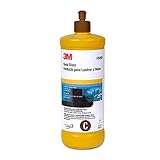
Overview: 3M Hand Glaze 05990 is a professional-grade finishing glaze designed for body shops and industrial applications. This 32-ounce quart restores brilliant shine and creates that coveted “almost-wet” appearance on automotive paints. Formulated for safe use on fresh clear coats and cured paintwork, it serves as a final step to maximize gloss before delivery.
What Makes It Stand Out: The industrial-grade formulation delivers exceptional clarity with minimal effort, producing showroom-wet results that impress clients. Its paint shop-safe chemistry allows immediate use on freshly painted surfaces without risk. The large 32-ounce quantity provides substantial coverage for multiple vehicles, making it economical for high-volume operations.
Value for Money: At $36.84 per quart ($1.15/ounce), this represents excellent bulk pricing for professional settings. However, the “industrial/occupational use only” designation restricts consumer availability and may pose procurement challenges for hobbyists.
Strengths and Weaknesses: Strengths include outstanding gloss enhancement, easy wipe-on/wipe-off application, professional durability, and clear coat safety. Weaknesses center on limited consumer access, lack of built-in protection requiring separate wax/sealant, and no cutting ability for defect removal.
Bottom Line: 3M Hand Glaze is a top-tier professional product for achieving stunning gloss on fresh paint. It’s perfect for body shops but impractical for average consumers due to distribution restrictions.
8. Chemical Guys Black Light Hybrid Radiant Finish - Premium Glaze and Sealant for Black and Dark Colored Cars - Enhances Depth, Gloss and Protection on Cars, Trucks, SUVs and More, 16 fl oz Bottle
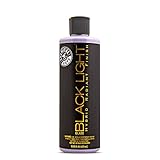
Overview: Chemical Guys Black Light Hybrid Radiant Finish is a specialized glaze and sealant engineered specifically for black and dark-colored vehicles. This 16-ounce formula combines micro-polishing agents with protective sealants to enhance depth and create mirror-like reflections that accentuate the unique contours of dark paint. It addresses the specific challenges darker finishes face in showing swirls and lacking dimension.
What Makes It Stand Out: Unlike generic glazes, Black Light’s formulation targets the specific challenges of dark paints—amplifying depth while masking minor imperfections. The hybrid technology fills light swirls and delivers a wet, glassy appearance that makes black, blue, and red paints pop dramatically under any lighting conditions. Its versatility extends to wraps and custom finishes, making it ideal for modified vehicles.
Value for Money: Priced at $29.99 ($1.87/ounce), this premium product commands a higher cost than general-purpose glazes. The specialized performance for dark vehicles justifies the expense for enthusiasts seeking show-quality results, though light-colored car owners should look elsewhere.
Strengths and Weaknesses: Strengths include exceptional dark-paint optimization, easy hand or machine application, streak-free removal, and versatility across clear coats, wraps, and custom finishes. Weaknesses involve premium pricing, limited benefit for light colors, and modest durability compared to dedicated ceramic coatings.
Bottom Line: For black and dark vehicle owners, Black Light is unmatched in creating jaw-dropping depth and gloss. It’s a worthwhile investment for achieving concours-level aesthetics on darker rides.
9. Meguiar’s Ultimate Polish – High-Gloss Polish for a Show Car Shine – Permanently Removes Light Swirls to Produce a Deep, Wet Reflection with a High Gloss Shine - Easy to Use, 16 Oz

Overview: Meguiar’s Ultimate Polish is a pre-waxing glaze that delivers impressive gloss and swirl removal at an unbeatable price point. This 16-ounce formula uses conditioning oils to enhance color depth and prepare paint surfaces for wax application, making it a staple in many detailing arsenals for both hand and dual-action polisher use. It serves as the perfect intermediate step between washing and waxing.
What Makes It Stand Out: The combination of affordability and effectiveness from a trusted industry leader makes this exceptionally accessible. It quickly eliminates fine swirls and towel marks while adding rich, wet reflections—particularly noticeable on dark colors. The versatile application suits beginners and pros alike, working safely on all glossy paints and clear coats without aggressive abrasives.
Value for Money: At just $9.67 ($0.60/ounce), this represents the best value in the glaze category. It performs comparably to products costing three times more, making it ideal for budget-conscious enthusiasts or those maintaining multiple vehicles regularly.
Strengths and Weaknesses: Strengths include outstanding affordability, trusted brand reputation, gentle yet effective swirl removal, easy application, and broad paint compatibility. Weaknesses involve no long-term protection (requiring follow-up wax), less durability than sealants or ceramics, and limited cutting power for moderate defects.
Bottom Line: Meguiar’s Ultimate Polish is the smart choice for cost-effective paint enhancement. It’s perfect for maintaining showroom shine between full details without breaking the bank.
10. Malco Paint Rejuvenator - One Step Automotive Paint Restoration/Clear Coat Scratch and Swirl Remover/Re-Shine Old, Aged Paint to Look New / 32 Fl Oz (111732)

Overview: Malco Paint Rejuvenator is a professional-grade, one-step compound and glaze designed to restore severely aged, oxidized, or sun-damaged paint. This 32-ounce formula combines corrective abrasives with protective polymers and carnauba wax to deliver both restoration and lasting gloss in a single application, targeting vehicles with neglected finishes that need serious intervention.
What Makes It Stand Out: The aggressive restorative capability sets this apart from standard glazes. It effectively removes oxidation, mild defects, and environmental damage while leaving behind a durable polymer and carnauba film. The large 32-ounce size provides professional quantity for extensive correction work, making it ideal for restoration projects and detailing businesses handling severely compromised paint.
Value for Money: At $30.97 for 32 ounces ($0.97/ounce), this offers excellent bulk value for professional detailers tackling multiple restoration jobs. The dual compound-glaze action eliminates purchasing separate products, though the rotary polisher requirement adds equipment costs for those not already equipped.
Strengths and Weaknesses: Strengths include powerful restoration capability, substantial quantity, long-lasting carnauba protection, and effectiveness on sun-damaged clear coats. Weaknesses involve mandatory rotary polisher use (1400-2000 rpm), requiring advanced skills, potential over-correction on well-maintained paint, and unsuitability for beginners or those with only dual-action polishers.
Bottom Line: Malco Paint Rejuvenator is a heavy-duty solution for seriously neglected paint. It’s best reserved for experienced professionals or skilled enthusiasts equipped with rotary polishers and working on vehicles needing substantial restoration rather than routine maintenance.
What Exactly Is a Car Paint Glaze?
A car paint glaze is a specialized surface enhancement product designed to temporarily fill and mask minor paint imperfections rather than permanently removing them. Think of it as a cosmetic filler that works on a microscopic level, flowing into swirl marks, fine scratches, and oxidation pores to create a perfectly smooth optical surface. Unlike abrasive polishes that cut away clear coat, glazes are non-abrasive and work purely through chemical composition and physical filling properties.
The formulation typically contains oils, polymers, and specialty resins that create a transparent, high-gloss layer over your existing paint. This layer refracts light more evenly, which is why that dreaded spider-webbing seems to vanish and your paint suddenly develops tremendous depth. Modern glazes have evolved beyond simple fillers; many now include gloss-enhancing agents, minimal UV inhibitors, and bonding agents that help them adhere better to the surface while lasting longer than traditional oil-based formulas.
The Compelling Benefits of Using a Paint Glaze
The primary advantage of incorporating a glaze into your detailing routine is the immediate visual transformation. Within minutes, you can reduce the appearance of 50-70% of surface imperfections that would otherwise require hours of paint correction. This makes glazes particularly valuable for enthusiasts who want stunning results without investing in expensive dual-action polishers or risking clear coat removal through aggressive correction.
Glazes also serve as an excellent prep step before applying protective coatings. By creating an ultra-smooth foundation, they help sealants and waxes bond more evenly and last longer. Many professional detailers use glazes as a “finishing polish” on already-corrected paint to maximize gloss before a ceramic coating application. Additionally, glazes can rejuvenate slightly faded or oxidized paint on older vehicles, buying time before a full paint correction becomes necessary.
Glaze vs. Polish vs. Wax: Clearing the Confusion
Understanding the distinct roles of these three products is crucial for building an effective detailing strategy. Polishes contain abrasives (either physical or chemical) that remove a microscopic layer of clear coat to eliminate defects permanently. They’re corrective tools that actually change the paint’s surface. Glazes are non-abrasive fillers that hide imperfections temporarily without removing any material. They’re cosmetic enhancers, not fixers.
Waxes and sealants, meanwhile, are protective products. They create a sacrificial barrier against environmental contaminants, UV rays, and water. While some waxes add gloss, their primary function is protection, not enhancement. The correct sequence is typically: polish (if needed), then glaze (for maximum gloss), then wax/sealant (for protection). Using them out of order—like applying glaze over wax—prevents proper bonding and wastes product. Some modern “all-in-one” products blur these lines, but dedicated specialists will always outperform hybrid solutions.
Inside the Bottle: Key Ingredients That Matter
Premium glazes leverage sophisticated ingredient combinations to achieve their magic. High-grade oils (like montan wax derivatives or specialized petroleum distillates) provide the primary filling capability, flowing into defects and creating a wet-look finish. Polymer resins (often acrylic or polyethylene-based) add structure and longevity, helping the glaze resist washing and environmental breakdown.
Advanced formulas incorporate gloss-enhancing silicones that create a durable, reflective surface without the greasy residue of older products. Some include ceramic-infused polymers that offer marginal hydrophobic properties and extended durability. UV inhibitors are sometimes added, though they shouldn’t be relied upon as primary protection. The absence of harsh solvents (indicated by low VOC content) signals a more modern, environmentally conscious formulation that’s safer for both user and vehicle.
Assessing Your Paint Condition: The Critical First Step
Before investing in any glaze, honestly evaluate your vehicle’s paint. Is it relatively new with minor wash scratches? Or is it a ten-year-old finish with heavy swirls and oxidation? For lightly defected paint, a glaze with finer filling agents will suffice without feeling heavy or looking artificial. Severely swirled paint requires a more robust formula with stronger filling capabilities.
Perform a thorough wash and decontamination, then inspect under direct sunlight or LED inspection lights. Run your fingers across the paint in a plastic bag—if it feels rough, you need claying before glazing. If defects are visible but the paint feels smooth, you’re an ideal candidate for glazing. Remember, glazes won’t fix rock chips, deep scratches, or etched water spots. Those require paint correction or touch-up work first.
Top Features to Evaluate When Shopping for Glazes
When comparing glaze options, focus on these performance characteristics rather than marketing hype. Each attribute affects both application experience and final results.
Single-Stage vs. Clear Coat Compatibility
Modern clear coat finishes require different chemistry than traditional single-stage paints. Clear coats are harder and less porous, needing glazes with specialized bonding agents. Single-stage paints (common on classic cars) are softer and more absorbent, working better with oil-rich formulas that can penetrate the paint itself. Using the wrong type can result in poor adhesion, streaking, or overly long curing times. Always verify compatibility with your vehicle’s paint system.
Micro-Filling Technology and Scratch Masking
Not all fillers are created equal. Advanced micro-filling technology uses nano-sized particles that create a more uniform, invisible fill compared to older, coarser formulas that can appear cloudy on dark colors. The best glazes can mask 60-80% of light swirls while remaining completely transparent. Look for descriptions mentioning “optical clarity” or “non-whitening” if you own a black or dark-colored vehicle.
Expected Durability: Weeks vs. Months
Traditional glazes last 1-2 weeks before washing away. Modern polymer-enhanced versions can persist 2-3 months, especially when topped with a quality sealant. Consider your maintenance schedule. If you wash weekly, durability matters less than ease of reapplication. For seasonal detailers, a longer-lasting formula provides better value. Be realistic—no glaze lasts as long as a true protective coating, and durability claims often assume ideal application conditions.
Hand Application vs. Machine Application
Some glazes are formulated specifically for hand application with soft foam or microfiber applicators, offering extended working time and easy wipe-off. Others are designed for machine application using a dual-action polisher with a finishing pad, providing more uniform coverage and faster processing. Machine-applied glazes often contain faster-flashing solvents that can become tacky too quickly for hand application. Choose based on your equipment and comfort level.
Curing Time and Temperature Sensitivity
Application temperature dramatically affects performance. Some glazes cure in 10-15 minutes, while others need 30-45 minutes to properly set. Faster-curing formulas work better in cooler climates or shaded outdoor work, while slower formulas allow more working time for beginners but can be problematic in high heat. Check the recommended temperature range—most perform best between 60-80°F. Outside this range, application becomes tricky and results suffer.
Environmental Impact and VOC Regulations
With increasing environmental regulations, many states restrict high-VOC (Volatile Organic Compound) products. Water-based or low-VOC glazes are more eco-friendly and safer to use in enclosed spaces like garages. They also typically have milder odors. However, they may sacrifice some filling capability compared to traditional solvent-heavy formulas. Consider your local regulations and personal health preferences when selecting.
Depth of Gloss and Wet-Look Finish
Different glazes produce varying gloss types. Some create a sharp, crystalline shine perfect for metallic paints, while others produce a deep, wet-look gloss ideal for solid colors. The difference lies in the refractive index of the polymers used. Reading user reviews can reveal which glazes excel on specific paint types. For maximum depth, look for terms like “3D gloss” or “liquid shine” in product descriptions.
Compatibility with Synthetic Sealants and Natural Waxes
This is crucial for layering. Some glazes contain ingredients that interfere with the bonding of sealants, causing them to bead poorly or wear off prematurely. The best glazes are formulated as “foundation layers” that actually enhance the performance of subsequent protection. Look for statements like “sealant-ready” or “wax-friendly.” Silicone-heavy glazes can be particularly problematic for some ceramic sealants, so verify cross-compatibility.
Concentration and Coverage Area
A little goes a long way with quality glazes. Professional-grade concentrates might cover 1,500-2,000 square feet per gallon, while consumer-ready formulas average 800-1,000 square feet. Consider the bottle size relative to your vehicle’s surface area. A 16oz bottle should easily glaze a mid-size sedan 3-4 times. Overly thin, runny formulas often indicate excessive solvents and poor filling capability.
Cost-Per-Application Analysis
Don’t just look at the sticker price. A $40 bottle that covers four applications is cheaper per use than a $20 bottle that only covers one. Factor in how frequently you’ll reapply. Professional detailers should prioritize bulk pricing and efficiency, while hobbyists might justify premium prices for exceptional results on a cherished weekend car. Calculate cost per vehicle application for true comparison.
Professional vs. DIY Application: What’s Right for You?
Professional application offers expertise, controlled environments, and access to commercial-grade products. Detailers can assess paint condition accurately, choose the optimal glaze, and apply it uniformly using professional lighting and climate control. They’ll also properly prep the surface, which is half the battle. Expect to pay $150-300 for a glaze service on a standard vehicle, often bundled with paint correction.
DIY application saves money and provides satisfaction, but requires proper technique and realistic expectations. You’ll need quality microfiber towels, applicators, and ideally a dual-action polisher for best results. The learning curve is gentle compared to polishing, but rushing the process leads to streaking, high spots, and poor durability. For enthusiasts who enjoy the process, DIY glazing is rewarding and cost-effective, especially for maintenance applications.
Step-by-Step Guide to Applying Car Paint Glaze
Preparation is everything. Start with a thorough wash using a pH-neutral shampoo, followed by clay bar treatment to remove bonded contaminants. Dry completely with a plush microfiber towel or forced-air dryer. Work in a shaded area with surface temperatures between 60-80°F.
Application: Dispense a quarter-sized amount of glaze onto a foam applicator pad. Work in small sections (2’x2’) using light pressure and overlapping circular motions. Ensure even, thin coverage—glaze should appear as a light haze, not a thick coat. Allow to cure according to product directions, typically 15-30 minutes. The glaze will transition from wet to hazy as solvents flash off.
Removal: Using a clean, high-quality microfiber towel, gently wipe away the dried residue using straight-line motions with minimal pressure. Flip towels frequently to prevent reintroducing residue. Perform a final buff with a fresh towel to reveal the gloss. Work section by section to prevent the glaze from curing too long and becoming difficult to remove.
Common Mistakes to Avoid When Using Glaze
Applying too thick is the most frequent error. More product doesn’t equal better results—it extends curing time, causes streaking, and wastes money. A thin, uniform layer is optimal. Skipping decontamination is another critical mistake. Glaze bonds to whatever’s on the surface, including dirt and tar, locking it in and reducing effectiveness.
Impossible expectations set you up for disappointment. Glazes hide swirls; they don’t remove them. They’ll return after a few washes. Also, applying glaze in direct sunlight or on hot panels causes premature curing and uneven application. Using dirty towels or applicators introduces new scratches, defeating the purpose. Finally, neglecting to top with protection leaves the glaze vulnerable to immediate wash-off and UV degradation.
Maintaining Your Vehicle’s Glazed Finish
Maintenance starts with proper washing technique. Use the two-bucket method with grit guards, pH-neutral shampoo, and plush wash mitts. Avoid automated car washes with harsh brushes. Dry with a blower or soft microfiber to prevent water spots and new swirls. The glaze layer is delicate—aggressive washing can reduce its lifespan by 50%.
Between washes, use a quick detailer spray compatible with glazed surfaces to remove light dust and enhance gloss. Avoid spray waxes or detailers containing cleaners that might strip the glaze. For added protection, apply a spray sealant every 2-3 weeks to reinforce the underlying glaze and extend its life. Park in shaded areas whenever possible to minimize UV exposure and heat cycling.
When to Reapply: Timing Your Glaze Maintenance
Reapplication timing depends on your expectations and maintenance habits. If you crave that just-glazed look constantly, reapply every 2-4 weeks. For most enthusiasts, monthly application maintains excellent appearance. If you’ve topped the glaze with a durable sealant, you might stretch to 6-8 weeks before the filling effects noticeably diminish.
Monitor your paint under direct sunlight. When swirls become visible again and the wet-look depth disappears, it’s time to reapply. Don’t wait for complete failure—layering fresh glaze over a depleted layer is less effective than removing remnants and starting fresh. A clay bar treatment before reapplication removes any residual glaze buildup and ensures optimal bonding.
Seasonal Considerations for Optimal Results
Spring is ideal for glazing—moderate temperatures and low humidity create perfect curing conditions. It’s also when you’re likely washing away winter grime and preparing for show season. Summer application requires early morning or late evening work to avoid intense heat. High temperatures accelerate curing, making removal difficult. Work in a garage if possible.
Fall offers another excellent glazing window, preparing your paint for winter’s harshness. The glaze provides a sacrificial layer against road salt and grime, though it’s not a substitute for proper winter protection. Winter application is challenging indoors only. Cold temperatures prevent proper curing, and moisture in the air causes hazing. If you must glaze in winter, use a space heater to maintain 65-70°F and low humidity.
Frequently Asked Questions
1. Will a glaze remove scratches from my car’s paint? No, glazes do not remove scratches. They temporarily fill and mask light swirl marks and fine scratches, making them less visible. The scratches remain in the clear coat and will reappear after the glaze washes away. For permanent removal, you need abrasive paint correction through polishing or compounding.
2. How long does a typical car paint glaze last? Most glazes last between 2 weeks and 2 months, depending on the formula, application quality, and maintenance routine. Traditional oil-based glazes wash away after 2-4 washes, while modern polymer-enhanced versions can persist for 6-8 weeks, especially when topped with a sealant. Regular use of harsh detergents or automated car washes dramatically reduces longevity.
3. Can I apply glaze directly over wax or sealant? No, glaze should always be applied to clean, bare paint for maximum effectiveness. Applying glaze over wax prevents it from properly filling defects and bonding to the surface. The correct order is: polish (if needed), glaze, then wax or sealant. Some “all-in-one” products combine these steps, but dedicated applications always produce superior results.
4. Is a glaze necessary if I’m using a ceramic coating? Generally no. Ceramic coatings are designed to bond directly to clean, corrected paint. Applying glaze underneath would interfere with the coating’s chemical bonding and compromise its durability and performance. However, some detailers use a specific “ceramic glaze” as a topper on ceramic coatings to enhance slickness and gloss, but this is different from traditional paint glaze.
5. What’s the difference between a glaze and a glaze sealant hybrid? Traditional glazes offer pure cosmetic enhancement with minimal protection. Hybrid products combine filling agents with durable polymers or sealants, providing both gloss enhancement and 2-4 months of protection. While convenient, hybrids typically don’t fill as effectively as pure glazes nor protect as well as dedicated sealants. They’re best for time-conscious enthusiasts wanting decent results in one step.
6. Can I use a glaze on a brand new car? Yes, and it’s often beneficial. New cars frequently have light swirls from dealer washing or transport. A glaze can mask these imperfections and add depth before you apply your first protective layer. Ensure the paint is thoroughly decontaminated first, as new cars often have rail dust and industrial fallout. Avoid glazing over factory-applied protective films or coatings without checking compatibility.
7. Will glaze affect the performance of my vinyl wrap or PPF? Most glazes are safe on paint protection film and high-quality vinyl wraps, but verify compatibility first. Avoid glazes containing petroleum distillates or harsh solvents that could degrade vinyl or interfere with PPF’s self-healing properties. Water-based, low-VOC glazes are generally safest. Always test in an inconspicuous area first.
8. How much glaze should I use per application? A little goes remarkably far. For a standard sedan, you’ll need approximately 1-2 ounces of glaze—about the size of a quarter per body panel. The product should spread thinly, creating a light haze. Using too much wastes product, extends curing time, and causes removal difficulties. Start with less than you think you need; you can always add more if necessary.
9. Can I layer multiple coats of glaze for better results? Applying multiple coats of glaze offers diminishing returns. One properly applied coat fills most minor defects. A second coat might add marginal gloss but increases the risk of product buildup and streaking. Instead of layering glaze, focus on thorough surface prep and proper application technique. Follow with a quality sealant or wax for protection and enhanced depth.
10. Why does my glaze look streaky or cloudy after application? Streaking usually indicates one of three issues: applying too thick, removing too early or too late, or using incompatible towels. Cloudiness often means the glaze reacted with residual contaminants or was applied in high humidity. Try re-wiping with a clean, slightly damp microfiber towel. If streaks persist, you may need to remove the glaze with a mild polish and reapply under better conditions with thinner coats.