That tiny chip in your windshield might seem harmless now, but we both know it’s a ticking time bomb. One temperature swing, one pothole, one slam of the car door—and suddenly you’re staring at a spiderweb crack that costs hundreds to replace. Windshield repair kits have revolutionized how we handle this common car care headache, transforming a professional $150+ service into a driveway project that costs less than a pizza. But here’s the truth that most reviews won’t tell you: not all kits deliver the value they promise. A cheap kit that fails can actually make the damage worse, turning a repairable chip into a full windshield replacement.
Understanding what separates a genuinely valuable windshield repair kit from a disappointing waste of money isn’t just about comparing prices—it’s about knowing the engineering, materials, and design that create lasting repairs. Whether you’re a first-time DIYer or a seasoned car enthusiast looking to stock your garage with smart tools, this guide will equip you with the expertise to evaluate any kit like a pro, ensuring your money goes toward results, not just promises.
Top 10 Windshield Repair Kits
Detailed Product Reviews
1. Rain-X 600001 Windshield Repair Kit - Quick and Easy Durable Resin Based Windshield Repair Kit for Chips and Cracks, Good for Round Damage Below 1" in Diameter and Cracks Smaller Than 12" in Length

Overview: The Rain-X 600001 Windshield Repair Kit provides a straightforward solution for minor windshield damage. Designed for chips under 1 inch and cracks shorter than 12 inches, this universal-fit kit delivers a durable resin-based repair system that strengthens compromised glass. Everything needed for multiple repairs is included, making it practical for addressing small imperfections before they spread into costlier problems.
What Makes It Stand Out: This kit’s durable resin formula penetrates laminated windshields up to the first glass layer, creating a repair stronger than the original damage. Rain-X’s automotive care reputation adds credibility, while the deliberately simplified application process requires minimal steps. Unique pro tips about avoiding common mistakes—like applying resin too quickly or repairing contaminated cracks—demonstrate thoughtful user guidance that helps novices achieve better outcomes.
Value for Money: At $11.49, this kit occupies the mid-range price point. It offers solid value for drivers facing occasional small chips, handling multiple repairs per package. Compared to professional services costing $50-100, it’s highly economical. However, it lacks advanced features like vacuum pressure systems or UV curing lights found in pricier competitors, limiting effectiveness on complex damage where air bubble prevention is critical.
Strengths and Weaknesses: Strengths: Trusted brand reputation; strengthening durable resin; multiple repair supplies included; helpful contamination warnings; universal vehicle fit; no mixing required. Weaknesses: Requires direct sunlight for curing; lacks vacuum pressure system; limited to smaller damage sizes; resin application can trap air pockets; results heavily depend on user timing and technique.
Bottom Line: The Rain-X kit suits budget-conscious DIYers with minor, fresh windshield damage. While it lacks professional-grade features, its simplicity and brand reliability make it worthwhile for small chips and cracks if applied carefully and promptly before contamination occurs.
2. NASILOOP Windshield Repair kit, Quick and Efficiency Glass Repair Fluid, Car Windshield Crack Repair Resin Kit for Fixing Chips, Bulls-Eye, Cracks and Star-Shape Cack-2 Pack

Overview: The NASILOOP Windshield Repair Kit arrives as a two-pack solution promising exceptionally efficient repairs for diverse windshield damage. Employing a high-speed curing formula with specially-engineered polymers, this kit targets chips, bullseyes, star-shaped cracks, and cracks up to 12 inches. The nano glass repair fluid aims to restore both structural integrity and optical clarity within minutes through cross-linking chemical reactions.
What Makes It Stand Out: The two-pack configuration provides exceptional value for multi-vehicle households or future repairs. Its “astonishingly high-speed curing formula” and molecular-level bonding technology differentiate it from basic resin kits. Versatility in handling half-moon crescents and complex crack patterns makes it more comprehensive than entry-level options, while the user-friendly design claims professional results without requiring expertise or expensive equipment.
Value for Money: At $9.99 for two complete kits, this represents the best per-unit value available. Each kit costs effectively $5, making it ideal for those wanting backup supplies or managing fleet vehicles. While cheaper than most competitors, the polymer-based formula suggests advanced chemistry typically found in pricier alternatives. The trade-off appears to be in included accessories, as it lacks specialized curing lights or vacuum tools that ensure air-free application.
Strengths and Weaknesses: Strengths: Outstanding price for two kits; rapid curing polymer formula; versatile damage coverage; advanced molecular bonding; straightforward step-by-step instructions. Weaknesses: No UV curing light included; limited brand recognition; requires sunlight for optimal curing; suction/vacuum system not mentioned; quality control consistency uncertain across both units.
Bottom Line: NASILOOP’s two-pack delivers outstanding value for drivers wanting to address multiple damages or maintain a spare. While lacking professional accessories, its advanced polymer formula and comprehensive damage coverage make it a smart, economical choice for proactive vehicle maintenance and minor glass repairs.
3. Permatex 09103 Automotive Windshield Repair Kit For Chipped And Cracked Windshields. Permanent Air-Tight Repairs, With Repair Syringe & Plunger, 9-piece Kit

Overview: The Permatex 09103 kit positions itself as a professional-grade solution for permanent air-tight repairs on laminated windshields. This 9-piece system repairs bullseye damage up to 1.25 inches without mixing requirements. Featuring a syringe and plunger system with an advanced spring-lock mechanism, it cures naturally by daylight, offering a controlled, mess-free approach to windshield restoration.
What Makes It Stand Out: Permatex’s spring-lock delivery system provides controlled resin injection, significantly reducing air bubble formation—a common DIY failure point. The kit includes photographic instructions, a rarity that helps novices visualize each step for better results. Its ability to handle slightly larger bullseyes than competitors and the promise of permanent air-tight seals demonstrate engineering focused on longevity rather than temporary cosmetic fixes.
Value for Money: Priced at $14.18, this kit commands a premium over basic options but remains far below professional service costs. The 9-piece set includes specialized tools that justify the cost, particularly the advanced plunger system. For drivers prioritizing repair quality over initial price, the professional-grade components offer superior long-term value compared to cheaper kits that might require reapplication or fail prematurely.
Strengths and Weaknesses: Strengths: Professional spring-lock syringe system; photographic instruction manual; permanent air-tight seal promise; no mixing required; handles larger 1.25" bullseyes; established automotive chemical brand. Weaknesses: Higher price point; no UV light included; curing depends on daylight availability; primarily optimized for bullseye damage; 9 pieces may overwhelm absolute beginners.
Bottom Line: The Permatex kit suits DIYers willing to invest slightly more for professional-quality tools and permanent results. Its advanced delivery system and clear visual instructions make it worth the premium for those seeking durable, air-tight repairs on larger chips without incurring professional installation costs.
4. BLUTOKS Windshield Repair Kit, 2 PCS Windshield Crack Repair Kit with Suction Cup Curing Light, Automotive Nano Fluid Vehicle Windscreen Tool, Glass Repair Kit for Chips and Cracks (Navy)

Overview: The BLUTOKS Windshield Repair Kit delivers a comprehensive professional-grade system featuring two complete kits with integrated UV curing technology. Its advanced 20PA vacuum holder creates an airtight seal to force resin deep into damage, addressing bullseyes, star-shaped chips, spiderwebs, and cracks up to 12 inches. The included suction cup curing light enables rapid 5-10 minute repairs independent of weather conditions.
What Makes It Stand Out: This kit’s powerful vacuum technology prevents air bubbles—a major advantage over gravity-fed systems. The UV curing light with timer settings eliminates dependence on sunlight, allowing repairs anytime. Its remarkable shear strength resin restores structural integrity rather than just cosmetic appearance. The two-pack configuration with professional tools makes it the most feature-rich option for serious DIY enthusiasts demanding reliable, repeatable results.
Value for Money: At $16.99 for two kits with UV curing lights, this offers exceptional professional-level value. Each complete system costs under $8.50, yet includes technology (vacuum pressure and UV curing) typically found in $30+ professional tools. For those with multiple vehicles or frequent damage, this kit pays for itself after one successful repair versus $100+ professional service, while delivering comparable results.
Strengths and Weaknesses: Strengths: Professional 20PA vacuum system; included UV curing light with timer; rapid 5-10 minute cure; handles extensive damage types; two complete kits; high shear strength resin; near-invisible finish. Weaknesses: Highest price in group; more complex setup for absolute beginners; vacuum system requires careful seal creation; UV light needs power source; may be overkill for single small chip repairs.
Bottom Line: BLUTOKS is the top choice for DIYers demanding professional results and convenience. Its vacuum and UV curing technologies justify the premium price, making it ideal for those with significant damage, multiple vehicles, or who want reliable repairs regardless of sunlight availability and weather conditions.
5. Windshield Crack Repair Kit,2025 Latest Upgraded Glass Crack Repair Kit,5MinQuick-Glass Repair Liquid,Long-Lasting for Windshields, Windows, Mirrors,All Crack Types Windshield Repair Kit (Black).

Overview: Marketed as the 2025 latest upgraded model, this budget-friendly kit promises 5-minute repairs using high-transparency imported resin and advanced multi-layer curing technology. Designed for comprehensive damage including bull’s eye, star-shaped, radial, and reticular cracks, it works on windshields, side windows, sunroofs, mirrors, and even headlight covers. The nano-scale crack injection aims for traceless restoration across multiple glass surfaces.
What Makes It Stand Out: This kit’s versatility across multiple glass surfaces breaks traditional windshield repair limitations. Its “2025 upgraded” marketing suggests cutting-edge formulation, while the 5-minute repair claim rivals professional systems. The use of imported high-transparency resin and multi-layer curing technology indicates advanced chemistry at a bargain price. The ability to repair reticular and radial cracks shows ambition beyond typical DIY kits, targeting complex damage patterns.
Value for Money: At $8.99, this is the most affordable single kit with the broadest claimed application range. The promise of industrial equipment glass repair capability suggests exceptional versatility. However, the low price raises questions about included accessories—likely lacking UV lights or vacuum systems. For experimental users or those with non-windshield glass damage, it offers unique value despite potential quality trade-offs in tools and resin quantity.
Strengths and Weaknesses: Strengths: Lowest price point; fastest claimed repair time (5 min); multi-surface versatility; advanced imported resin technology; handles complex crack patterns; nano-scale injection approach. Weaknesses: Unknown brand reliability; no mention of curing light; likely no vacuum system; “2025 upgraded” is unverified marketing; quality control uncertain; instructions likely minimal.
Bottom Line: This kit suits adventurous DIYers needing multi-surface glass repair on a tight budget. While its claims are ambitious and accessories minimal, the ultra-low price makes it worth trying for minor damages on various glass surfaces, provided users maintain realistic expectations about achieving professional-grade results with basic tools.
6. Brennenstuhl Windshield Repair Kit, Windshield Crack Repair Kit, 2 Bottles Car Windshield Chip Repair Kit Quick Fix for Rock Chip Repair Kit Windshield Chips, Cracks, Star-Shaped Crack (Blue)
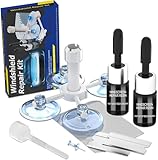
Overview: The Brennenstuhl Windshield Repair Kit offers a comprehensive DIY solution for minor glass damage. Designed to address chips, bullseyes, star-shaped cracks, and half-moon crescents up to 12 inches, this kit provides professional-grade results without the professional price tag. The package includes two bottles of resin, curing strips, blades, a syringe-based repair device, and clear instructions, making it accessible for users of all skill levels.
What Makes It Stand Out: This kit’s standout feature is its dual-bottle system, allowing multiple repairs or larger jobs. The advanced resin formula claims to provide long-lasting protection by reinforcing damaged areas and preventing further deterioration. The syringe thruster design ensures proper pressure application for deep penetration into cracks. Notably, the manufacturer emphasizes its suitability for all users, including those with limited automotive experience, promoting confidence in DIY repairs.
Value for Money: At $13.33, this kit represents exceptional value, costing significantly less than a single professional repair. The inclusion of two resin bottles effectively doubles your repair capacity compared to single-bottle competitors at similar price points. Considering a professional windshield repair typically costs $60-$100, this kit pays for itself after one successful use, making it a wise investment for proactive vehicle maintenance.
Strengths and Weaknesses: Strengths include the comprehensive package with two resin bottles, user-friendly design, quick 20-minute repair time, and versatility across damage types. The clear instructions make it accessible for beginners. Weaknesses include the lack of a UV curing light, relying on sunlight instead, and the syringe system may require practice to master optimal pressure. Results may vary on deeper or older cracks.
Bottom Line: The Brennenstuhl kit delivers excellent value for money with its dual-bottle design and comprehensive approach. It’s ideal for budget-conscious drivers wanting to address minor windshield damage promptly. While it requires sunlight for curing, the kit’s thorough instructions and quality components make it a reliable choice for DIY enthusiasts.
7. J-B Weld 2100 Windshield Saver Repair Kit, 0.025 fl. oz

Overview: The J-B Weld 2100 Windshield Saver Repair Kit offers a streamlined approach to DIY windshield repair from a trusted brand in automotive adhesives. This compact kit is specifically designed for small chips and star-shaped damage up to 1-1/4 inches in diameter on laminated windshields. With minimal components and straightforward application, it targets drivers seeking a quick, no-fuss solution for minor glass imperfections.
What Makes It Stand Out: J-B Weld’s reputation for durable bonding solutions lends credibility to this minimalist kit. Its primary distinction is the ultra-simple application process that requires no complex tools or curing lights. The specialized resin formula is engineered to minimize the appearance of damage while preventing further spreading. The kit’s tiny 0.025 fl. oz volume makes it highly portable and perfect for single, small-scale repairs.
Value for Money: Priced at $12.95, this kit sits in the mid-range despite its smaller resin quantity. The value proposition rests on brand reliability and simplicity rather than volume. For drivers with only a single small chip to address, it eliminates waste and complexity. However, those with multiple damages or larger cracks will find better value elsewhere. It’s cost-effective for one-time use but less economical for ongoing maintenance.
Strengths and Weaknesses: Strengths include trusted brand name, extreme simplicity, no UV light requirement, and focused application for small damages. The minimal learning curve makes it foolproof. Weaknesses are the tiny resin volume limiting repairs, lack of advanced vacuum injection technology, and restricted size capacity (only 1.25" vs 12" competitors). The basic package lacks multiple curing strips or professional-grade components.
Bottom Line: The J-B Weld kit suits drivers needing a quick, one-time fix for a small chip without learning curves. Its brand reliability and simplicity justify the price for minimalists. However, those wanting comprehensive repair capabilities or multiple uses should invest in kits with more resin and advanced features.
8. Windshield Repair Kit - Nano Glass Repair Fluid for Chips & Cracks | Quick Fix, Works on for Chips and Cracks,Cracks Gone Glass Repair Kit, Automotive Windscreen Repair Tool Nano Repair Liquid (Blue)
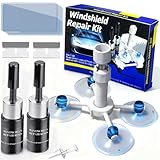
Overview: This Nano Glass Repair Fluid kit positions itself as a technologically advanced solution for windshield damage. Capable of repairing chips and cracks up to 12 inches, including bullseyes, star breaks, and half-moons, it leverages nanotechnology for molecular-level penetration. The kit promises professional results in 5-20 minutes without removing glass, making it an attractive option for DIYers seeking cutting-edge repair methods.
What Makes It Stand Out: The kit’s nano-formulated resin with a 20P-A strength rating and vacuum injection technology sets it apart. Its 5-layer reinforcement technology claims extreme temperature resistance from -40°F to 240°F, addressing a common failure point in DIY repairs. The no-mix formula and deep penetration capabilities aim to eliminate air bubbles and create vibration-resistant repairs that cure three times faster than conventional methods.
Value for Money: At $13.99, this kit offers premium features at a budget-friendly price point. The advanced nano technology and extreme temperature durability typically command higher prices in professional products. Considering its versatility, speed, and professional-grade resin strength, it delivers strong value for drivers in harsh climates or those wanting the latest repair technology without premium cost.
Strengths and Weaknesses: Strengths include advanced nano resin technology, impressive temperature resistance, vacuum injection for bubble-free repairs, and rapid curing time. The universal application across all glass surfaces adds versatility. Weaknesses include reliance on sunlight or separate UV lamp (not included), potentially overstated marketing claims about “molecular-level” repair, and limited information about included components’ quantity.
Bottom Line: This nano-based kit impresses with its advanced technology and extreme durability claims at an accessible price. Ideal for tech-savvy DIYers and those in extreme climates, it offers professional-grade features without the premium cost. Ensure you have UV curing capability to maximize its potential.
9. BLUTOKS Upgraded Windshield Repair Kit for Chips and Cracks – Instant Fix for Chips, Cracks, and Bullseyes, High-Pressure Resin Injection Glass Windshield Crack Repair Kit for Long-Lasting (Orange)

Overview: The BLUTOKS Upgraded Windshield Repair Kit emphasizes high-pressure resin injection and nano technology for comprehensive damage repair. Designed to handle chips, bullseyes, star breaks, and hairline cracks up to 12 inches, this kit promises to restore 95% of original glass strength in about 30 minutes. Its compact, portable design targets drivers wanting professional results with user-friendly operation.
What Makes It Stand Out: This kit’s high-pressure injection system with a specialized tip creates optimal resin penetration, aiming to eliminate air bubbles more effectively than standard syringe designs. The upgraded nano resin formula provides superior clarity and adhesion, while the weather-resistant properties ensure longevity. The compact storage case with secure resin bottle holders adds practical portability for emergency repairs.
Value for Money: At $13.99, this kit competes directly with other nano-tech options while offering unique high-pressure injection. The 95% strength restoration claim suggests professional-grade performance at DIY pricing. The reusable components and storage case enhance long-term value. Compared to $100+ professional repairs, it offers substantial savings, particularly for those with multiple vehicles or recurring chip issues.
Strengths and Weaknesses: Strengths include high-pressure injection technology, strong nano resin formulation, portable organized case, and comprehensive damage coverage. The weather-resistant formula adds durability. Weaknesses include slightly longer repair time (30 minutes vs competitors’ 5-20 minutes), no included UV curing light, and the high-pressure system may intimidate absolute beginners despite clear instructions.
Bottom Line: The BLUTOKS kit excels with its high-pressure injection system and organized portability. It’s perfect for multi-vehicle households or those wanting professional-grade resin application. While it requires UV light for optimal curing, its robust design and storage convenience make it a top contender for serious DIY enthusiasts.
10. Windshield Repair Kit, Windshield Crack Repair Kit with Suction Cup Curing Light, 4 Pcs Car Glass Repair Kit Quick Fix for Chips & Cracks, Windshield Chip Repair Kit, Automotive Nano Fluid(Yellow)

Overview: This comprehensive kit distinguishes itself by including a suction cup-mounted UV curing light, eliminating weather dependency. Engineered for professional-grade results at home, it repairs chips, bullseyes, stars, and cracks up to 12 inches in just 5-10 minutes. The all-in-one package with adjustable UV lamp and four repair sets makes it a complete solution for multiple damages across various glass surfaces.
What Makes It Stand Out: The integrated UV curing light with multiple timer and exposure modes is the standout feature, providing controlled curing regardless of sunlight conditions. The upgraded vacuum holder generating 20PA pressure ensures deep resin penetration. With four complete repair sets and nano fluid requiring no mixing, it offers unmatched convenience and repeatability for households with multiple vehicles or damage incidents.
Value for Money: At $16.99, it’s pricier than competitors but justifies the cost with the included UV curing light and four repair sets. Professional repairs cost $60-$100 each, so this kit pays for itself after fixing two chips. The ability to cure on-demand in any weather adds significant value, particularly for those in cloudy climates or urgent repair situations.
Strengths and Weaknesses: Strengths include included UV curing light with adjustable settings, four repair sets for multiple uses, rapid 5-10 minute process, strong vacuum technology, and all-weather capability. The comprehensive package leaves nothing to purchase separately. Weaknesses include the highest price point among reviewed kits, potential complexity from multiple UV modes that may confuse beginners, and suction cup reliability concerns on curved windshields.
Bottom Line: This kit is the ultimate all-in-one solution for serious DIYers. The included UV light and multiple repair sets justify the premium price, offering true professional capability at home. If you value convenience, weather independence, and multiple repair capacity, this is your best investment despite the slightly higher cost.
Why DIY Windshield Repair Makes Sense
The math is brutally simple. Professional windshield repair typically runs between $75 and $150 per chip, with many technicians charging extra for additional cracks or mobile service fees. A quality DIY kit costs a fraction of that—often less than what you’d pay for a single professional repair—and can handle multiple fixes. But the real value extends beyond your wallet. DIY repair puts you in control of timing, which is critical because windshield damage spreads fastest in the first 24-48 hours. You can stop that chip from becoming a crack at 9 PM on a Sunday when no shops are open. Plus, you’re preventing unnecessary windshield replacements, which saves roughly 25 pounds of non-recyclable laminated glass from landfills per vehicle. For car care enthusiasts who already handle their own oil changes and detailing, windshield repair is the next logical step in self-sufficiency.
Understanding Windshield Damage Types
Before investing in any kit, you need to become fluent in the language of windshield damage. Different break patterns respond differently to repair, and recognizing what you’re dealing with determines whether a kit will work at all.
Bulls-Eye Chips
These circular damages with a clean cone-shaped impact point are the gold standard for DIY repair. The damage pattern is simple, with no radiating cracks, making it ideal for resin injection. A quality kit should create a repair that’s nearly invisible from most angles.
Star Breaks
Characterized by multiple legs radiating from the impact point, star breaks are more complex but still repairable if the cracks haven’t spread beyond 6 inches. The challenge is ensuring resin flows into every leg without trapping air bubbles.
Combination Breaks
These messy damages feature both a bulls-eye center and radiating star legs. They’re the hardest DIY repairs and often indicate the glass has been stressed to its limits. Success depends heavily on the kit’s pressure control and resin viscosity.
Surface Pits
Tiny divots that haven’t penetrated the plastic interlayer don’t require full resin injection. Many kits waste resin on these, but premium options include specialized pit filler for cosmetic restoration.
The Science Behind Windshield Repair
Windshield repair isn’t glue—it’s structural restoration. Your windshield isn’t solid glass; it’s a sandwich of two glass layers with a vinyl interlayer in between. When a rock hits, it creates a cone-shaped crater that fills with air and debris. Quality repair resin has a refractive index matching glass (around 1.52), making it optically invisible once cured. The process involves vacuum cycles that remove air from the damage cavity, followed by pressure injection that forces resin into every microscopic crevice. UV curing then transforms the liquid resin into a solid polymer that bonds to the glass, restoring 80-95% of the windshield’s original strength at that point. Cheap kits skip the vacuum stage or use low-viscosity resin that can’t fill the entire cone, leaving weak spots that can re-crack.
Key Components of a Quality Repair Kit
A truly valuable kit includes more than a syringe and some goop. Professional-grade components separate successful repairs from frustrating failures.
Resin Quality and Viscosity
The heart of any kit is its resin. High-quality resin remains crystal clear after curing, won’t yellow in sunlight, and has the right viscosity—thick enough to fill the entire damage cone but fluid enough to flow into micro-cracks. Premium kits include multiple resin formulas: low-viscosity for fine cracks and high-viscosity for deep chips. Avoid kits that don’t specify viscosity or curing clarity; these are red flags for generic, low-grade formulas that degrade in months.
Bridge or Pedestal Design
The bridge is the apparatus that mounts to your windshield and holds the injector. A stable, adjustable bridge with a flexible seal is non-negotiable. Flimsy suction cups or rigid plastic bridges that don’t conform to your windshield’s curve create air leaks that ruin the vacuum cycle. Look for descriptions mentioning “rotating heads,” “flexible seals,” or “adjustable height”—these indicate engineering that adapts to different windshield angles.
Curing Mechanism
All resins cure under UV light, but the source matters. Kits that include a concentrated UV LED lamp cure resin in 5-15 minutes, regardless of weather. Sunlight-dependent kits seem convenient until you’re repairing a chip in winter or on an overcast day. The best value kits include a small but powerful UV lamp; it’s worth paying extra for this reliability.
Injector Technology
The injector creates the vacuum and pressure cycles. Single-stage injectors are outdated technology. Modern dual-action injectors create a true vacuum first, then switch to pressure injection without removing the apparatus. This prevents air re-entering the damage. Kits boasting “vacuum pressure cycle” or “dual-stage injection” offer professional-level results.
Value Factors Beyond Price
The cheapest kit isn’t the best value, and the most expensive isn’t always premium. True value lives in the cost-per-repair calculation and success rate. A $15 kit that successfully repairs one chip is better value than a $50 kit that fails three times. Consider the number of repairs possible from one resin bottle—quality kits provide enough resin for 6-10 repairs. Check if the kit includes replacement seals and O-rings; these wear out and buying replacements separately adds hidden costs. Also evaluate the instruction quality: video tutorials, detailed diagrams, and customer support access prevent costly mistakes that waste resin and potentially damage your windshield further.
Professional vs. DIY Repair Standards
Professional technicians use $2,000+ equipment with electric injectors and industrial UV lamps, but the chemistry is identical. The key difference is precision and consistency. Pros can reliably repair 90% of damages; a quality DIY kit should achieve 70-80% success in amateur hands. The ANSI standard for windshield repair requires the repair to restore at least 70% of optical clarity and 80% of structural integrity. Any kit worth your money should meet these benchmarks. Where DIY falls short is in complex combination breaks or damage near edges—these require the finesse of experienced hands. Understanding this gap helps set realistic expectations and prevents you from attempting repairs beyond your kit’s capability.
Essential Features to Evaluate
When comparing kits, focus on these specific features that directly impact repair quality and ease of use.
Resin Curing Time
Faster isn’t always better. Resin that cures too quickly under UV light can create stress cracks. Optimal curing takes 5-15 minutes under concentrated UV. Be wary of “instant cure” claims—these often indicate resin that’s too thin to provide structural strength.
Pressure Application System
Manual syringe kits require you to push the plunger, creating inconsistent pressure. Spring-loaded or screw-driven pressure systems apply steady, measured force, ensuring resin fills completely without blowing out the damage. This feature alone separates $10 gimmicks from $30 value leaders.
Bridge Stability and Seal
Test the bridge design mentally: does it have multiple suction points? Can it rotate to match the damage angle? Is the seal material silicone (good) or cheap rubber (bad)? A stable bridge means you can walk away during the vacuum cycle without holding it in place—a huge convenience factor.
UV Protection Inclusion
Post-repair, the resin needs UV protection to prevent yellowing. Quality kits include a finishing film or polish with UV inhibitors. This extends the repair’s lifespan from months to years, making it a critical value component.
Common Mistakes That Waste Your Money
Even the best kit fails in careless hands. The number one money-waster is skipping debris removal. That tiny fleck of glass or dirt prevents resin bonding, dooming the repair. Always use the included probe and cleaning supplies thoroughly. Second mistake: repairing in direct sunlight. UV rays start curing resin prematurely before it’s fully injected. Work in shade, then cure with the included lamp. Third: overfilling the damage. Excess resin requires aggressive scraping that can scratch the glass. Follow fill-level guides precisely. Finally, many users attempt repairs on wet glass—moisture contaminates resin and prevents adhesion. Use a hair dryer on cool setting to ensure the damage area is completely dry.
Safety Considerations You Can’t Ignore
Your windshield provides up to 60% of your roof’s structural support in a rollover. A failed repair compromises this safety feature. Never repair damage in the driver’s critical viewing area (the “A-zone” roughly 12 inches wide centered on the steering wheel). Most states require replacement, not repair, for damage here. Also, any repair that leaves visible distortion creates a safety hazard. If the finished repair shows waves or bubbles directly in your sightline, it’s a failed repair from a safety perspective. Quality kits include clarity tests—hold a flashlight behind the repair and check for shadows that indicate incomplete filling. Additionally, wear safety glasses when probing the damage; microscopic glass shards can launch into your eyes.
When to Walk Away: Limitations of DIY Kits
No kit, regardless of price, can repair every type of damage. Cracks longer than 6 inches, damage at the windshield’s edge (within 3 inches of the seal), or anything that has penetrated both glass layers require professional assessment. Multiple intersecting cracks create a web that DIY injectors can’t navigate. If the impact point is larger than a quarter, the structural damage may be too extensive for resin alone. Also, old damage that’s been collecting moisture and dirt for months has likely corroded the glass surfaces, preventing proper bonding. Attempting these repairs wastes resin and can spread the damage, turning a $150 professional repair into a $400 replacement. Know your limits—this discernment is the mark of a true car care expert.
Longevity: What to Expect from Your Repair
A properly executed DIY repair should last the remaining life of the windshield. The resin itself is chemically stable and won’t degrade. However, real-world factors affect longevity. Temperature fluctuations cause glass expansion and contraction; quality resin flexes with these changes, but cheap resin can crack within months. Sun exposure is the real enemy—without UV inhibitors, resin yellows in 6-12 months, becoming visible and weakening. Premium kits produce repairs that remain invisible and strong for 5+ years. Monitor your repair seasonally: any change in appearance means the bond is failing. The best value kits provide enough extra resin for touch-ups, extending the effective lifespan of your repair without additional purchases.
Storage and Shelf Life Best Practices
Resin has a shelf life, typically 12-24 months unopened. Once opened, oxygen begins degrading it. Quality kits include airtight caps and storage tubes that extend opened resin life to 6 months. Store kits in a cool, dark place—heat accelerates chemical breakdown. The UV lamp’s battery can also degrade; remove batteries for long-term storage. Bridges and injectors should be cleaned with alcohol after each use to prevent resin buildup that ruins seals. Many enthusiasts don’t realize that altitude affects resin storage—if you live above 5,000 feet, the lower pressure can cause resin bottles to slowly off-gas, reducing effectiveness. Store them in sealed bags to minimize this effect. A kit that includes storage instructions shows manufacturer attention to detail and protects your investment.
Maximizing Success: Pro Tips for First-Timers
Your first repair determines whether you’ll trust DIY methods forever or write them off as gimmicks. Start with damage on a side window or old windshield you can afford to replace—practice matters. Warm the resin bottle in your pocket for 10 minutes before use; slightly warmed resin flows better into micro-cracks. Use painter’s tape to mark a 1-inch border around the damage—this prevents resin from spreading on the glass and makes cleanup easier. During the vacuum cycle, gently tap the glass around the damage with a screwdriver handle; the vibration helps dislodge trapped air bubbles. When scraping excess cured resin, use a new razor blade held at a 45-degree angle; old blades scratch glass. Finally, patience is your best tool. Rushing any step—cleaning, vacuum, injection, or curing—guarantees subpar results. A methodical 30-minute repair beats a failed 10-minute rush every time.
Warranty and Support: The True Value Indicator
A kit’s warranty reveals the manufacturer’s confidence. Look for at least a 1-year warranty on the apparatus and a guarantee on resin performance. More importantly, check for accessible customer support—phone numbers, email, or chat support indicate a company that stands behind its product. Some manufacturers offer free resin replacement if your first repair fails, which effectively makes the kit risk-free. Read warranty fine print: many void if you don’t follow instructions exactly, which is why detailed guides matter. The ultimate value indicator is a money-back guarantee. Companies offering this know their success rates are high enough to absorb occasional returns. A kit without any warranty or support is a gamble; even at $10, it’s expensive if it fails and costs you a windshield.
Legal and Insurance Implications
Here’s where car care meets real-world consequences. Most insurance companies waive deductibles for professional repairs because it saves them money on replacements. DIY repairs can complicate claims—some policies require documentation from certified technicians. However, a successful DIY repair that prevents crack spread is still viewed favorably; just document the before/after with photos. State inspection laws vary: some prohibit any repair in the driver’s direct vision area, while others allow repairs under 1 inch diameter. A botched DIY job that creates visible distortion can cause inspection failure. If you’re leasing, check your agreement—some require professional repairs to avoid end-of-lease penalties. The value calculation here is nuanced: a $30 kit that prevents a crack might save your inspection status, but if it fails and you’re cited, the “savings” evaporate. When in doubt, get a professional estimate first; many are free and help you make an informed DIY decision.
Frequently Asked Questions
Can I really achieve professional-quality results with a DIY kit?
Yes, but with important caveats. On simple bulls-eye chips smaller than a dime, a premium DIY kit can achieve 85-90% of professional quality in clarity and strength. The gap widens with complex star breaks and combination damage, where professional experience and $2,000 equipment make a measurable difference. Your success depends more on damage type, your patience, and kit quality than on some magical professional secret.
How do I know if a chip is too old to repair?
The “too old” threshold isn’t about time—it’s about contamination. A chip from six months ago that’s been sealed from moisture and dirt is more repairable than a week-old chip exposed to rain and road grime. Inspect the damage: if it’s turned white or has visible dirt packed inside that can’t be removed with a probe, the glass has likely started to corrode. Also, if water settles in the chip and doesn’t evaporate quickly, the inner layer is compromised.
What’s the ideal temperature for windshield repair?
Resin flows and cures best between 60°F and 85°F. Below 60°F, resin becomes too viscous to penetrate micro-cracks; above 85°F, it cures too quickly, creating stress. If you must repair in cold weather, warm the windshield with a hair dryer on low heat for 5 minutes, then work quickly. In extreme heat, work in early morning shade. Many failed repairs trace back to temperature issues, not kit quality.
Will my insurance rates go up if I DIY repair instead of using their preferred shop?
Generally, no. Insurance rates are based on claims paid, not preventive maintenance you perform yourself. Since you’re not filing a claim for a DIY repair, there’s no trigger for rate adjustment. However, if the repair fails and the crack spreads, then you file a comprehensive claim for replacement, that could affect rates depending on your claim history. Think of DIY repair as insurance against needing insurance.
How many repairs can I realistically get from one kit?
Most kits include 2-4ml of resin, enough for 6-10 quarter-sized chips. The limiting factor is often the curing strips and seals, not the resin itself. Quality kits sell replacement consumables separately, extending the apparatus’s life indefinitely. If you’re repairing a fleet or multiple family vehicles, calculate the consumable cost per repair—some “cheap” kits require buying entirely new kits when resin runs out, while premium ones offer refill packs that drop the per-repair cost to under $3.
Can I use windshield repair resin to fix phone screens or other glass?
Absolutely not. Windshield resin is engineered for laminated glass (two layers with plastic between). Phone screens, mirrors, and house windows are tempered or annealed glass with different properties. The resin won’t bond correctly and can cause further damage. Some specialized resins exist for other glass types, but windshield repair resin is single-purpose. Using it elsewhere wastes expensive material and risks ruining the item you’re trying to fix.
Why do some repairs look perfect immediately but reappear months later?
This is the yellowing effect from UV degradation of low-quality resin. The repair looked good because fresh resin is clear, but without UV inhibitors, sunlight breaks down the polymer chains, causing cloudiness. This is why the finishing step with UV-protective polish is crucial. Premium resins include stabilizers that prevent this breakdown for years. If your repair yellowed, the initial kit didn’t provide lasting value, regardless of its upfront cost.
Is there any damage location that’s automatically beyond DIY repair?
Yes. Any damage within 3 inches of the windshield edge compromises the structural seal and requires professional evaluation. The “A-zone” directly in the driver’s line of sight (roughly 12 inches wide, centered on the steering wheel, from the top of the wipers to the rearview mirror) is legally off-limits for DIY in most states. Also, damage in the black ceramic border area is tricky—the texture prevents proper seal formation.
How does altitude affect windshield repair kit performance?
At elevations above 5,000 feet, lower air pressure reduces vacuum effectiveness and can cause resin to boil at lower temperatures. You may need to extend vacuum cycles by 50% to fully evacuate air. Some manufacturers offer high-altitude resin formulas with adjusted viscosities. If you live in mountainous regions, contact kit manufacturers before purchasing to ensure compatibility—this specialized need separates serious manufacturers from generic importers.
What’s the environmental impact of DIY versus professional repair?
DIY repair wins environmentally when done correctly. You’re eliminating a service vehicle’s travel emissions and using minimal packaging. However, a failed DIY repair that necessitates windshield replacement creates 25 pounds of non-recyclable waste. The environmental value calculation hinges on success rate. Using a quality kit with proper technique has a lower carbon footprint than professional repair. But attempting a repair beyond your skill level with a cheap kit has the worst footprint of all—wasted materials plus eventual replacement. Choose wisely.