That mysterious steering wheel shake at highway speeds isn’t always a tire balance issue. More often than you’d think, it’s a silent cry from your wheels struggling with improper centering. hub centric rings—the small, inexpensive components that bridge the gap between your wheel’s center bore and your vehicle’s hub—are the unsung heroes of a smooth ride. While they cost less than a tank of gas, their impact on driving comfort, safety, and component longevity is disproportionately massive. Whether you’re mounting fresh aftermarket wheels or troubleshooting persistent vibrations, understanding these precision spacers is essential knowledge for any car care enthusiast who demands perfection from their ride.
What Are Hub Centric Rings and Why Do They Matter?
Top 10 Hub Centric Rings
Detailed Product Reviews
1. StanceMagic Hubcentric Rings (Pack of 4) - 66.1mm ID to 73.1mm OD - Black Poly Carbon Plastic Hubrings Hub - For 66.1mm Vehicle Hubs and 73.1mm Wheel Centerbore - Compatible with Nissan and Infiniti
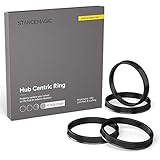
Overview: The StanceMagic Hubcentric Rings deliver a targeted solution for Nissan and Infiniti owners battling aftermarket wheel vibrations. These black polycarbonate rings precisely fill the gap between 66.1mm vehicle hubs and 73.1mm wheel centerbores, ensuring proper centering during installation. The four-piece set provides complete coverage for one vehicle, addressing a common issue that affects driving comfort and wheel longevity.
What Makes It Stand Out: These rings distinguish themselves through comprehensive vehicle compatibility spanning decades of Nissan and Infiniti models, from vintage 240SX to modern QX series. The corrosion-resistant polycarbonate construction offers durability without premium metal pricing. CNC-machined precision ensures exact tolerances, eliminating guesswork and providing factory-like fitment that properly transfers load from wheel to hub.
Value for Money: At $8.39 for four, these rings represent exceptional value. They cost substantially less than aluminum alternatives while effectively eliminating street-driving vibrations. For daily drivers and moderate performance applications, polycarbonate provides sufficient longevity. This economical fix prevents costly wheel balancing attempts and potential premature wheel bearing wear caused by improper centering.
Strengths and Weaknesses: Strengths include aggressive pricing, extensive model coverage, corrosion resistance, and straightforward installation using basic tools. The material handles typical street conditions admirably. Weaknesses involve polycarbonate’s limitations under extreme heat or track conditions where aluminum excels. These rings only address hub-centric vibrations, not issues from unbalanced tires or worn suspension components. Users must carefully verify measurements before ordering.
Bottom Line: These StanceMagic polycarbonate rings are an outstanding budget choice for Nissan and Infiniti owners seeking vibration-free aftermarket wheel performance. They deliver reliable daily-driving results at a fraction of premium alternatives’ cost.
2. STANCEMAGIC Hubcentric Rings (Pack of 4) - 66.1mm ID to 73.1mm OD - Silver Aluminum Hubrings Hub - for 66.1mm Vehicle Hub and 73.1mm Wheel Centerbore - Compatible with Nissan and Infiniti

Overview: The STANCEMAGIC Aluminum Hubcentric Rings provide a premium solution for Nissan and Infiniti vehicles requiring precise hub-to-wheel bore alignment. These CNC-machined billet aluminum rings eliminate vibrations by perfectly centering 73.1mm aftermarket wheels on 66.1mm factory hubs. The four-piece set ensures complete vehicle coverage with professional-grade materials.
What Makes It Stand Out: Billet aluminum construction distinguishes these rings from plastic counterparts, offering superior heat resistance and structural integrity critical for performance applications. The precision CNC machining maintains exact tolerances under extreme conditions, making them ideal for track use, heavy braking, and high-torque scenarios where plastic might deform. The silver finish provides a professional appearance visible during wheel changes.
Value for Money: At $15.99, these rings cost nearly double plastic versions but deliver proportional benefits for performance builds. The aluminum construction provides indefinite durability and superior resilience under stress. For daily drivers, the premium may be unnecessary, but for modified vehicles or track use, the investment prevents potential wheel seating issues and ensures consistent performance throughout extreme temperature cycles.
Strengths and Weaknesses: Strengths include exceptional durability, heat resistance, precise machining, and professional aesthetics. Aluminum eliminates compression concerns entirely. Weaknesses center on higher cost and potential galvanic corrosion if anodizing fails. The material is overkill for casual street use, making the extra expense harder to justify for non-performance applications. Compatibility remains limited to specific Nissan/Infiniti models.
Bottom Line: Choose these aluminum rings for performance applications, track use, or maximum longevity. Daily drivers will find better value in plastic alternatives, but enthusiasts demanding the best hub-centric solution will appreciate the premium construction and peace of mind.
3. StanceMagic Hubcentric Rings (Pack of 4) - 60.1mm ID to 73.1mm OD - Black Poly Carbon Plastic Hubrings - Only Compatible with Toyota and Lexus with 60.1mm Vehicle Hubs and 73.1mm Wheel Centerbore
Overview: StanceMagic’s Toyota and Lexus-specific hubcentric rings resolve vibration issues for owners of these premium Japanese vehicles running aftermarket wheels. The 60.1mm ID to 73.1mm OD specification accommodates numerous Toyota and Lexus models, using black polycarbonate plastic to ensure proper wheel centering and eliminate speed-sensitive vibrations that compromise driving refinement.
What Makes It Stand Out: This product’s dedicated Toyota/Lexus focus ensures perfect compatibility across an impressive range including Camry, RAV4, Supra, and multiple Lexus IS, GS, and RX series. The rings cover vehicles from 1976 through 2021, demonstrating remarkable engineering consistency. Polycarbonate construction maintains cost-effectiveness while providing adequate strength for street applications, making premium hub-centric mounting accessible.
Value for Money: Priced at $9.99, these rings occupy the sweet spot for brand-specific fitment. They cost marginally more than generic alternatives but provide the confidence of manufacturer-verified compatibility. For Toyota and Lexus owners, this assurance saves potential time and money compared to trial-and-error purchasing, making the modest premium worthwhile for guaranteed correct fitment.
Strengths and Weaknesses: Strengths include Toyota/Lexus-specific engineering, extensive model coverage, corrosion-resistant plastic, and straightforward installation converting lug-centric to hub-centric mounting. The rings effectively eliminate vibration issues when properly fitted. Weaknesses involve polycarbonate’s limitations under extreme performance conditions and the single-size specificity, which offers no application flexibility. Buyers must meticulously verify hub and bore dimensions, as the company emphasizes measurement responsibility.
Bottom Line: These rings represent the ideal solution for Toyota and Lexus owners seeking vibration-free aftermarket wheel performance. The model-specific compatibility and fair pricing make them a intelligent purchase for street-driven vehicles where precision matters.
4. StanceMagic Hubcentric Rings (Pack of 4) - 71.5mm ID to 78.1mm OD - Black Poly Carbon Plastic Hubrings - Compatible with Jeep Dodge Chrysler with 71.5mm Hubs and 78.1mm Bore Wheels
Overview: The StanceMagic Hubcentric Rings for Mopar vehicles address centering problems for Jeep, Dodge, and Chrysler owners with 71.5mm hubs and 78.1mm wheel bores. These black polycarbonate rings eliminate vibrations plaguing many aftermarket wheel installations on these popular American vehicles, ensuring smooth operation and proper load distribution across the hub assembly for improved driving dynamics.
What Makes It Stand Out: These rings feature exceptional compatibility across Chrysler Group’s extensive portfolio, covering Jeep Wranglers, Cherokees, Grand Cherokees, Dodge Challengers, Chargers, Durangos, and multiple Chrysler sedans and minivans. The 71.5mm to 78.1mm size range addresses a common mismatch for Mopar enthusiasts upgrading to aftermarket wheels. Robust polycarbonate construction withstands typical street and light off-road use without corrosion concerns.
Value for Money: At $10.49, these rings offer compelling value for the Mopar community. They prevent the expense of custom machining or returning incompatible wheels. For Jeep owners frequently upgrading wheels for off-road aesthetics, these rings provide an affordable solution maintaining on-road drivability without compromising aftermarket appearance, representing smart preventative maintenance.
Strengths and Weaknesses: Strengths include broad Mopar compatibility, durable polycarbonate construction, easy installation, and effective vibration elimination. The rings handle daily driving and moderate off-road conditions competently. Weaknesses center on plastic’s potential limitations under severe off-road abuse where aluminum better resists impact and deformation. The highly specific size offers no cross-application utility. Users must verify measurements carefully, as improper fitment consequences are more severe on heavier Mopar vehicles.
Bottom Line: Essential for Mopar owners running aftermarket wheels, these rings deliver reliable performance at a reasonable price. While aluminum offers more durability for extreme use, polycarbonate suffices for most street and moderate off-road applications, making these a practical choice.
5. WHEEL CONNECT Hub Centric Rings, 73.1 to 64.1, Set of 4, ABS Plastic Hubrings, O.D:73.1-I.D:64.15 (64.1) mm. P

Overview: WHEEL CONNECT’s Hub Centric Rings provide a Canadian-engineered solution for vehicles requiring 64.1mm to 73.1mm adaptation. These ABS plastic rings convert lug-centric aftermarket wheels to hub-centric mounting, eliminating vibrations from improper centering. The four-piece set targets a specific size mismatch common in the aftermarket wheel market, emphasizing buyer measurement responsibility for proper fitment.
What Makes It Stand Out: As a Canadian brand, WHEEL CONNECT emphasizes domestic design and service, potentially offering distinct customer support. ABS plastic construction provides an alternative to polycarbonate with potentially different wear characteristics. Clear size designation (64.15/64.1mm ID) helps prevent ordering errors, addressing a frequent pitfall in hub ring purchases where slight measurement variations cause fitment failures and frustration.
Value for Money: At $8.99, these rings compete directly with established brands’ plastic offerings. The price point attracts budget-conscious buyers, though the brand lacks StanceMagic’s market presence. The value proposition hinges on proper fitment verification, as explicit buyer responsibility for sizing reduces costly returns but increases pre-purchase research requirements, potentially offsetting initial savings with time investment.
Strengths and Weaknesses: Strengths include competitive pricing, Canadian brand support, clear sizing documentation, and ABS material that may offer different durability characteristics. The company provides professional fitment advice upon request. Weaknesses involve less comprehensive compatibility listings, requiring more buyer research. The ABS versus polycarbonate performance debate lacks industry consensus. The brand’s smaller market presence may concern warranty-minded consumers. Sizing notation (64.15 or 64.1mm) could confuse inexperienced buyers.
Bottom Line: A viable alternative for those needing this exact size, WHEEL CONNECT’s rings offer good value with Canadian backing. However, buyers must diligently verify measurements and may prefer established brands for their first hub ring purchase where comprehensive compatibility data provides additional confidence.
6. Hubcentric Rings (Pack of 4) - 64.1mm ID to 73.1mm OD - Silver Aluminum Hubrings - Only Fits 64.1mm Vehicle Hub and 73.1mm Wheel Centerbore - Compatible with Honda Acura
Overview: These StanceMagic hubcentric rings bridge the gap between 64.1mm vehicle hubs and 73.1mm wheel centerbores, targeting Honda, Acura, and Tesla owners with aftermarket wheels. CNC-machined from billet aluminum, they promise to eliminate installation vibrations by ensuring proper wheel centering. The silver finish provides a clean, professional look behind your wheels.
What Makes It Stand Out: The extensive compatibility list is impressive, covering nearly every modern Honda and Acura model plus all Tesla vehicles (Model S, 3, X, Y). The CNC-machined aluminum construction offers superior durability compared to plastic alternatives, resisting corrosion and maintaining structural integrity under extreme conditions. These rings address a precise fitment issue that commonly plagues enthusiasts upgrading to aftermarket wheels.
Value for Money: At $18.29 for a pack of four, these rings sit in the mid-range price bracket. While more expensive than basic plastic rings, the billet aluminum construction justifies the premium. For Honda/Acura/Tesla owners, the perfect fitment and durability make this a worthwhile investment that prevents costly vibration issues and potential wheel bearing damage.
Strengths and Weaknesses: Strengths include precision CNC machining, durable aluminum construction, comprehensive vehicle compatibility, and effective vibration elimination. Weaknesses are the rigid size specificity—only fitting 64.1mm hubs and 73.1mm wheels—and higher cost than plastic alternatives. Installation requires careful measurement beforehand.
Bottom Line: Ideal for Honda, Acura, or Tesla owners with aftermarket wheels needing this exact size. The aluminum construction and brand reliability make it worth the modest premium over plastic options.
7. LUJIANI Red Universal Hub Centric Ring, 73.1 mm OD to 56.1 mm ID Centerbore, Aluminum Alloy Wheels Center Shaft Shock Absorbing Hubrings, Hub Adapter Rings Compatible with Most Vehicles, Pack of 4

Overview: LUJIANI’s red anodized hubcentric rings address fitment gaps between 56.1mm vehicle hubs and 73.1mm wheel centerbores. Constructed from CNC-machined 6061-T6 aluminum alloy, these rings target vibration elimination while adding a distinctive aesthetic touch. The 10mm thickness provides substantial material for secure centering.
What Makes It Stand Out: The vibrant red finish isn’t just cosmetic—it helps technicians verify proper installation at a glance. The 6061-T6 aluminum grade offers excellent strength-to-weight ratio and superior corrosion resistance compared to lower-grade materials. LUJIANI markets these as “universal,” though they maintain strict dimensional requirements. The claimed shock-absorbing properties add a layer of vibration damping beyond simple centering.
Value for Money: At $14.99 for four rings, this represents solid value for CNC-machined 6061-T6 aluminum. The price undercuts many competitors while offering premium material specifications. For vehicles requiring this exact sizing, it’s an economical solution that doesn’t sacrifice quality or durability.
Strengths and Weaknesses: Strengths include high-grade aluminum construction, corrosion resistance, distinctive red coloring for installation verification, and competitive pricing. Weaknesses involve the potentially misleading “universal” label and sparse vehicle-specific compatibility information. The brand lacks the established reputation of some competitors, requiring buyers to verify measurements meticulously.
Bottom Line: A cost-effective aluminum solution for enthusiasts needing 56.1mm to 73.1mm hubrings. The red color and 6061-T6 construction make it appealing, but confirm your measurements twice before ordering.
8. WHEEL CONNECT Hub Centric Rings, 106 to 78.1, Set of 4, ABS Plastic Hubrings, O.D:106 (106.1) - I.D:78.1mm.
Overview: WHEEL CONNECT offers ABS plastic hubcentric rings sized 78.1mm ID to 106mm OD, designed to eliminate vibrations from improperly centered aftermarket wheels. This Canadian brand focuses on converting lug-centric installations to hub-centric ones, ensuring proper wheel alignment. The black plastic construction provides a functional, corrosion-resistant solution.
What Makes It Stand Out: As a Canadian-designed brand, WHEEL CONNECT emphasizes local service and quality assurance. The ABS plastic material offers unique benefits—it’s completely immune to corrosion and provides slight flexibility during installation. The company notably stresses buyer responsibility for correct sizing, encouraging precise measurement before purchase. This transparency helps prevent fitment errors.
Value for Money: At $16.99, these rings are priced competitively with entry-level aluminum options. While ABS plastic costs less to manufacture, the price reflects the brand’s quality assurance and design standards. For those specifically wanting plastic rings—perhaps for easier installation or corrosion immunity—the value is reasonable, though aluminum alternatives exist at similar price points.
Strengths and Weaknesses: Strengths include corrosion-proof ABS construction, Canadian brand support, clear installation benefits, and emphasis on proper fitment. Weaknesses involve plastic’s lower durability versus aluminum, pricing that approaches metal alternatives, and the need for careful buyer measurement without extensive vehicle compatibility lists.
Bottom Line: Best for buyers preferring plastic construction or those requiring this exact size. The Canadian brand backing is reassuring, but consider whether aluminum rings might provide better longevity for a similar investment.
9. Hubcentric Rings (Pack of 4) - 57.1mm ID to 66.6mm OD - Silver Aluminum Hubrings - for 57.1mm Hubs and 66.6mm Wheels - Compatible with Audi Volkswagen VW BMW Chrysler Dodge Pontiac
Overview: These StanceMagic hubcentric rings fill the gap between 57.1mm vehicle hubs and 66.6mm wheel centerbores, serving owners of Audi, Volkswagen, BMW, Chrysler, Dodge, and Pontiac vehicles. CNC-machined from billet aluminum, they eliminate vibrations by ensuring precise wheel centering during installation. The silver finish maintains a professional appearance.
What Makes It Stand Out: The remarkable compatibility spans multiple European and American manufacturers, covering numerous models from Audi’s A-series to VW Golf and Jetta, plus select BMW, Chrysler, Dodge, and Pontiac vehicles. This broad fitment makes it a go-to solution for many enthusiasts. The CNC-machined aluminum construction ensures tight tolerances and long-term durability, maintaining performance under demanding conditions.
Value for Money: Priced at $16.89 for four rings, this offers excellent value for CNC-machined aluminum hubrings. The cost is competitive with lesser-quality alternatives while providing StanceMagic’s reputation for precision. For owners of compatible vehicles, it prevents expensive vibration and alignment issues at a fraction of the cost of custom wheels.
Strengths and Weaknesses: Strengths include durable billet aluminum construction, extensive vehicle compatibility, effective vibration elimination, and precise machining. Weaknesses are the strict dimensional requirements—only fitting 57.1mm hubs and 66.6mm wheels—and the need for careful measurement verification. The brand commands a slight premium over no-name alternatives.
Bottom Line: Highly recommended for European and American vehicle owners requiring this specific size. The combination of StanceMagic quality, broad compatibility, and competitive pricing makes it a smart purchase.
10. Wheel Accessories Parts Set of 4 Hub Centric Ring 108mm OD to 87.10mm Hub ID, Polycarbonate (Wheel Hub Ring, 4 Pack, 108 mm OD to 87.10 mm ID Wheel Centerbore, Polycarbonate)

Overview: These hubcentric rings from Wheel Accessories Parts fill the gap between 87.10mm vehicle hubs and 108mm wheel centerbores. Precision-manufactured from polycarbonate, they feature chamfered edges for smoother installation. Designed to eliminate vibrations and prevent bearing wear, these rings offer a cost-effective solution for proper wheel centering.
What Makes It Stand Out: The polycarbonate construction provides a unique middle ground between plastic and aluminum—tougher than ABS but more affordable than billet aluminum. The chamfered edges demonstrate attention to installation detail, reducing the risk of damage during mounting. The material withstands harsh temperatures and resists corrosion effectively. This specific size combination serves a niche but important segment of the aftermarket wheel market.
Value for Money: At $13.94 for four rings, this is the most budget-friendly option reviewed. The polycarbonate material delivers durability approaching aluminum at a significantly lower price point. For cost-conscious enthusiasts needing this exact size, it offers exceptional value without sacrificing essential performance characteristics.
Strengths and Weaknesses: Strengths include the lowest price point, durable polycarbonate construction, chamfered edges for easy installation, and temperature resistance. Weaknesses involve the generic brand name, limited published compatibility information, and polycarbonate’s slightly lower strength compared to aluminum. Buyers must verify measurements independently.
Bottom Line: An outstanding budget choice for those requiring 87.10mm to 108mm sizing. The polycarbonate construction and chamfered edges provide excellent functionality at an unbeatable price, making it perfect for cost-conscious builders.
Hub centric rings are precision-machined spacers that fill the gap between the center bore of an aftermarket wheel and the hub pilot of your vehicle. Most aftermarket wheels are manufactured with a large center bore to fit multiple vehicle makes, leaving a gap that prevents the wheel from sitting perfectly centered on your hub. Without this crucial component, your wheels are technically “lug centric,” meaning the lug nuts alone are responsible for centering the wheel—a task they were never designed to handle with precision.
The Anatomy of a Hub Centric Ring
Each ring consists of two critical measurements: the outer diameter (OD) that matches your wheel’s center bore, and the inner diameter (ID) that matches your vehicle’s hub pilot. These tolerances are typically machined to within 0.01mm, creating a friction-fit connection that ensures perfect rotational alignment. The ring’s thickness varies based on the gap it needs to fill, usually ranging from 2mm to 10mm, though some applications require even more substantial spacers.
The Science Behind Wheel Vibrations: How Hub Centric Rings Solve the Problem
Wheel vibrations occur when the rotational mass of your wheel and tire assembly isn’t perfectly aligned with the axis of rotation. Even a 0.5mm offset at the hub translates to a significant wobble at the tire’s outer edge. This misalignment creates a phenomenon called radial runout, where the wheel assembly rotates in a slightly elliptical pattern rather than a perfect circle. Hub centric rings eliminate this by mechanically ensuring the wheel’s center bore and the vehicle’s hub share the exact same center point.
The Physics of Vibration Dampening
When lug nuts alone center a wheel, they create uneven clamping force around the hub. This leads to micro-movements as the wheel rotates under load—acceleration, braking, and cornering forces exacerbate these tiny shifts. Over time, these movements cause the lug nuts to loosen slightly, further compounding the vibration issue. Hub centric rings transfer the load-bearing responsibility back to the hub, where it belongs, allowing the lug nuts to simply clamp the wheel in place rather than fighting to center it.
Hub Centric vs. Lug Centric: Understanding the Critical Difference
The distinction between hub centric and lug centric mounting is fundamental to wheel installation philosophy. OEM wheels are almost always hub centric, meaning they’re designed to fit your specific vehicle’s hub pilot exactly, with zero gap. Aftermarket wheels, seeking universal application, abandon this principle for flexibility. Lug centric mounting relies on the tapered seat of the lug nuts to pull the wheel into center as they’re tightened—a method that works adequately for some applications but fails to deliver the precision required for modern performance and comfort standards.
When Lug Centric Might Be Acceptable
For off-road vehicles with extremely low-speed operation or show cars that rarely see highway speeds, lug centric mounting might suffice. Conical lug nuts can center wheels reasonably well if torqued perfectly in a star pattern with a calibrated torque wrench. However, this approach leaves zero margin for error and will never match the vibration-free performance of a properly hub-centered setup. For daily drivers, performance vehicles, or any car seeing regular highway use, hub centric rings are non-negotiable.
Material Matters: Choosing Between Aluminum and Plastic Rings
The material debate between aluminum and high-performance plastic rings is more nuanced than simple cost considerations. Each material brings distinct properties that affect performance, durability, and installation characteristics. Your choice should be informed by driving conditions, climate, and performance expectations rather than just budget.
Anodized Aluminum vs. Raw Aluminum vs. High-Temp Plastic
Anodized aluminum rings offer superior corrosion resistance and dimensional stability across temperature extremes. The anodizing process creates a hard oxide layer that prevents galvanic corrosion between the aluminum ring and steel hub. Raw aluminum rings, while cheaper, can oxidize and swell slightly over time, making removal difficult. High-temp plastic rings (typically made from polycarbonate or PEEK materials) resist corrosion completely, install and remove easily, and handle heat exceptionally well, but may lack the ultimate rigidity of aluminum for extreme performance applications.
Measuring for Perfect Fit: A Step-by-Step Guide
Precision measurement is the cornerstone of proper hub centric ring selection. Guessing or relying on “close enough” measurements will defeat the entire purpose of these components. The difference between a perfect fit and a problematic one can be less than half a millimeter.
Tools You’ll Need for Accurate Measurement
A digital caliper is essential—preferably one measuring to 0.01mm accuracy. Avoid using tape measures or rulers. For hub diameter, measure across the hub pilot at multiple points to check for uniformity. Some hubs develop wear ridges or corrosion that affect diameter. For wheel center bore, measure the inner diameter of the wheel’s center hole, not the decorative cap area. Clean both surfaces thoroughly before measuring; even a thin layer of brake dust can skew measurements by 0.1mm.
Common Signs You Need Hub Centric Rings
Vibrations aren’t the only symptom of missing or incorrect hub centric rings. Many drivers install aftermarket wheels and live with subtle issues for months before identifying the root cause. Recognizing these early warning signs can save you from premature tire wear, suspension component damage, and endless frustration.
Highway Speed Symptoms vs. City Driving Clues
Highway driving reveals the most obvious signs: steering wheel shimmy between 55-70 mph, seat or floor pan vibrations, and a general sense that the car feels “busy” on smooth pavement. City driving clues include uneven brake pad wear from the wheel shifting microscopically under braking, mysterious clicking sounds when turning at low speeds, and lug nuts that seem to require frequent re-torquing. If your wheels were balanced multiple times and vibrations persist, hub centric issues are the prime suspect.
Installation Best Practices for Hub Centric Rings
Proper installation ensures your rings perform as designed and remain serviceable for years. Rushing this simple process can lead to stuck rings, improper seating, or even wheel damage. The few extra minutes spent on correct installation pay dividends in performance and maintenance ease.
The “Dry Fit” Test Explained
Before final installation, perform a dry fit by sliding the ring onto the hub without the wheel. It should seat fully against the hub’s flange with light hand pressure—if it requires hammering, something is wrong. The ring should not spin freely once seated; a slight friction fit is correct. Next, test-fit the wheel over the ring without lug nuts. The wheel should slide on smoothly and seat flush against the brake rotor or drum surface. Any binding indicates a sizing issue that must be corrected before proceeding.
The Hidden Costs of Skipping Hub Centric Rings
The true expense of running without hub centric rings extends far beyond a minor vibration annoyance. This cost manifests across multiple vehicle systems, often disguised as unrelated issues that lead to expensive, unnecessary repairs. Understanding these cascading failures helps justify the minimal investment in proper rings.
Long-Term Damage to Wheel Bearings
Wheel bearings are designed to handle radial loads (vehicle weight) and axial loads (cornering forces), but they’re not built to manage the oscillating stress of an off-center wheel. The constant micro-wobbling created by lug centric mounting introduces a side-loading pattern that accelerates bearing wear by as much as 300%. This premature failure often appears as a roaring noise mistaken for tire wear, leading to bearing replacement that costs hundreds of dollars—far more than a set of quality hub centric rings.
How Long Do Hub Centric Rings Last? Durability Explained
Quality hub centric rings should last the lifetime of your wheel and tire setup, but several factors can compromise their longevity. Understanding the wear mechanisms helps you inspect and replace them proactively rather than waiting for vibration symptoms to return.
Signs of Wear and When to Replace
Inspect rings during every seasonal wheel change. Aluminum rings may develop corrosion at the hub interface, appearing as white powdery residue or pitting. Plastic rings can crack from age or heat cycling, especially if they’ve been removed and reinstalled multiple times. Any ring that becomes loose on the hub or shows visible deformation should be replaced immediately. Most quality rings last 5-7 years under normal conditions, but track use or harsh climates may require replacement every 2-3 years.
Performance Benefits Beyond Vibration Reduction
While vibration elimination is the primary selling point, properly fitted hub centric rings deliver subtle performance improvements that serious drivers notice immediately. These benefits extend to handling precision, brake performance, and even acceleration feel.
Improved Handling and Steering Response
With the wheel perfectly centered, steering inputs translate more directly to the road. The vague, slightly disconnected feeling common with lug centric setups disappears, replaced by crisp turn-in response and better on-center feel. During hard cornering, the wheel’s contact patch remains more consistent because the wheel isn’t shifting microscopically on the hub, providing more predictable grip and feedback through the steering wheel.
Troubleshooting Common Hub Centric Ring Issues
Even with correct sizing and installation, problems can arise. Knowing how to diagnose and resolve these issues quickly prevents extended downtime and frustration. Most problems stem from simple oversights that are easily corrected once identified.
Ring Stuck on Hub? Removal Techniques
Corrosion or heat cycling can fuse aluminum rings to steel hubs. Never pry with screwdrivers, which damages the hub surface. Instead, apply penetrating oil around the hub-ring interface and let it soak. Use a rubber mallet to tap the wheel side of the ring gently. For stubborn cases, heat the ring (not the hub) with a heat gun to expand it slightly. Plastic rings rarely stick but can break; if a piece remains on the hub, carefully score it with a utility knife and peel it away.
OEM vs. Aftermarket: Making the Right Choice
The market offers both original equipment manufacturer (OEM) rings and countless aftermarket alternatives. While OEM guarantees perfect fitment, aftermarket options often provide better value and innovative materials. The key is distinguishing quality aftermarket parts from cheap imitations that create more problems than they solve.
Price vs. Quality: Finding the Sweet Spot
Quality hub centric rings cost between $15-40 per set. Below this price point, you’re likely getting poorly machined rings with loose tolerances or inferior materials. Premium rings above $40 often offer marginal benefits for street use. Look for brands that publish their machining tolerances and offer material certifications. The sweet spot is typically $20-30 for anodized aluminum or high-grade plastic rings from reputable manufacturers who specialize in wheel accessories.
The Impact of Hub Centric Rings on Tire Wear and Suspension
Improper wheel centering creates a subtle but continuous scrubbing action as the tire’s contact patch shifts microscopically during rotation. This accelerates tire wear in patterns that mimic alignment issues, often leading to unnecessary alignment services and premature tire replacement.
Alignment Interactions
While hub centric rings don’t directly affect alignment angles, they ensure your alignment settings work as designed. A wheel that’s shifting on the hub effectively creates dynamic toe and camber changes, making even a perfect alignment feel unstable. Many drivers report that their car’s alignment “feels better” after installing hub centric rings—not because the angles changed, but because the wheels are now maintaining consistent geometry relative to the suspension.
Seasonal Considerations: Winter Wheels and Hub Centric Rings
Winter wheel setups present unique challenges for hub centric rings. The combination of salt, moisture, and temperature extremes accelerates corrosion and can compromise ring integrity. Your winter setup requires special attention to material selection and maintenance.
Salt, Corrosion, and Material Selection
For winter use, anodized aluminum or high-quality plastic rings are mandatory. Raw aluminum rings will corrode within one season, potentially seizing to the hub. Plastic rings excel in corrosive environments but ensure they’re rated for low temperatures—some cheaper plastics become brittle below freezing. Apply a light coat of anti-seize compound to the hub before installing rings for winter, but keep it away from the brake components. This prevents corrosion and makes spring removal effortless.
Expert Tips for Maintaining Your Hub Centric Rings
Like any precision component, hub centric rings benefit from periodic maintenance. A few minutes during seasonal wheel changes ensures they continue performing flawlessly and remain easy to remove when needed. This proactive approach prevents the frustration of stuck rings and maintains optimal performance.
Cleaning and Inspection Schedule
During each wheel removal, clean rings with brake parts cleaner and inspect for cracks, corrosion, or deformation. Clean the hub pilot surface with a wire brush to remove any corrosion or rust. Check that the ring still fits with light hand pressure—if it’s become loose, replace it. Store off-season rings in a sealed bag with a silica gel packet to prevent moisture exposure. Mark each ring with its size using a paint pen to avoid confusion if you own multiple wheel sets.
Frequently Asked Questions
What exactly do hub centric rings do?
Hub centric rings fill the gap between your aftermarket wheel’s center bore and your vehicle’s hub pilot, ensuring the wheel mounts perfectly centered. This eliminates vibrations that occur when wheels are centered only by lug nuts, which lack the precision to prevent microscopic wobbling at highway speeds.
Can I drive without hub centric rings?
Technically yes, but it’s not recommended for any vehicle that sees regular highway use. Driving without them causes vibrations, accelerates wheel bearing wear, promotes uneven tire wear, and can lead to lug nuts loosening over time. The minimal cost of rings far outweighs the potential damage and discomfort.
How do I know what size hub centric ring I need?
Measure your vehicle’s hub pilot diameter and your wheel’s center bore diameter using a digital caliper accurate to 0.01mm. The hub centric ring’s inner diameter must match your hub measurement, and its outer diameter must match your wheel’s center bore. Most wheel manufacturers list center bore size in their specifications.
Are aluminum rings better than plastic ones?
Neither is universally better. Anodized aluminum offers maximum rigidity and durability for performance applications but can corrode and stick to steel hubs. High-temperature plastic resists corrosion, installs easily, and handles heat well, making it ideal for daily drivers and winter setups. Choose based on your specific driving conditions.
Will hub centric rings fix all wheel vibrations?
No, hub centric rings only solve vibrations caused by improper wheel centering. Vibrations can also stem from tire balance issues, bent wheels, worn suspension components, or out-of-round tires. However, if vibrations started immediately after installing aftermarket wheels, hub centric rings are the most likely solution.
Do I need hub centric rings for winter wheels?
Absolutely. Winter conditions with salt and moisture accelerate corrosion, making proper centering even more critical. Use anodized aluminum or high-quality plastic rings, and apply anti-seize compound during installation. The temperature swings and corrosive environment make hub centric rings essential for maintaining a vibration-free winter driving experience.
Can hub centric rings cause problems?
Only if they’re the wrong size, poorly machined, or improperly installed. Rings that are too loose defeat their purpose, while rings that are too tight can crack during installation or create stress points. Always verify measurements and perform a dry fit before final installation.
How much should I pay for quality hub centric rings?
Expect to pay $15-40 for a set of four quality rings. Prices below $15 often indicate poor machining tolerances or inferior materials that won’t fit properly. Premium rings above $40 offer diminishing returns for street use. The $20-30 range typically provides the best balance of quality and value.
Do hub centric rings need to be replaced?
With proper care, quality rings can last 5-7 years. Replace them if you notice corrosion, cracks, looseness on the hub, or if they become difficult to remove. Track cars or vehicles in harsh climates may need replacement every 2-3 years. Always inspect rings during seasonal wheel changes.
Can I install hub centric rings myself?
Yes, installation is straightforward and requires no special tools. Clean the hub and wheel bore thoroughly, slide the ring onto the hub by hand, then mount the wheel. The dry fit test ensures proper sizing before final installation. If a ring requires force to install, stop and verify measurements—something is wrong.