Nothing ruins a pristine summer road trip faster than a windshield plastered with bug guts. As temperatures rise and insect activity peaks, your windshield becomes a magnet for everything from gnats to grasshoppers, leaving behind stubborn protein-based residues that laugh at regular washer fluid. While standard blue juice might handle everyday dust and road grime, it simply doesn’t have the chemical muscle to dissolve the enzymatic bonds that make bug splatter stick like concrete.
Understanding what makes a bug remover windshield washer fluid truly effective goes far beyond catchy marketing claims. The difference between a streak-free, crystal-clear view and a smeared mess often comes down to formulation chemistry, concentration ratios, and application techniques that most drivers never consider. Whether you’re a daily commuter battling love bugs in Florida or a cross-country traveler navigating moth season in the Midwest, choosing the right bug remover fluid can transform your driving experience and protect your windshield from microscopic scratches caused by improper cleaning.
Top 10 Bug Remover Windshield Washer Fluid
Detailed Product Reviews
1. Prime Guard Bug Blast +32ºF Windshield Washer Fluid - 1 Gallon | SKU: 90006
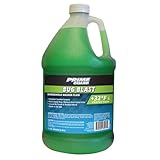
Overview: Prime Guard Bug Blast delivers a straightforward summer windshield washer solution that prioritizes simplicity and affordability. This one-gallon formula tackles road grime, dirt, and seasonal bugs without overpromising capabilities. Designed specifically for temperatures down to +32°F, it’s engineered for warm-weather drivers who need reliable cleaning performance during spring, summer, and fall months. The manufacturer emphasizes universal compatibility, explicitly marketing to conventional and electric vehicle owners alike.
What Makes It Stand Out: The product’s primary differentiation lies in its no-nonsense approach and EV-safe formulation. While many fluids target broad temperature ranges, Prime Guard focuses on optimal summer performance. The streak-free promise combined with its universal vehicle compatibility makes it particularly appealing for households with mixed vehicle types. Its +32°F rating indicates a simplified chemical composition that avoids unnecessary winter additives, potentially making it gentler on wiper components and paint finishes.
Value for Money: At $7.99 per gallon ($0.06 per fluid ounce), this fluid sits at the competitive budget tier. It matches store-brand pricing while offering branded quality assurance. For drivers in warm climates, this represents excellent value compared to all-season formulas that charge premium prices for freeze protection you’ll never use. The cost-per-use is extremely low, making it ideal for frequent washers or families maintaining multiple vehicles.
Strengths and Weaknesses:
- Strengths: Highly affordable; EV-safe formulation; leaves no residue; suitable for all vehicle types; simple, focused formula
- Weaknesses: Limited to above-freezing temperatures only; lacks water-repellent additives; no advanced bug barrier technology; summer-only utility reduces year-round value in variable climates
Bottom Line: Prime Guard Bug Blast is an excellent choice for budget-conscious drivers in consistently warm regions. If you never see frost on your windshield, this stripped-down, effective formula delivers everything you need and nothing you don’t, making it a smart seasonal purchase.
2. RainX RX68806 Rain-X Bug Remover etxWuf, 2Pack

Overview: Rain-X brings its trusted water-repellent technology to bug removal with this convenient two-pack offering. While specific feature details are minimal in the listing, the Rain-X brand carries decades of reputation for creating hydrophobic windshield treatments that enhance driving visibility. This bug remover variant presumably combines their signature beading technology with detergents formulated to dissolve insect proteins and road grime.
What Makes It Stand Out: The Rain-X name itself is the standout feature here. The brand’s proprietary water-repellent compounds create a microscopic barrier that causes water to bead and roll off, which likely extends to preventing bug residue from bonding strongly to glass. Purchasing as a two-pack provides convenience for multi-vehicle households or ensures you have backup when needed. The formula probably integrates seamlessly with existing Rain-X treatments, maintaining consistent performance.
Value for Money: At $22.59 for two units, pricing depends on individual bottle size (unspecified here). Assuming standard one-gallon containers, this translates to roughly $11.30 per gallon—positioned in the mid-to-premium tier. Rain-X products typically justify higher prices through proprietary technology and proven performance. For loyal Rain-X users, the two-pack offers modest bulk savings and eliminates separate trips for water-repellent treatments.
Strengths and Weaknesses:
- Strengths: Trusted brand reputation; likely includes water-beading technology; convenient two-pack packaging; probably effective on stubborn bug residue; integrates with Rain-X ecosystem
- Weaknesses: Vague product specifications; unclear temperature rating; higher price point; may contain harsh chemicals; limited details on EV compatibility
Bottom Line: For drivers already committed to the Rain-X ecosystem, this two-pack delivers familiar quality and convenience. However, the lack of detailed specifications makes it hard to recommend over more transparently marketed alternatives unless you’re brand-loyal.
3. Prestone Bug Wash Windshield Washer Fluid, 1 Gallon
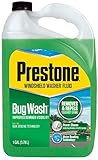
Overview: Prestone Bug Wash positions itself as a technologically advanced cleaning solution that goes beyond basic washer fluid duties. This one-gallon formula aggressively targets bug residue, road grime, bird droppings, and tree sap through its proprietary Power Cleaner, which claims to eliminate up to 99.99% of bug residue. The multi-action approach includes a Bug Stopper barrier to prevent future adhesion and Advanced Beading technology for water repellency.
What Makes It Stand Out: The comprehensive three-in-one action—cleaning, protecting, and repelling—distinguishes this product in a crowded market. The 99.99% bug removal claim demonstrates confidence in cleaning power, while the Bug Stopper technology addresses the root cause rather than just symptoms. The fresh citrus scent transforms a mundane task into a more pleasant experience, and the water-repellent finish provides ongoing safety benefits during rain.
Value for Money: At $7.99 per gallon ($0.06 per fluid ounce), this fluid delivers premium features at budget pricing. Competing products with similar water-repellent and protective technologies often cost twice as much. The combination of Prestone’s brand reliability, advanced chemistry, and store-brand pricing creates exceptional value. You’re essentially getting a water-repellent treatment bundled with your washer fluid at no extra cost.
Strengths and Weaknesses:
- Strengths: 99.99% bug removal efficacy; Bug Stopper protective barrier; Advanced Beading water repellent; pleasant citrus scent; streak-free results; trusted brand; exceptional price
- Weaknesses: Scent may irritate sensitive users; unspecified temperature rating (likely summer-only); multi-vehicle households need multiple bottles; may be over-engineered for light cleaning needs
Bottom Line: Prestone Bug Wash offers the best feature-to-price ratio available. If you want water-repellent benefits and superior bug cleaning without premium cost, this is your ideal choice.
4. BUGOFF Windshield Washer Fluid Ultra-Concentrated

Overview: BUGOFF takes an environmentally conscious approach with its ultra-concentrated formulation that transforms a small bottle into six gallons of ready-to-use washer fluid. This compact solution addresses bug grime and dirt while incorporating water-beading properties for enhanced visibility. The concentrate model fundamentally rethinks traditional washer fluid packaging, reducing plastic waste and storage requirements significantly.
What Makes It Stand Out: The eco-friendly concentrate model is the defining characteristic—one small bottle eliminates six large plastic jugs from circulation. This space-saving design appeals to apartment dwellers, minimalists, and environmentally aware consumers. Despite its small size, it promises professional-grade cleaning and water-beading performance typically found in premium ready-to-use formulas. The concentrate approach also allows users to adjust dilution strength for seasonal needs.
Value for Money: At $6.99 to produce six gallons, the effective cost drops to approximately $1.17 per gallon—dramatically undercutting even store-brand fluids. While the initial $3.18 per fluid ounce price appears shocking, the dilution ratio reveals true value. For heavy users or those maintaining multiple vehicles, the savings accumulate quickly. The environmental benefit of reduced packaging waste adds non-monetary value for eco-conscious buyers.
Strengths and Weaknesses:
- Strengths: Exceptional cost per gallon; eco-friendly reduced packaging; space-saving storage; includes water-beading technology; adjustable concentration; streak-free results
- Weaknesses: Requires careful mixing; initial price per ounce appears high; no specified temperature protection; mixing inconvenience; potential for user error in dilution
Bottom Line: BUGOFF is perfect for eco-minded drivers comfortable with mixing their own fluid. The savings and environmental benefits are substantial, making it ideal for bulk users who prioritize sustainability over convenience.
5. UCS 2-in-1 Windshield Washer Fluid 1 Gallon – Ready to Use, Streak-Free Formula, All-Weather Cleaning Power, Removes Bugs, Dirt & Road Grime – Premium Windshield Cleaner (128 fl oz)

Overview: UCS positions itself as a premium, environmentally responsible windshield washer solution with its methanol-free concentrate formula. This one-gallon offering emphasizes safety and eco-friendliness while promising powerful cleaning of bugs, dirt, and road grime. The product claims to deliver streak-free clarity through a concentrated formula that requires minimal product per use, though the description confusingly states both “concentrate” and “ready to use.”
What Makes It Stand Out: The methanol-free formulation is the primary differentiator, addressing growing environmental and health concerns about traditional washer fluid chemicals. This makes it safer for users, pets, and groundwater. The concentrate nature (despite the ready-to-use claim) suggests powerful cleaning agents that reduce overall chemical usage. The all-weather positioning indicates broader temperature versatility than typical summer formulas.
Value for Money: At $23.98 per gallon ($0.19 per fluid ounce), this sits firmly in the premium tier—more than triple the cost of budget options. The methanol-free premium and concentrate efficiency partially justify the price, but the value proposition hinges on environmental priorities rather than raw cleaning power per dollar. For drivers prioritizing eco-safety over economy, the premium is acceptable, but cost-conscious buyers will find better value elsewhere.
Strengths and Weaknesses:
- Strengths: Methanol-free and environmentally safer; effective on tough residues; streak-free performance; all-weather capability; safer for pets and groundwater
- Weaknesses: Very expensive per ounce; confusing concentrate/RTU description; lacks water-repellent additives; premium price without premium brand recognition; limited availability
Bottom Line: UCS serves a niche market of environmentally conscious drivers willing to pay significantly more for methanol-free safety. If chemical safety is your top priority, this premium is justified; otherwise, more economical eco-options exist.
6. MA5X Bug Remover Windshield Washer Fluid, 1 Gallon

Overview: The MA5X Bug Remover Windshield Washer Fluid positions itself as a specialized summer driving companion, engineered to combat insect residue, bird droppings, and tree sap. This one-gallon formula targets the seasonal frustration of bug splatter that plagues windshields during warmer months. Designed for temperatures above freezing, it offers a focused solution rather than an all-season compromise, making it ideal for drivers in temperate climates who battle heavy bug seasons and want targeted effectiveness.
What Makes It Stand Out: Its dual-action approach dissolves stubborn bug guts while leaving a protective barrier that repels future insects and contaminants. The manufacturer claims 90% removal effectiveness, setting high performance expectations. Unlike harsh chemical cleaners, it’s formulated to be gentle on automotive paint and trim, addressing common concerns among car enthusiasts about damage during aggressive cleaning.
Value for Money: At $0.14 per fluid ounce, MA5X sits in the mid-range for specialty washer fluids. While more expensive than basic blue washer fluid, it’s competitively priced for a bug-specific formula. The protective barrier adds long-term value by potentially reducing cleaning frequency. For drivers who regularly encounter heavy bug swarms, the time saved on manual scrubbing justifies the premium over conventional fluids.
Strengths and Weaknesses: Strengths include its targeted bug-dissolving power, paint-safe formulation, and innovative protective coating that extends cleaning effectiveness. The 90% removal claim demonstrates confidence. However, the 32°F temperature limitation is a significant weakness, requiring seasonal fluid changes for drivers in variable climates. Performance claims lack independent verification and may vary based on bug type and dwell time.
Bottom Line: MA5X Bug Remover is an excellent seasonal specialist for drivers in warm climates who prioritize bug removal over all-season convenience. Its protective barrier feature and gentle formulation make it worth the modest premium for summer use, though you’ll need a separate winter formula.
7. ABRO Windshield Washer Fluid Ready to Use Formula - 1 Gallon, Pre-Mixed, Streak-Free Cleanliness, 2-In-1 Removes Bugs & Tar

Overview: ABRO Windshield Washer Fluid delivers convenience through its pre-mixed, ready-to-use formula that eliminates preparation guesswork. This one-gallon solution targets bugs and tar, making it particularly valuable for highway drivers and those in construction zones. It promises streak-free results straight from the bottle, appealing to users wanting professional results without effort. It’s a dedicated glass cleaner rather than a multi-surface product.
What Makes It Stand Out: Its hassle-free, pre-mixed nature saves time and prevents mixing errors. The dual-action bug and tar removal addresses stubborn contaminants that standard fluids often smear rather than dissolve. ABRO specifically emphasizes its streak-free formulation, critical for safety and visibility. The company reassures users that effective cleaning won’t compromise automotive finishes, balancing power with protection.
Value for Money: At $0.15 per ounce, ABRO commands a slight premium over competitors but justifies this through unmatched convenience. The pre-mixed design eliminates dilution risks that can waste product or damage systems. For busy drivers or those uncomfortable mixing concentrates, this prevents costly mistakes. Time savings and consistent results offer solid value, particularly for urban commuters facing varied contaminants.
Strengths and Weaknesses: Major strengths include ready-to-use convenience, effective tar removal capability, streak-free promise, and paint-safe formulation. The pre-mixed design prevents user error. However, weaknesses include higher pricing than basic fluids, unspecified temperature range limitations, and lack of protective barrier features. It may be less economical for heavy users who could save money with concentrates.
Bottom Line: ABRO is ideal for drivers prioritizing convenience and versatility in bug and tar removal. Its ready-to-use formula and streak-free performance justify the modest premium, making it perfect for busy professionals wanting reliable results without preparation hassle.
8. 3D Bug Remover - All Purpose Exterior Cleaner & Degreaser to Wipe Away Bugs on Plastic, Rubber, Metal, Chrome, Aluminum, Windows & Mirrors, Suitable for use on Car Paint, Wax & Clear Coat (Gallon)

Overview: The 3D Bug Remover is a professional-grade, all-purpose exterior cleaner that transcends typical windshield washer fluid limitations. This gallon-sized solution targets bugs across multiple vehicle surfaces including plastic, rubber, metal, chrome, aluminum, windows, and mirrors. It serves as a comprehensive exterior degreaser for detailers and serious enthusiasts demanding one product for multiple applications rather than single-purpose fluids.
What Makes It Stand Out: Its exceptional versatility cleans entire vehicle exteriors, not just glass. The spray-and-rinse application requires no scrubbing, using chemical action to loosen bug proteins and tree sap. Critically, it’s explicitly safe for protective coatings including wax and clear coats, vital for maintained vehicles. The professional-grade formulation suggests higher concentration and effectiveness than consumer-grade washer fluids, delivering faster results on severe contamination.
Value for Money: At $0.27 per ounce, this commands a significant premium over standard washer fluids. However, the value proposition shifts when considering multi-surface capability—replacing separate cleaners for bumpers, mirrors, and trim. For professional detailers or high-value vehicle owners, time savings and coating-safe formulation justify the cost. Casual users may find it overkill for simple windshield cleaning.
Strengths and Weaknesses: Strengths include unparalleled versatility across exterior surfaces, professional-grade cleaning power, coating-safe formulation, and effortless spray-and-rinse application. The no-scrub formula saves time and prevents paint marring. Weaknesses center on high per-ounce cost, potential overkill for users only needing windshield cleaning, and ambiguous dilution requirements. It’s not designed for windshield reservoir use without clarification.
Bottom Line: This professional-grade cleaner excels for detailers and enthusiasts needing a safe, effective multi-surface bug remover. While overkill for basic windshield needs, its versatility and coating-safe formula make it invaluable for comprehensive exterior maintenance.
9. 3D Bug Remover - All Purpose Exterior Cleaner & Degreaser to Wipe Away Bugs on Plastic, Rubber, Metal, Chrome, Aluminum, Windows & Mirrors, Suitable for use on Car Paint, Wax & Clear Coat

Overview: This smaller-container version of 3D Bug Remover offers the same professional-grade, all-purpose exterior cleaning formula in a more accessible size. It wipes away bugs from any exterior surface including plastic, rubber, metal, chrome, aluminum, windows, and mirrors. The spray-and-rinse application remains effortless and safe for wax and clear coat finishes, providing the same versatile performance as its gallon-sized sibling.
What Makes It Stand Out: The primary distinction is packaging size, allowing users to test the professional formula without committing to a gallon. It maintains multi-surface versatility and coating-safe promise, ideal for spot treatments and targeted cleaning. The no-scrub method is particularly valuable for delicate areas like mirror housings where aggressive cleaning might damage finishes. This smaller format suits occasional users or those wanting to evaluate performance before bulk purchase.
Value for Money: At $1.06 per ounce, this represents terrible value compared to the gallon’s $0.27 per ounce—nearly four times more per ounce. This pricing structure only makes sense for first-time testers or those needing minimal product for a single season. Regular users will exhaust this container quickly, making it economically irrational for ongoing use. The value exists solely as a trial size, not as a cost-effective cleaning solution.
Strengths and Weaknesses: Strengths include the same professional, coating-safe formula as the gallon, convenient size for storage and portability, and ability to test performance before bulk purchase. The multi-surface capability remains impressive. However, the catastrophic per-ounce cost is the dominant weakness—among the most expensive options available. Limited quantity means frequent repurchases, and the small size may not be practical for treating entire vehicles.
Bottom Line: Purchase this only as a trial size to evaluate 3D’s performance before committing to the gallon. For any regular use, the small format’s exorbitant per-ounce cost makes it a poor financial decision compared to its larger counterpart.
10. Prestone AS-657 Windshield Washer, 1 gal, Bottle, Clear Green, Liquid

Overview: Prestone AS-657 Windshield Washer represents the no-frills, reliable standard in automotive glass cleaning. This one-gallon bottle of clear green liquid delivers fundamental windshield washer function without specialized claims or premium features. From an established brand in automotive fluids, it promises consistent, baseline performance for drivers prioritizing economy and simplicity over targeted cleaning solutions.
What Makes It Stand Out: In a market saturated with specialized claims, Prestone’s standout feature is straightforward reliability and brand trust. The clear green formulation is instantly recognizable, and the product doesn’t overpromise—it simply delivers basic cleaning functionality. This honesty is refreshing compared to competitors making aggressive performance claims. Prestone’s widespread availability and decades of brand recognition provide confidence in quality control and consistency that lesser-known brands cannot match.
Value for Money: At approximately $0.115 per ounce (calculated from the $14.75 gallon price), Prestone is the most economical option reviewed. This represents significant savings over bug-specific formulas, making it ideal for budget-conscious drivers or those in light-contamination environments. While lacking advanced features, the low cost allows for frequent system flushing and liberal use without financial concern. For fleet vehicles or daily drivers where cost-per-mile matters, this economy is compelling.
Strengths and Weaknesses: Strengths include unbeatable per-ounce pricing, trusted brand reputation, reliable basic cleaning, and universal compatibility. It’s the practical choice for minimal needs. However, weaknesses are substantial for challenging conditions: no specific bug-dissolving power, no protective barrier, no tar removal capability, and no streak-free guarantee. Users in heavy bug areas will find performance inadequate, requiring manual cleaning supplementation. The basic formula may also lack advanced water-beading technology.
Bottom Line: Prestone AS-657 is the smart budget choice for drivers in moderate climates with light contamination. While it won’t impress enthusiasts or tackle severe bugs, its reliability and exceptional value make it perfect for economical, everyday windshield maintenance.
Why bug remover windshield washer fluids Are Essential
The Science Behind Bug Splatter Adhesion
Bug remains aren’t just messy—they’re chemically complex. When an insect collides with your windshield at 70 mph, its exoskeleton ruptures, releasing a cocktail of proteins, fats, and chitin that instantly oxidizes and bonds to your glass surface. This protein matrix essentially glues itself to the microscopic pores in your windshield, creating a bond that water alone can’t break. Regular washer fluids lack the specific enzymes or solvents needed to denature these proteins, which is why a simple spray often just smears the mess into a hazy film.
How Regular Washer Fluid Falls Short
Standard windshield washer fluids excel at dissolving road salt, dust, and water-soluble contaminants, but they’re formulated for general-purpose cleaning. Their primary ingredients—methanol, water, and mild detergents—don’t target the lipid-protein complexes found in insect remains. Using regular fluid on heavy bug buildup often creates a bigger problem: the wipers drag undissolved particles across your glass, creating micro-abrasions that accumulate over time and permanently degrade visibility. This is why dedicated bug removers aren’t just a luxury—they’re preventative maintenance for your windshield.
Key Ingredients That Make Bug Removers Effective
Enzymatic Cleaners vs. Solvent-Based Formulas
The most effective bug removers use one of two approaches: enzymatic digestion or chemical dissolution. Enzymatic formulas contain protease enzymes that literally digest protein bonds, breaking them down into smaller, water-soluble molecules. These are particularly effective on fresh splatter and are generally safer for rubber components. Solvent-based formulas, meanwhile, use stronger chemicals like isopropanolamine or specialized alcohols that dissolve the fats and oils in bug remains. While faster-acting on dried, baked-on messes, they can be harsher on wiper blades and paint trim if not properly diluted.
The Role of Surfactants in Breaking Down Protein
Surfactants are the unsung heroes of any quality bug remover. These molecules have a hydrophilic (water-attracting) head and a hydrophobic (water-repelling) tail, allowing them to penetrate the oily layer of bug remains and lift it from the glass surface. Premium formulations use dual-action surfactants that both emulsify fats and suspend particles to prevent re-deposition. The concentration and type of surfactant directly impact how quickly the fluid can break the surface tension of dried splatter, which is why professional-grade concentrates often outperform ready-to-use versions.
Ammonia Content: Pros and Cons
Ammonia has been a controversial ingredient in windshield cleaners for decades. In bug removers, ammonia can effectively cut through greasy residues and provide a streak-free finish by evaporating quickly. However, it degrades rubber wiper blades over time and can damage window tint if it seeps under edges. Modern formulations often use ammonia alternatives like vinegar derivatives or ammonia-free alkaline builders that deliver similar cleaning power without the collateral damage. For vehicles with aftermarket tint or expensive silicone wiper blades, ammonia-free options are non-negotiable.
Understanding Concentration Levels and Dilution Ratios
Ready-to-Use vs. Concentrate: Which Is Right for You?
The concentration debate boils down to convenience versus customization. Ready-to-use fluids come pre-diluted at optimal strength, eliminating guesswork and ensuring consistent performance. They’re ideal for drivers who want simplicity and live in areas with consistent bug pressure. Concentrates, however, offer superior value—often costing 60-70% less per gallon when properly diluted—and allow you to adjust strength based on season or bug severity. A single bottle of premium concentrate can last an entire summer, making it the economical choice for frequent travelers or those storing emergency supplies.
Proper Dilution Techniques for Maximum Effectiveness
Getting the dilution right is critical. Most concentrates specify ratios like 1:10 (one part concentrate to ten parts water) for light cleaning or 1:5 for heavy bug seasons. Always use distilled water, especially in hard water areas, as minerals can react with cleaning agents and leave deposits. Mix in a clean container—not directly in your reservoir—to ensure homogenous blending. Temperature matters too: mixing in warm water (not hot) helps activate surfactants more effectively, but never exceed 100°F as this can degrade enzymes in biological formulas.
Over-Dilution Risks and How to Avoid Them
The temptation to stretch a concentrate further by adding extra water is strong, but it creates a cascade of problems. Over-dilution drops the concentration of active ingredients below their critical micelle concentration—the point where surfactants can no longer form the structures needed to lift dirt. This results in a fluid that just smears water around without cleaning. Symptoms of over-dilution include excessive foaming, slow drying, and a filmy residue. Use a measuring cup and mark your mixing container to maintain consistency batch after batch.
Seasonal Considerations for Bug Remover Fluids
Summer Formulations for Peak Bug Season
True bug season—typically May through September in most regions—demands maximum cleaning power. Summer formulations prioritize fast action over freeze protection, often containing higher concentrations of active enzymes and solvents. These fluids typically have a freeze point around 32°F, making them unsuitable for cold climates but perfect for hot weather where bugs are most active. Some summer blends include water softeners that counteract the mineral deposits left by evaporating droplets in high heat, preventing those annoying white spots that can etch into glass if left unattended.
All-Season vs. Dedicated Bug Removers
All-season fluids attempt to balance bug removal with freeze protection, usually down to -20°F or lower. They achieve this by using higher methanol content, which can dilute the concentration of bug-dissolving agents. While convenient for year-round use in variable climates, they represent a compromise—adequate at both tasks but exceptional at neither. Dedicated bug removers, used seasonally, allow you to run a specialized summer formula during peak months and switch to a winter blend when temperatures drop, optimizing performance for each condition.
Winter Compatibility and Freeze Protection
If you live where temperatures fluctuate wildly, consider a layered approach. Run a dedicated bug remover through summer, then flush your system thoroughly before the first freeze and refill with winter-grade fluid. For unexpected early frosts, some premium bug removers can be “boosted” with methanol or isopropyl alcohol to lower their freeze point without completely compromising cleaning ability. A good rule of thumb: if nighttime lows drop below 40°F consistently, it’s time to transition away from pure bug removers.
Performance Factors to Evaluate
Cleaning Power: What to Look For
Assessing cleaning power requires looking beyond marketing claims. Check for ASTM (American Society for Testing and Materials) ratings or similar standardized tests that measure soil removal efficiency. The best indicator is the “dwell time”—how long the fluid needs to sit on the glass to dissolve bugs. Premium formulas work in under 30 seconds, while weaker ones require multiple applications and aggressive wiper action. Also consider the “sheeting action”—how well the fluid rinses away without leaving droplets that cause spots. Fluids with advanced polymers create a hydrophobic layer that causes water to bead and roll off, carrying dissolved bugs with it.
Streak-Free Formulation Importance
Streaking occurs when cleaning agents evaporate unevenly, leaving behind surfactant residues. Quality bug removers use volatile solvents that evaporate at rates matching their water content, ensuring uniform drying. They also incorporate anti-streak polymers that fill microscopic glass imperfections, creating a smoother surface. The pH level matters too—ideally between 7.5 and 9.5. Too alkaline, and you’ll get a hazy film; too acidic, and it won’t cut through grease. Test a small amount on your side window first: if it leaves a rainbow sheen when dry, the formulation is too rich in surfactants and will likely streak.
Impact on Wiper Blade Longevity
Your washer fluid and wiper blades are a system, and the wrong fluid can destroy expensive blades. Harsh solvents dry out the rubber compound, causing cracking and chattering. Enzymatic formulas are generally gentler, but even they can cause issues if the pH is too high. Look for fluids that advertise “wiper-safe” or “rubber-conditioned” properties—these include plasticizers that keep blade edges supple. Conversely, avoid any fluid that leaves a greasy feel on your fingertips after drying, as this indicates oil-based solvents that will degrade rubber over time. Replace your wiper blades every 6-12 months when using aggressive bug removers regularly.
Drying Time and Residue Concerns
Fast drying is crucial for visibility, but overly aggressive evaporation can leave concentrated residues. Optimal drying time on a 70°F day with moderate humidity is 15-25 seconds with wipers running. If your fluid takes longer, it’s either over-diluted or contains too much water. Residue testing is simple: spray a small area on a clean, dry windshield and let it air dry without wiping. Any visible film, stickiness, or white powder indicates poor formulation. Premium bug removers leave nothing behind but a clean, slightly slick surface that actually helps repel future splatter.
Environmental and Safety Considerations
Eco-Friendly and Biodegradable Options
Traditional bug removers contain methanol and other VOCs (volatile organic compounds) that harm aquatic life and contribute to smog. Eco-friendly formulations replace these with plant-derived surfactants and bio-enzymes, achieving 90%+ biodegradability within 28 days. These are particularly important if you live near sensitive watersheds or in states with strict environmental regulations. Look for EPA Safer Choice certification or similar third-party validation. Performance has improved dramatically—modern green formulas can match conventional cleaners on all but the most baked-on splatter, making them viable for eco-conscious drivers.
VOC Regulations and Regional Restrictions
California and several northeastern states enforce strict VOC limits (currently 1% by weight for windshield washer fluids), which has pushed manufacturers to reformulate. These low-VOC fluids use alternative solvents like propylene glycol and ethanol, which are less aggressive but safer for the environment. If you cross state lines regularly, be aware that what’s legal in Texas might not be in California. Buying fluids compliant with the strictest standards ensures you’re covered everywhere. Check the product’s VOC content on the SDS (Safety Data Sheet), which manufacturers must provide upon request.
Safe Handling and Storage Practices
Even eco-friendly concentrates require careful handling. Always mix in a well-ventilated area, as vapors can cause dizziness. Store concentrates in original, labeled containers away from children and pets. Never transfer to beverage bottles—this is a leading cause of accidental poisoning. For garage storage, keep fluids between 40-80°F; extreme cold can cause separation, while heat degrades enzymes. If you spill concentrate on paint or trim, rinse immediately with water, as even “safe” formulas can strip wax if left to dry. Dispose of old fluid at hazardous waste facilities, never down storm drains.
Application Techniques for Optimal Results
Pre-Soaking Methods for Heavy Bug Buildup
For windshields that look like a Jackson Pollock painting, pre-soaking is essential. Fill a spray bottle with concentrated bug remover (mixed at the heavy-duty ratio) and mist the entire windshield 2-3 minutes before driving. This gives enzymes time to work without evaporation from airflow. For extreme cases, soak a microfiber towel in concentrate and lay it over the worst spots for 5 minutes. Never use paper towels—they’re abrasive and leave lint. After soaking, use your washer system normally; the bugs should wipe away with minimal wiper pressure, reducing the risk of scratches.
Sprayer Nozzle Adjustment Tips
Your fluid is only as good as its delivery system. Most nozzles can be adjusted with a pin; aim them to hit the windshield about 3/4 up from the bottom, slightly overlapping in the center. Too high, and you waste fluid on the roof; too low, and you don’t get adequate coverage on the upper windshield where bugs hit hardest. Check spray pattern weekly—mineral deposits can clog nozzles, causing uneven application that leaves cleaning gaps. If your vehicle has pulse-width modulation spray control (common in newer cars), use short bursts rather than continuous spray to prevent over-saturation that leads to streaking.
When to Use a Dedicated Bug Sponge
Sometimes even the best fluid needs mechanical help. A dedicated bug sponge—typically made of soft foam with a mesh layer—provides gentle abrasion without scratching. Use it only after soaking; dry wiping grinds bug particles into your glass. The technique matters: use horizontal strokes with light pressure, working from the center outward. Rinse the sponge frequently to prevent trapped debris from causing scratches. Never use household sponges or scrub pads, as they’re too abrasive. For convertible owners, bug sponges are invaluable for cleaning plastic windscreens that can’t handle aggressive chemicals.
Cost-Effectiveness and Value Analysis
Price Per Gallon vs. Price Per Use
That $3 gallon of blue fluid seems cheap until you use half of it on one bug-covered windshield. Calculate true cost by dividing price by the number of effective applications. A $15 concentrate that makes 10 gallons of heavy-duty cleaner costs $1.50 per gallon—but if it’s twice as effective, your cost per clean windshield drops dramatically. Track your usage: mark your reservoir level and count how many bug episodes you get per gallon. Most drivers find that premium concentrates reduce overall consumption by 30-50% because they clean more efficiently the first time.
Bulk Buying Considerations
Buying bug remover by the case or 5-gallon pail can slash costs by 40%, but only if you use it before degradation. Enzymatic concentrates lose potency after 12-18 months, while solvent-based formulas last 2-3 years if sealed. Split a bulk purchase with car club members or neighbors to maximize savings without waste. Storage is key: transfer large containers to smaller, airtight bottles to minimize air exposure that degrades active ingredients. For fleet operators or families with multiple vehicles, bulk buying is a no-brainer, but track expiration dates rigorously.
DIY Bug Remover Solutions: Worth the Effort?
The internet is full of recipes using dish soap, vinegar, and ammonia. While these can work in a pinch, they lack the sophisticated surfactant packages and pH buffers of commercial products. Homemade solutions often strip wax, damage rubber, and leave residues that attract more dirt. The cost savings are minimal—maybe $0.50 per gallon—while the risk of damaging a $500 windshield or $50 wiper blades is significant. If you’re determined to DIY, stick to simple water and white vinegar (10:1 ratio) as a temporary measure, but flush your system and replace with proper fluid as soon as possible.
Common Mistakes to Avoid
Mixing Different Fluid Types
Never top off your bug remover reservoir with regular washer fluid or vice versa. Different pH levels and surfactant types can react, causing precipitation that clogs filters and nozzles. If you must switch, drain the reservoir completely—most vehicles have a drain plug at the bottom. Mixing can also neutralize active ingredients; for example, the ammonia in some regular fluids can denature enzymes in bug removers, rendering them useless. Think of it like mixing different antifreeze types: the chemistry matters, and incompatibility can damage your system.
Ignoring Washer System Maintenance
Your washer system needs love too. The reservoir can grow mold and algae, especially with organic-based bug removers, clogging the pump and lines. Flush the entire system every six months with a mixture of bleach and water (1:100 ratio), then rinse thoroughly. Replace in-line filters annually—they’re often overlooked but critical for preventing nozzle clogs. Check pump operation by timing how long it takes to empty the reservoir; a weak pump won’t deliver fluid forcefully enough to clean effectively. A $20 pump replacement beats a scratched windshield every time.
Using Household Cleaners as Substitutes
Windex, 409, and other household cleaners are windshield killers. They contain ammonia and solvents designed for windows that aren’t subjected to 200°F temperature swings and 70 mph winds. These products strip factory hydrophobic coatings, attack window tint adhesives, and leave residues that bake onto hot glass. The surfactants aren’t designed for automotive spray systems and can foam excessively, damaging pumps. Even “green” household cleaners lack the specific enzyme packages needed for bugs. Keep household cleaners inside the house, where they belong.
Maintaining Your Windshield Washer System
Regular System Flushing Schedule
Establish a seasonal flushing routine: at the start of bug season (late spring), mid-summer, and before winter storage. This prevents chemical buildup and ensures you’re always using fresh, potent fluid. The process is simple: run the reservoir dry, fill with clean water, spray until empty, then refill with your chosen bug remover. For heavy users, add a mid-season flush if you notice cleaning performance dropping. This 10-minute maintenance task extends pump life by years and ensures consistent spray patterns.
Filter and Pump Maintenance
Most vehicles have an in-tank filter screen that’s easy to clean. Remove the reservoir (usually just a few clips), pull out the pump assembly, and rinse the filter mesh with warm water. If it’s torn or clogged with crystallized fluid, replace it—filters cost under $5. Check pump diaphragms for cracks; even tiny fissures reduce pressure. Test pump output by disconnecting a hose and measuring fluid volume per 10 seconds of operation. Anything less than 2 ounces indicates a weak pump that needs replacement before it fails completely.
Detecting and Preventing Clogs
Clogs rarely happen suddenly. Watch for warning signs: uneven spray patterns, reduced spray distance, or fluid dribbling from nozzles. Use a straight pin to clear nozzle orifices monthly, but be gentle—enlarging the hole changes spray geometry permanently. For stubborn clogs, disconnect hoses at the nozzle and blow compressed air backward through the system. Prevent future issues by always using filtered fluid (strain through a coffee filter when filling if you’re unsure) and never letting your reservoir run completely dry, which introduces air and can cause pump cavitation that damages components.
Frequently Asked Questions
Will bug remover fluid damage my car’s paint or trim?
Quality bug removers are formulated to be safe on automotive finishes when used as directed. However, overspray can strip wax if left to dry. Always activate washers only when moving or immediately wipe any drips on paintwork. For vehicles with matte finishes or vinyl wraps, test on an inconspicuous area first, as some solvents can alter sheen.
Can I use bug remover fluid year-round?
Only if you live in a frost-free climate. Most pure bug removers lack sufficient freeze protection for winter. In variable climates, use dedicated bug remover during warm months and switch to an all-season or winter formula before temperatures drop below freezing. Some drivers keep two reservoirs (if their vehicle has the space) to avoid flushing.
How often should I refill my washer fluid during bug season?
Heavy commuters in peak bug areas can go through a gallon every 1-2 weeks. Check your reservoir weekly—don’t wait for the dashboard warning light, which often triggers when you’re already critically low. Keep a spare bottle in your trunk; running dry during a bug swarm is both dangerous and frustrating.
My fluid isn’t cleaning bugs well. Is it the fluid or my wipers?
Test by spraying fluid on a clean side window and wiping with a microfiber cloth. If it cleans easily, your wipers are the problem—either worn, contaminated, or applying uneven pressure. If the window stays dirty, your fluid is too weak or has degraded. This simple test saves you from replacing good blades or buying unnecessary concentrate.
Are enzyme-based or solvent-based bug removers better?
For fresh splatter and regular maintenance, enzyme-based formulas are gentler on components and environmentally superior. For baked-on, sun-cured bug remains, solvent-based cleaners act faster. Many premium products blend both technologies. Your choice depends on cleaning frequency and bug severity—enzymes for prevention, solvents for intervention.
Can I mix bug remover concentrate with windshield washer fluid that has water repellent?
Generally no. Water-repellent fluids contain hydrophobic polymers that can be disrupted by the surfactants in bug removers, reducing both products’ effectiveness. If you want both benefits, apply a standalone water repellent treatment to the glass first, let it cure 24 hours, then use your bug remover normally. The repellent will be beneath the cleaning layer.
Why does my bug remover leave a white film on my windshield?
This is typically residue from hard water minerals reacting with surfactants, or incomplete rinsing. Use distilled water for mixing, and ensure your wipers are making full contact to remove all fluid. If the film persists, your fluid may be over-concentrated—try a slightly more diluted mix. A final wipe with a damp microfiber cloth usually removes any stubborn residue.
Do I need a special bug remover for ceramic-coated windshields?
Most ceramic coatings are chemically resistant, but harsh solvents can degrade the coating’s bond over time. Use pH-neutral bug removers specifically labeled “ceramic-safe.” Avoid anything with ammonia or strong alkalis above pH 10. The good news: ceramic coatings make bug removal easier, so you can often use a weaker, safer formula with the same results.
How do I dispose of old or unused bug remover fluid?
Never pour it down drains or onto soil. Take it to a household hazardous waste facility—most municipalities accept automotive fluids free of charge. If the fluid is still usable but you want to switch types, offer it on local car forums or to neighbors. For empty containers, rinse three times and recycle if the plastic type is accepted in your area.
Can bug remover fluid improve my night driving visibility?
Absolutely. Bug residue diffracts light from oncoming headlights, creating starbursts and glare that reduce effective vision by up to 30%. A clean, properly treated windshield allows light to pass through uniformly. Some bug removers include optical clarifiers that polish microscopic imperfections, further enhancing night vision. The difference is immediate and significant—especially for drivers over 40 whose eyes are more sensitive to light scatter.